What pasta names mean
Almost every pasta name is a picture. Italian builds the picture with a noun and a suffix. The suffix says the size: -ini and -etti and -elle mean small, -oni means large. So spaghetti are little strings, spaghettini are smaller strings, and spaghettoni are big ones. Farfalle are butterflies, and farfalline are the small ones that go in soup.
The nouns come from the kitchen, the farm, and the church. Ears, shells, butterflies, worms, little tongues, priest stranglers, bridegrooms, radiators, and the flower of a mallow. Here is every name on the site with what it means.
This page explains the name. To look a name up, including regional names and spellings, use the A to Z glossary.
A
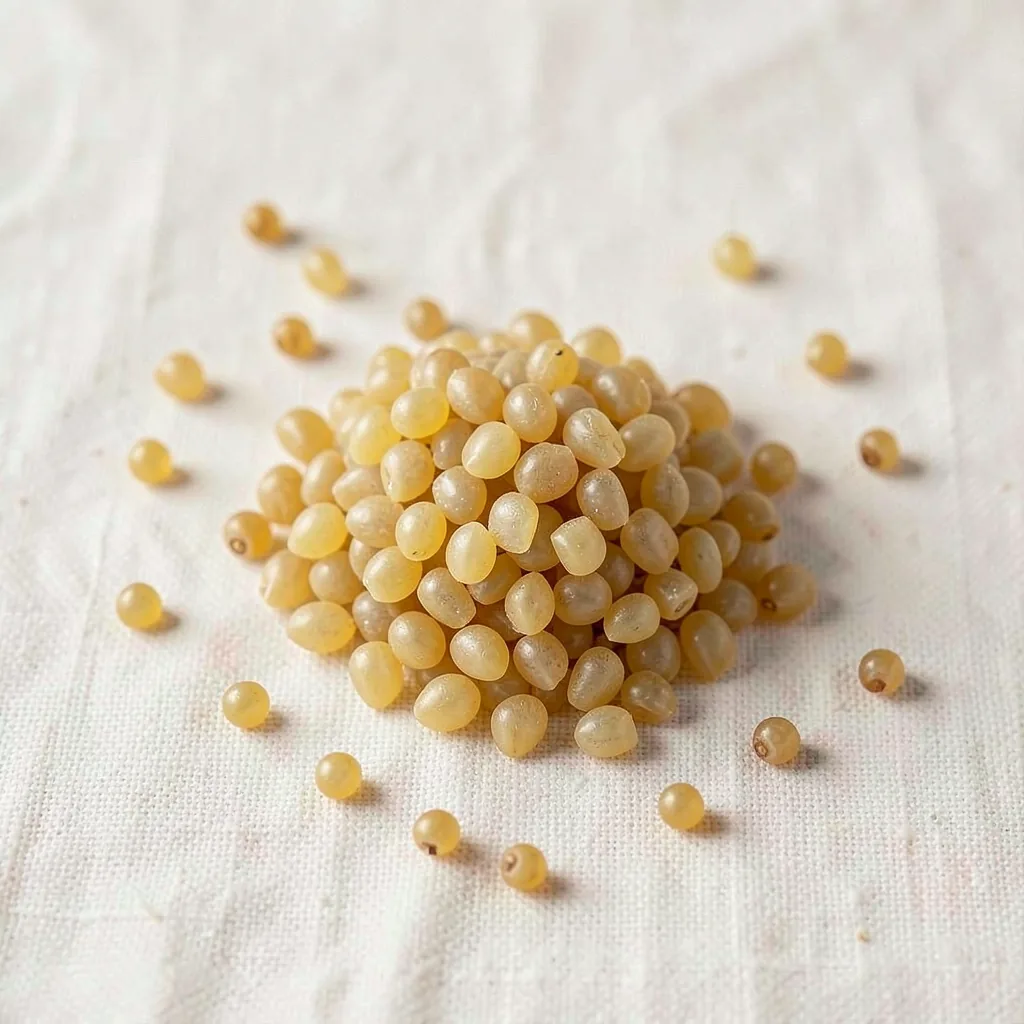
- Acini di pepeAH-chee-nee dee PEH-peh
- Peppercorns.
- Agnolini
- A diminutive linked to an old word for angel. The Mantuan dialect names are agnulìn and agnulì.
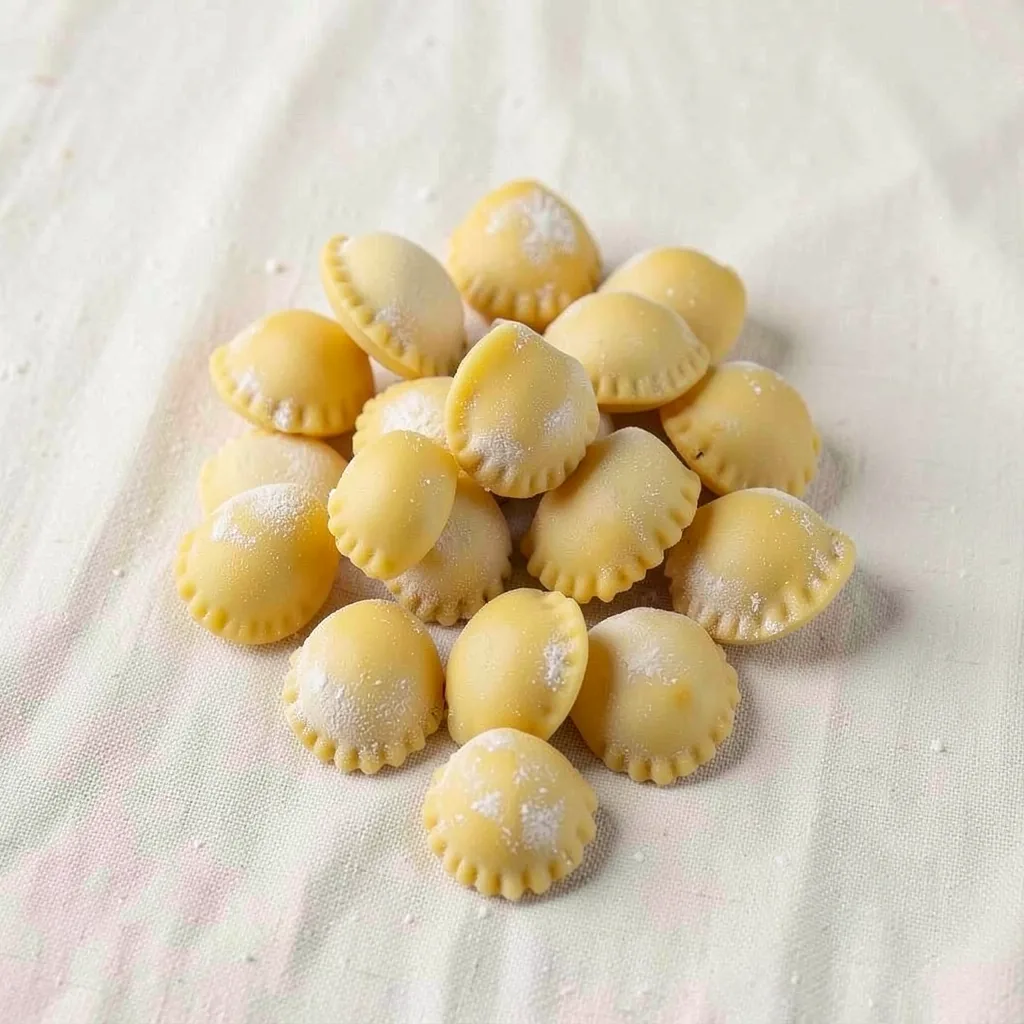
- Agnolottiah-nyoh-LOT-tee
- Possibly from anolini, or from a cook named Angelot. Del plin means pinched, from the fold.
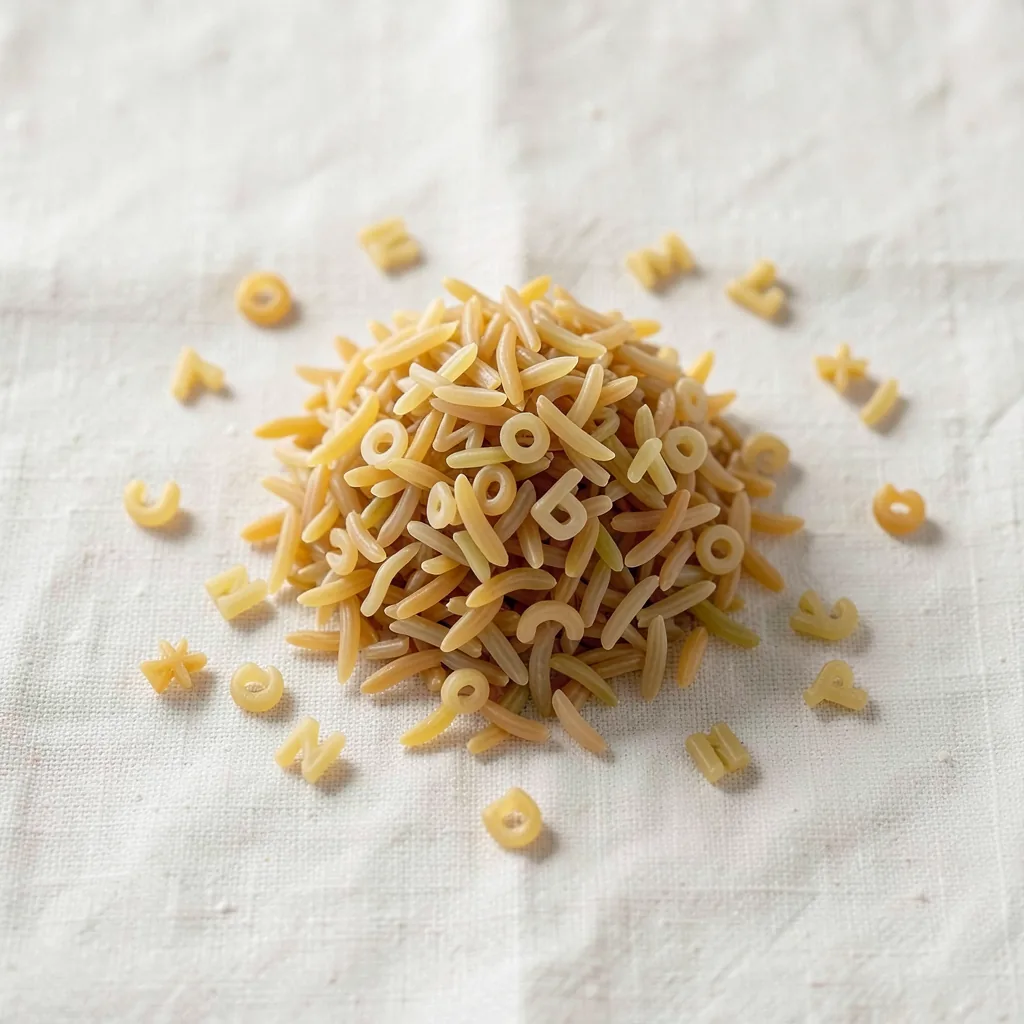
- Alphabet pastaal-fah-BET-toh
- Alfabeto in Italian.
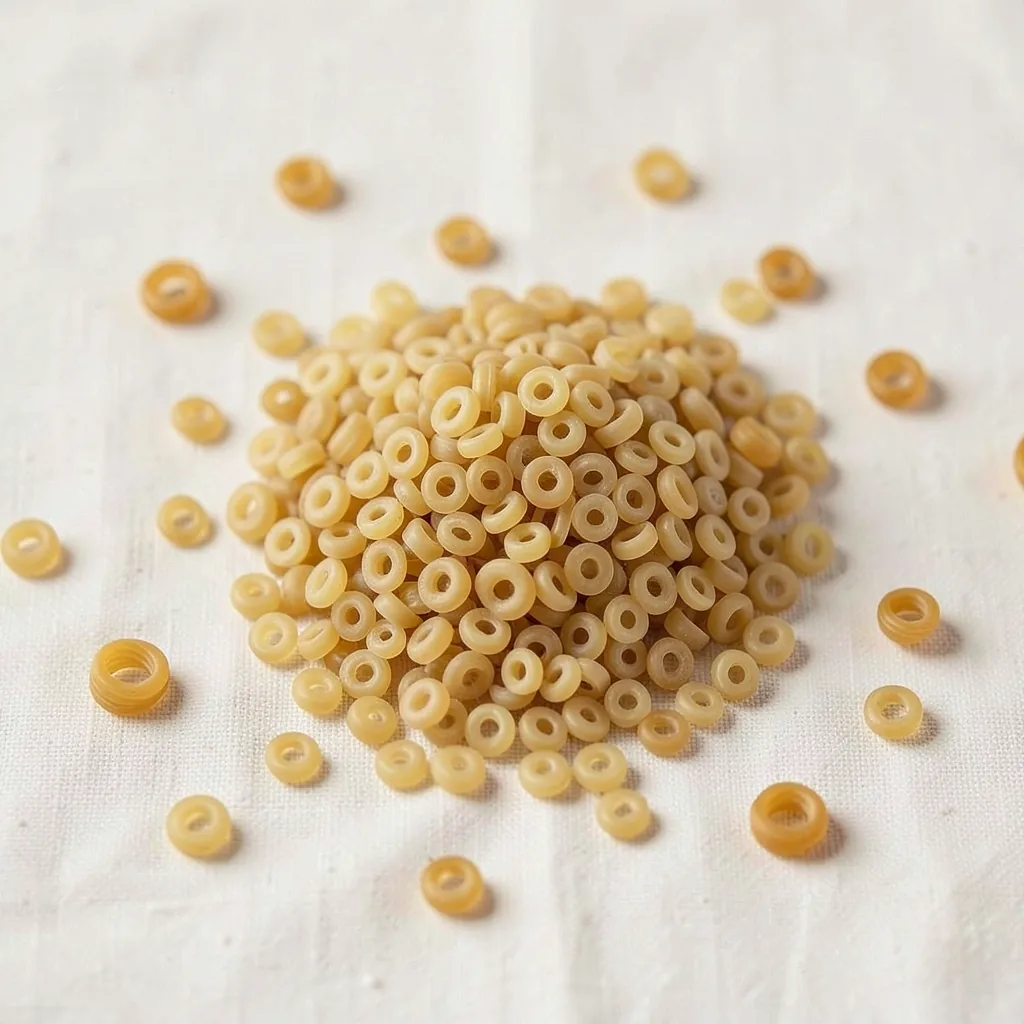
- Anelliah-NEL-lee
- Rings. Anellini are the small grade, anelloni the large.
- Anoliniah-noh-LEE-nee
- Little rings, from anello.
- Armonie
- Italian for harmonies. No source explains why the shape carries the name.
B
- Barbine
- Italian for little beards, from barba, beard. The singular is barbina.
- BigoliBEE-goh-lee
- From the Venetian bigolo, a worm or a fat strand.
- Boccoli
- Italian for ringlets, the curls of hair the helical twist resembles.
- Bucatiniboo-kah-TEE-nee
- From buco, hole. Pierced strands. Perciatelli, from perciare, to pierce, is the Neapolitan name for the same thing.
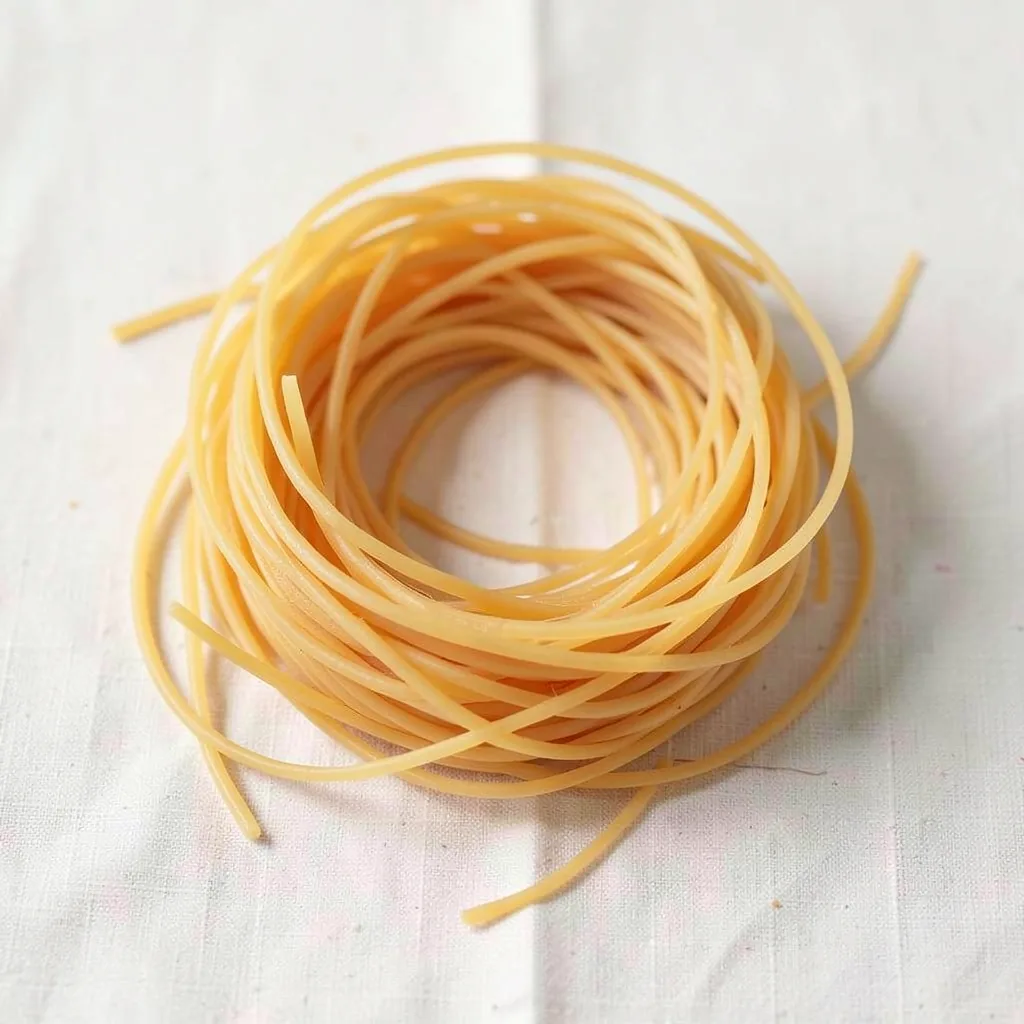
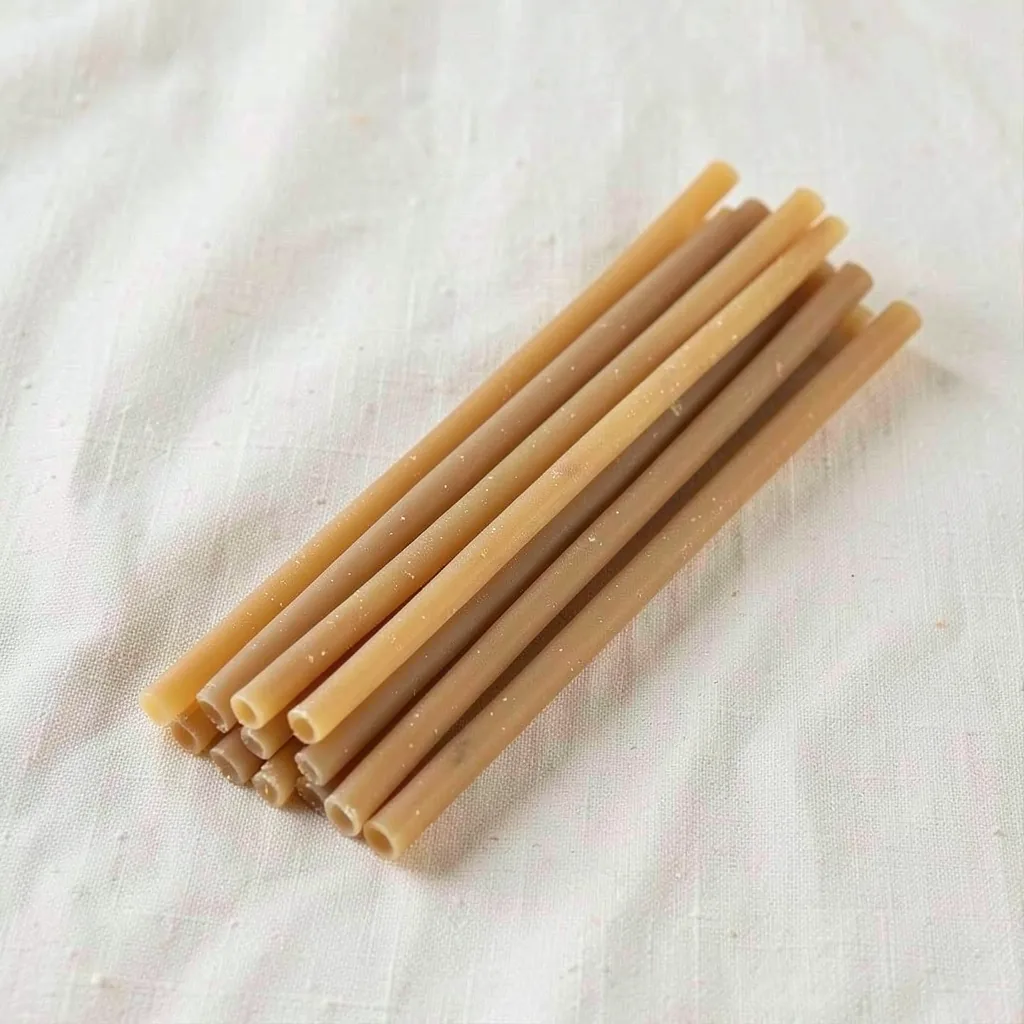
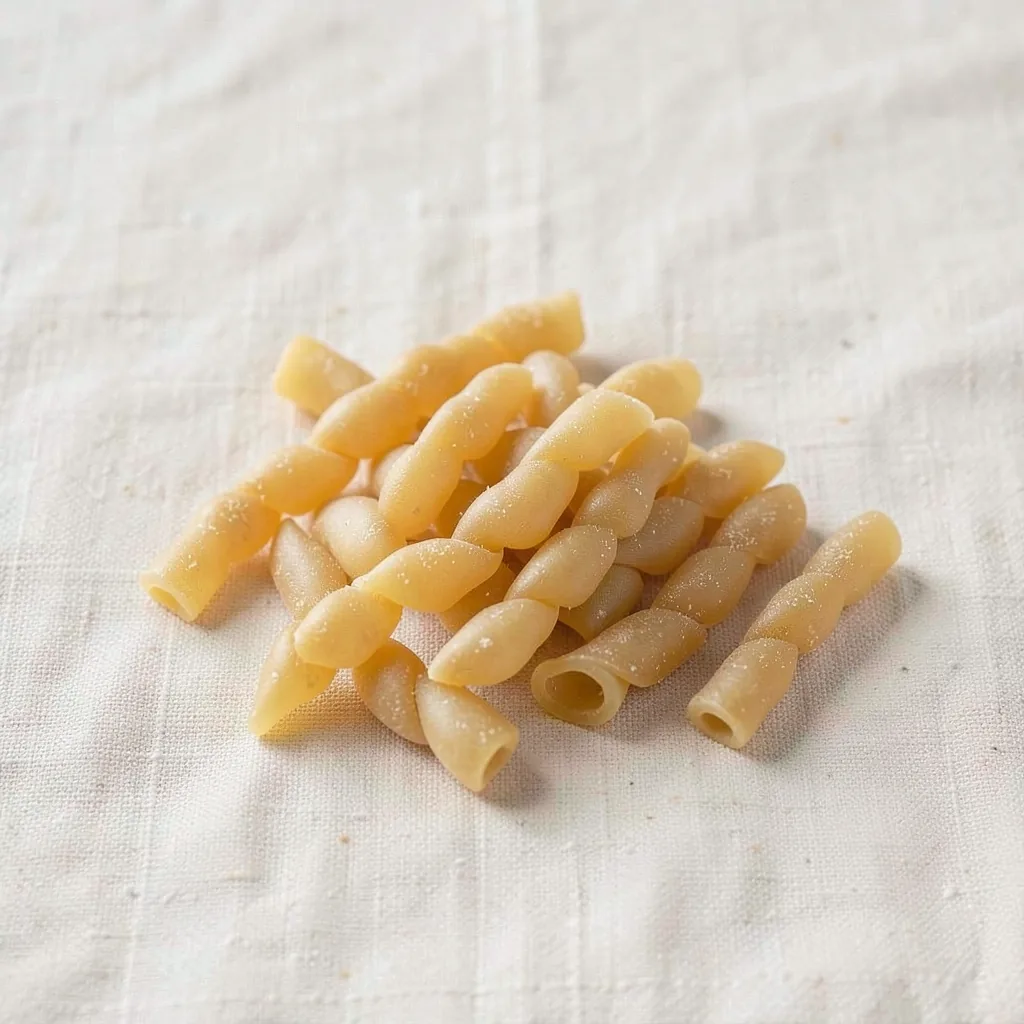
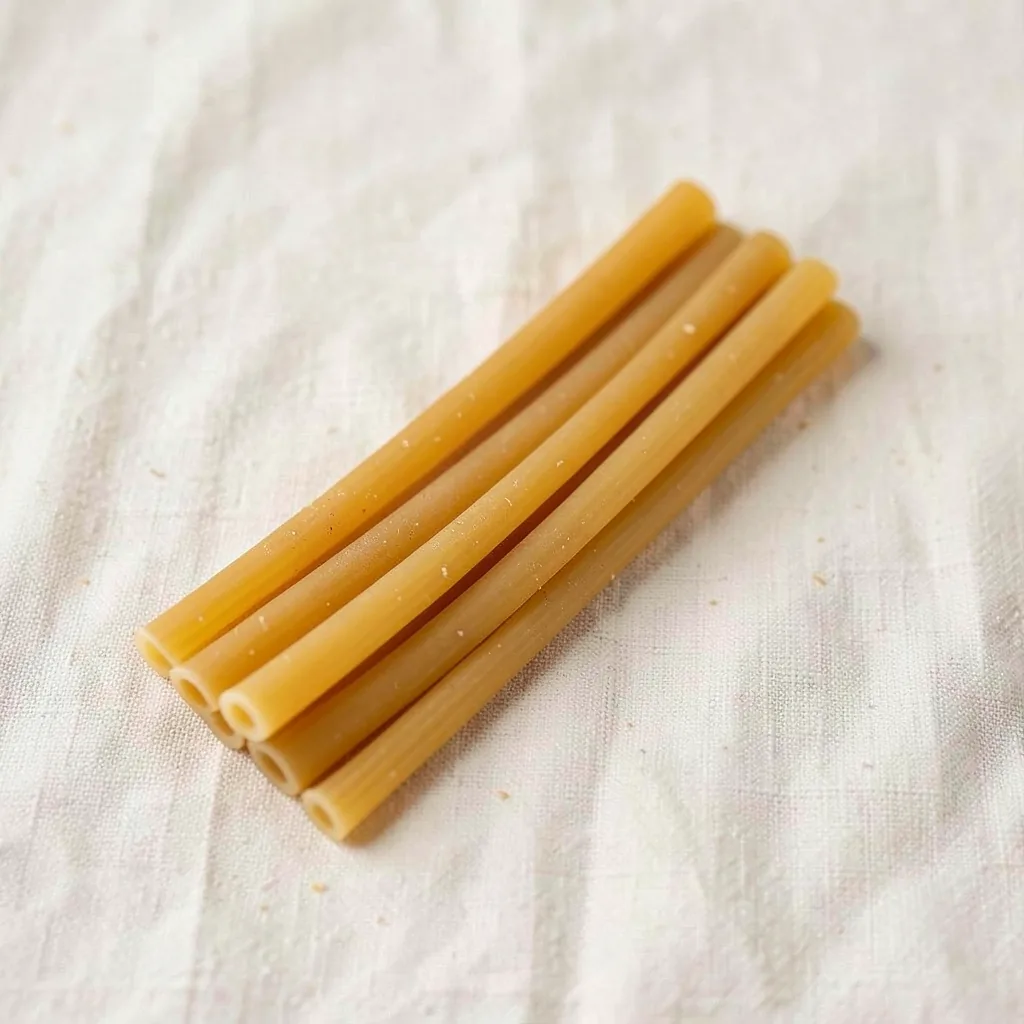
- Busiateboo-zee-AH-teh
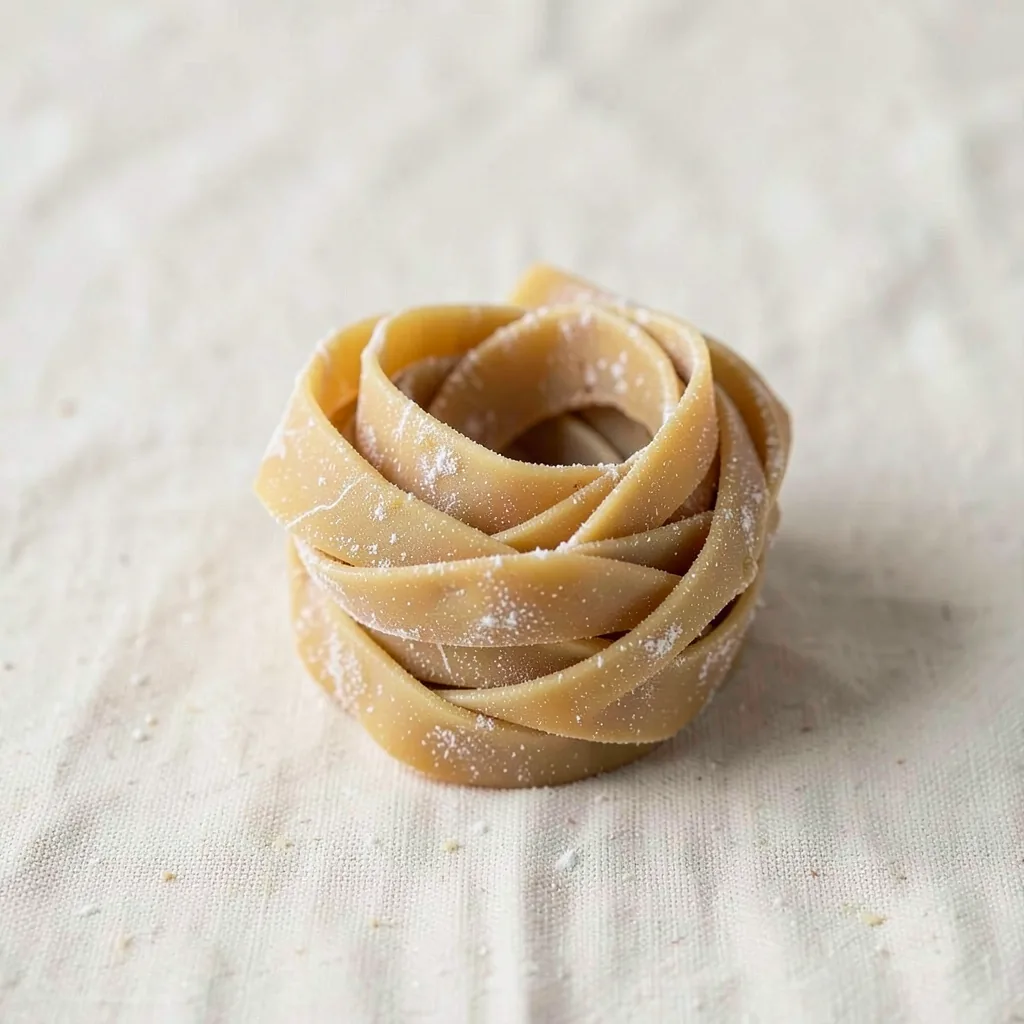
- From buso, the dried stem of a local grass that the dough was wound around.
C
- Caccavelle
- Neapolitan for pots. Wikipedia traces it to Latin cacabus, a cooking pot.
- Calamaratakah-lah-mah-RAH-tah
- From calamaro, squid. The ring looks like a sliced squid body.
- Campanellekam-pah-NEL-leh
- Little bells. Gigli, lilies, is the other name.
- Candelekan-DEH-leh
- Candles. Long straight tubes the length of a candle.
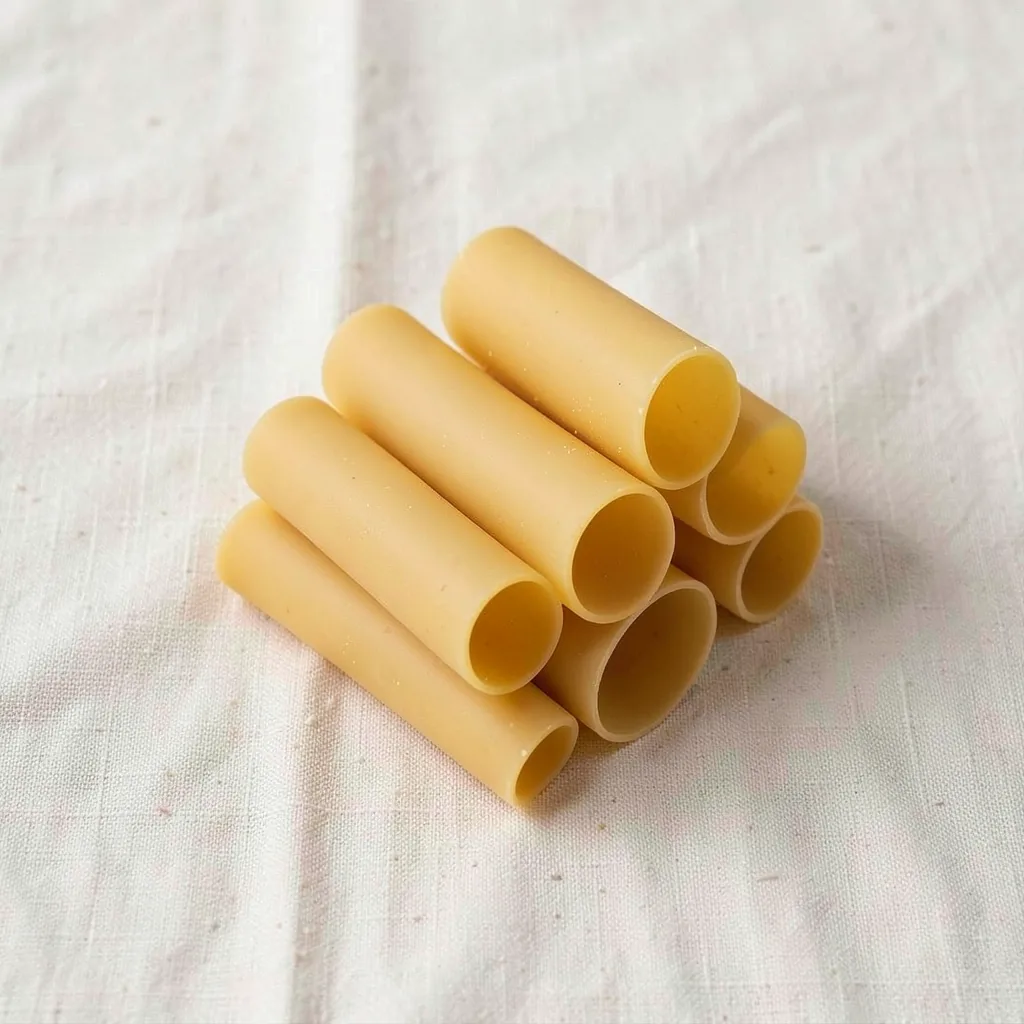
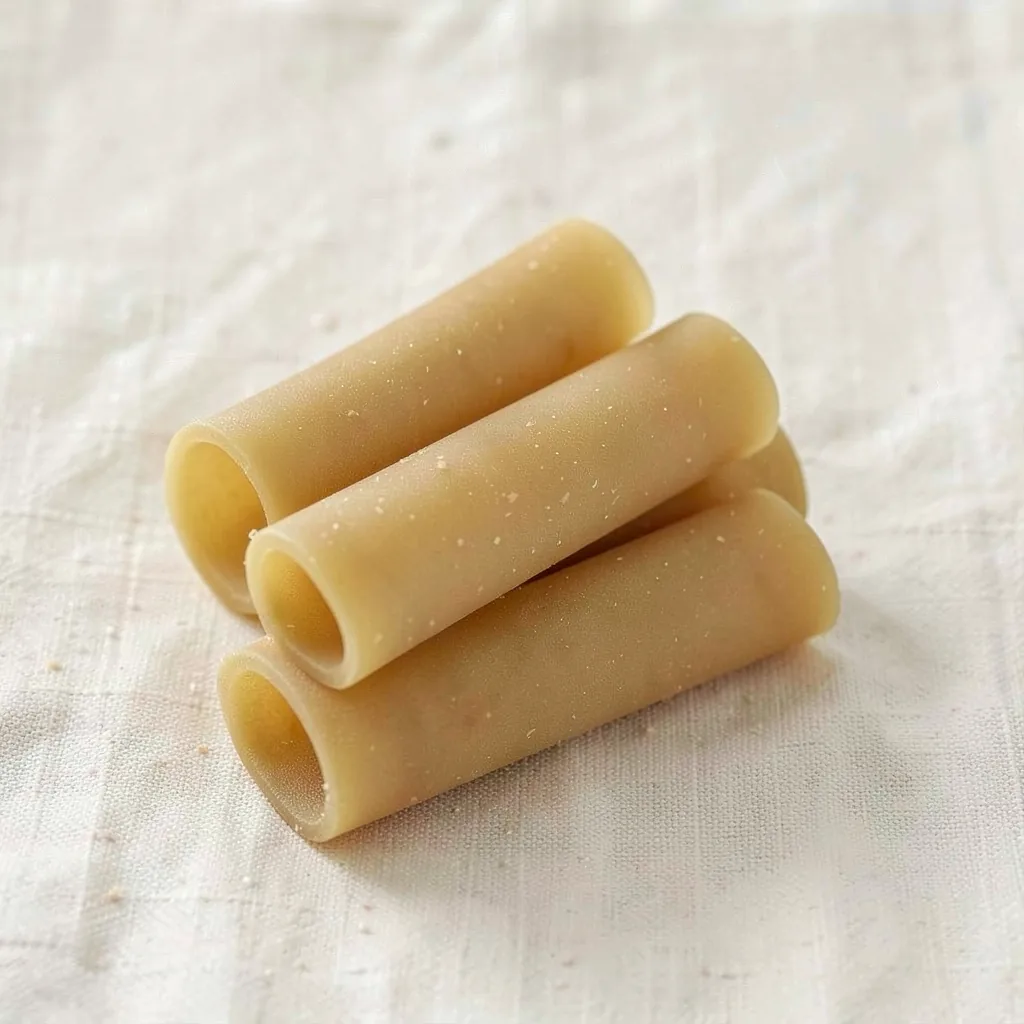
- Cannellonikan-nel-LOH-nee
- From canna, a reed or cane, with the augmentative -oni. Big reeds.
- Capellinikah-pel-LEE-nee
- From capello, hair, with the diminutive -ini. Fine hairs. Capelli d'angelo, angel hair, is the finest grade.
- Cappellaccikap-pel-LAH-chee
- Big rough hats, from cappello with the pejorative -accio. PGI protected as cappellacci di zucca ferraresi since 2016.
- Cappellettikap-pel-LET-tee
- Little hats, from cappello.
- Cappelli da chef
- Italian for chef's hats. The piece resembles a cook's tall hat.
- Capuntikah-POON-tee
- Puglian dialect, related to cavatelli. The three finger marks look like a pea pod.
- Caramellekah-rah-MEL-leh
- Sweets, for the twisted-wrapper shape.
- Casareccekah-zah-RECH-cheh
- Home-made, from casa. The shape imitates a strip of dough rolled by hand around a rod.
- Cascatellikas-kah-TEL-lee
- Little waterfalls. Invented by Dan Pashman of the Sporkful podcast with Sfoglini, released March 2021.
- Casoncellikah-zon-CHEL-lee
- Bergamasque and Brescian dialect, from casa, home-made, or from calzone.
- Castellane
- Italian for castle ladies. The coiled shell recalls the long skirts of noblewomen in a medieval castle.
- Casunziei
- A Ladin name for a filled pasta. Ladin variants include casonciei, casanzes and cajincì.
- Cavatappikah-vah-TAP-pee
- Corkscrew. Barilla's trademark for the same shape is cellentani, after the singer Adriano Celentano.
- Cavatellikah-vah-TEL-lee
- From cavare, to hollow out. Twenty-eight regional names, including cavatieddi, capunti, and cecatelli.
- Cencioni
- Italian for little rags, from cencio, a rag.
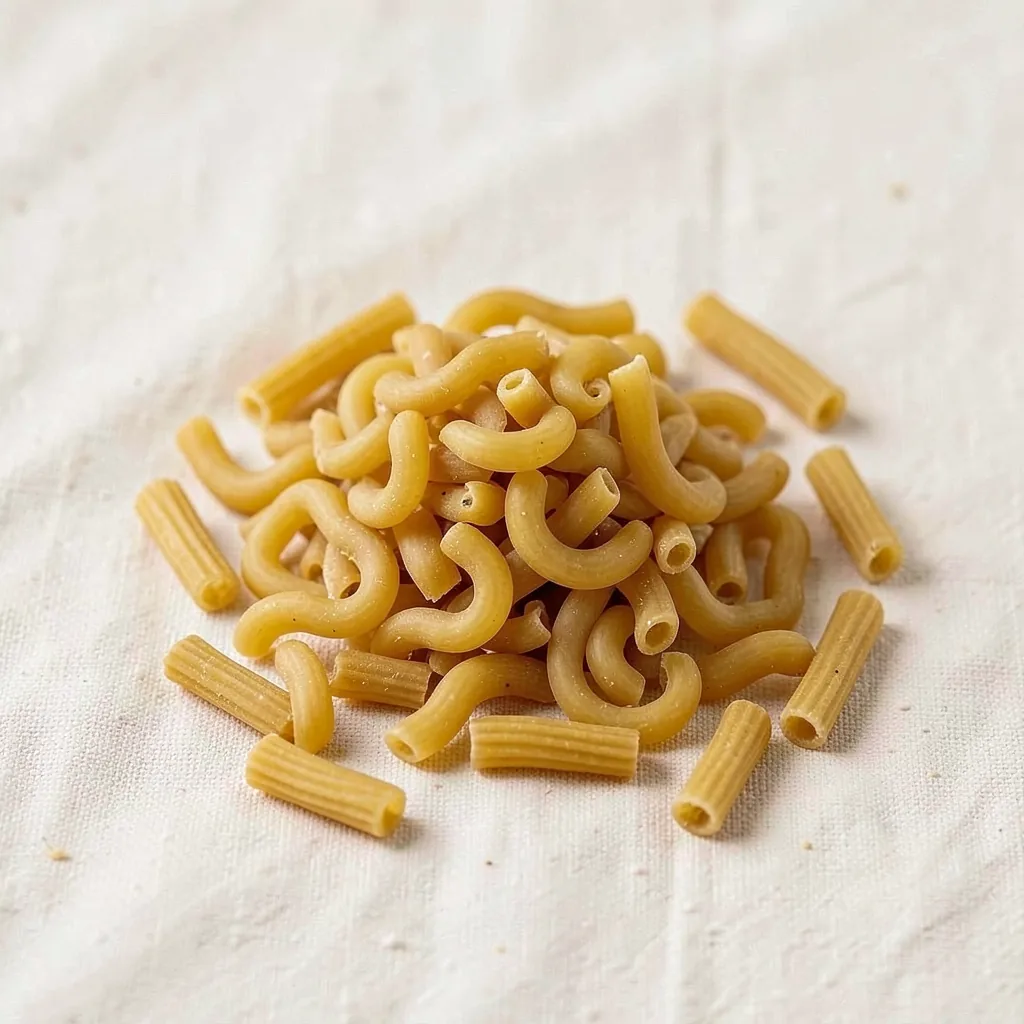
- ChifferiKEEF-feh-ree
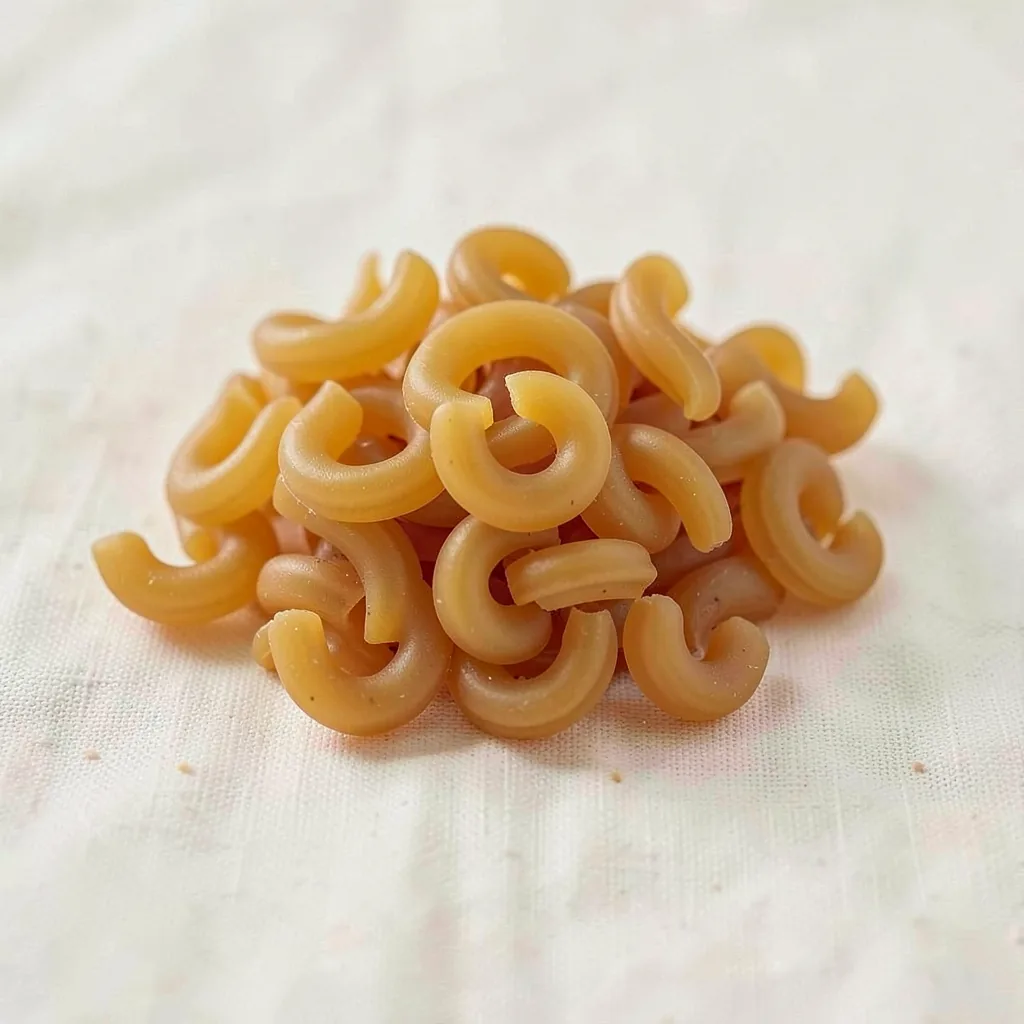
- From the Austrian Kipferl, a crescent pastry. The curved tube looks like a small croissant.
- Cjarsonschar-SONS
- Friulian, of uncertain origin. Also cjalsons.
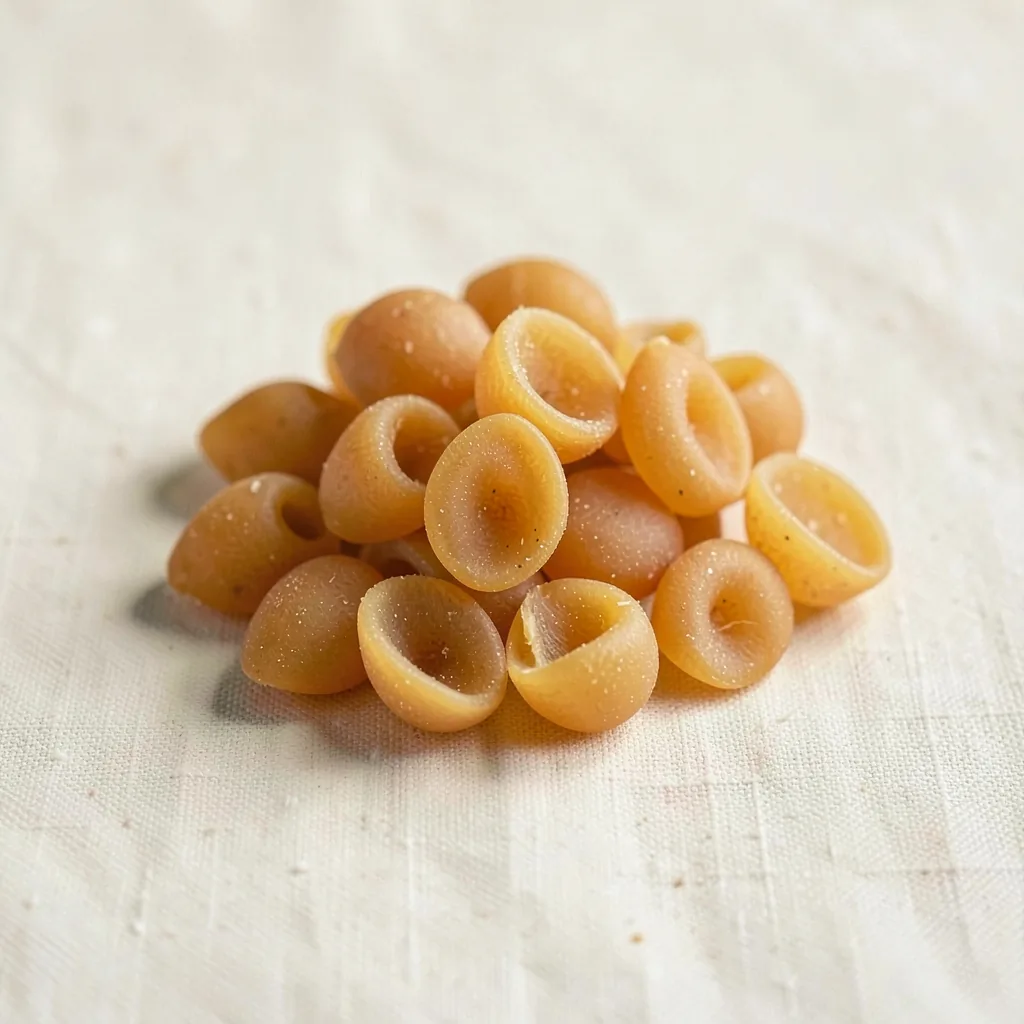
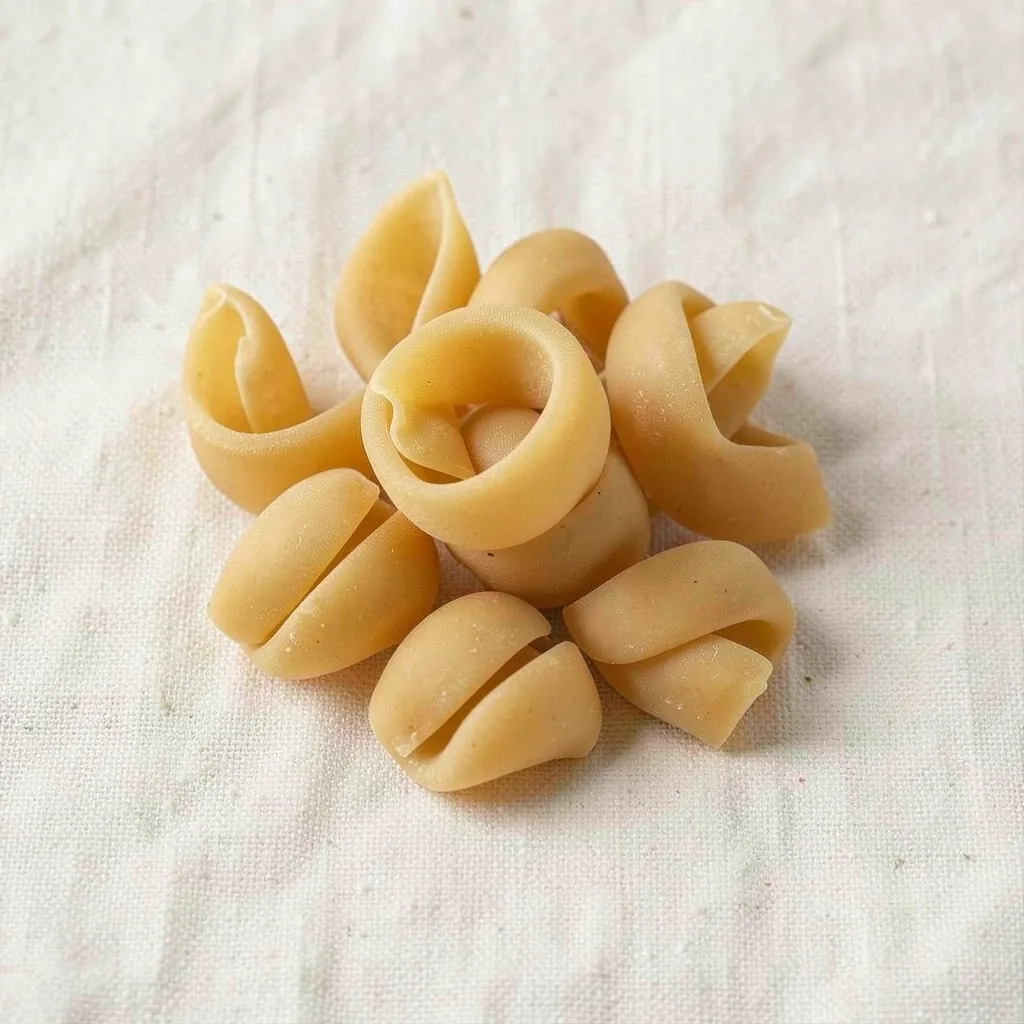
- Conchigliekon-KEE-lyeh
- Shells, from conchiglia, a seashell.
- Conchiglionikon-kee-LYOH-nee
- Conchiglie with the augmentative -oni. Big shells.
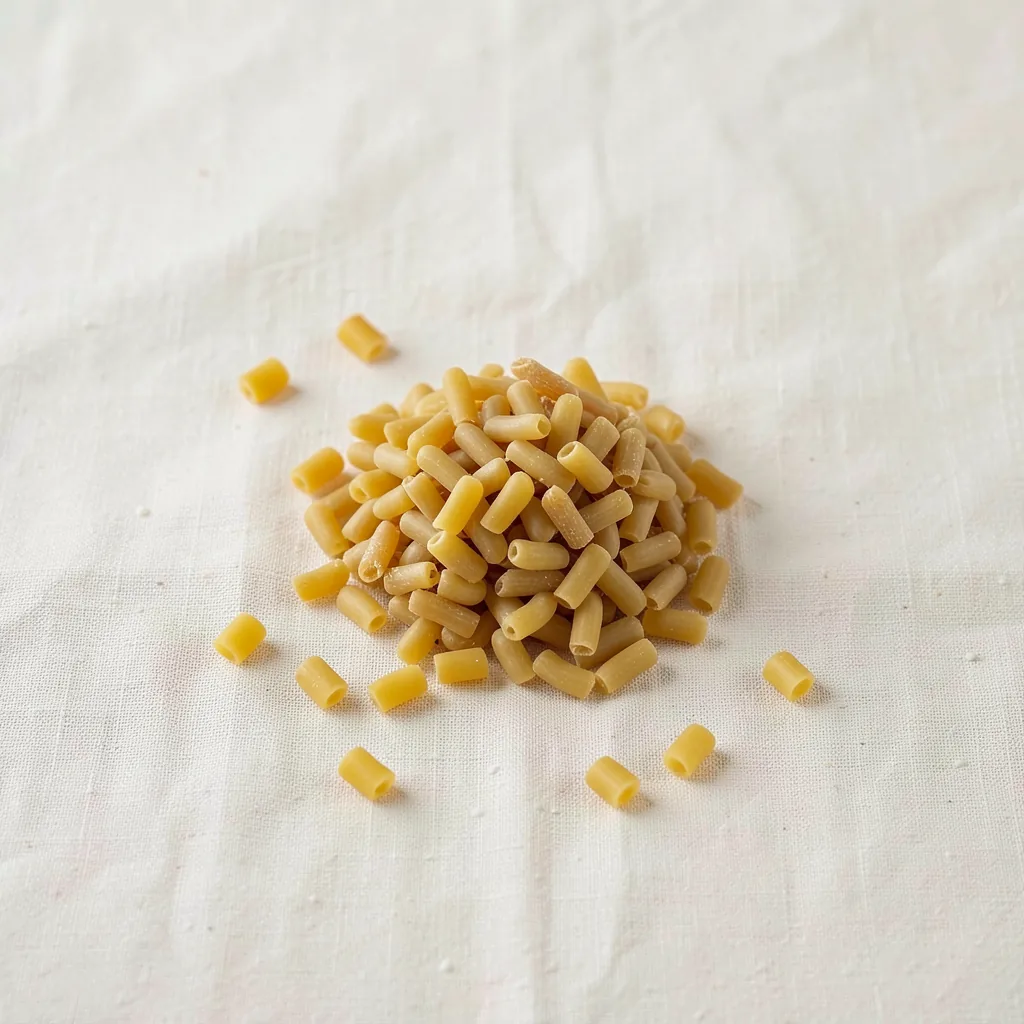
- Coralli
- Italian for corals. The short tubes look like pieces of coral or small pearls.
- Corallini
- Italian for little corals. The tiny tubes look like bits of coral.
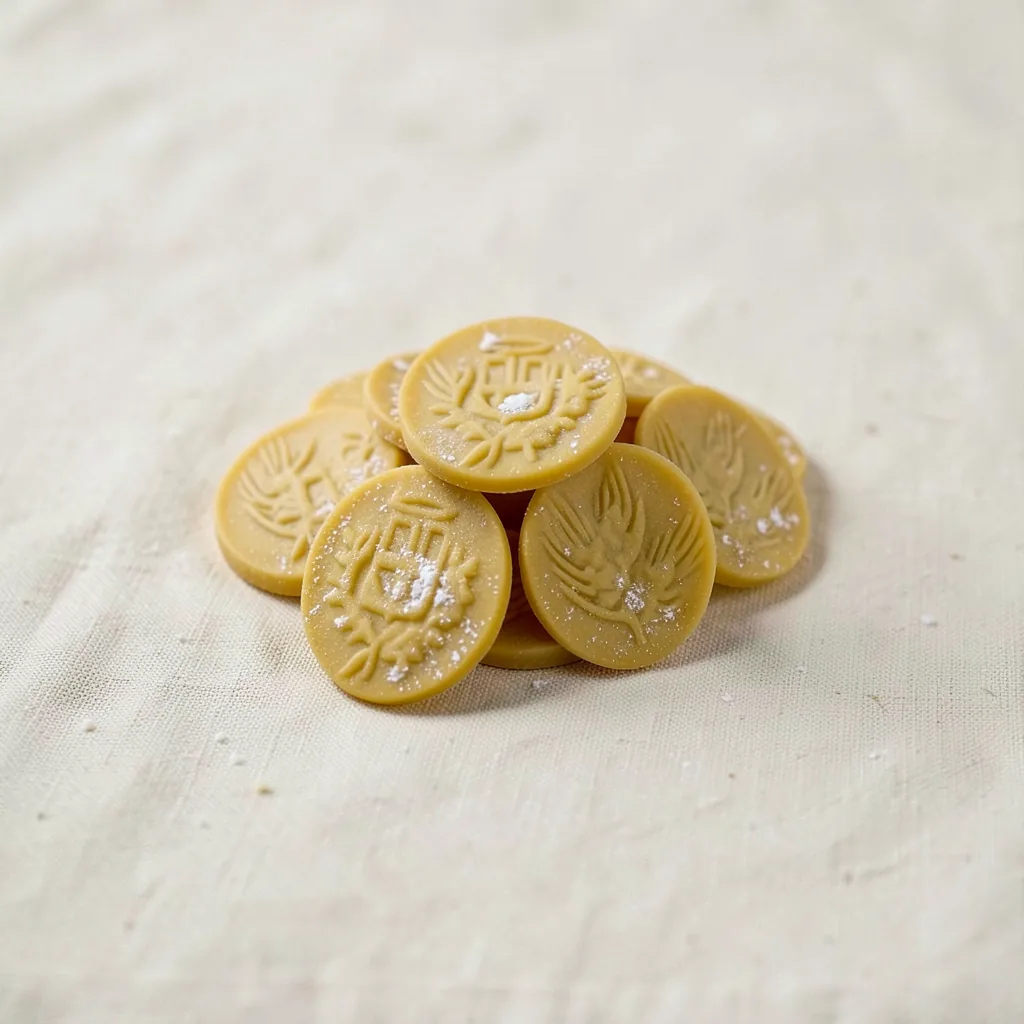
- Corzettikor-TSET-tee
- From a Genoese coin, the corzetto, which the stamped disc resembles.
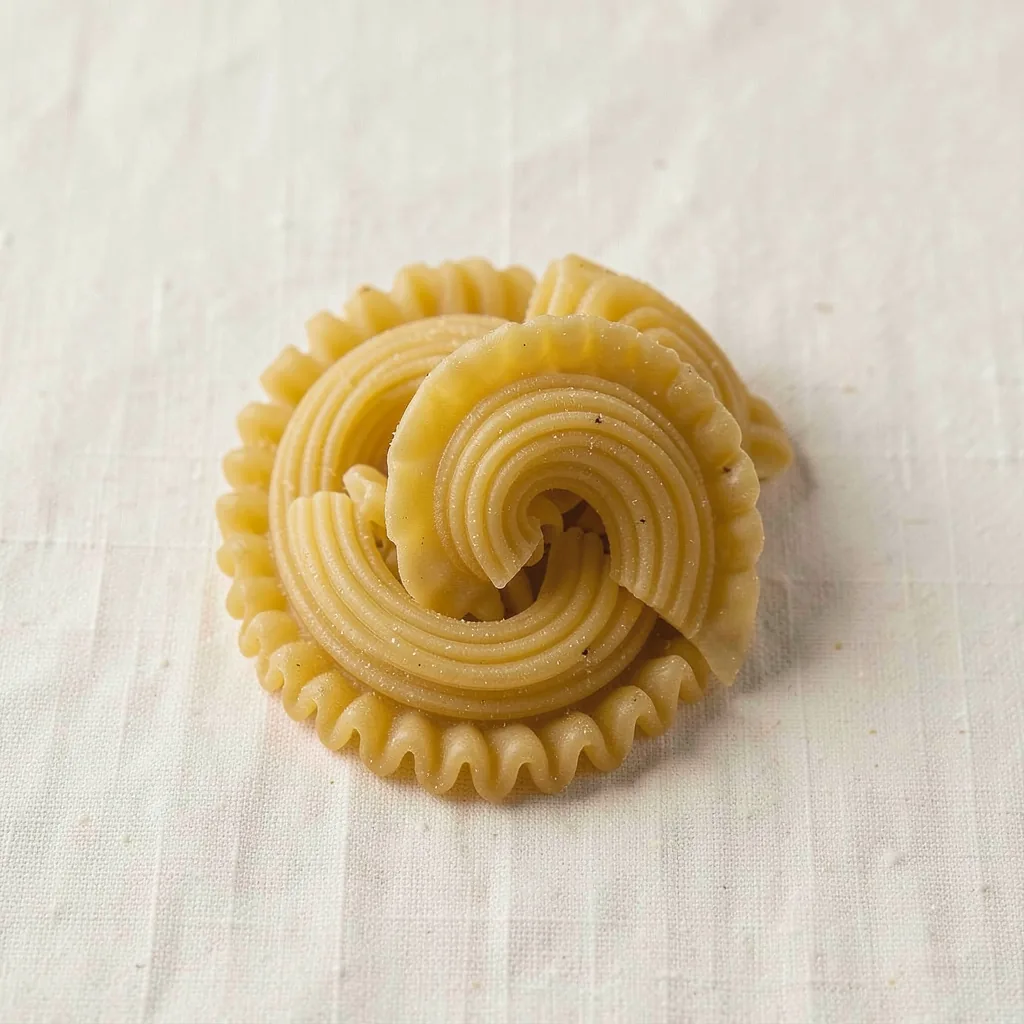
- Creste di galloKRES-teh dee GAL-loh
- Cockscombs. The ruffle along the curve looks like a rooster's crest.
- Culurgioneskoo-loor-JOH-nes
- Sardinian, of uncertain origin. PGI protected as culurgionis d'Ogliastra.
- Curzoli
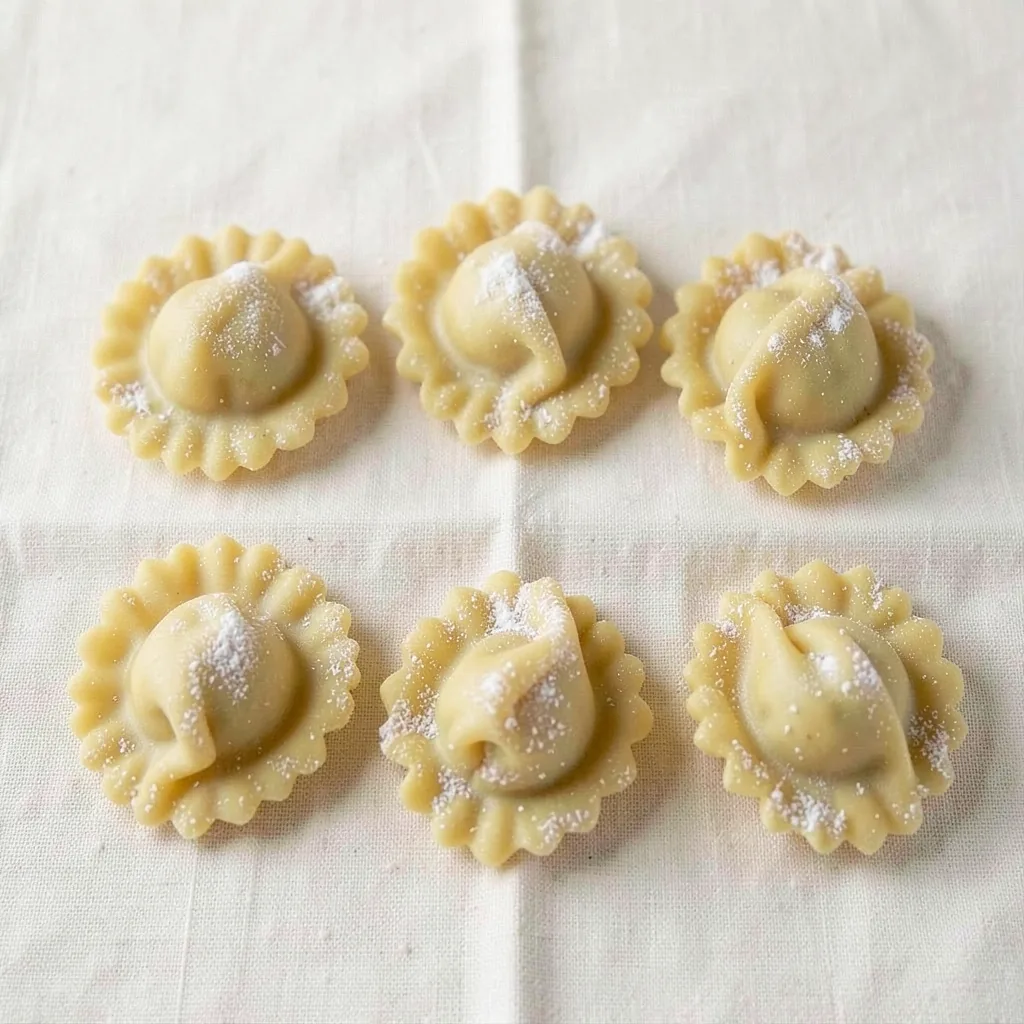
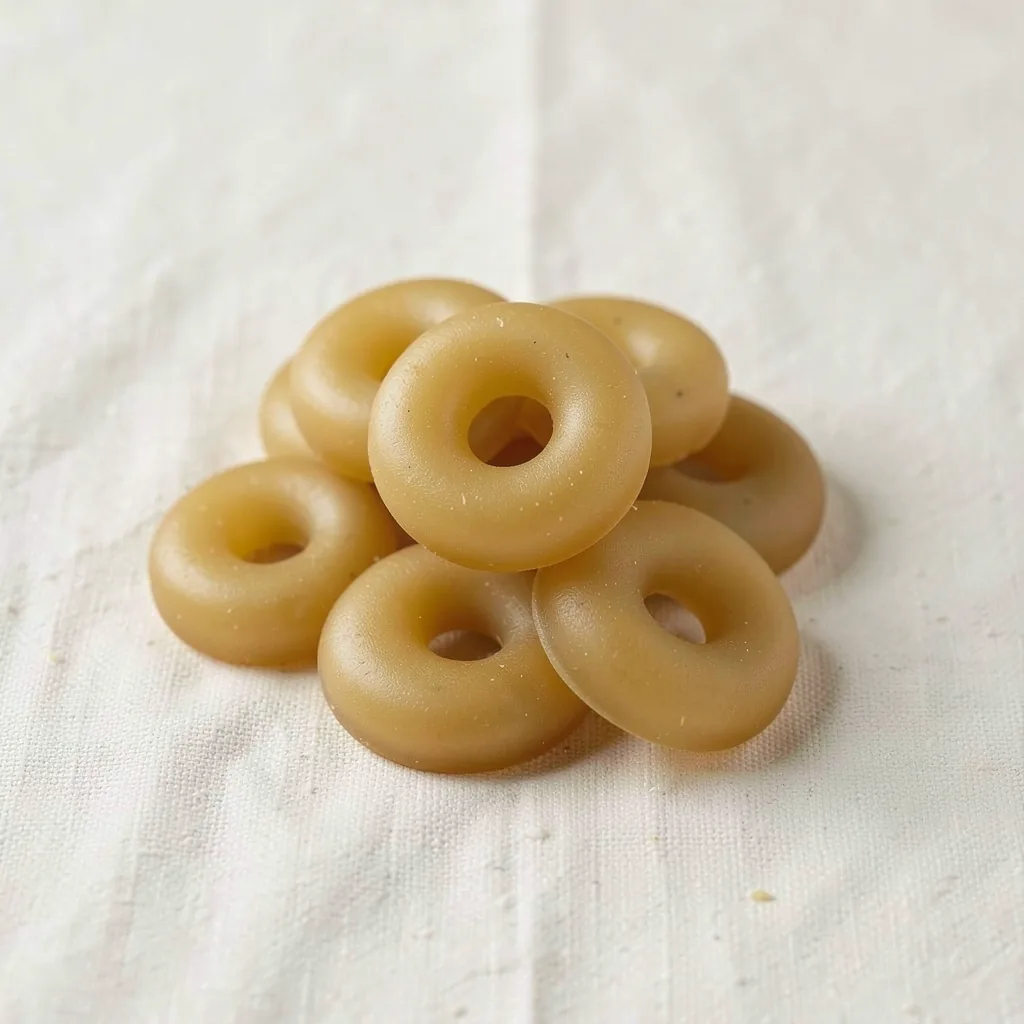
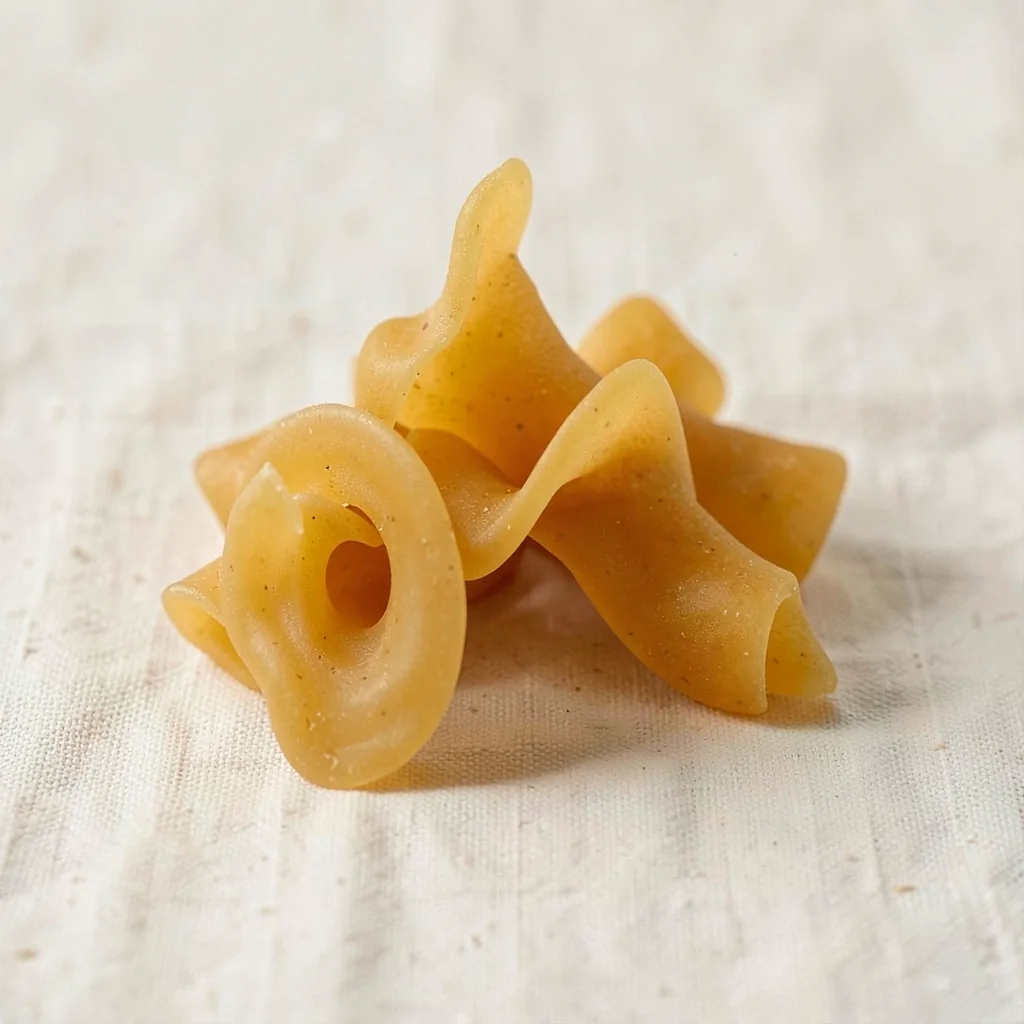
- Romagnol for shoelaces. The square strands look like the leather laces once used for shoes.
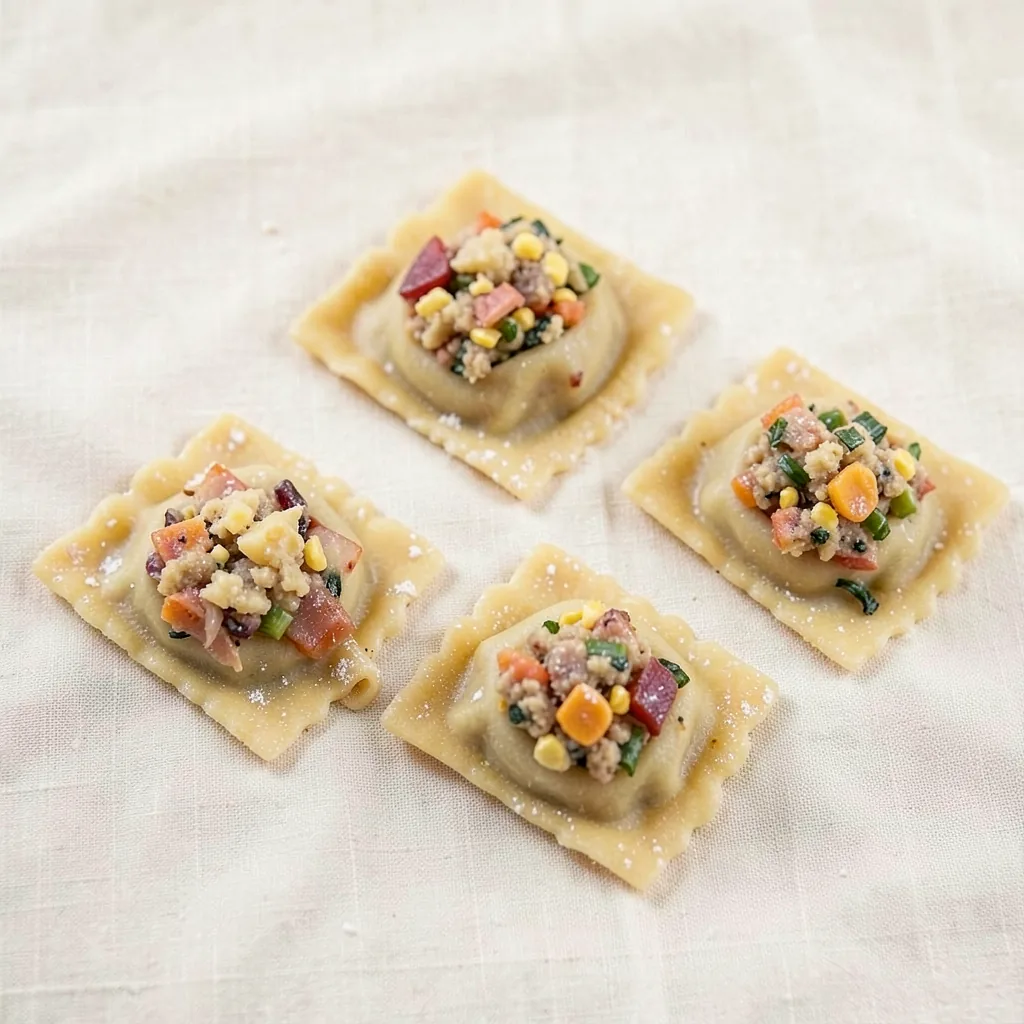
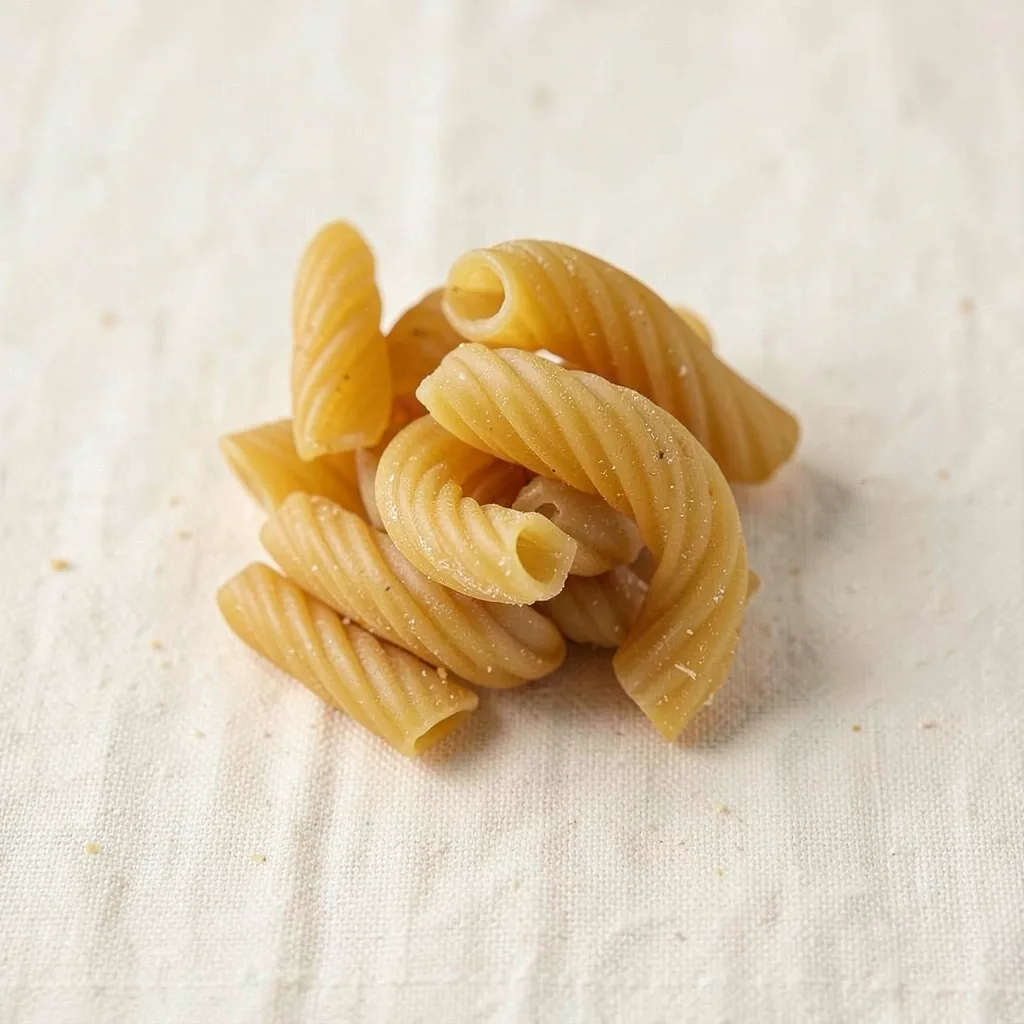
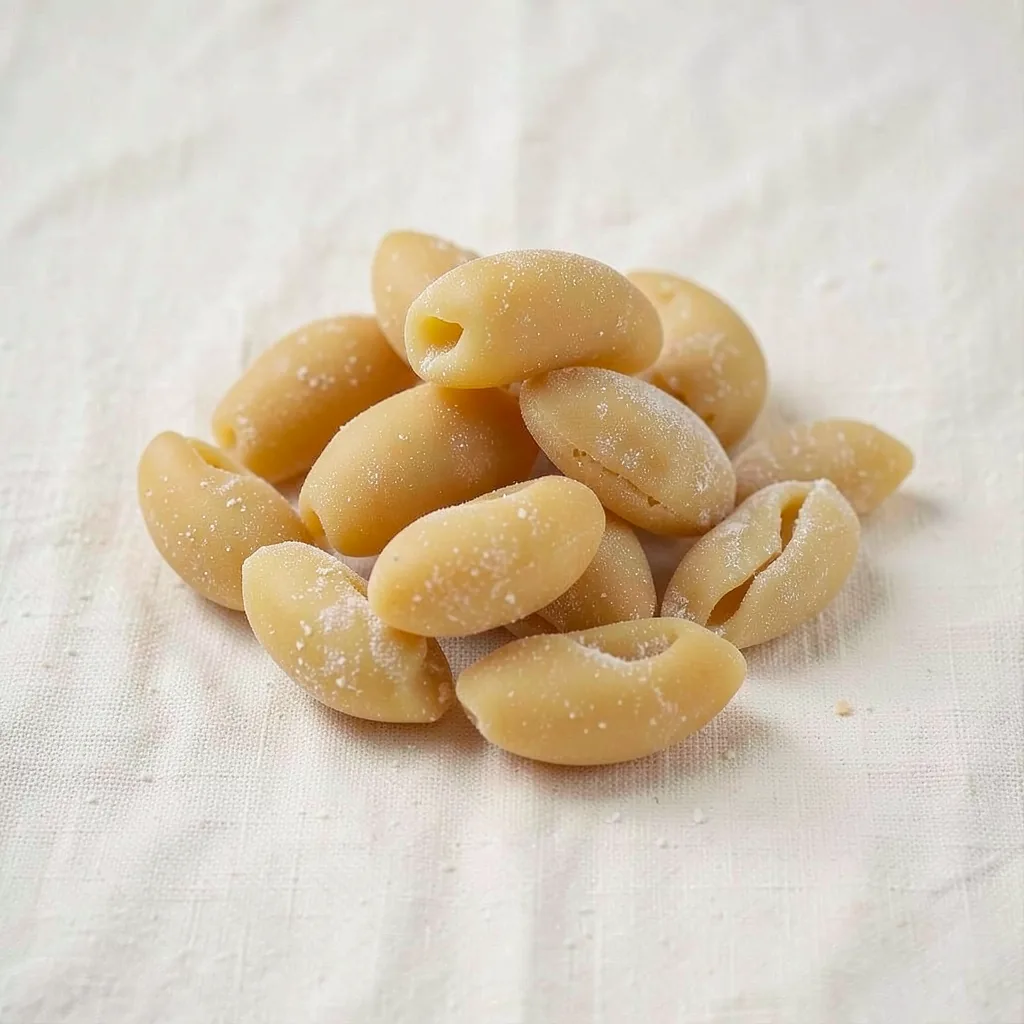
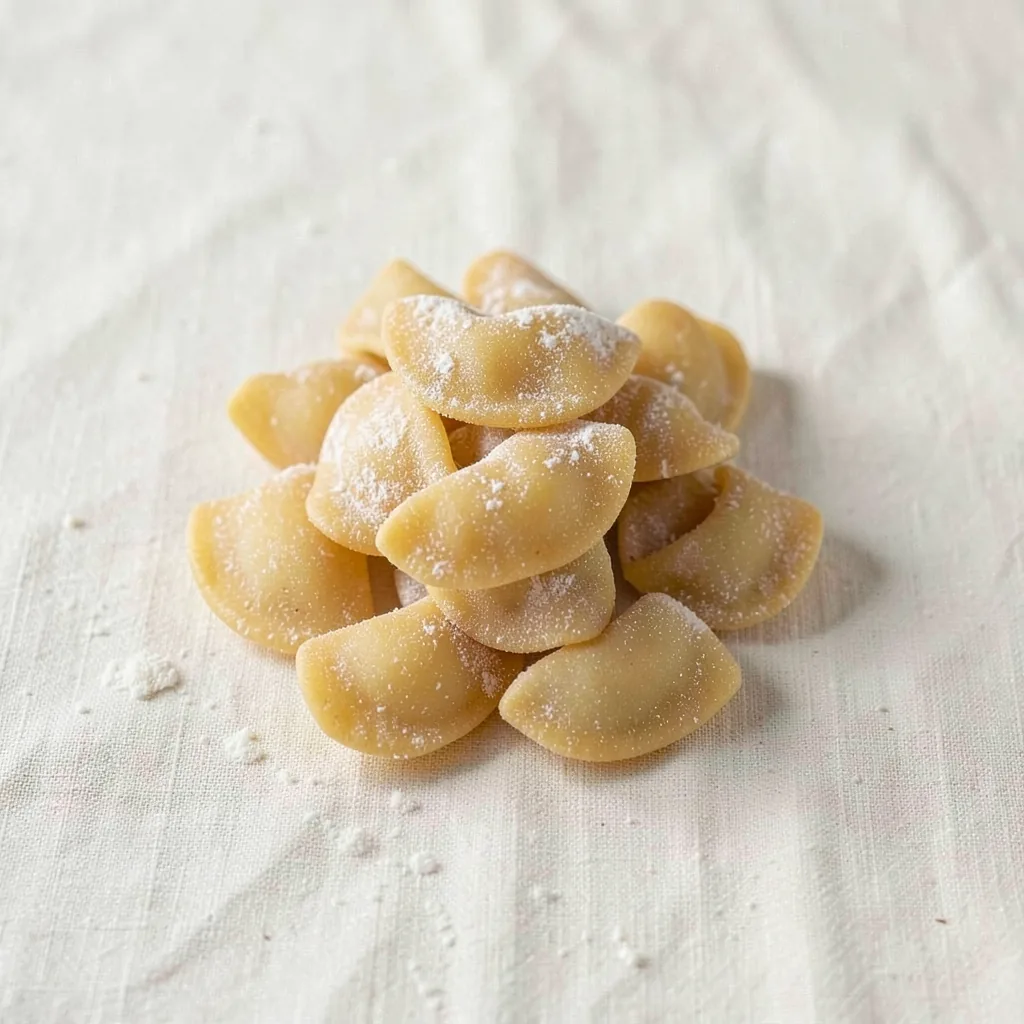
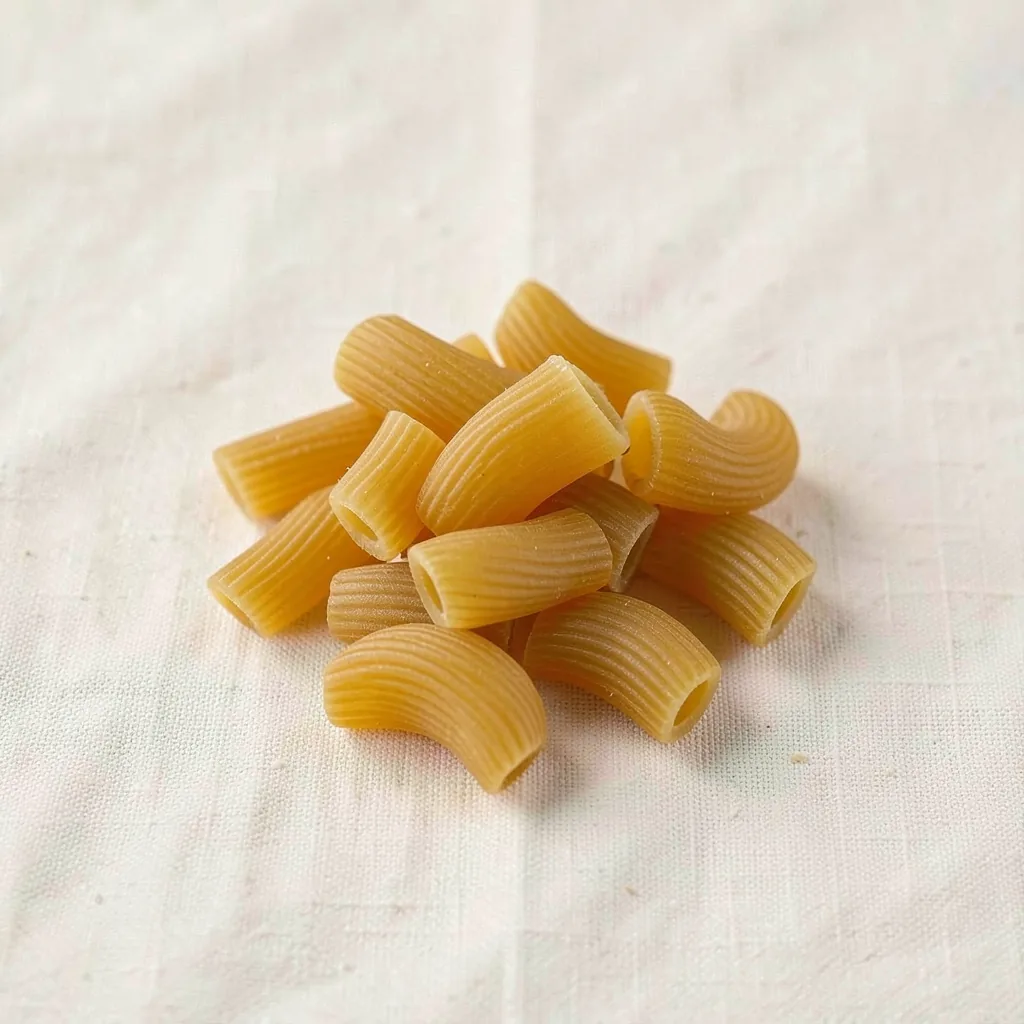
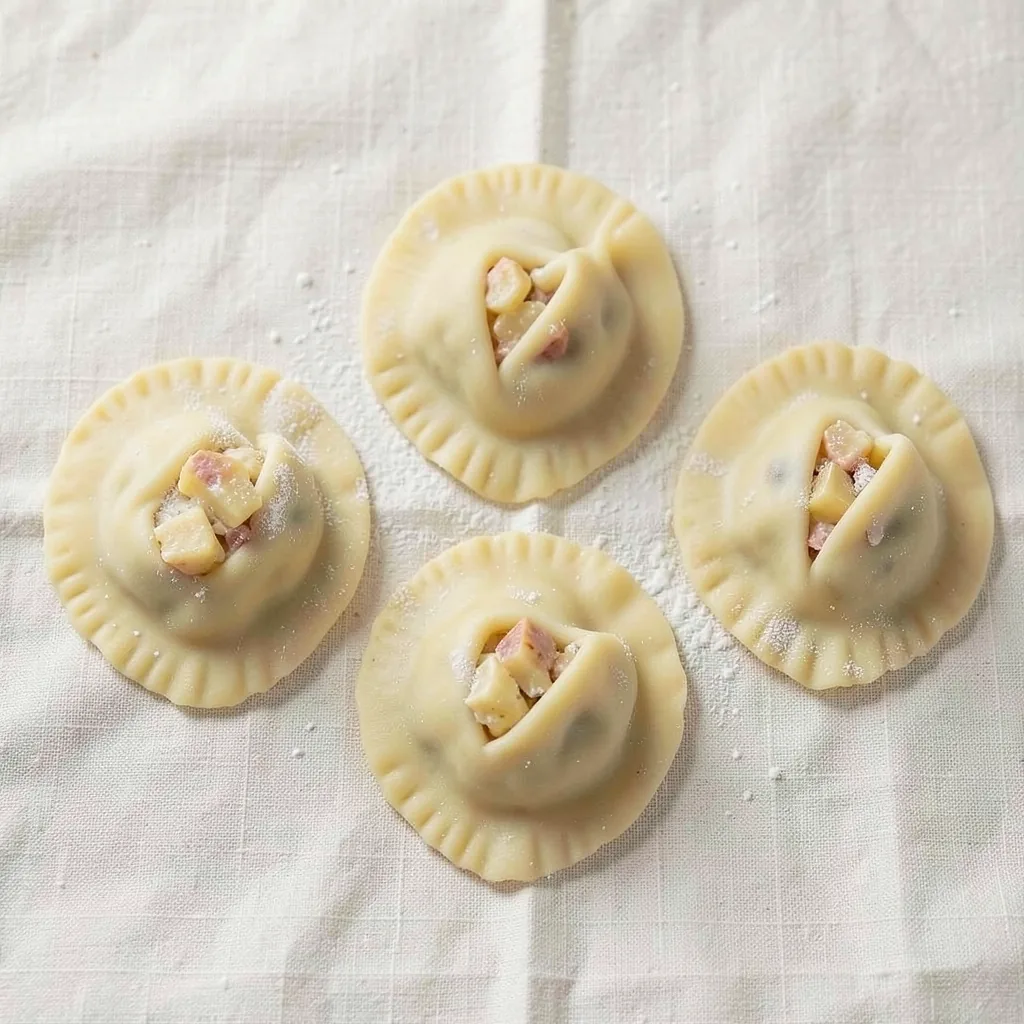
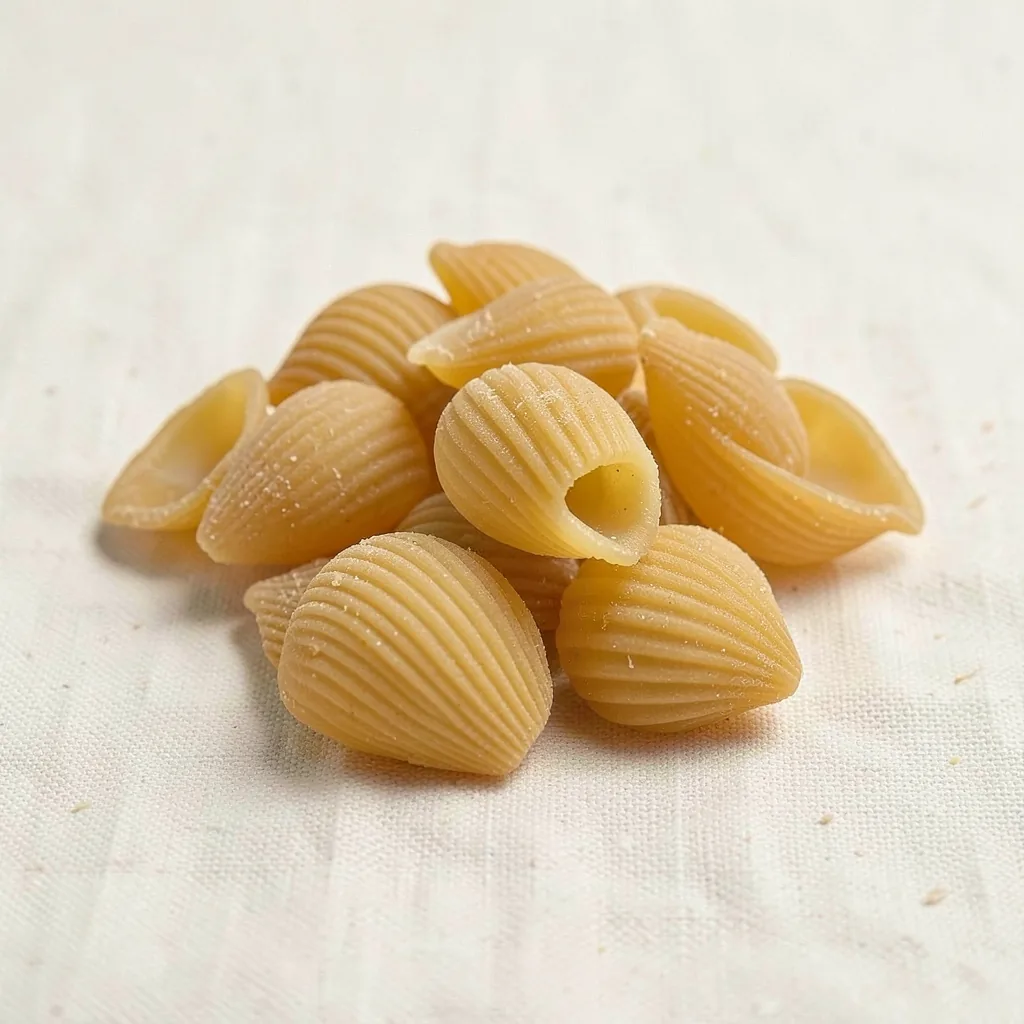
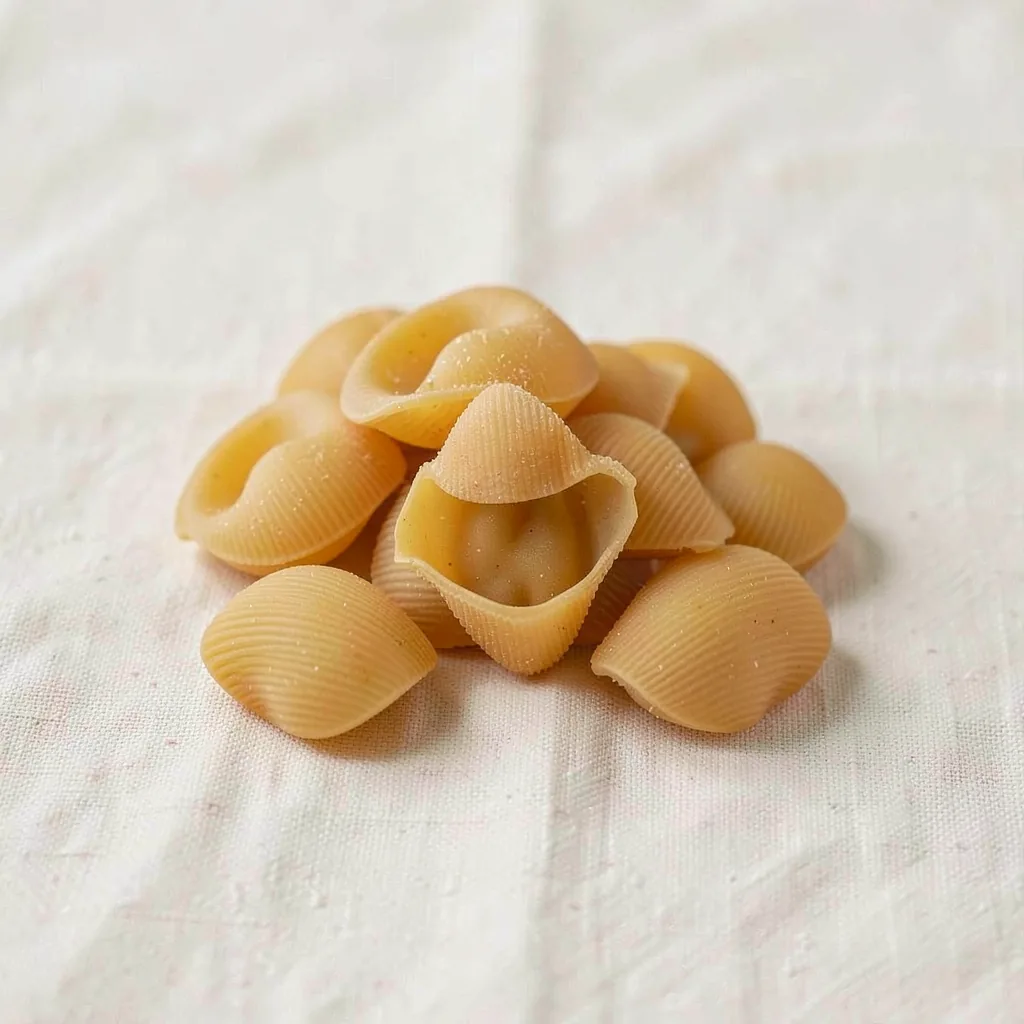
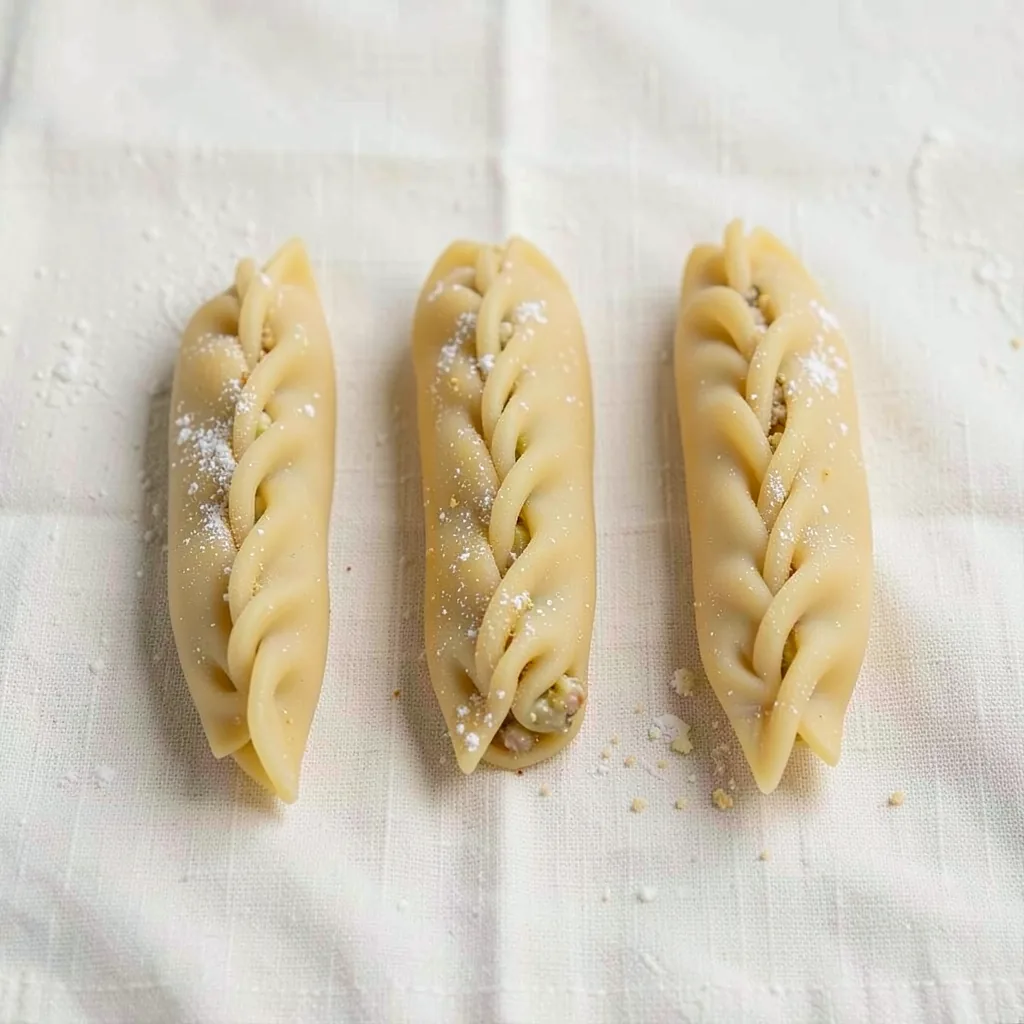
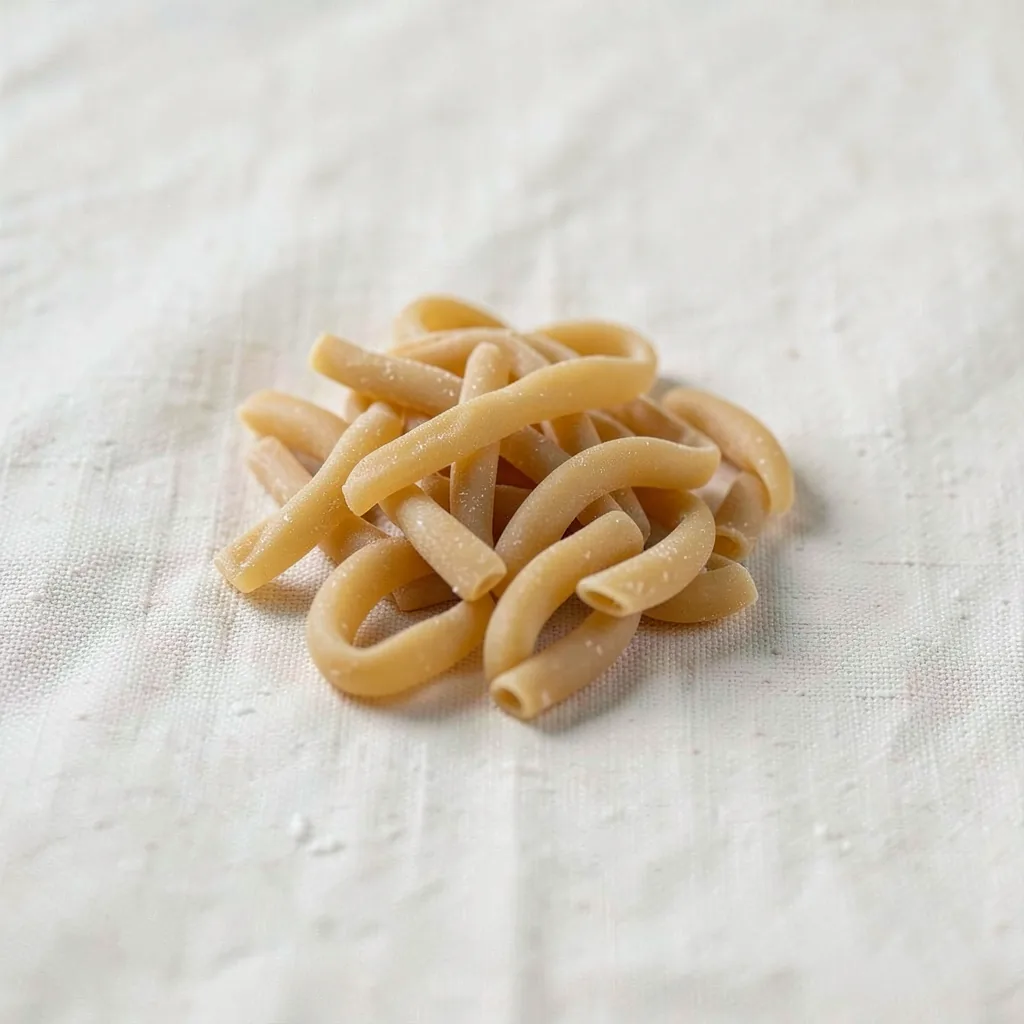
D
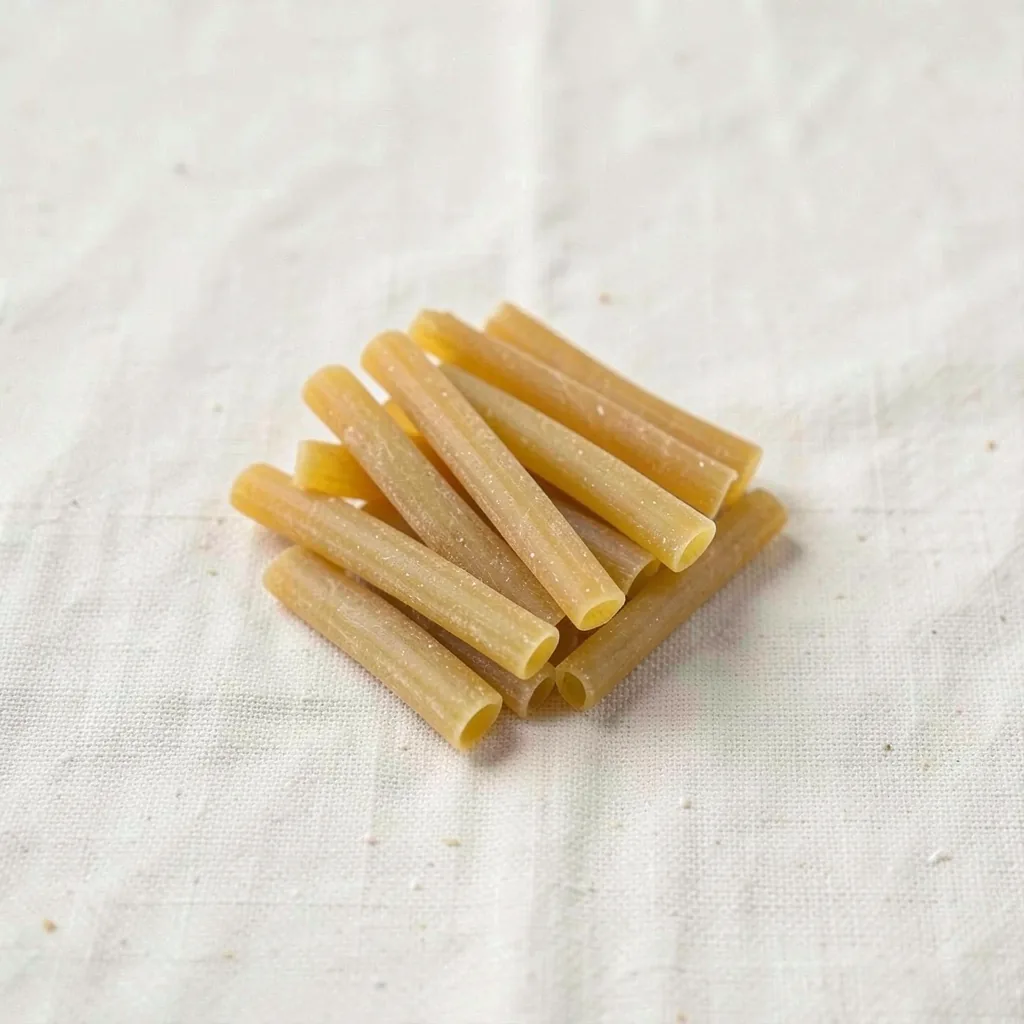
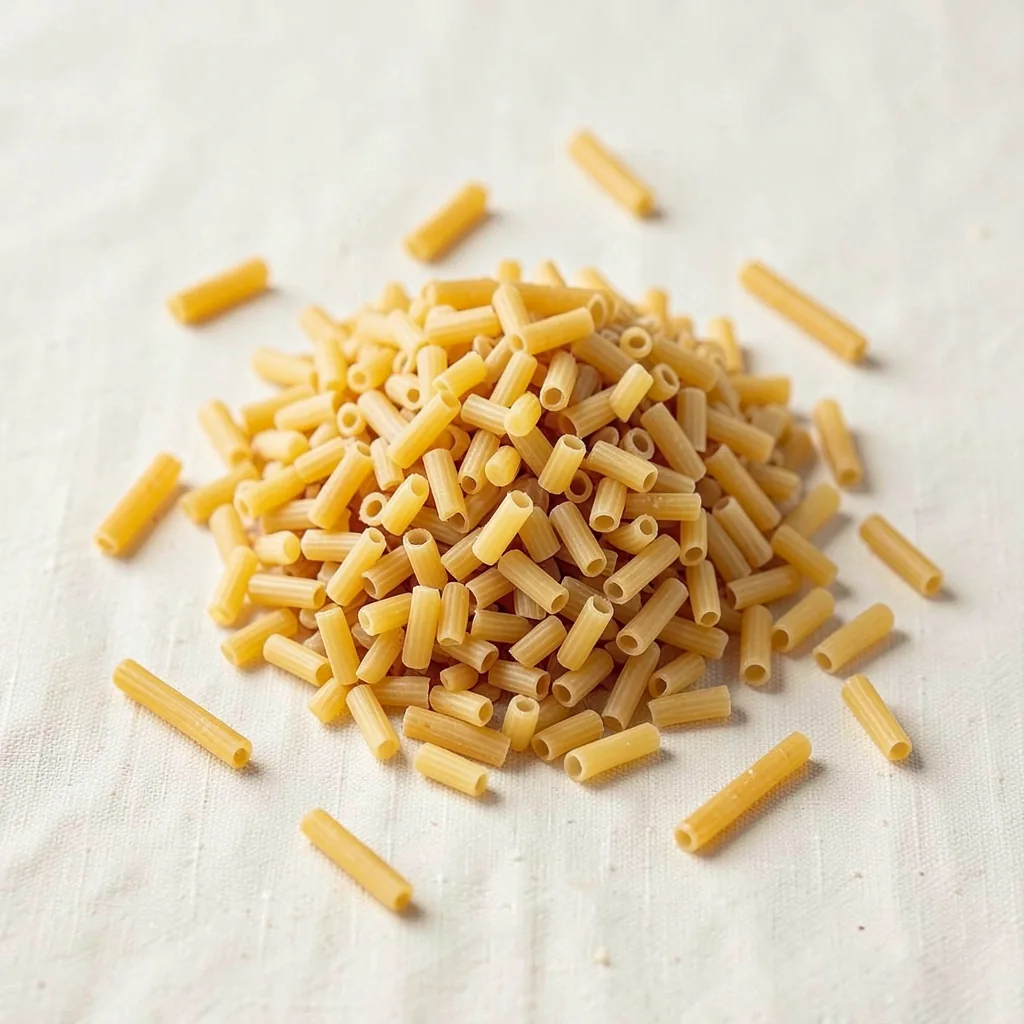
F
- Fagioloni
- Fagioloni means large beans. The short tube looks like a bean pod.
- Fagottini
- Little bundles. From fagotto, a bundle, which traces back to the old French fagot, a bundle of sticks.
- Fainelle
- Fainella is the Foggia dialect word for a carob pod. The pasta is shaped like one.
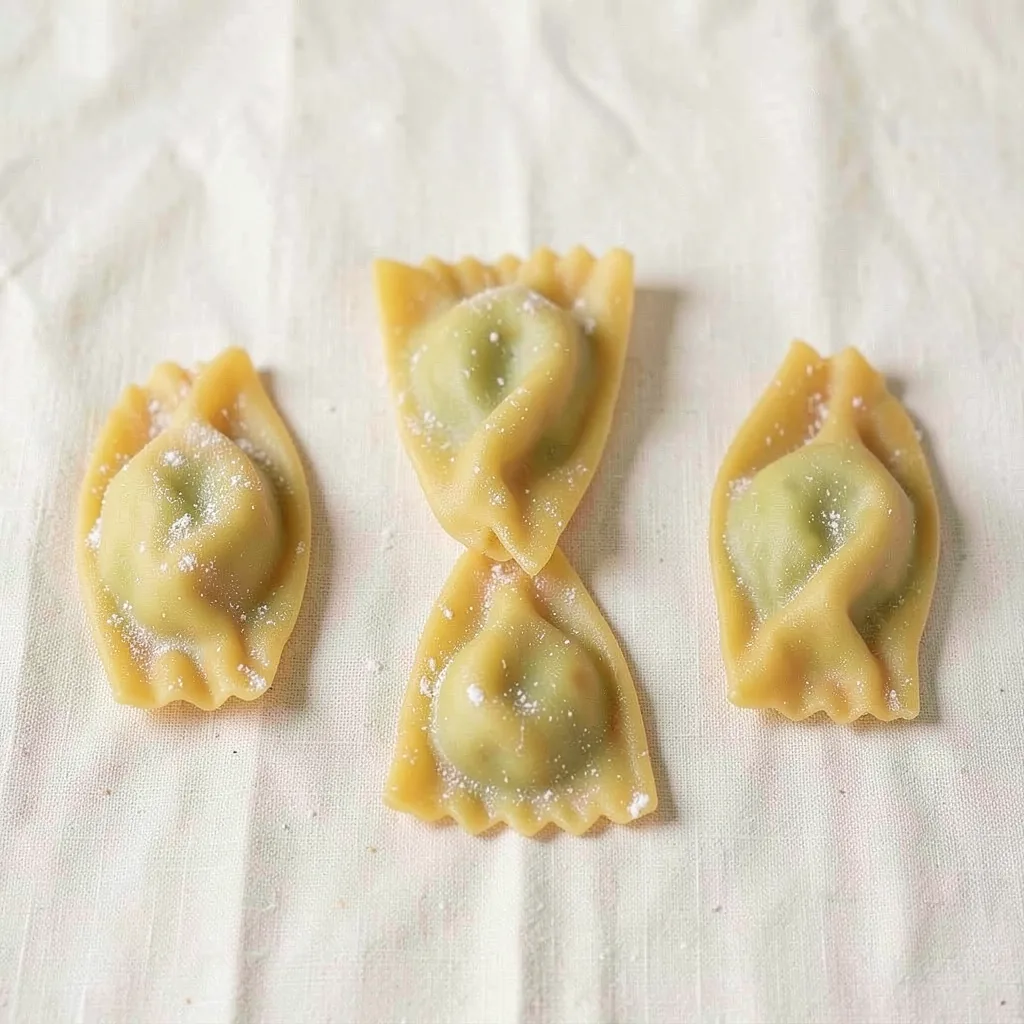
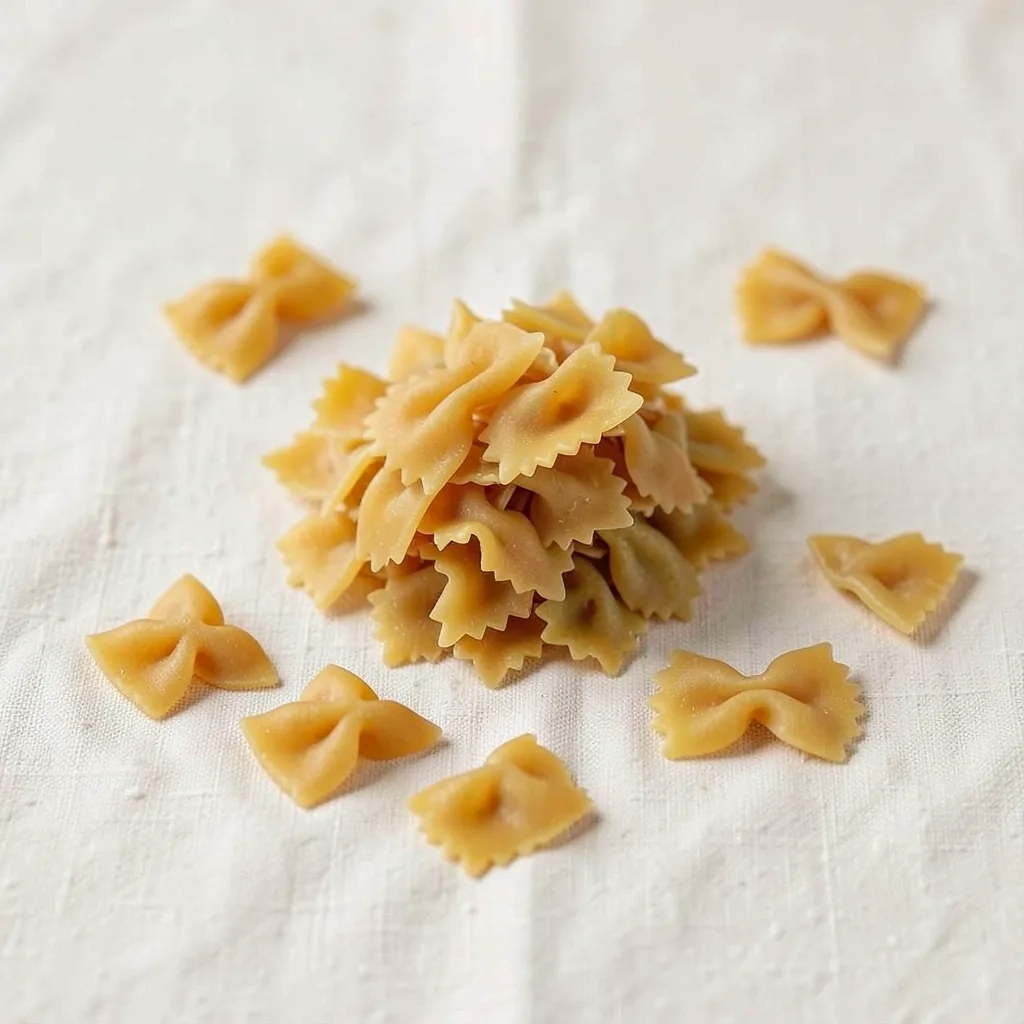
- Farfallefar-FAL-leh
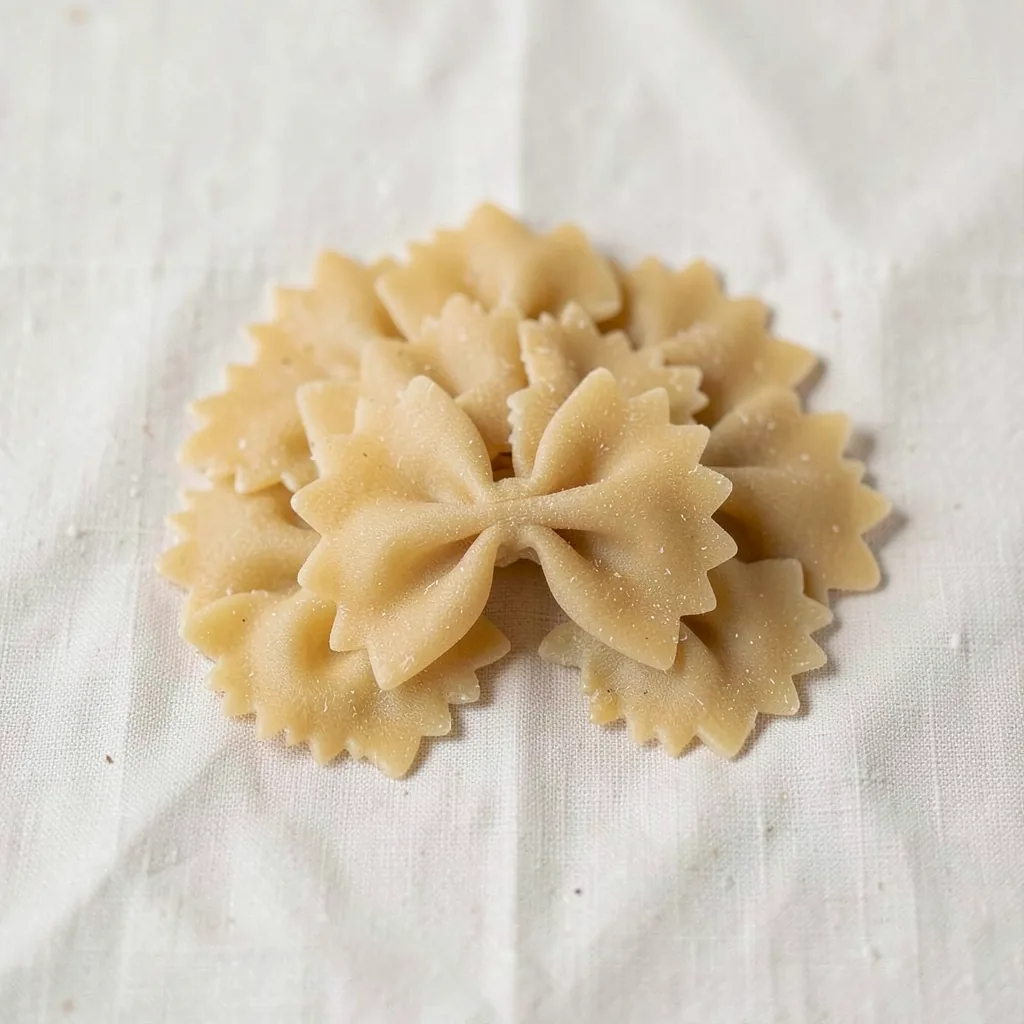
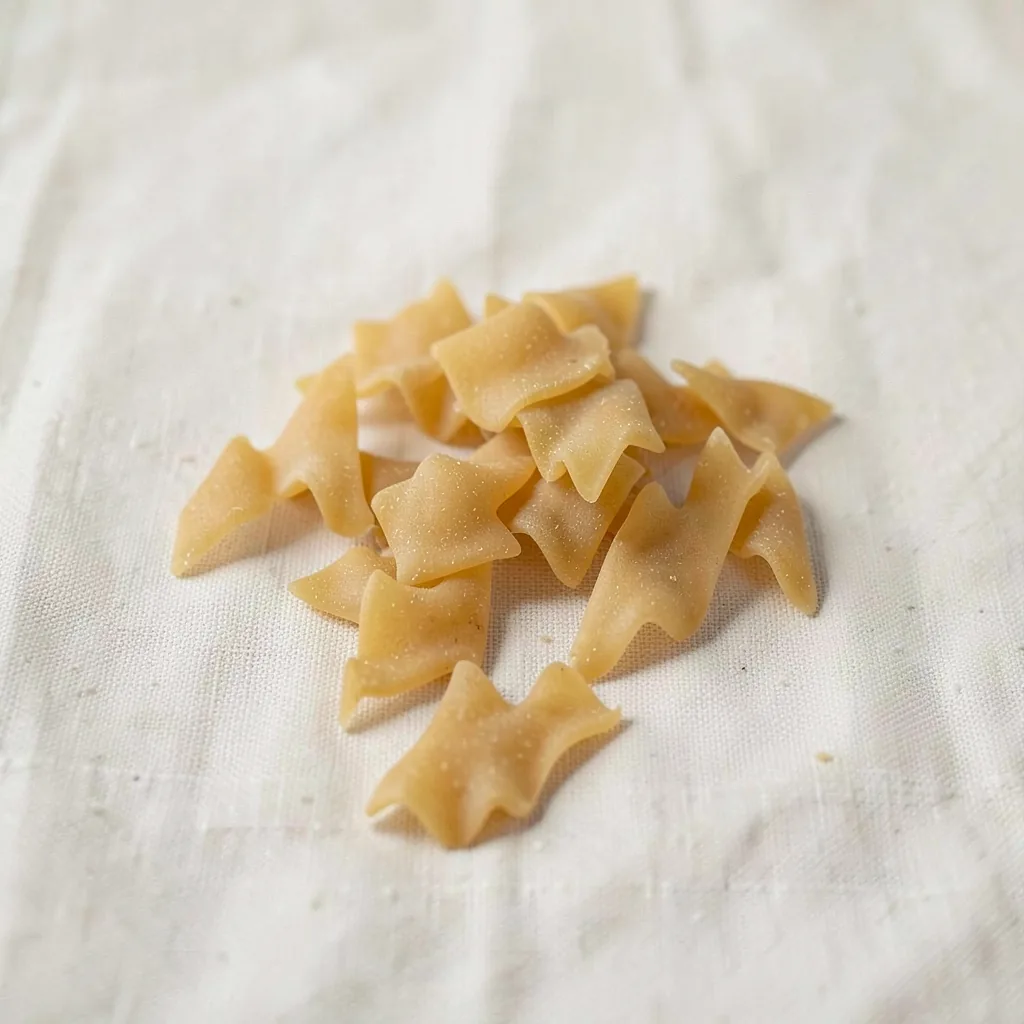
- Butterflies. Bow ties in English.
- Farfallinefar-fal-LEE-neh
- Little butterflies.
- Fazzolettifat-tsoh-LET-tee
- Handkerchiefs. Mandilli de sea, silk handkerchiefs, in Genoese.
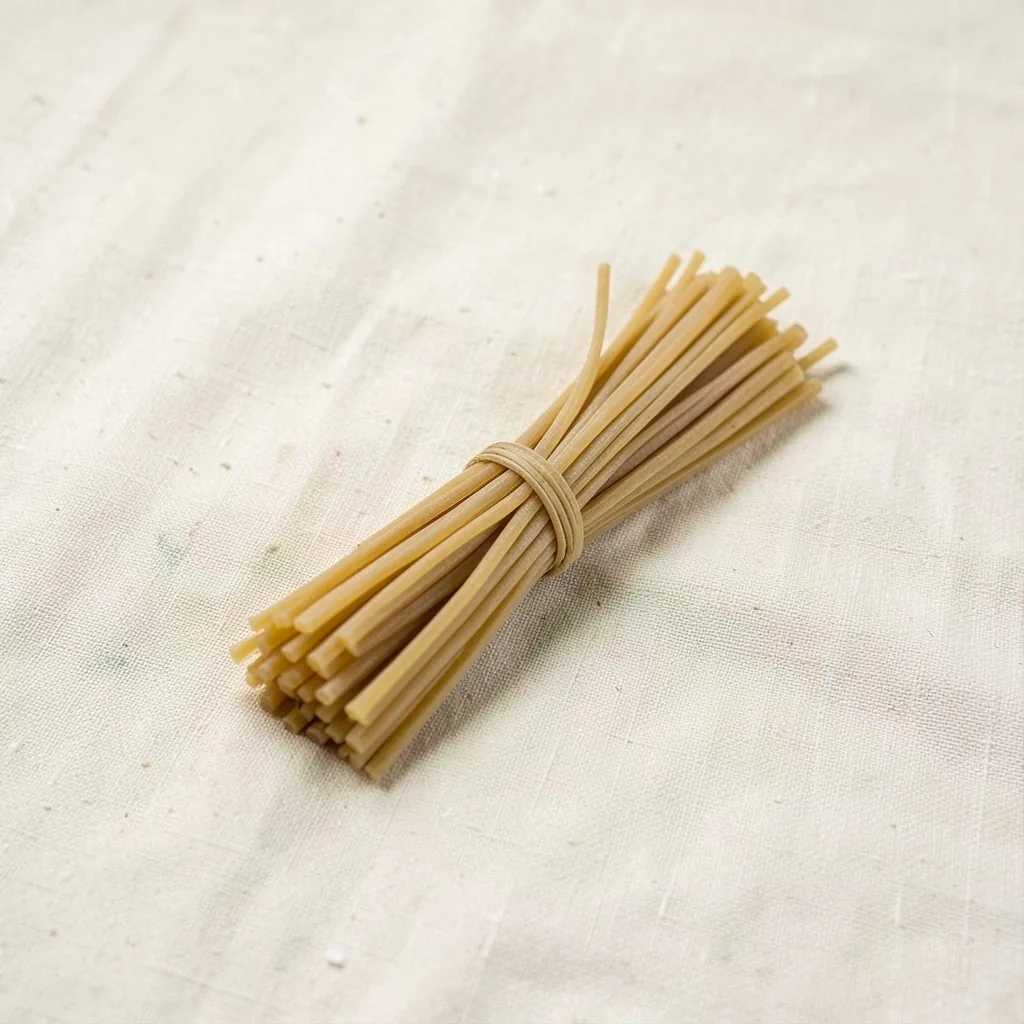
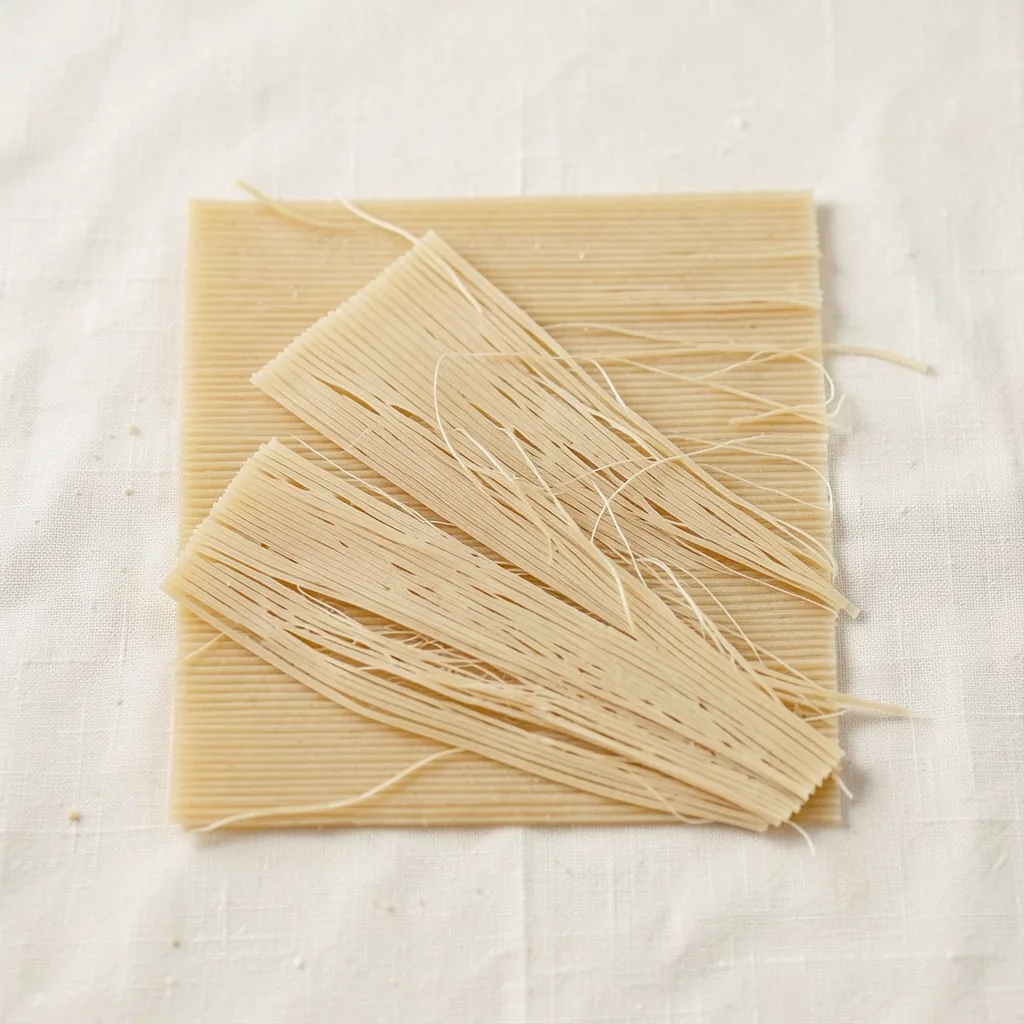
- Fedelinifed-eh-LEE-nee
- From fedele, faithful. The medieval word fidelli named a thin strand in Genoa and Sicily.
- Festoni
- Festone means a festoon, a garland hung in loops for a celebration. The scalloped edges recall one.
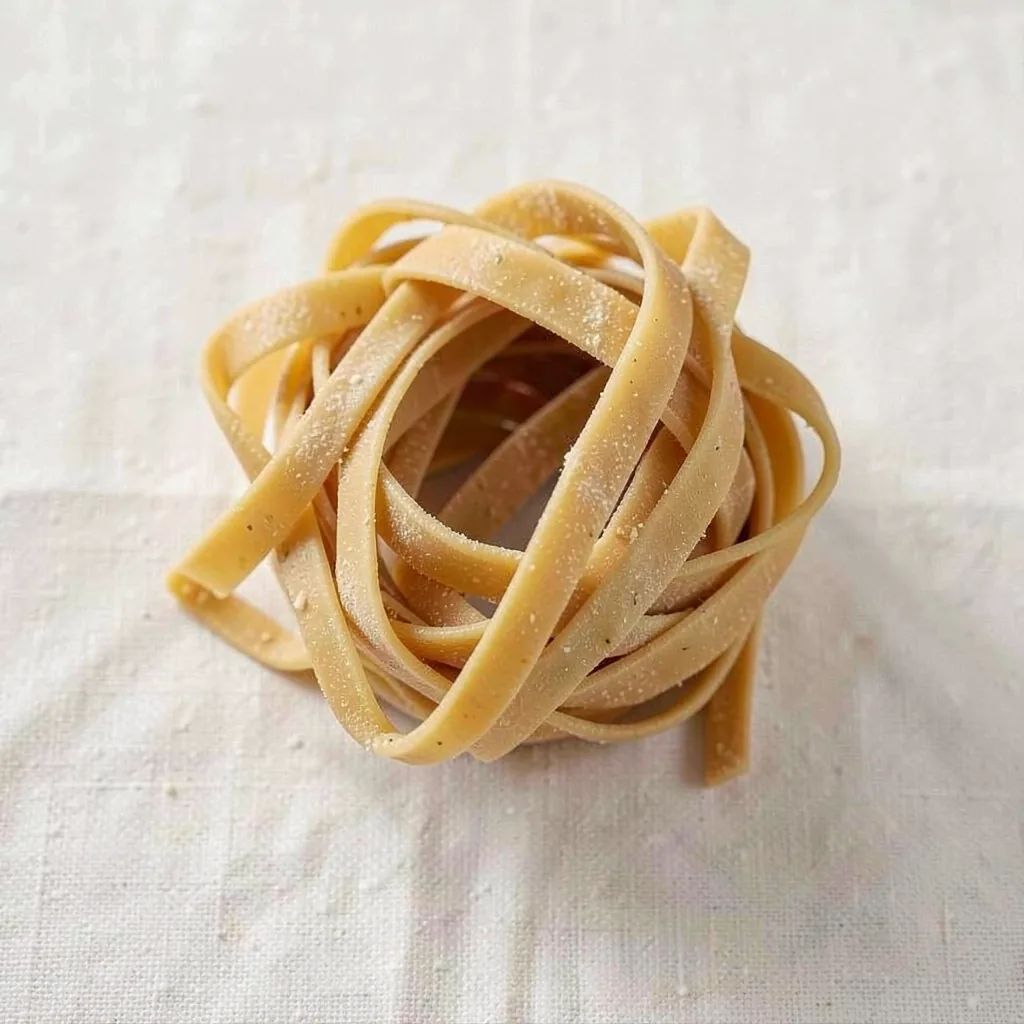
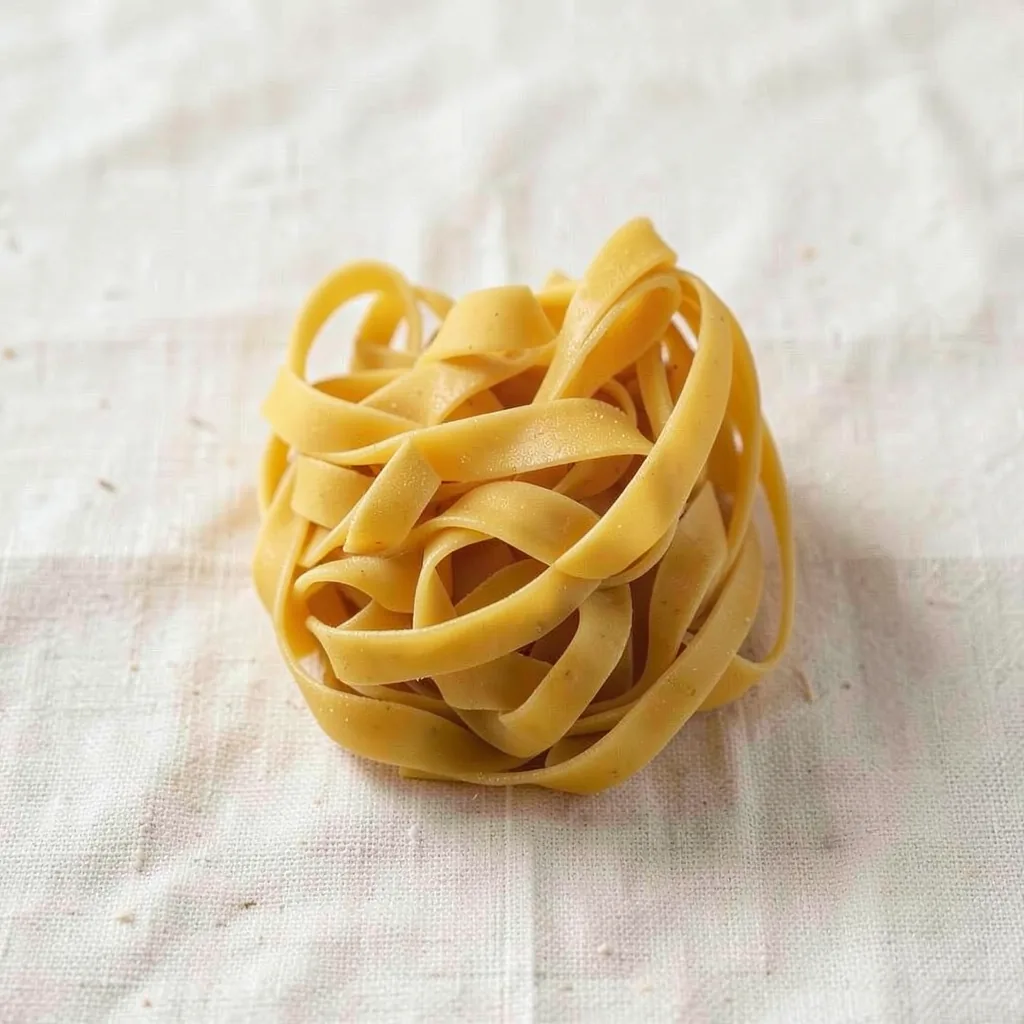
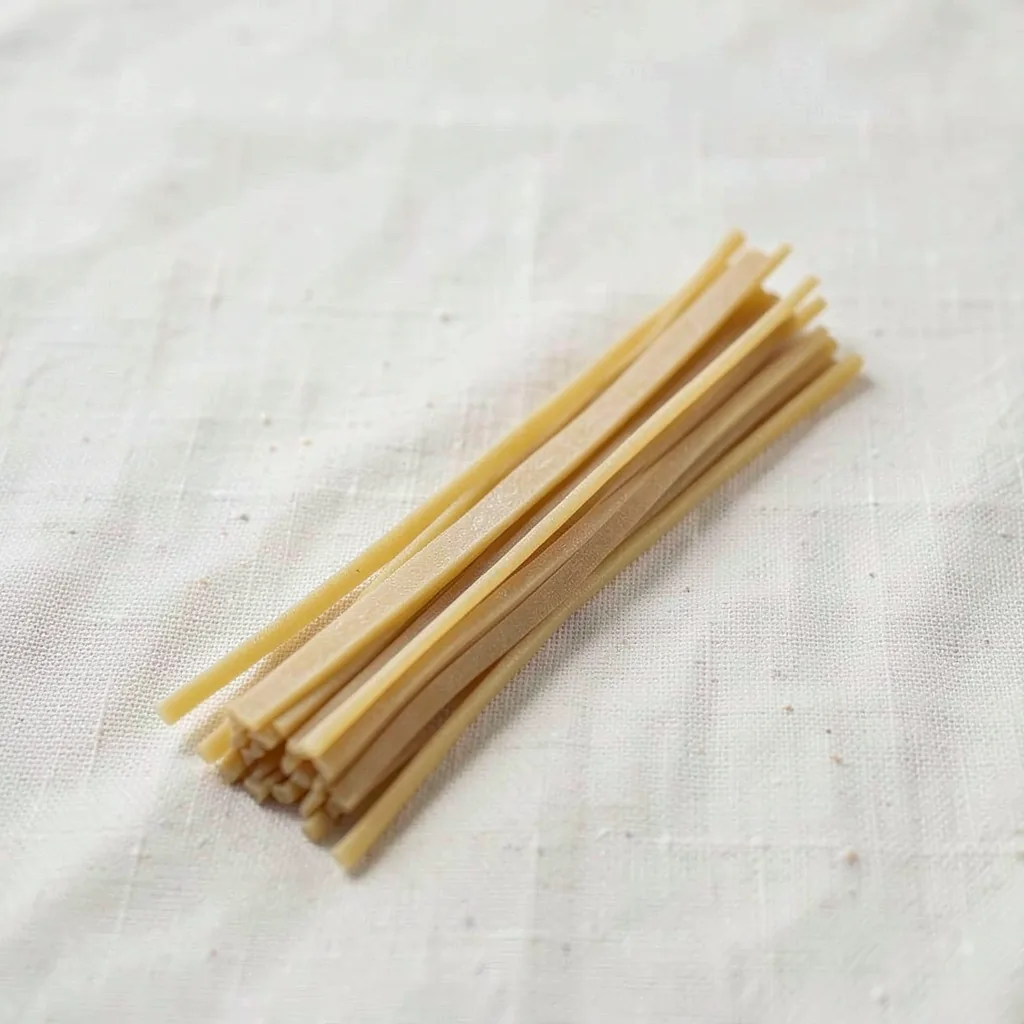
- Fettuccinefet-too-CHEE-neh
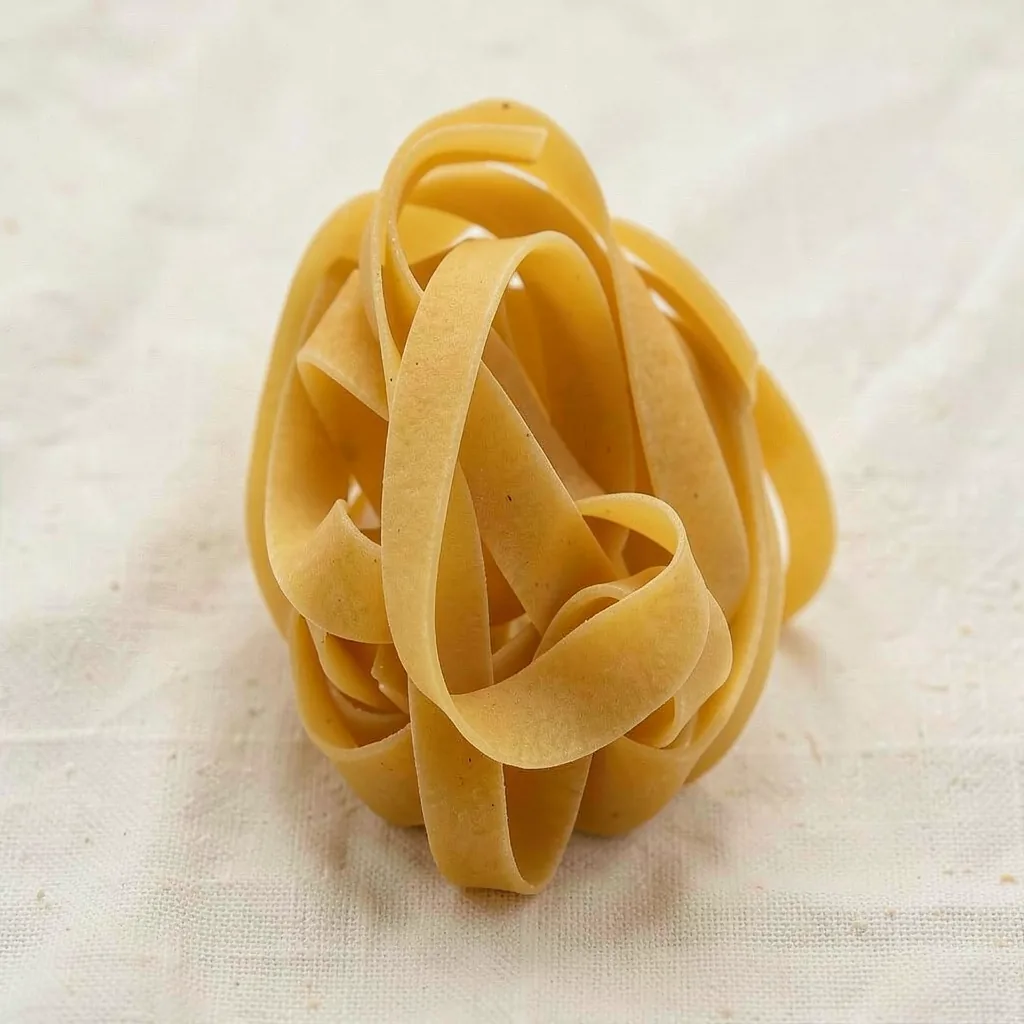
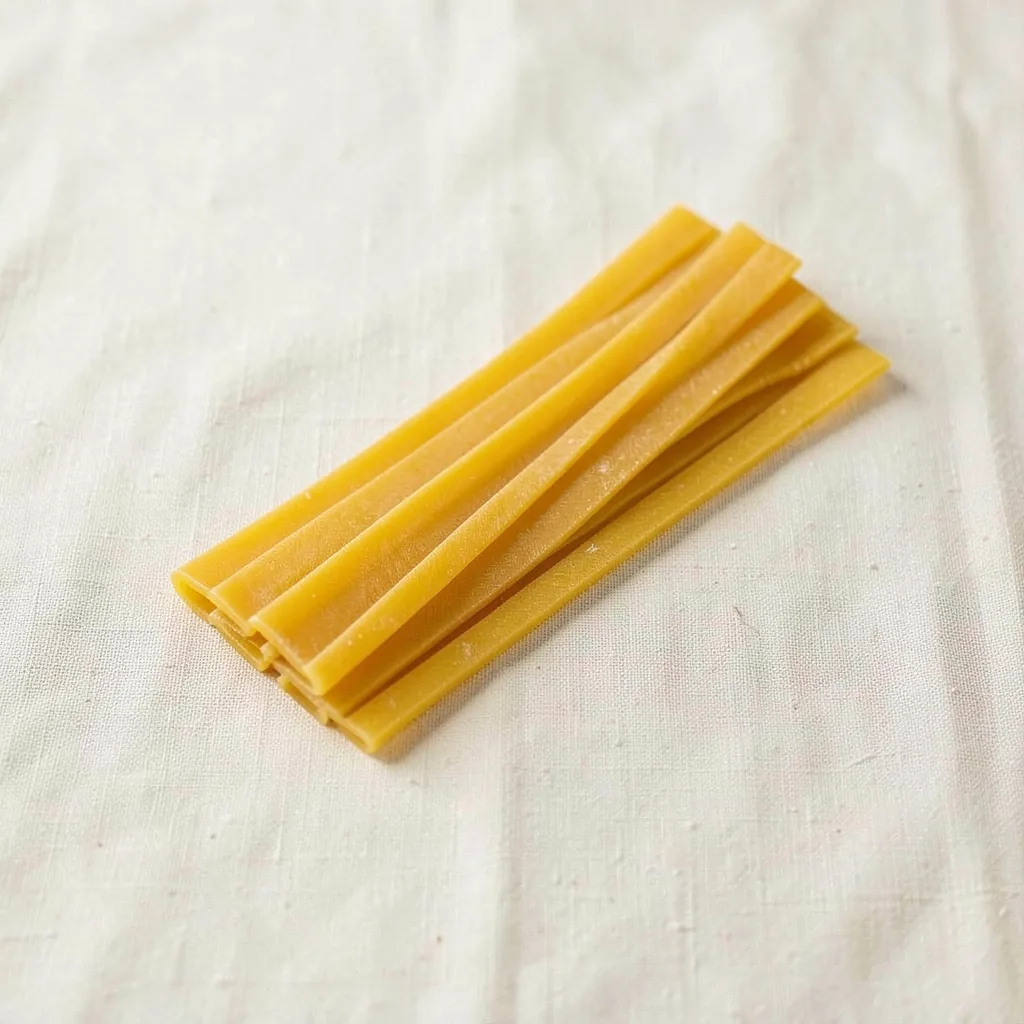
- From fettuccia, a small ribbon or tape, itself from fetta, a slice.
- Filejafee-LEH-yah
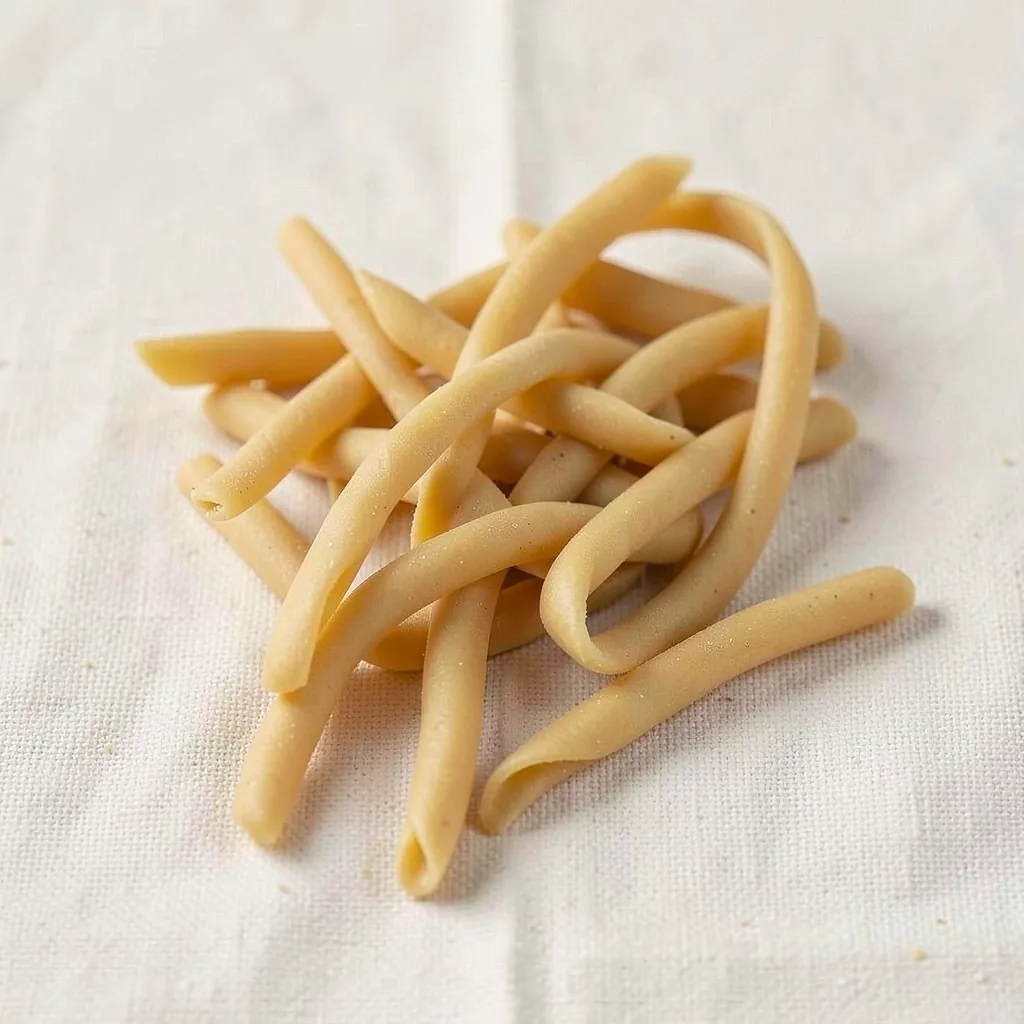
- Calabrian dialect, from the thin rod, the dinaculu, used to shape it.
- Filini
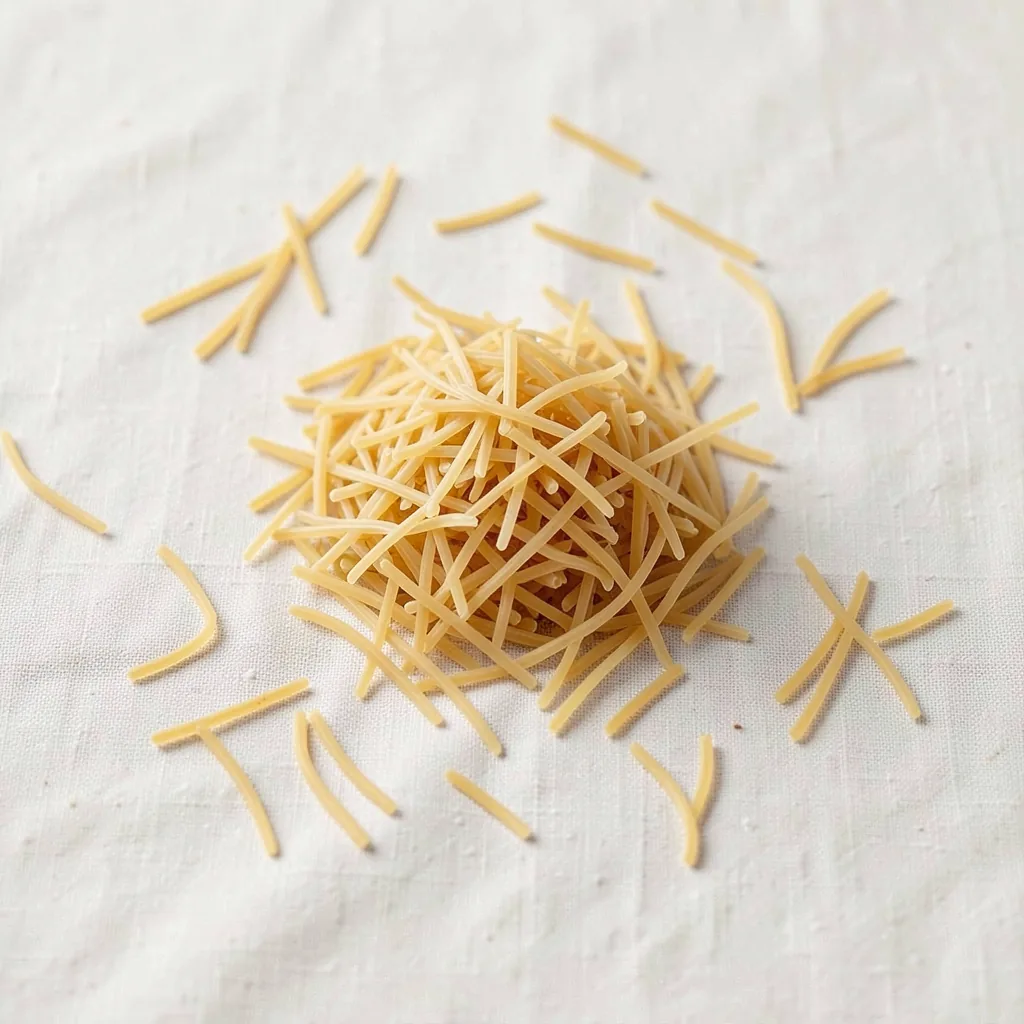
- Little threads. From filo, a thread.
- Fiorentine
- Florentine, in the manner of Florence.
- Fiori
- Flowers. From fiore, a flower.
- Foglie d'ulivoFOH-lyeh DOO-lee-voh
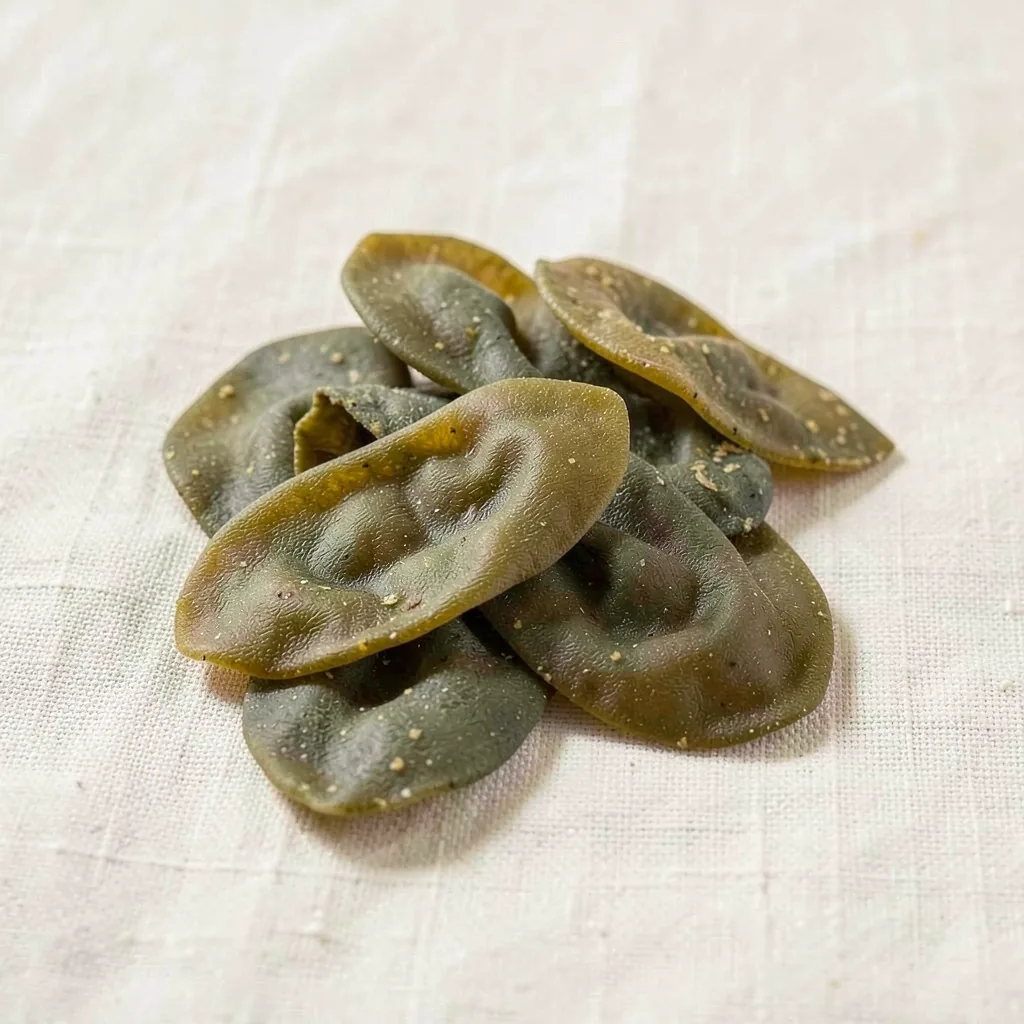
- Olive leaves.
- FregolaFREH-goh-lah
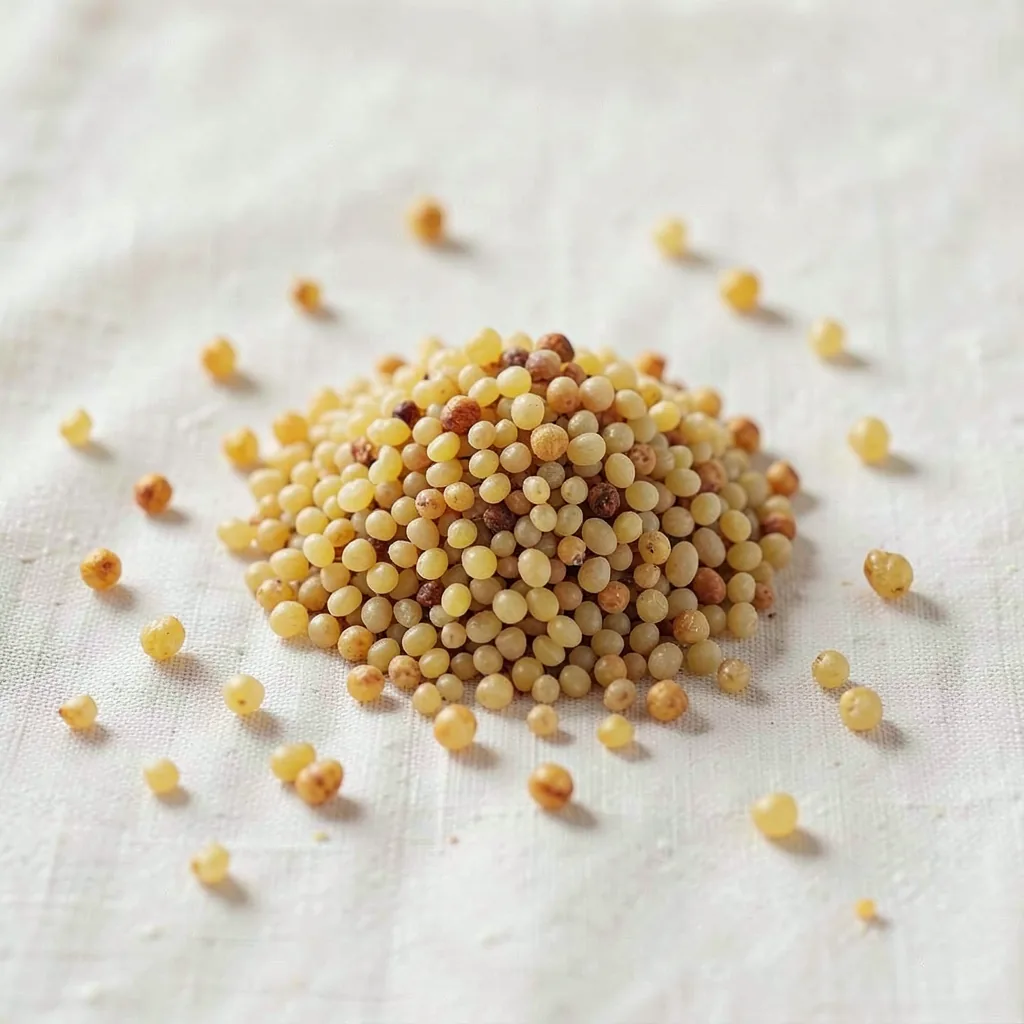
- From the Latin fricare, to rub, for the rolling of wet semolina between the hands. Fregula in Sardinian.
- Funghini
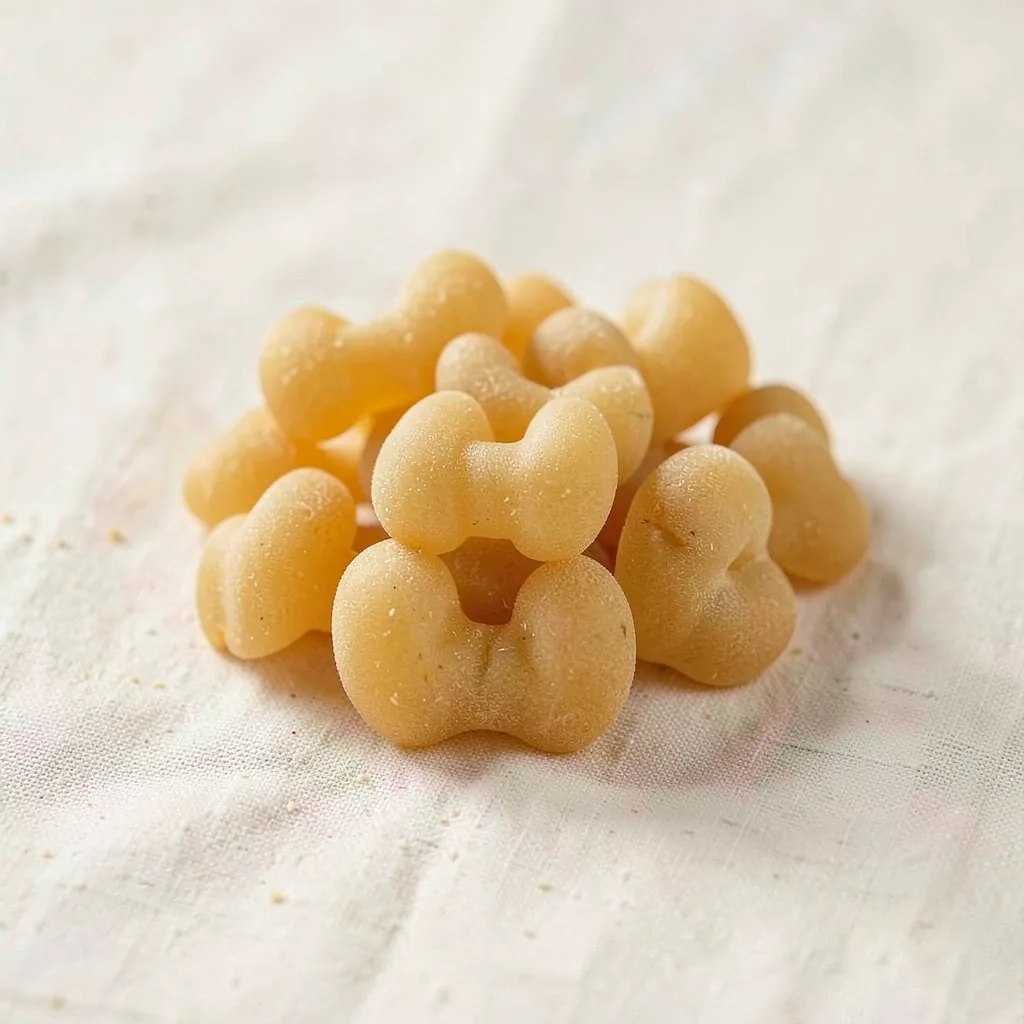
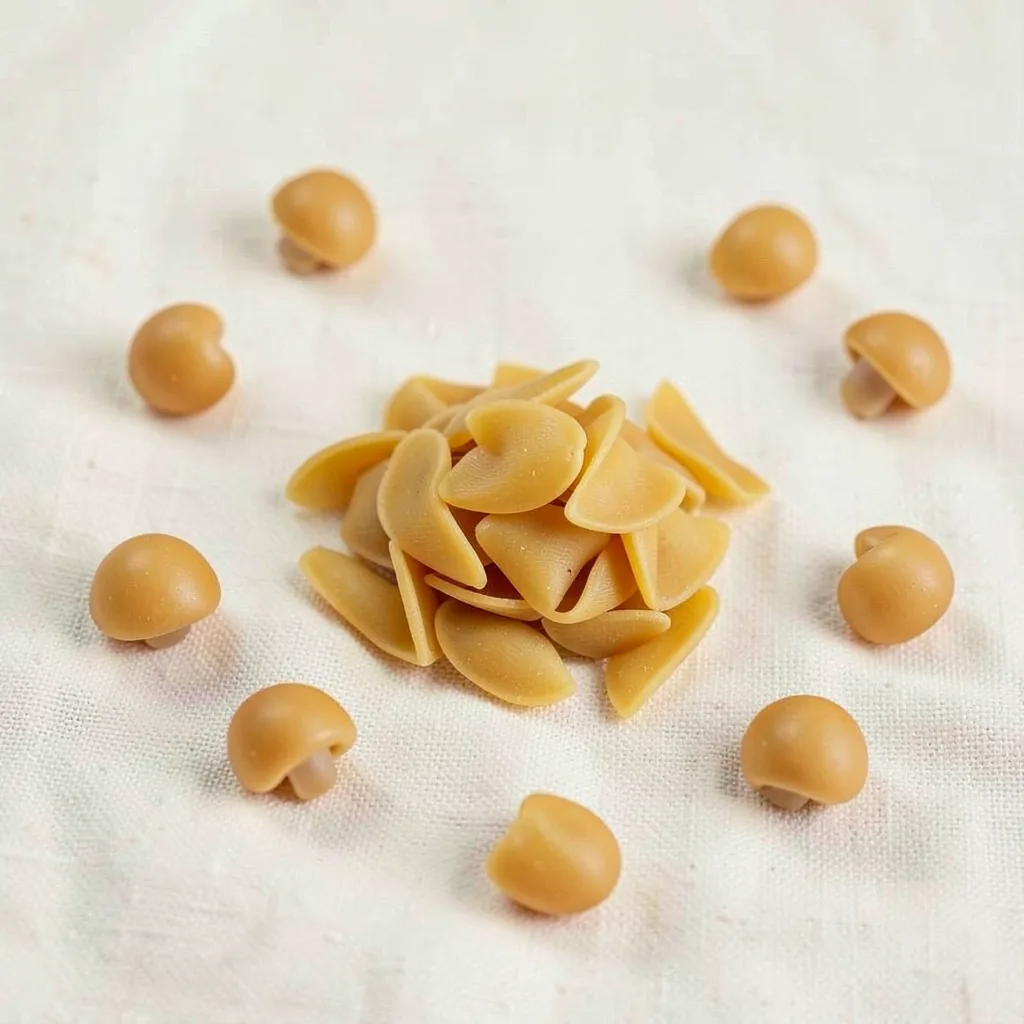
- Little mushrooms. Diminutive of fungo, a mushroom.
- Fusi
- Fuso means a spindle. The rolled diamond of dough looks like one.
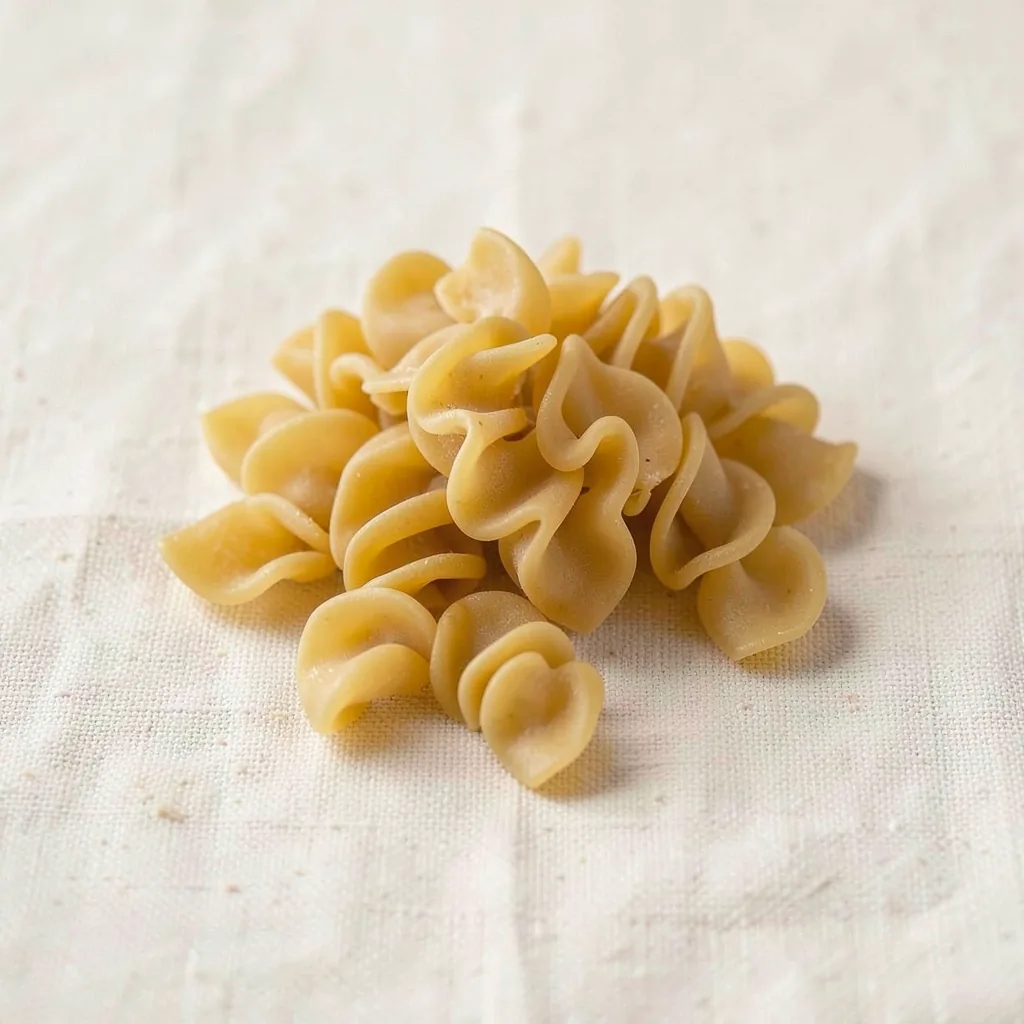
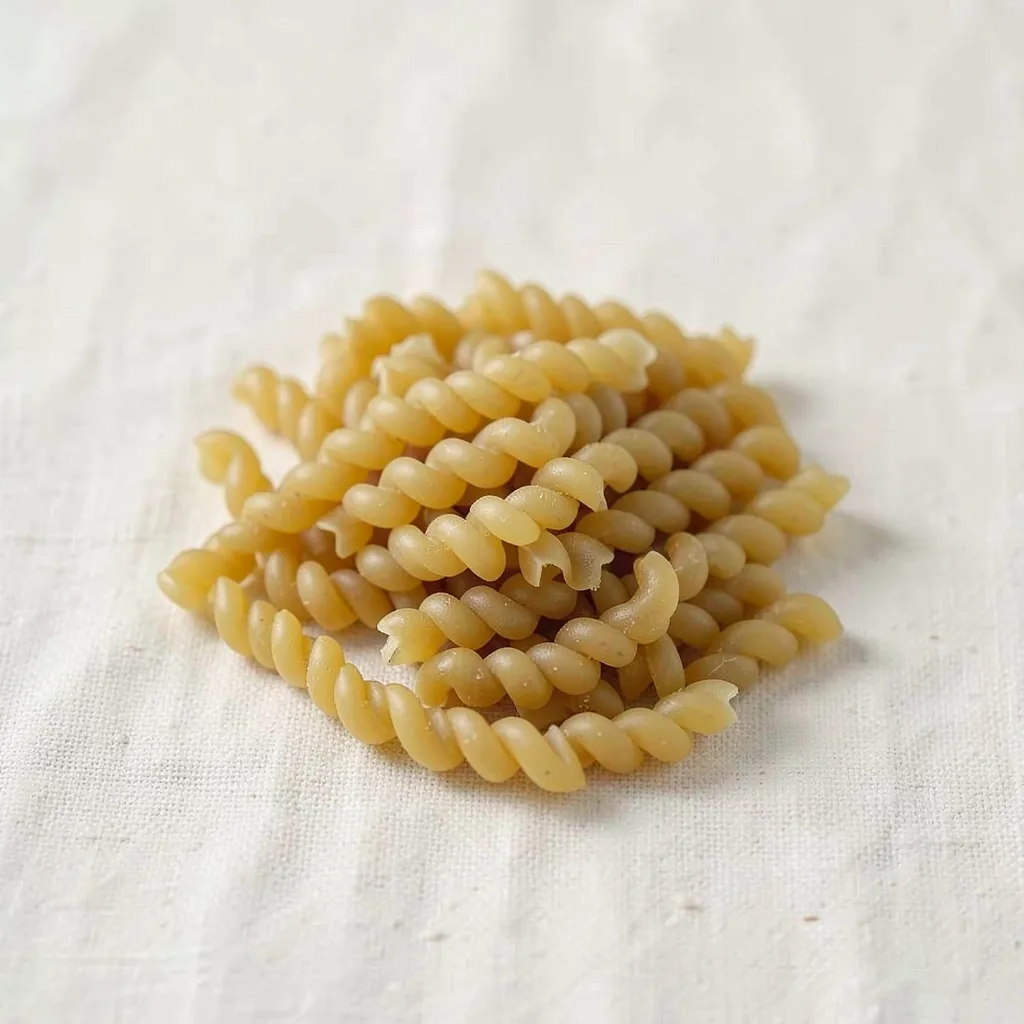
- Fusillifoo-ZEEL-lee
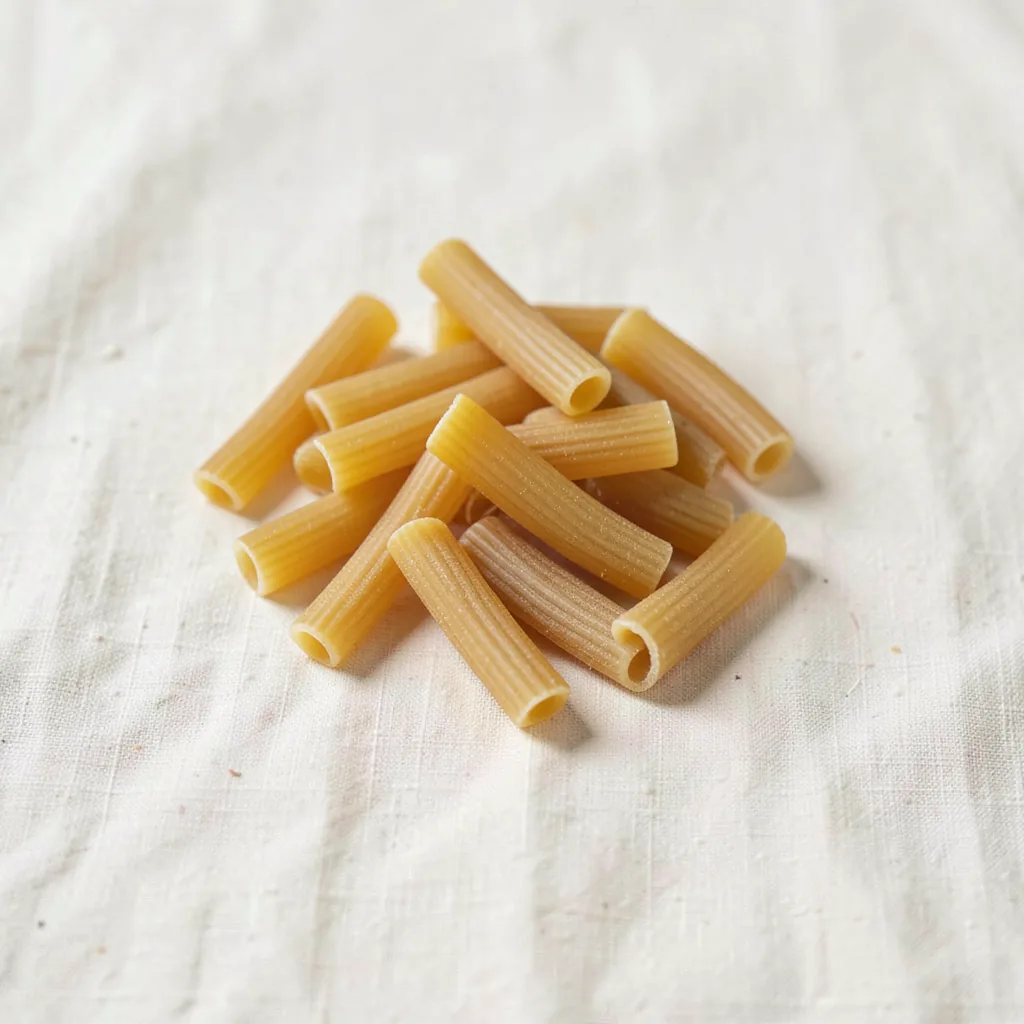
- From fuso, spindle. Hand-made fusilli were wound around a knitting needle, the ferretto.
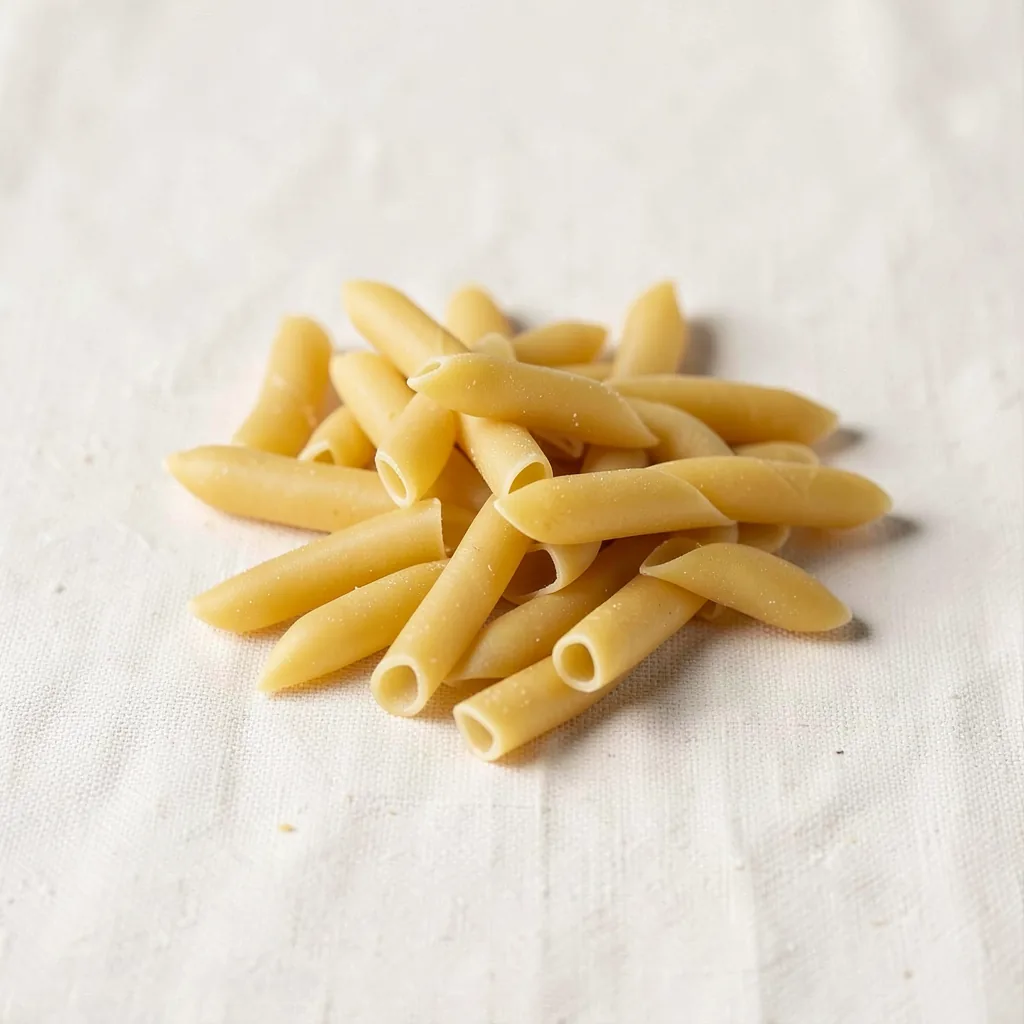
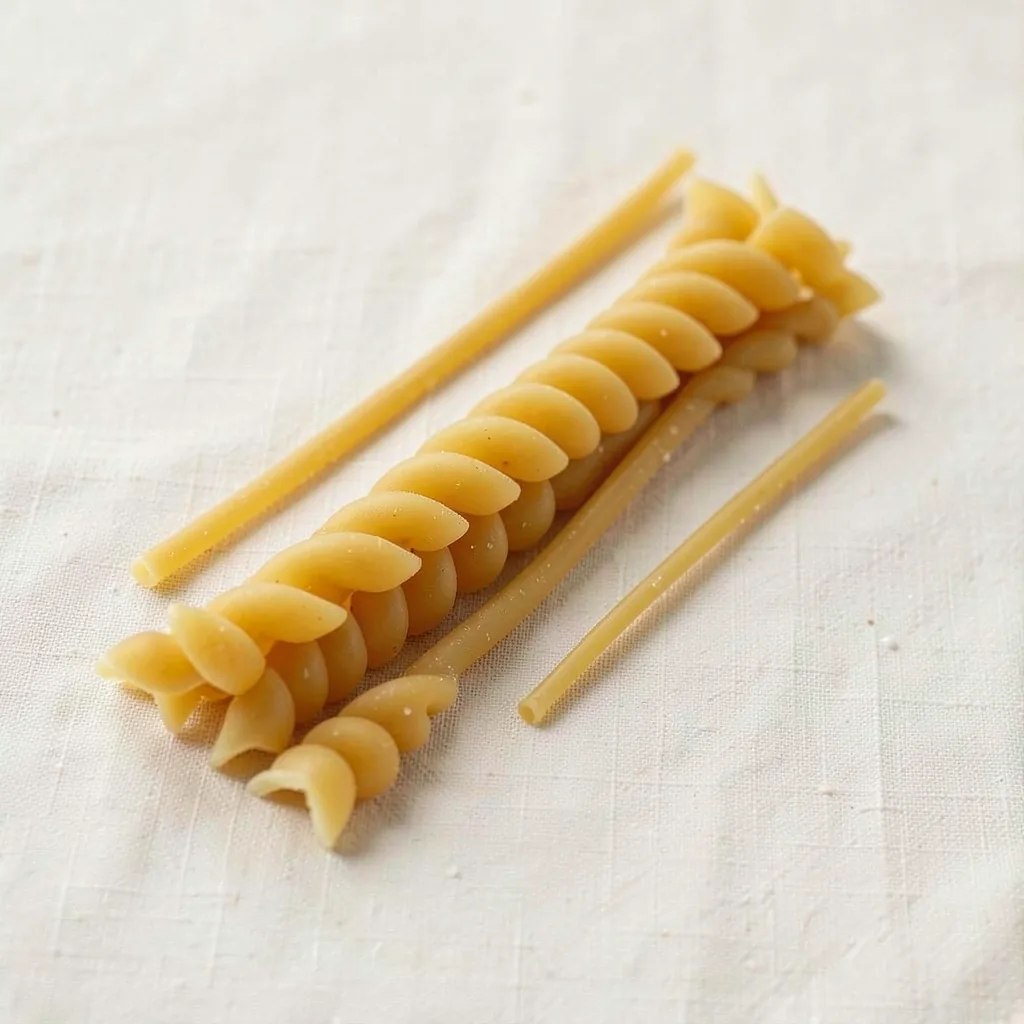
- Fusilli lunghifoo-ZEEL-lee LOON-ghee
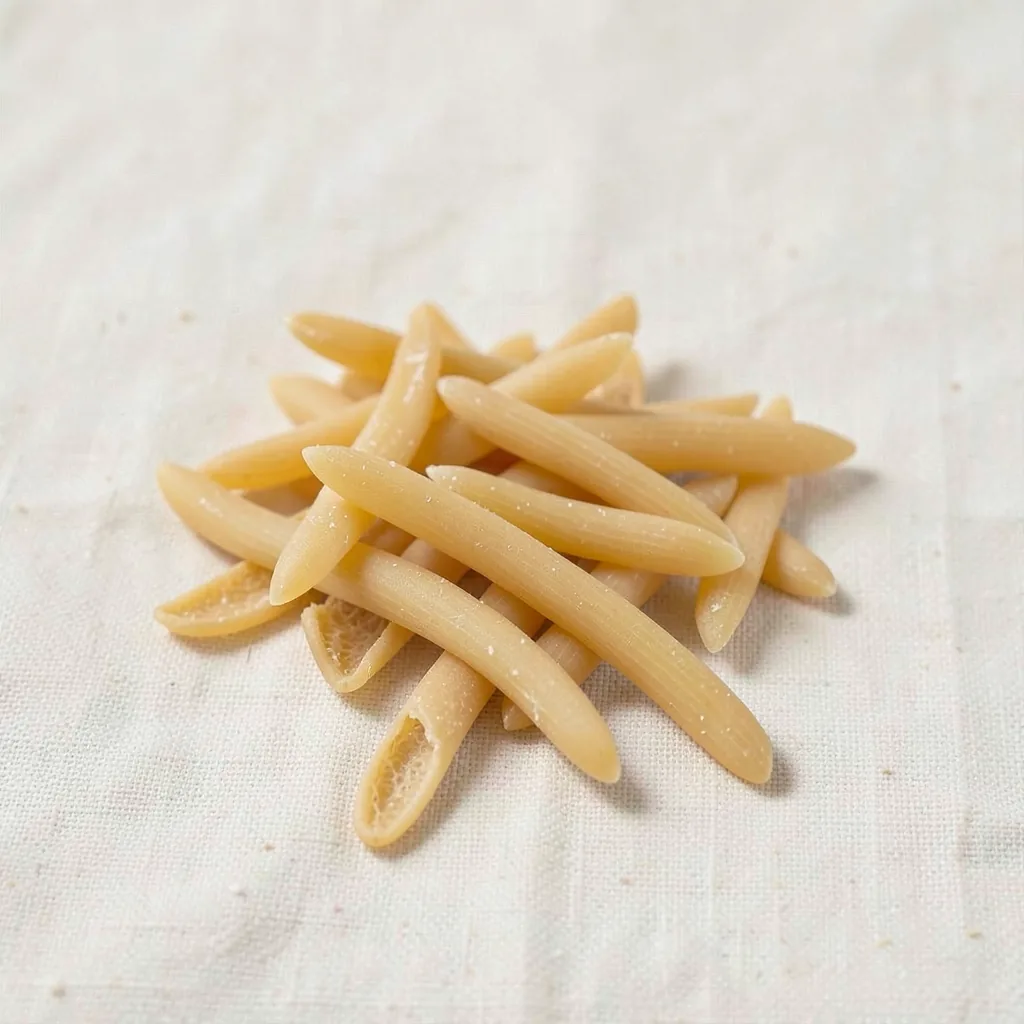
- Fusilli, from fuso, spindle, plus lunghi, long. The dried version is usually fusilli lunghi bucati, long pierced fusilli.
G
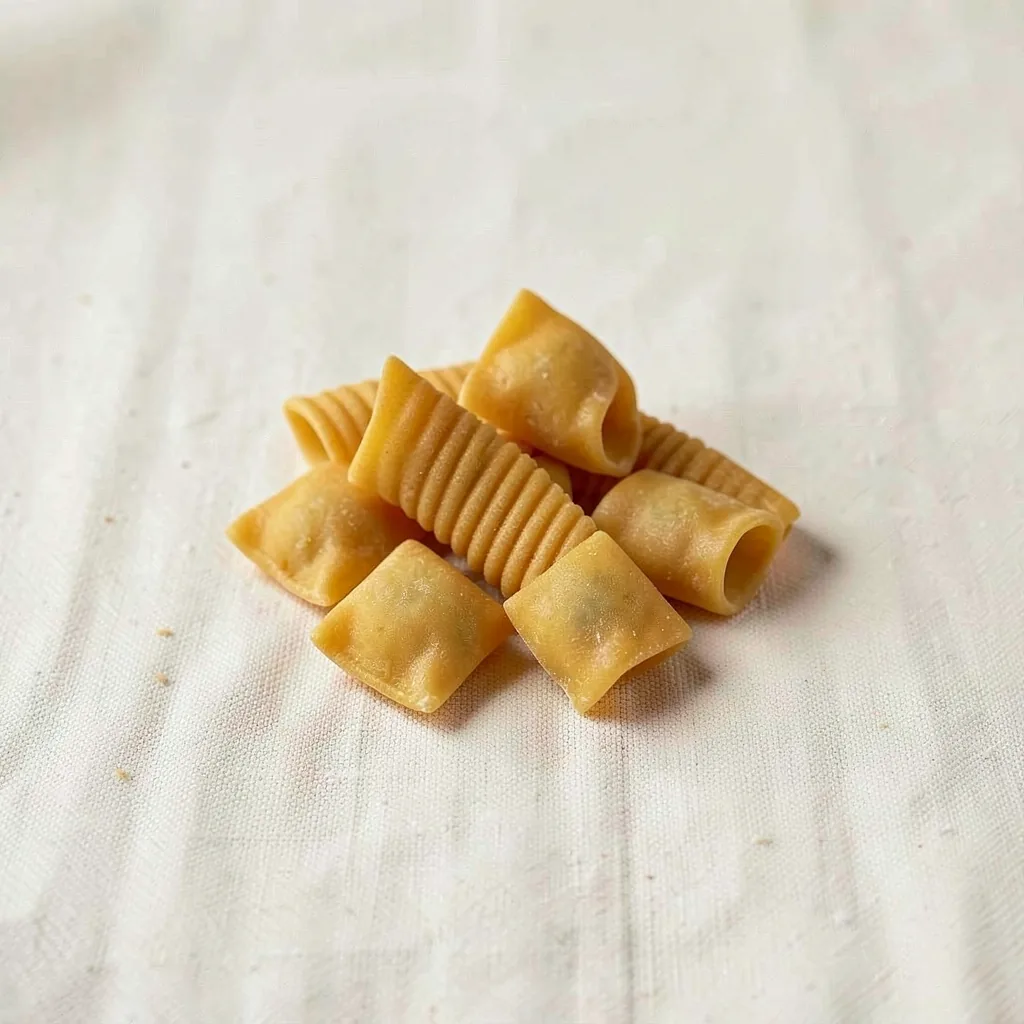
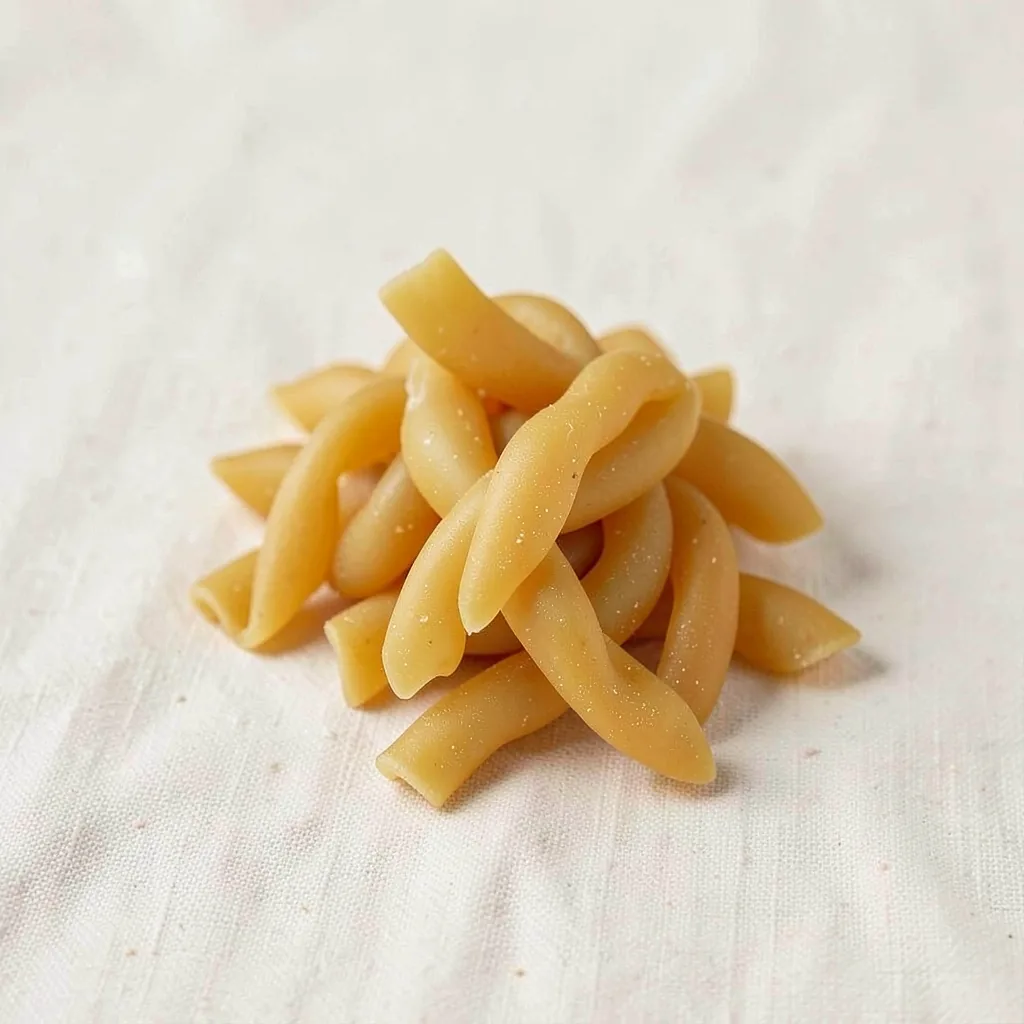
- Garganelligar-gah-NEL-lee
- From garganel, Romagnol dialect for a chicken's gullet, which the ridged tube resembles.
- Gemellijeh-MEL-lee
- Twins. The shape looks like two strands twisted together; it is actually one strand folded and twisted.
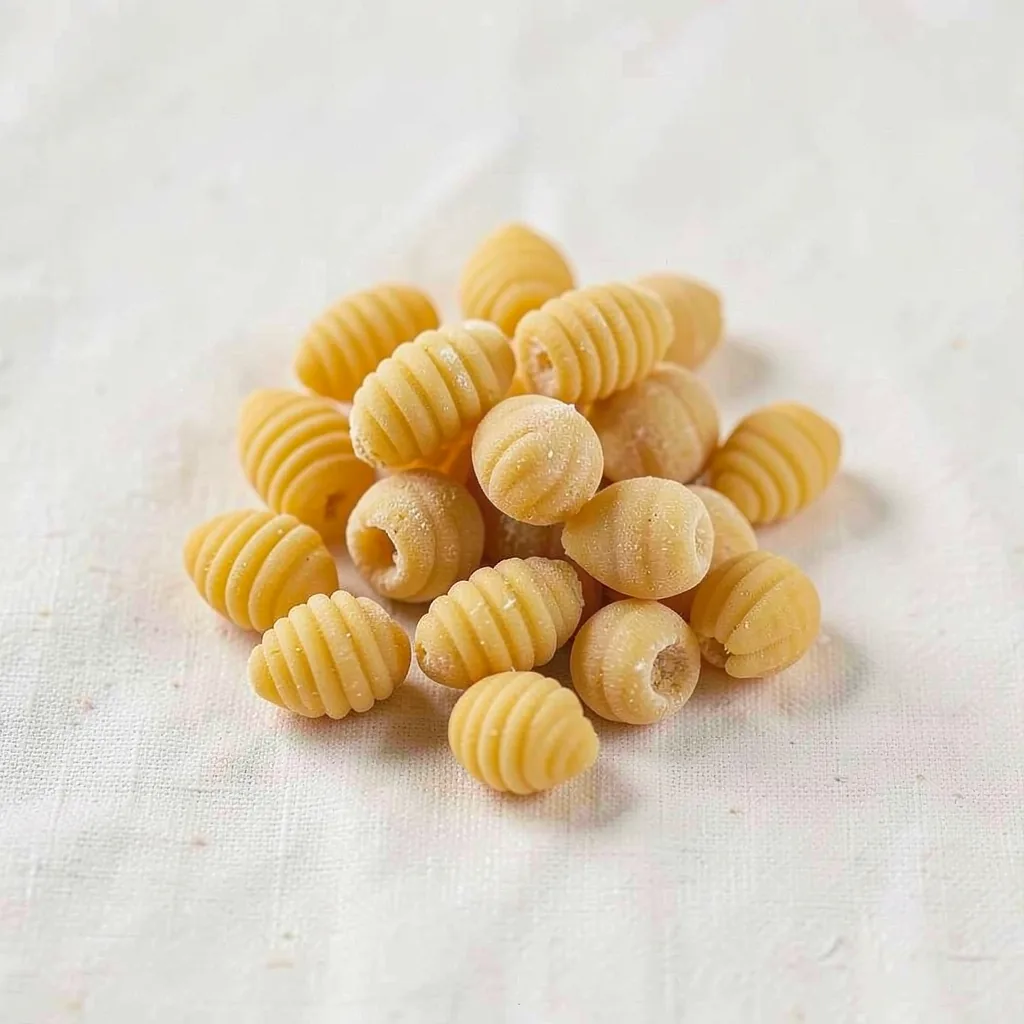
- Gnocchetti sardinyok-KET-tee SAR-dee
- Little Sardinian gnocchi.
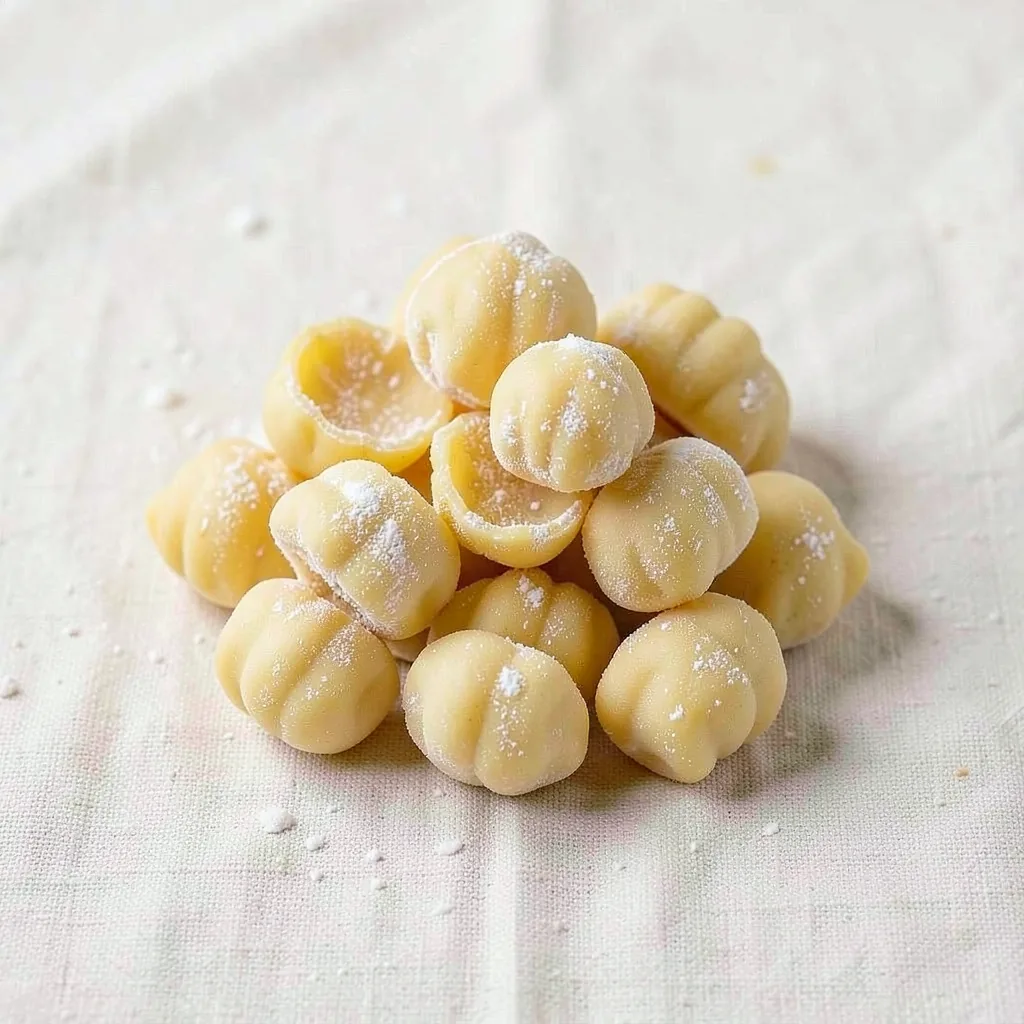
- GnocchiNYOK-kee
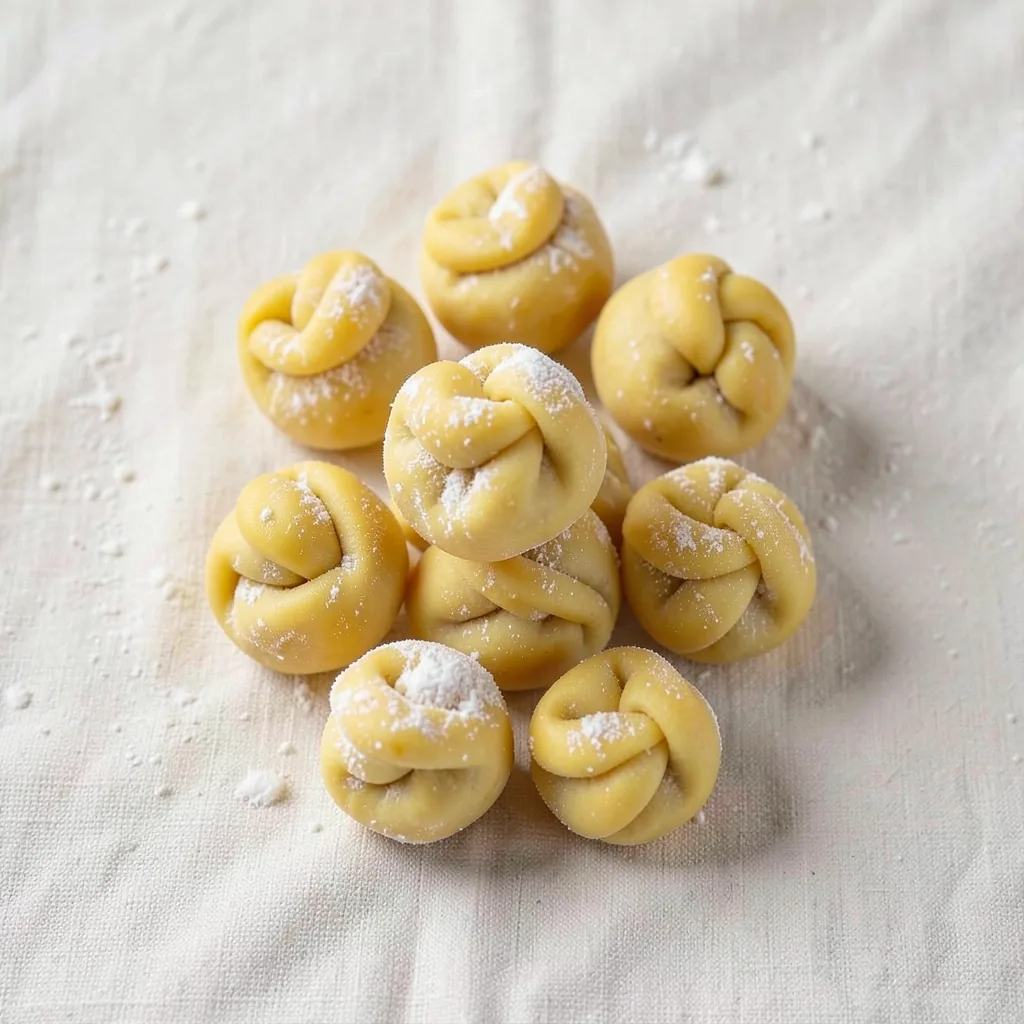
- From nocca, knuckle, or from the Lombard knohha, a knot.
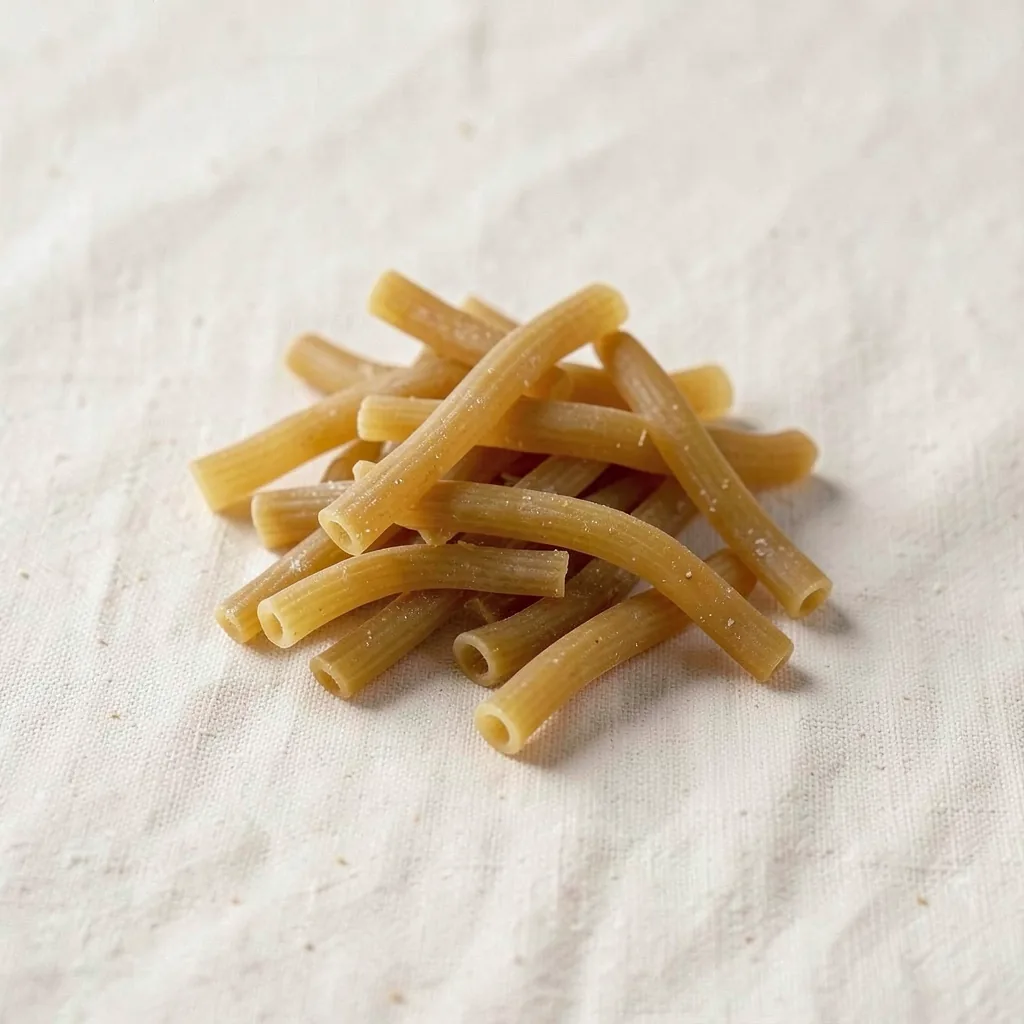
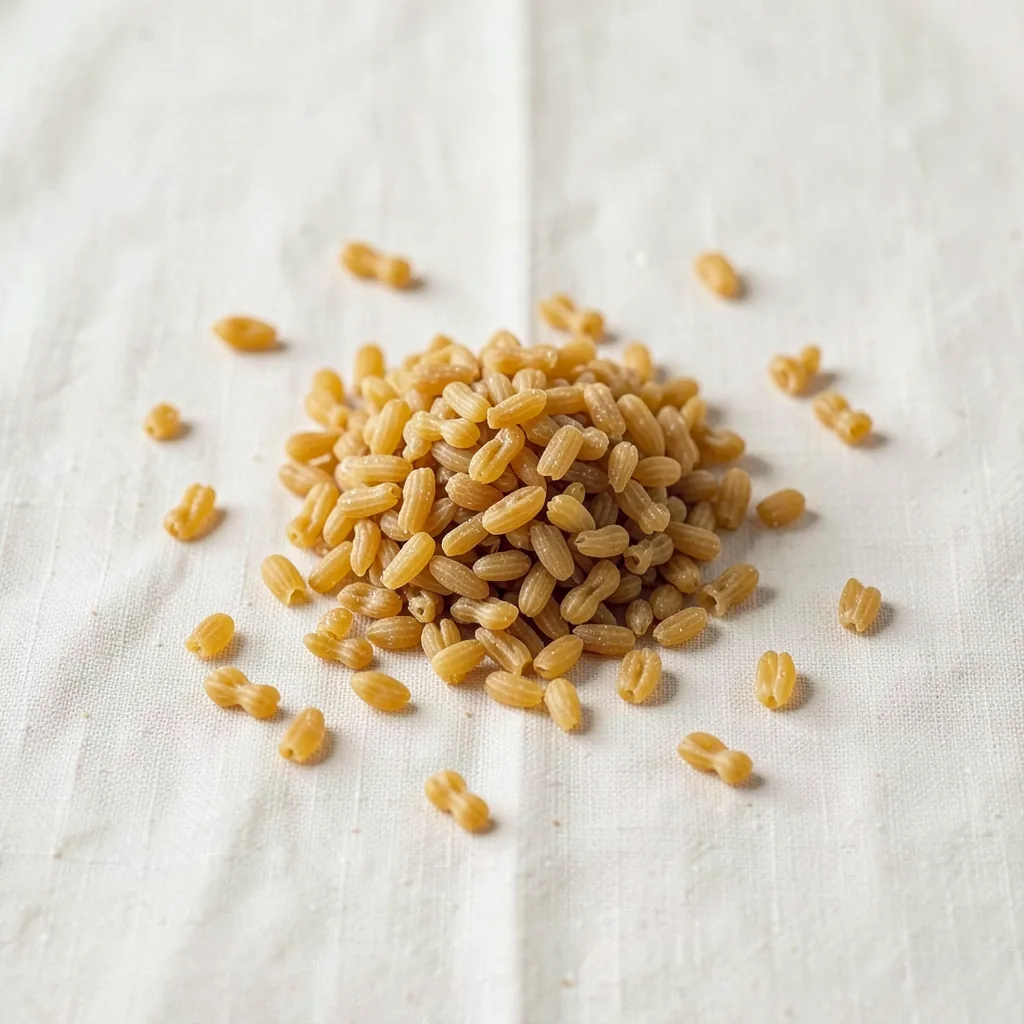
- Gramignagrah-MEE-nyah
- Couch grass, the weed, for the curling strands.
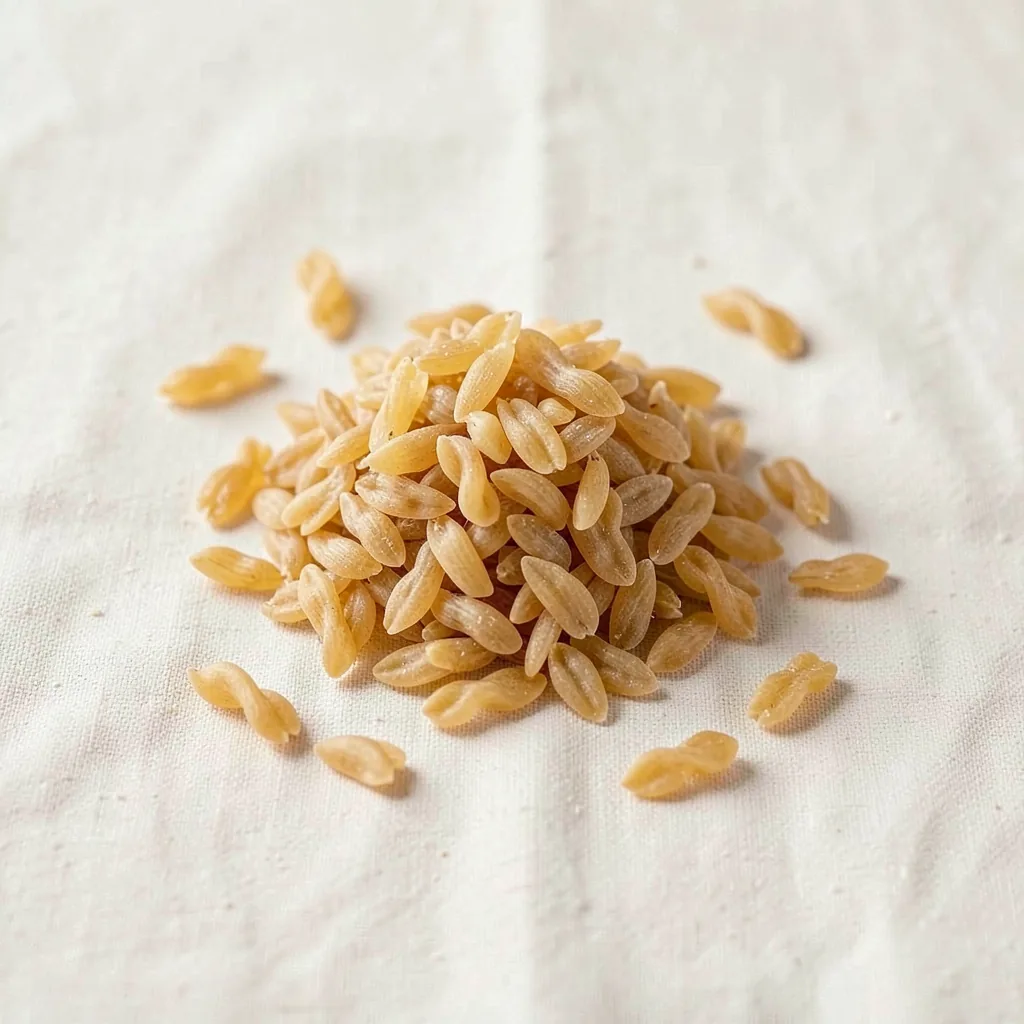
- Grano
- Grano means wheat. Each piece copies a grain of durum wheat.
- Grattoni
- From grattugiare, to grate. The dough is grated or chopped into crumbs.
I
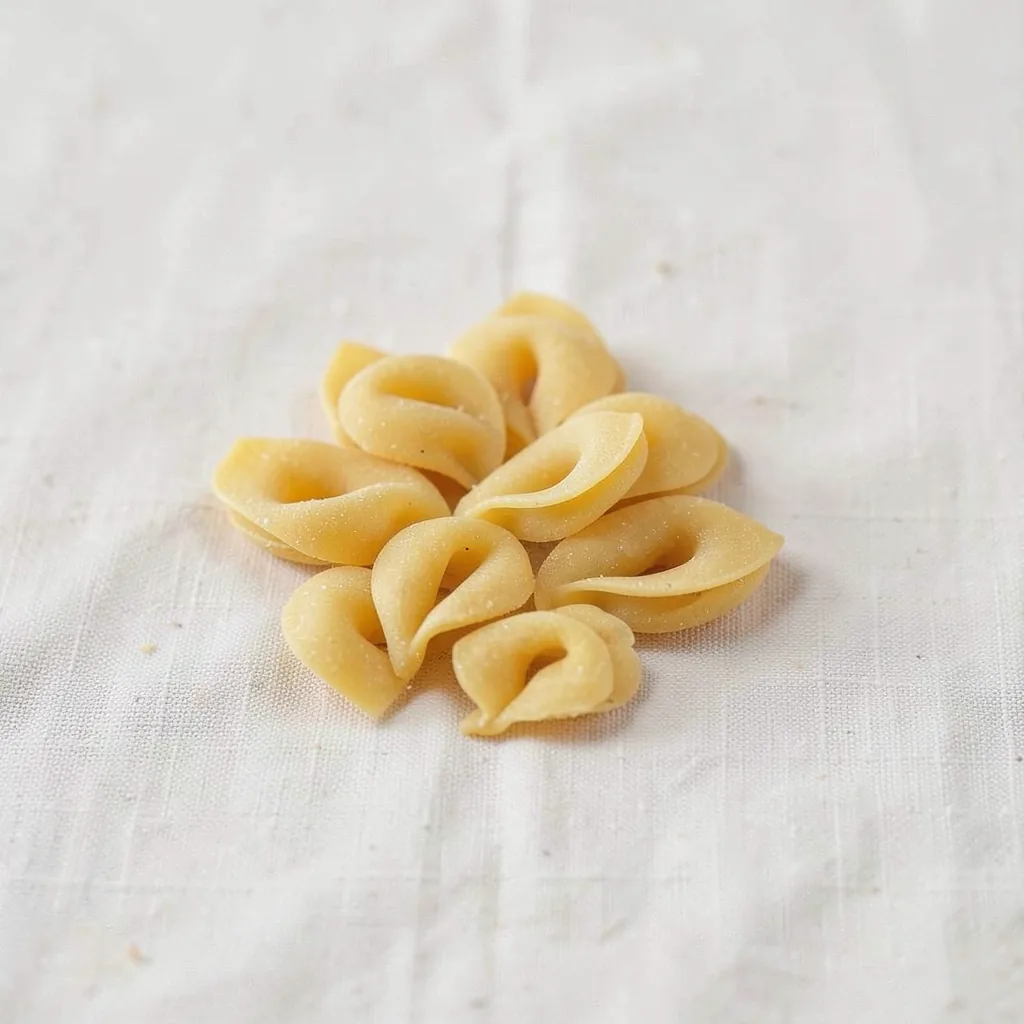
- ingannapreti
- Priest-tricker. The empty cone looks like a filled cappelletto but holds nothing.
L
- Lagane
- From the Latin laganum, a flat sheet of dough. The same root gives lasagne.
- Lanterne
- Lanterns. The curved, ridged piece recalls an old oil lantern.
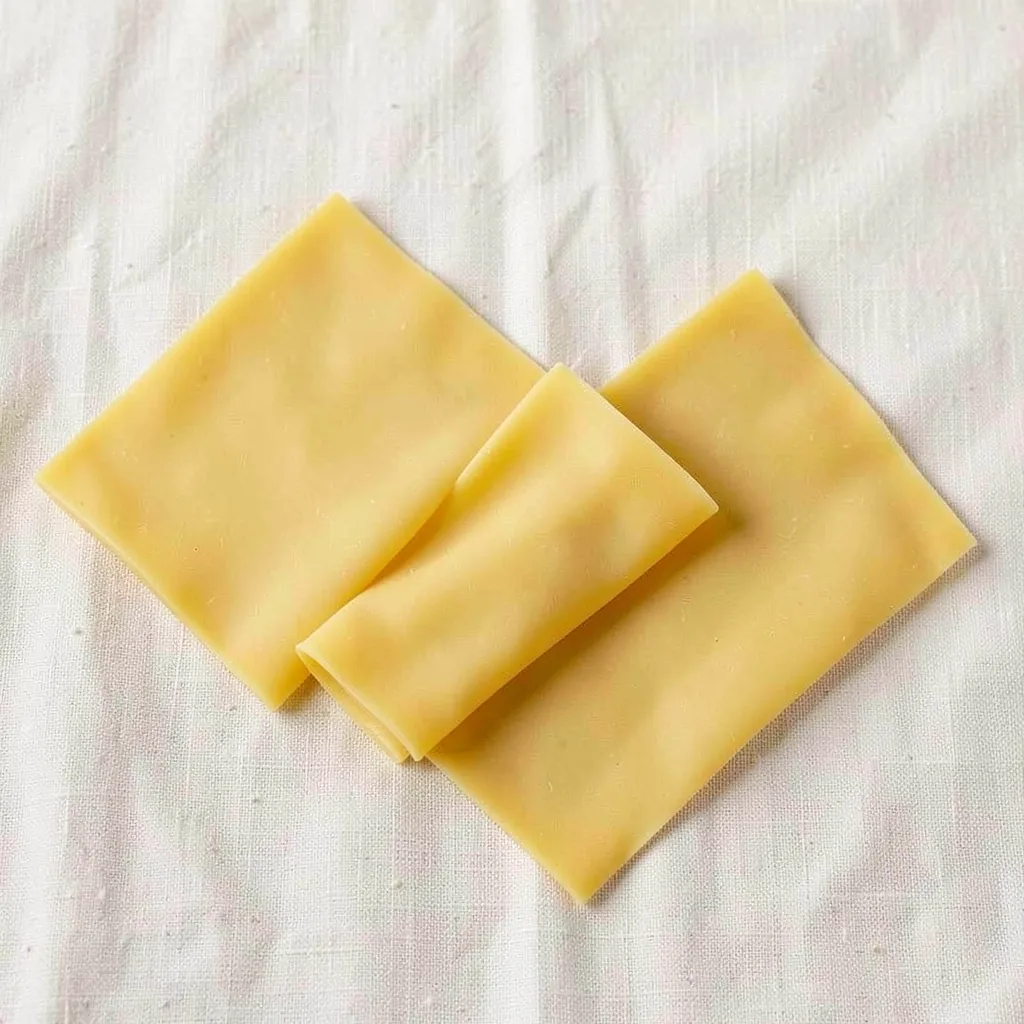
- Lasagnelah-ZAH-nyeh
- From the Latin lasanum, a cooking pot, or the Greek laganon, a flat sheet of dough. Lasagne is the plural; lasagna is one sheet, and the American name for the dish.
- Lasagnettelah-zah-NYET-teh
- Lasagne with the diminutive -ette. Little lasagne.
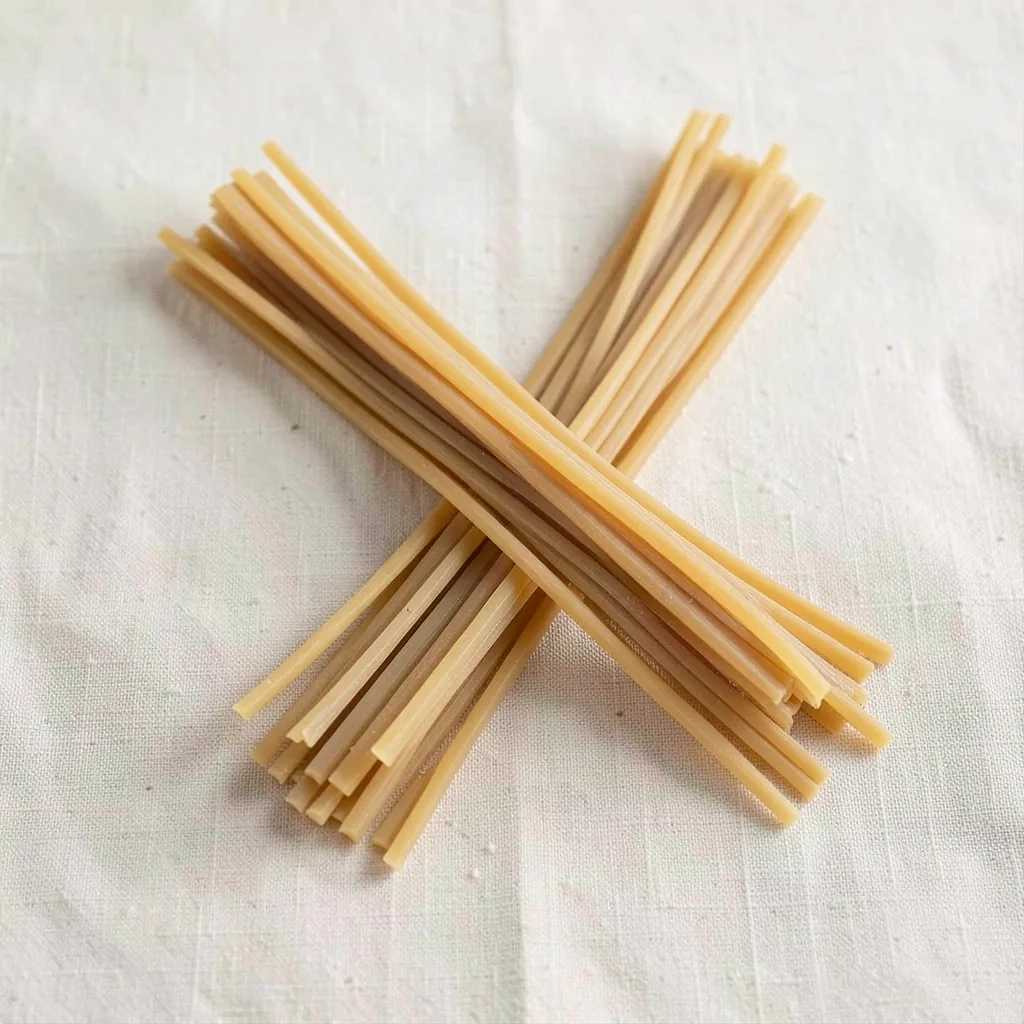
- Linguinelin-GWEE-neh
- From lingua, tongue, with the diminutive -ine. Little tongues.
- Lorighittasloh-ree-GHEET-tas
- Sardinian, from loriga, a ring or an earring.
- Lumacheloo-MAH-keh
- Snails.
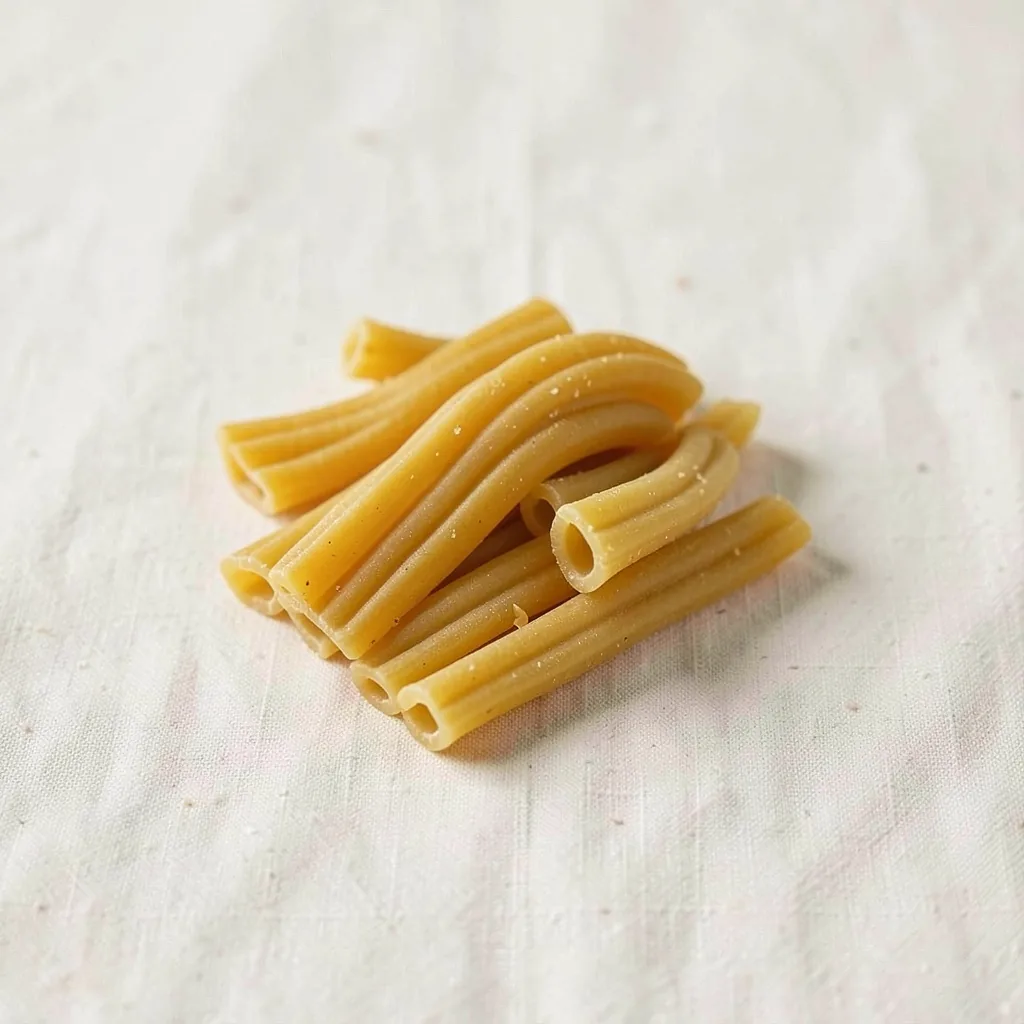
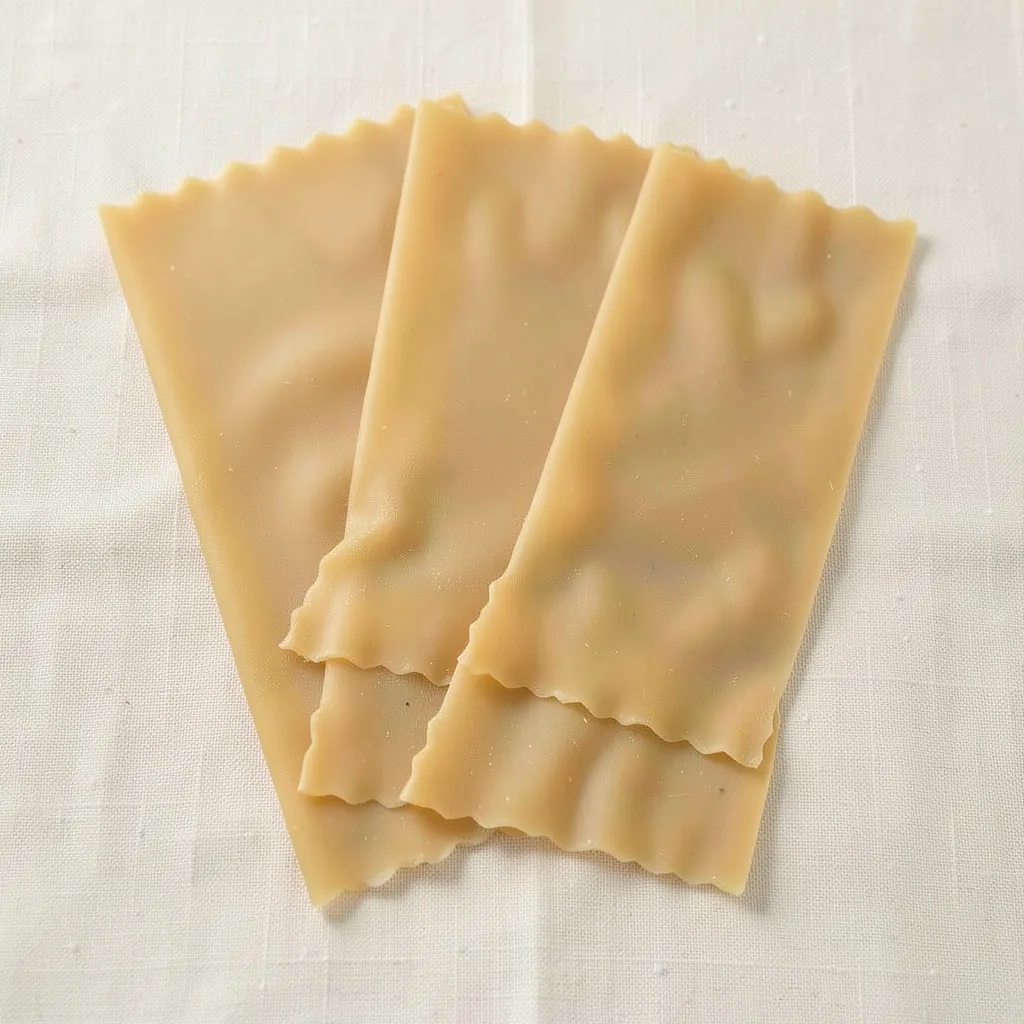
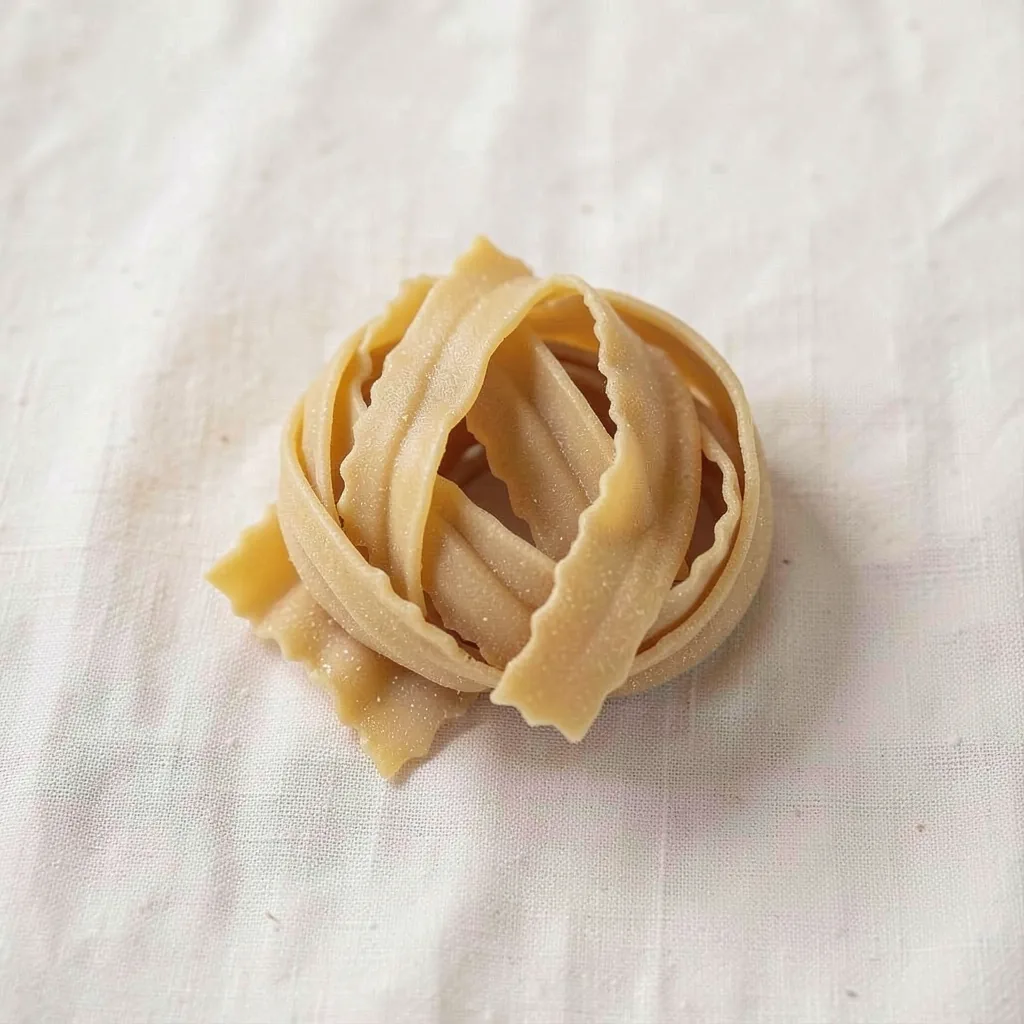
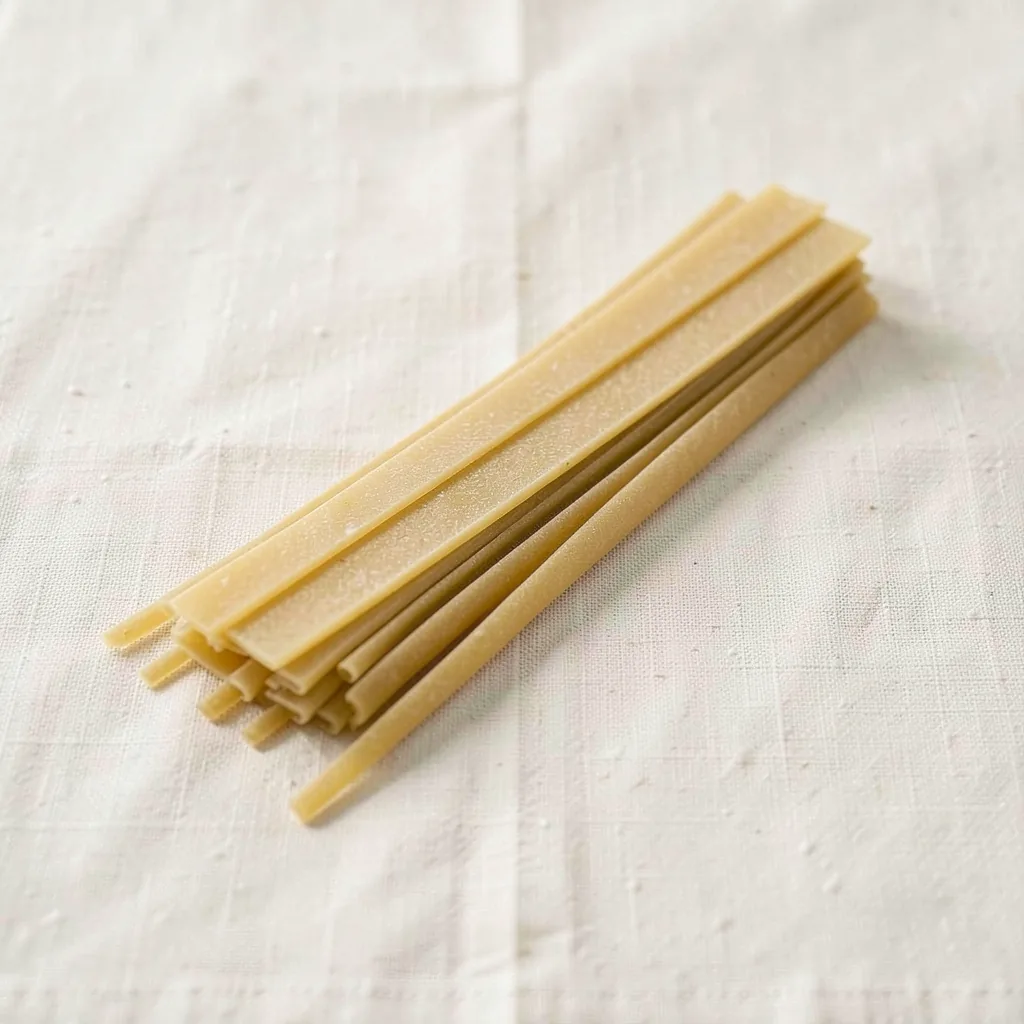
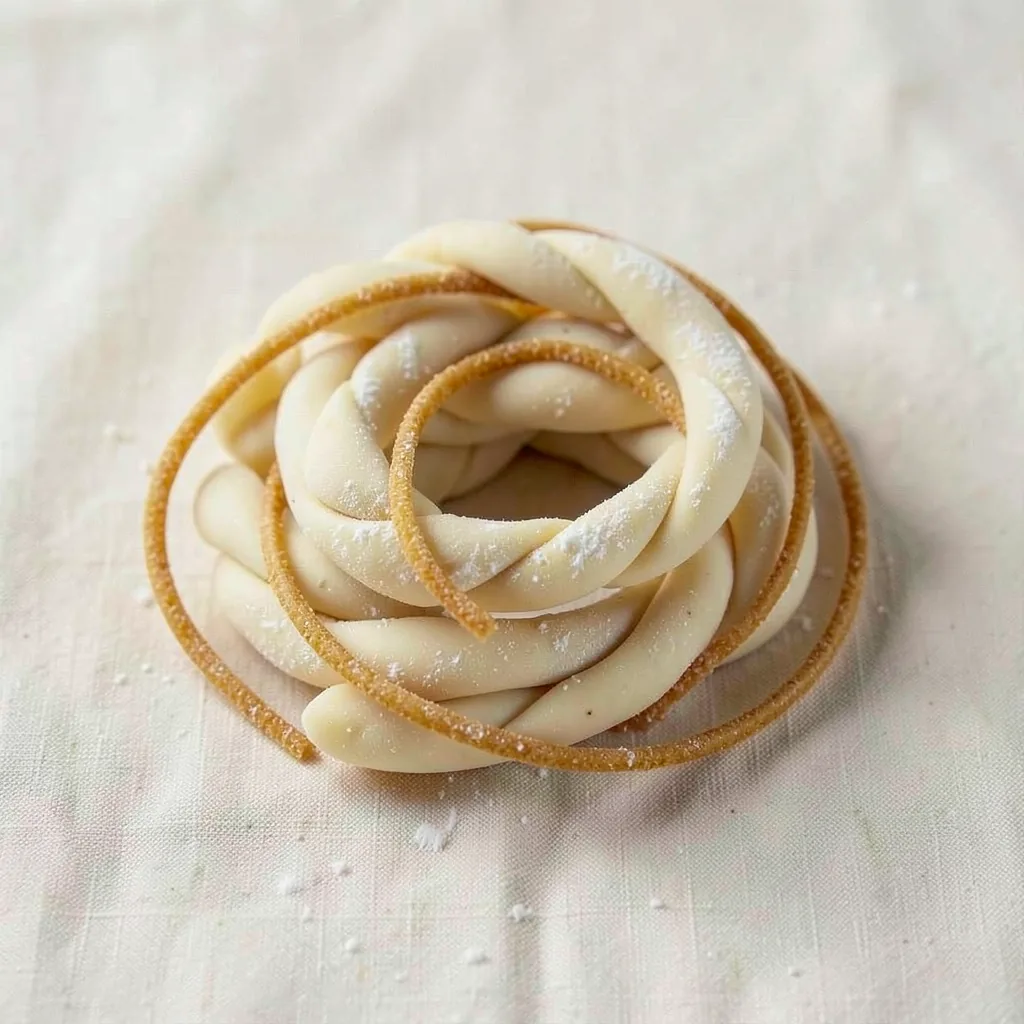
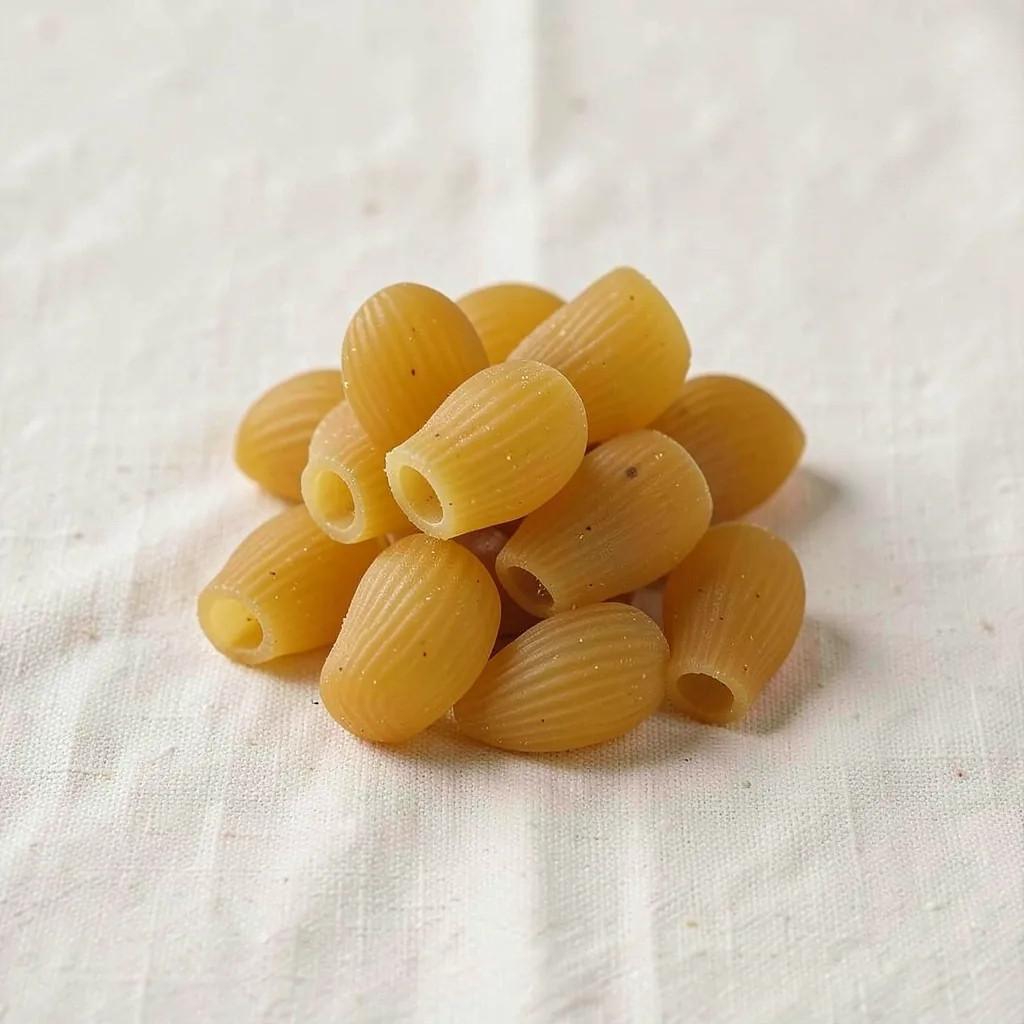
M
- Macaronimak-ah-ROH-nee
- Maccheroni, from the Sicilian maccarruni, possibly from maccare, to crush. In Naples it once meant all dried pasta.
- maccaronara
- Named after the maccaronara, the grooved wooden or brass rolling pin that cuts the sheet into strands.
- Maccheroncelli
- A diminutive of maccheroni: small maccheroni.
- Maccheroncini di Campofilonemak-keh-ron-CHEE-nee dee kam-poh-fee-LOH-neh
- Little macaroni from Campofilone, a town in the Marche. Protected geographical indication since 2013.
- Maccheroni al ferrettomak-keh-ROH-nee al fer-RET-toh
- Macaroni on the little iron, the ferretto or ferro, a square-section rod.
- Maccheroni alla molinara
- Molinara and mugnaia both mean the miller's wife. The name recalls the watermills on the River Fino.
- Mafaldinemah-fal-DEE-neh
- Named for Princess Mafalda of Savoy, born 1902. Reginette, little queens, is the same shape.
- Malloreddusmal-loh-RED-doos
- Sardinian for little bulls or fat calves. Gnocchetti sardi is the mainland name.
- Maltagliatimal-tah-LYAH-tee
- From mal tagliati, badly cut. The offcuts from making tagliatelle.
- Manicottiman-ee-KOT-tee
- Little sleeves, from manica, sleeve. The word is Italian; the pasta is Italian-American.
- Margheritine
- Little daisies. Margherita is the Italian word for daisy.
- Marille
- Wikipedia links the name to mare, the sea. The cross section looks like a rolling wave.
- Marubinimah-roo-BEE-nee
- Cremonese dialect, of uncertain origin.
- Merletti
- Merletti means pieces of lace in Italian.
- Mezzani
- Mezzi means half. It refers to the tube's diameter, which is smaller than ziti, not to its length.
- Mezze manicheMED-dzeh MAH-nee-keh
- Half sleeves. The short tube looks like a shirt sleeve cut off at the elbow.
- Mezzelunemed-dzeh-LOO-neh
- Half moons. Schlutzkrapfen in South Tyrol.
- Mezzi bombardoni
- Half-size bombardoni. The parent shape is named for the bombard, an early cannon.
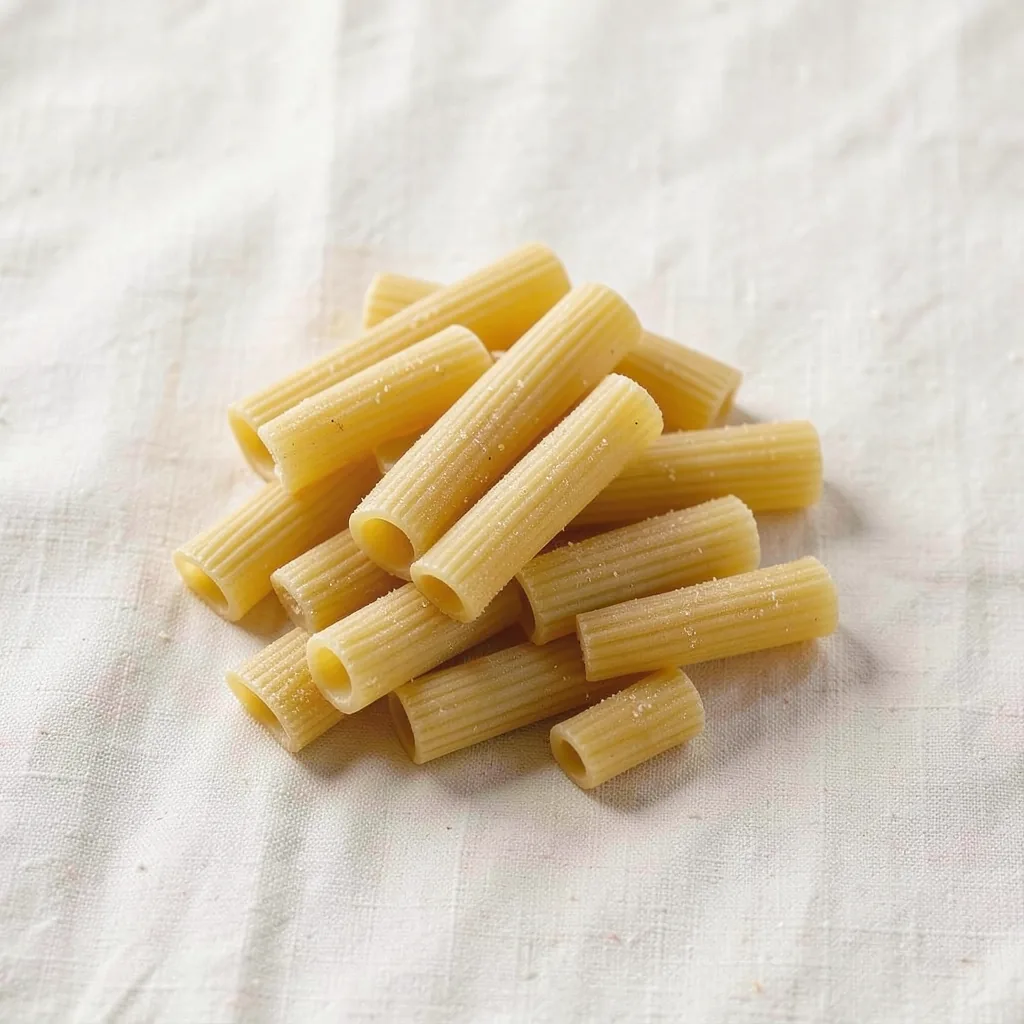
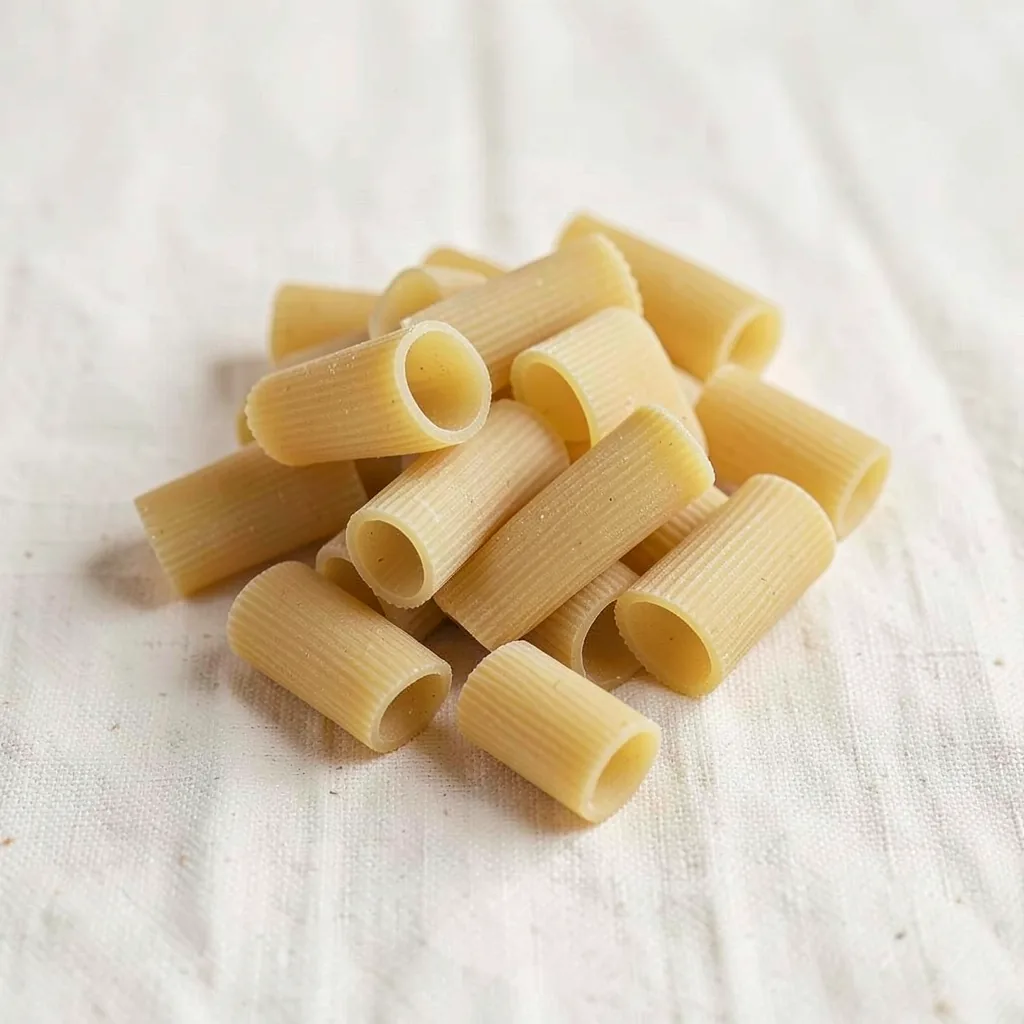
- Mezzi rigatoniMED-dzee ree-gah-TOH-nee
- Mezzi, half, plus rigatoni.
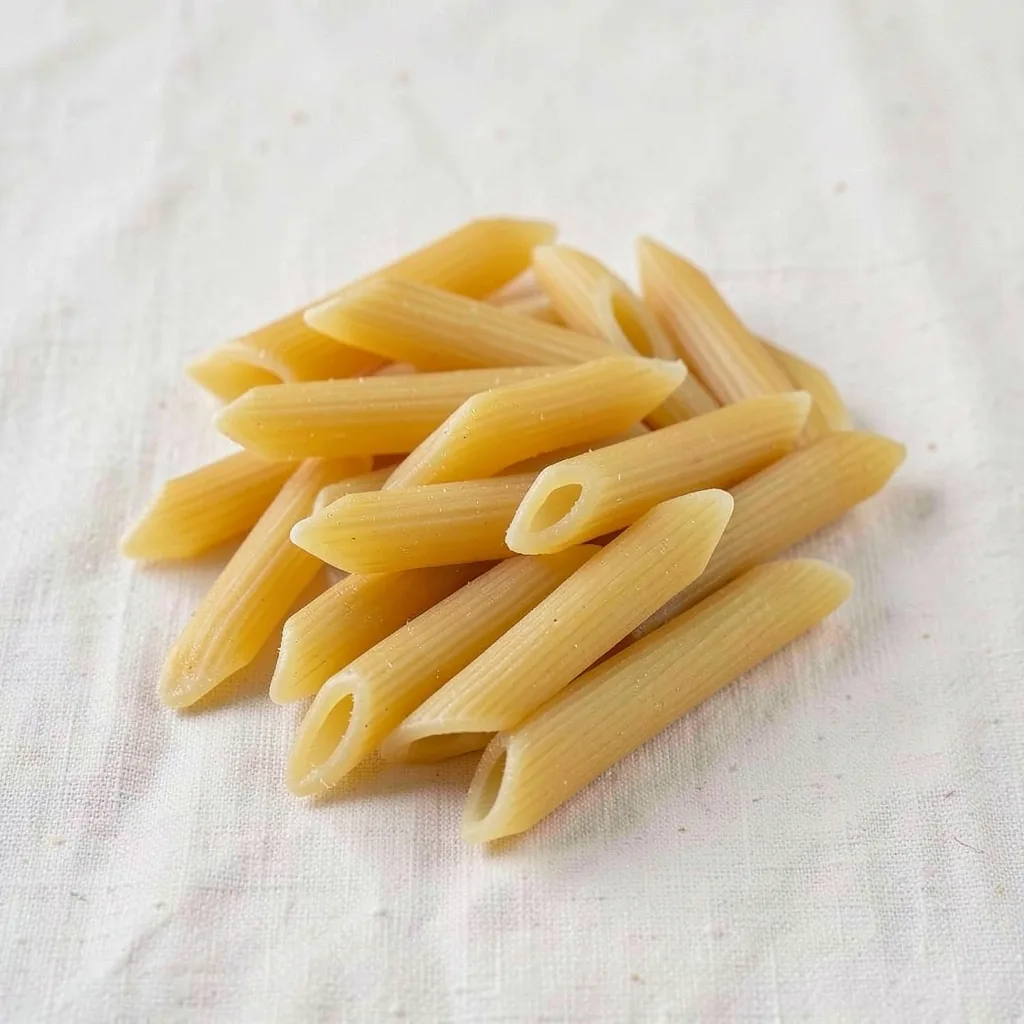
- Mostacciolimoh-stah-CHOH-lee
- From mostaccioli, a southern Italian spiced biscuit of similar diamond shape. The pasta name is American.
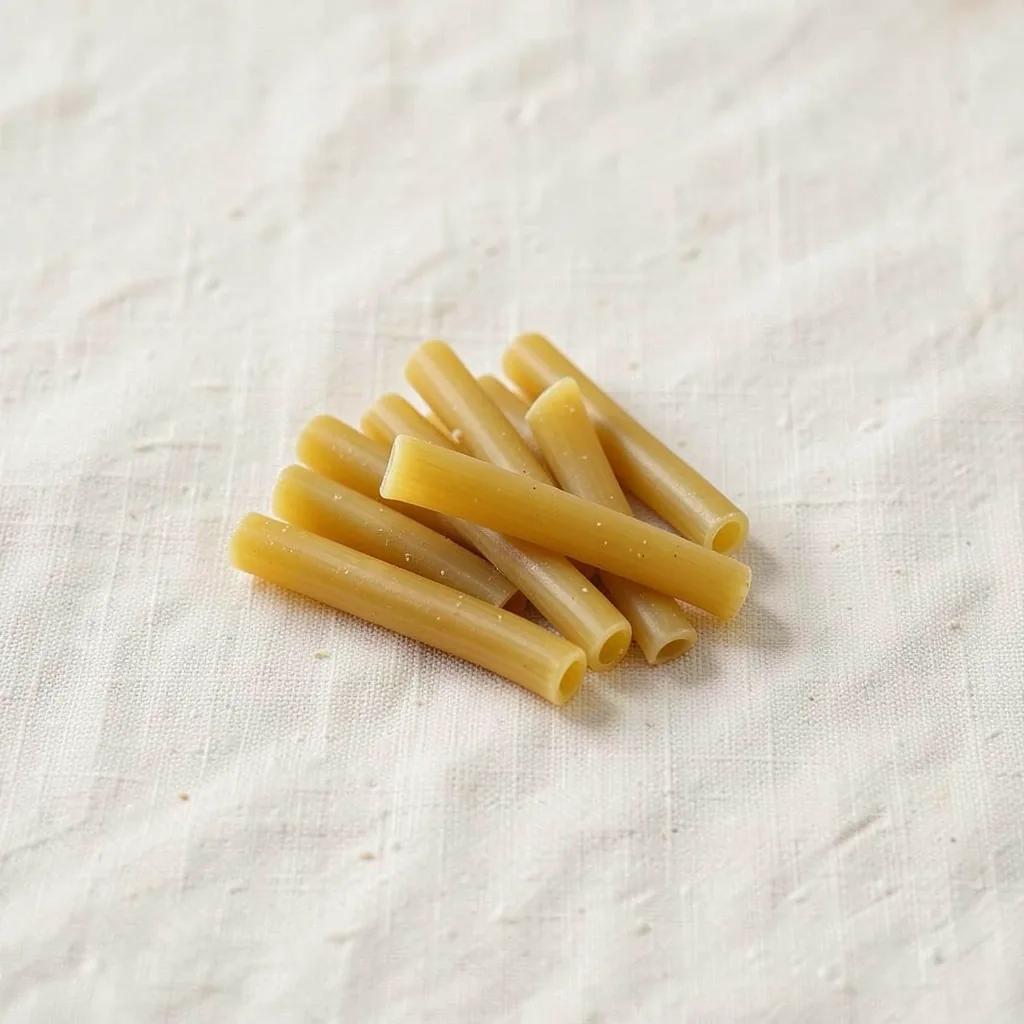
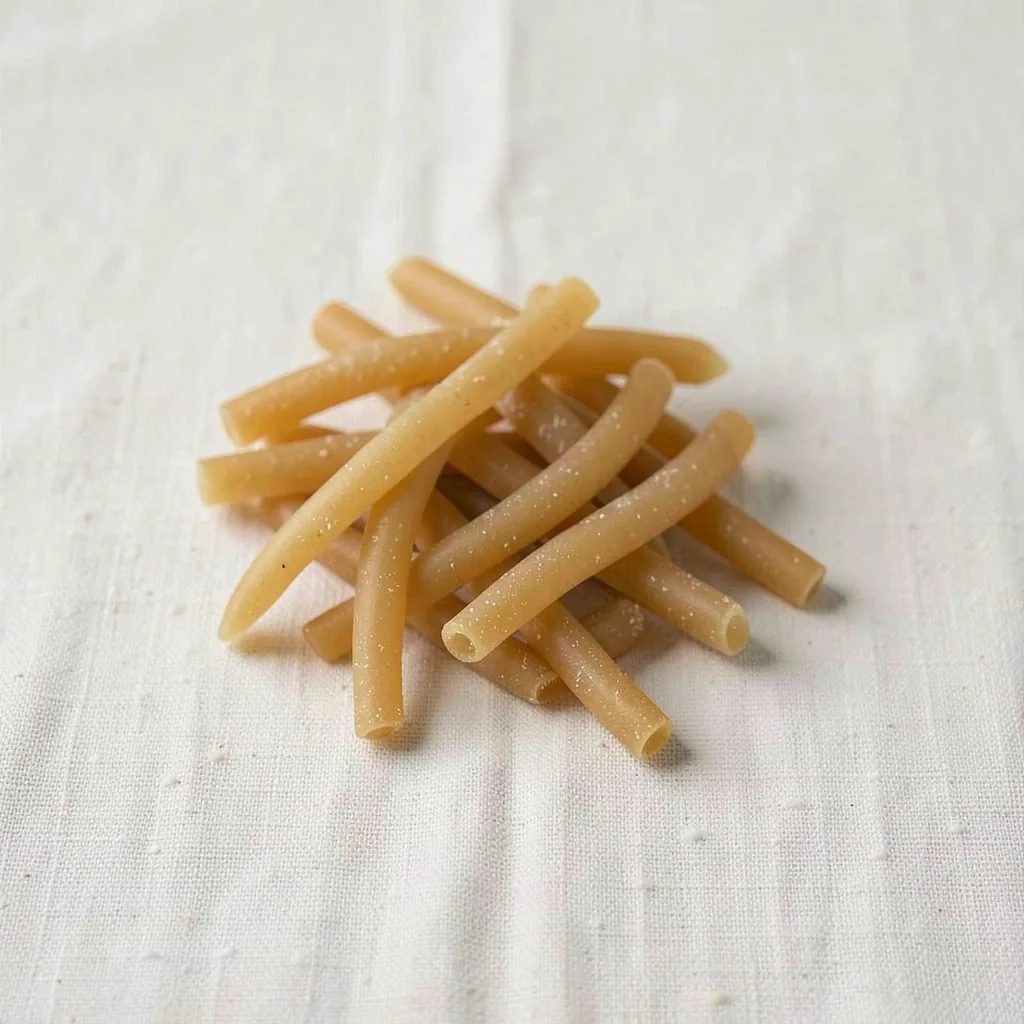
N
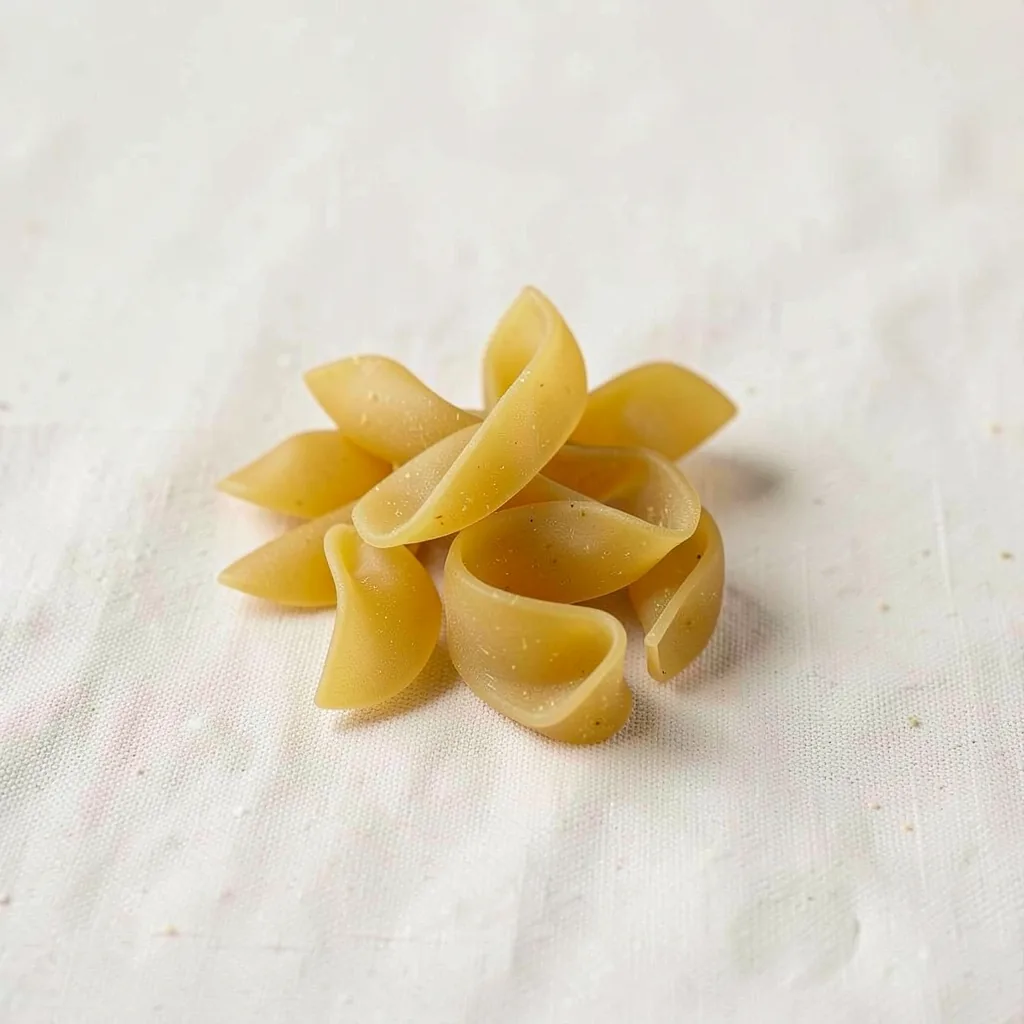
- Nuvole
- Nuvole means clouds.
O
- Occhi di lupoOK-kee dee LOO-poh
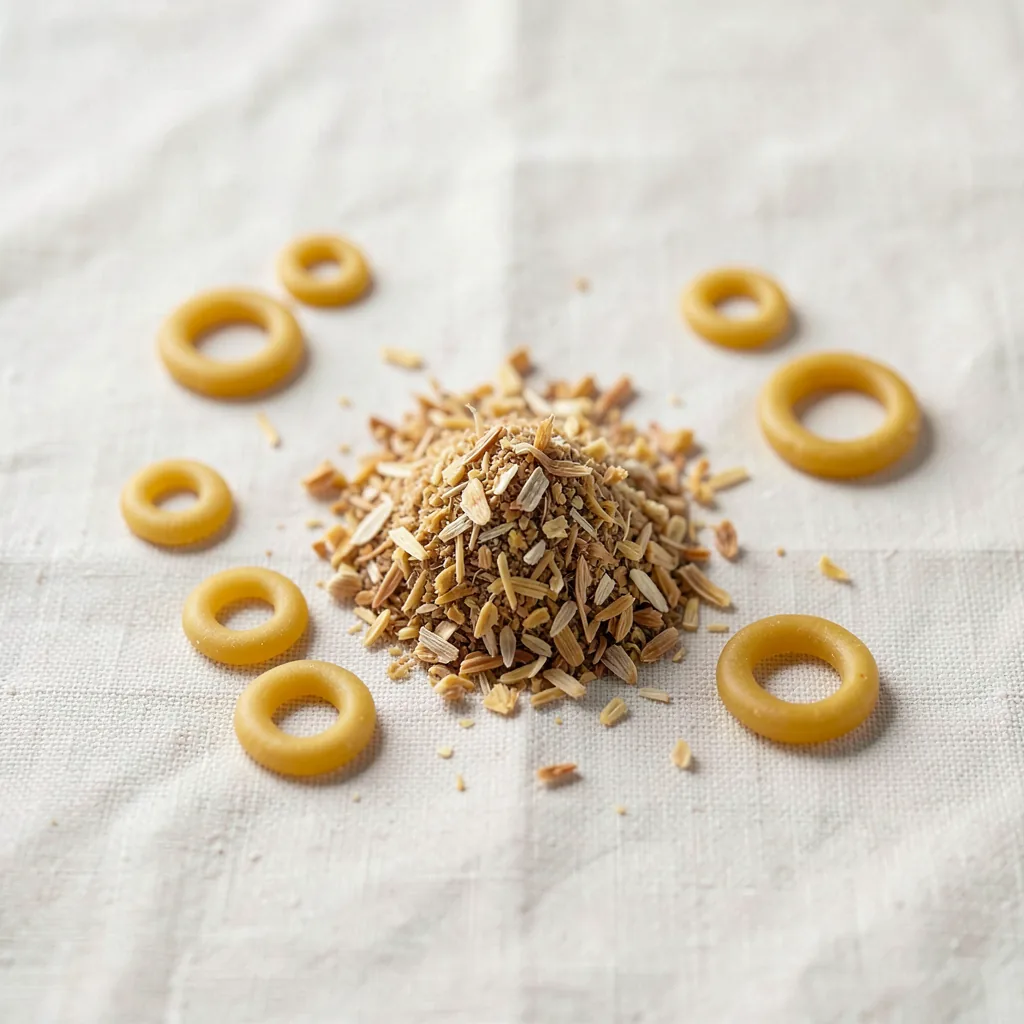
- Wolf's eyes, for the round open ends.
- Occhi di passero
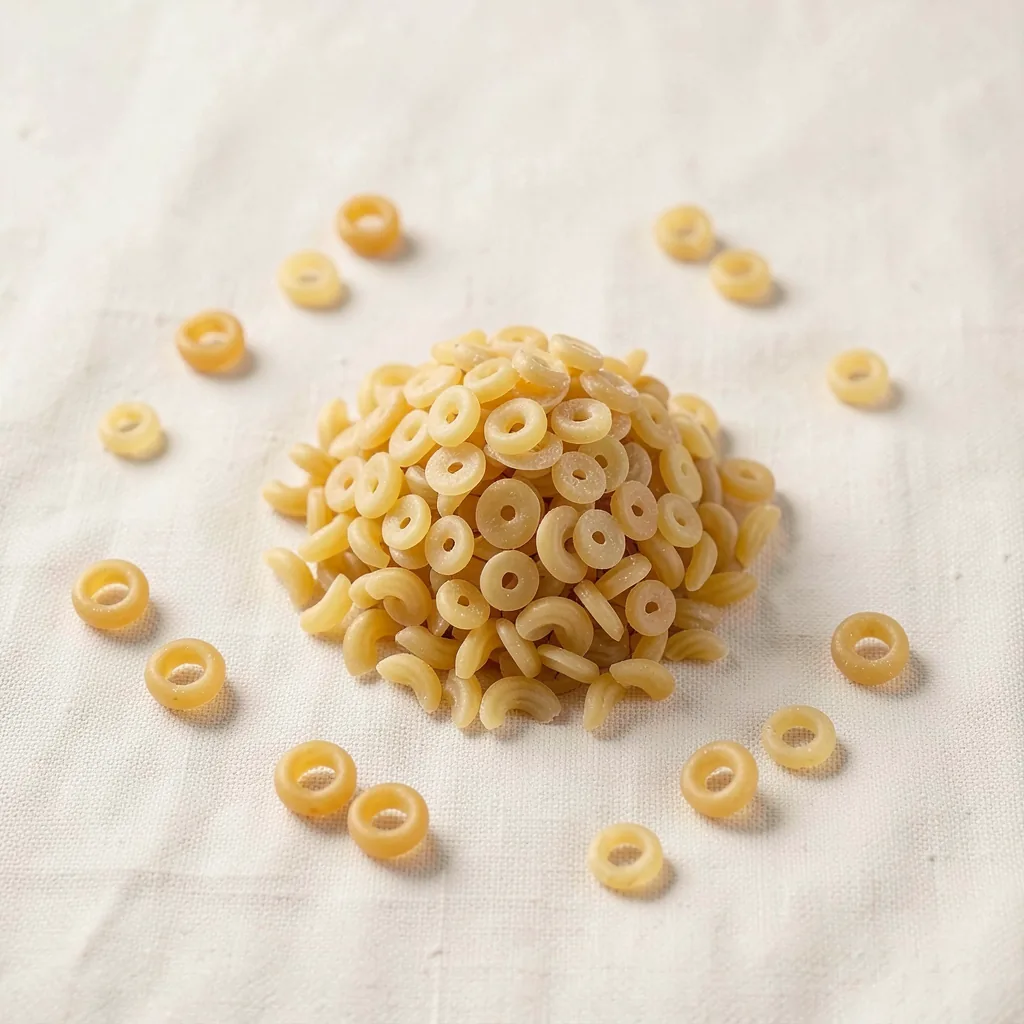
- Sparrow's eyes. The tiny ring with a hole looks like a small bird's eye.
- Occhi di pernice
- Partridge's eyes.
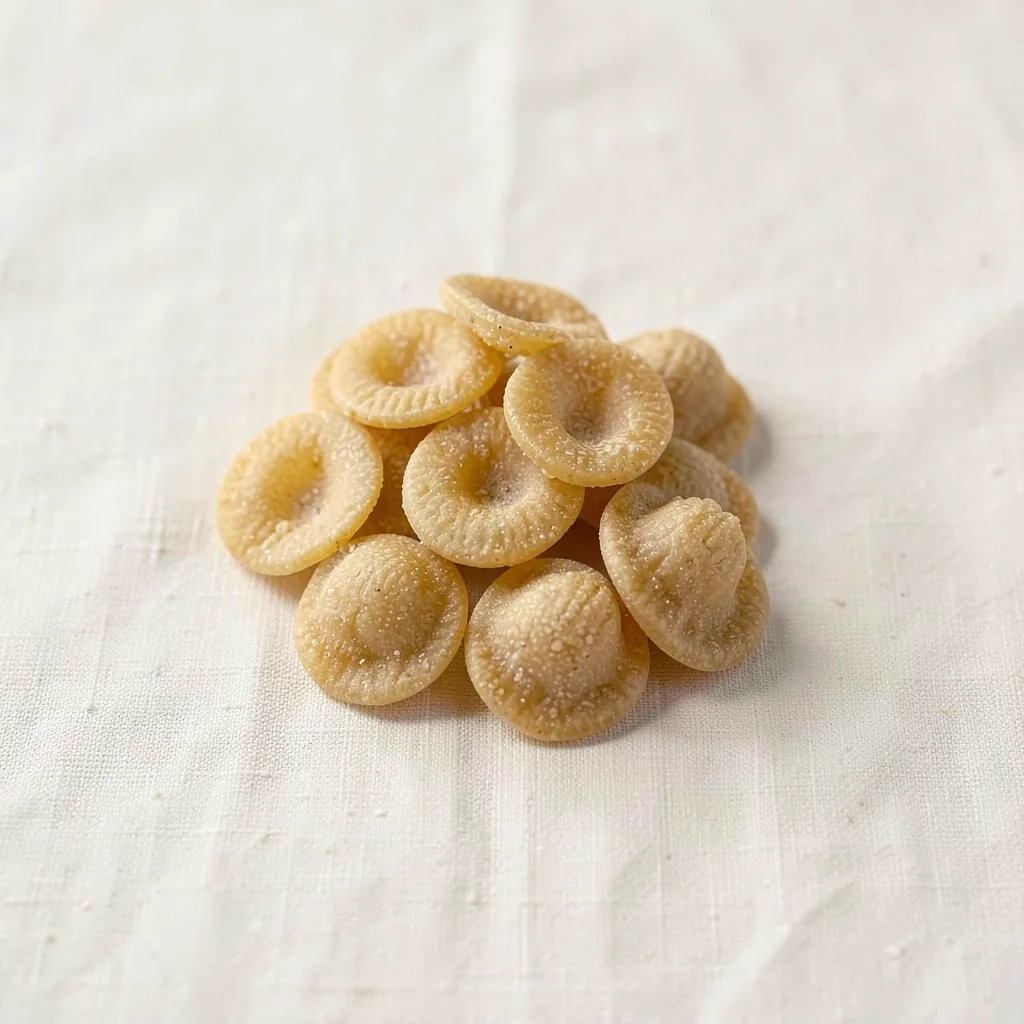
- Orecchietteoh-rek-KYET-teh
- Little ears.
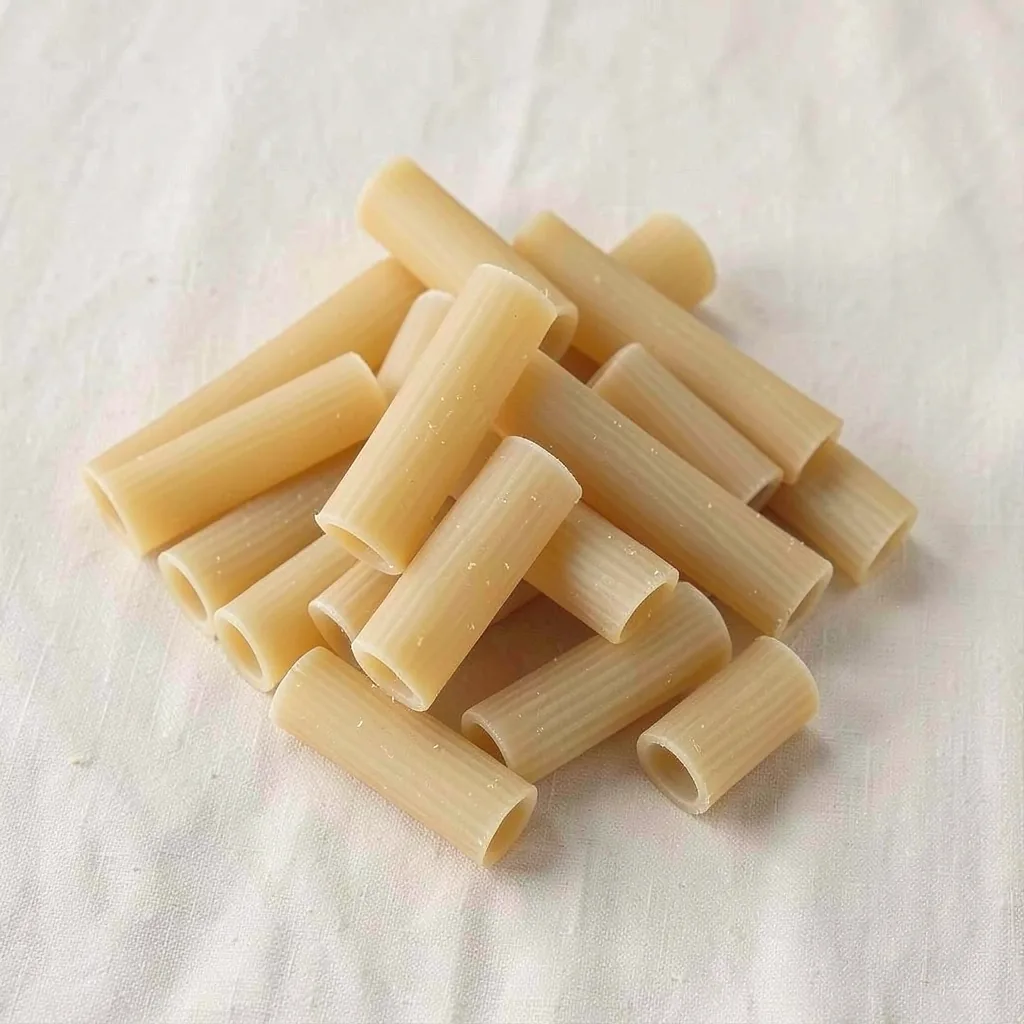
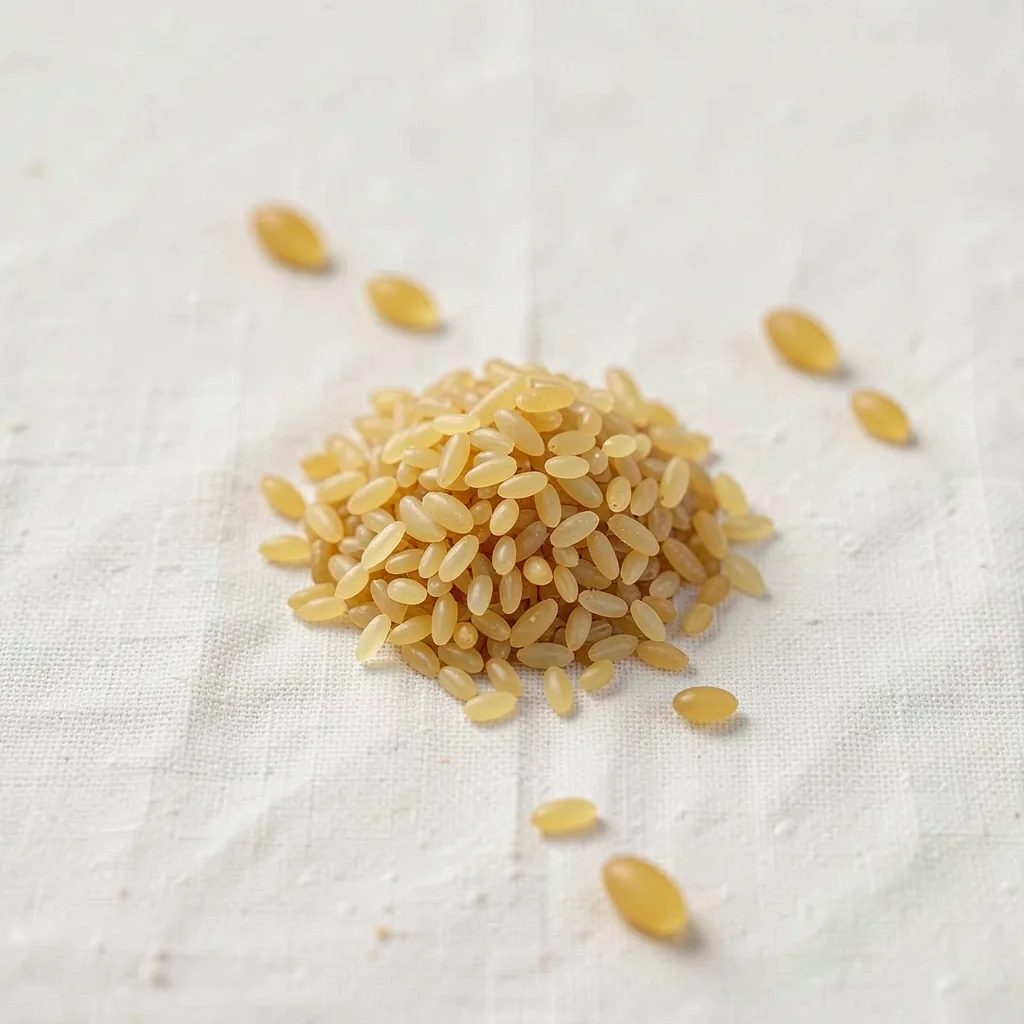
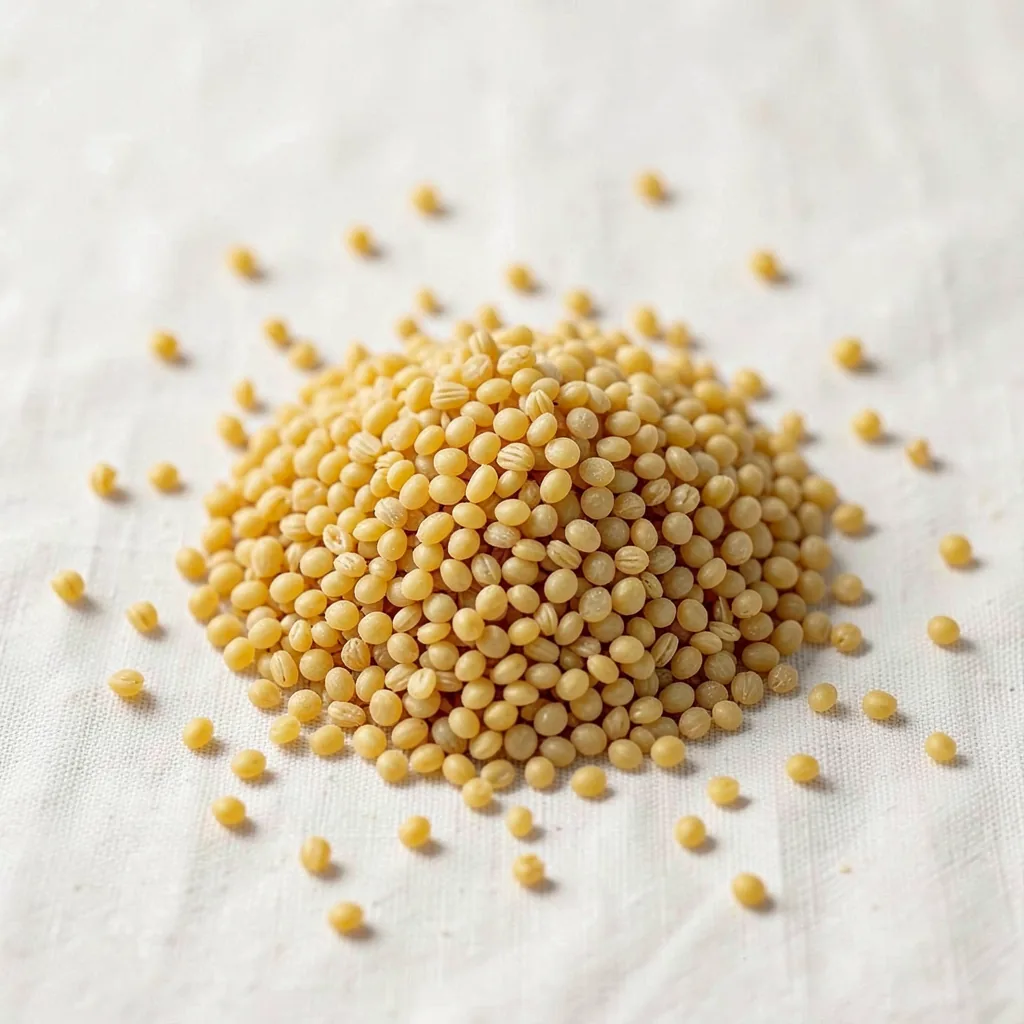
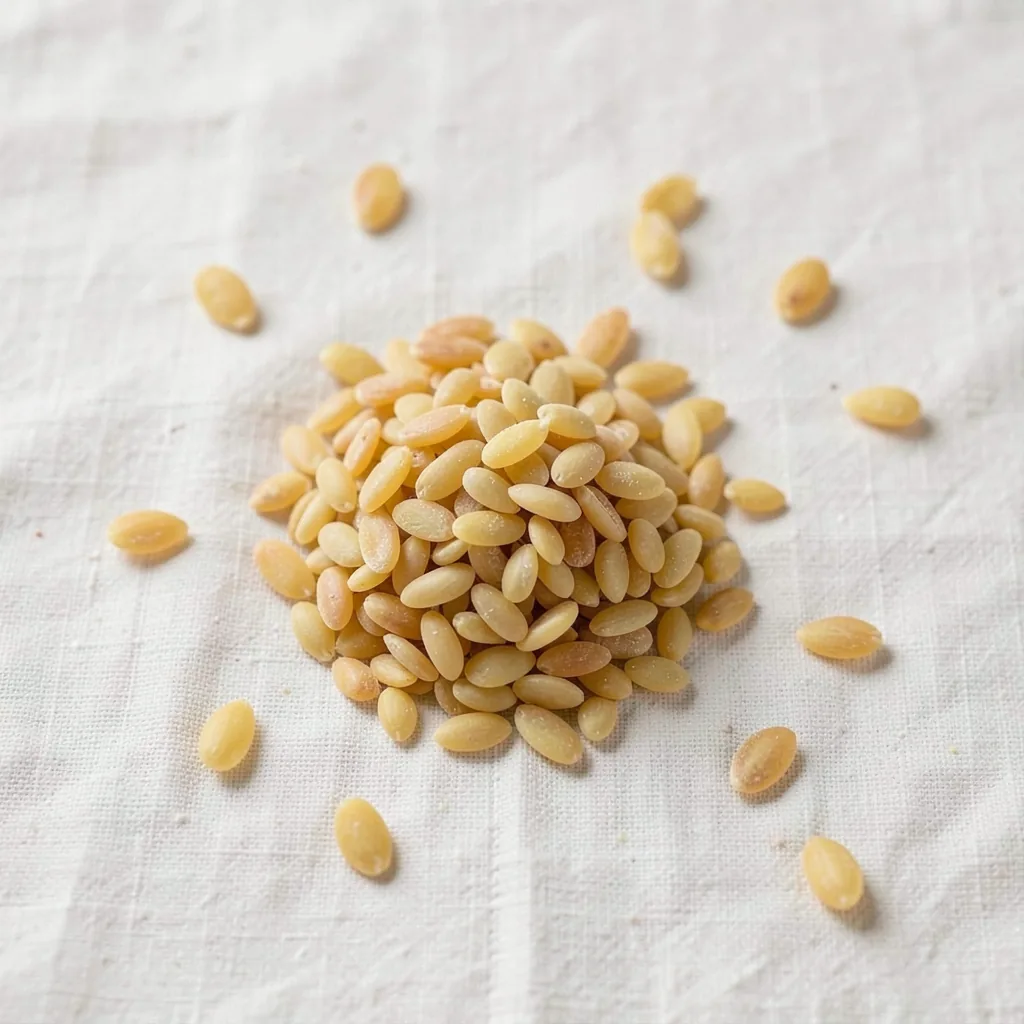
- OrzoOR-tsoh
- Barley. Risoni, big rice, is the Italian shelf name; orzo is the American one.
P
- PaccheriPAK-keh-ree
- From the Neapolitan pacchero, a slap, for the sound they make hitting the plate.
- Pansottipan-SOT-tee
- Pot-bellied, from pancia, belly.
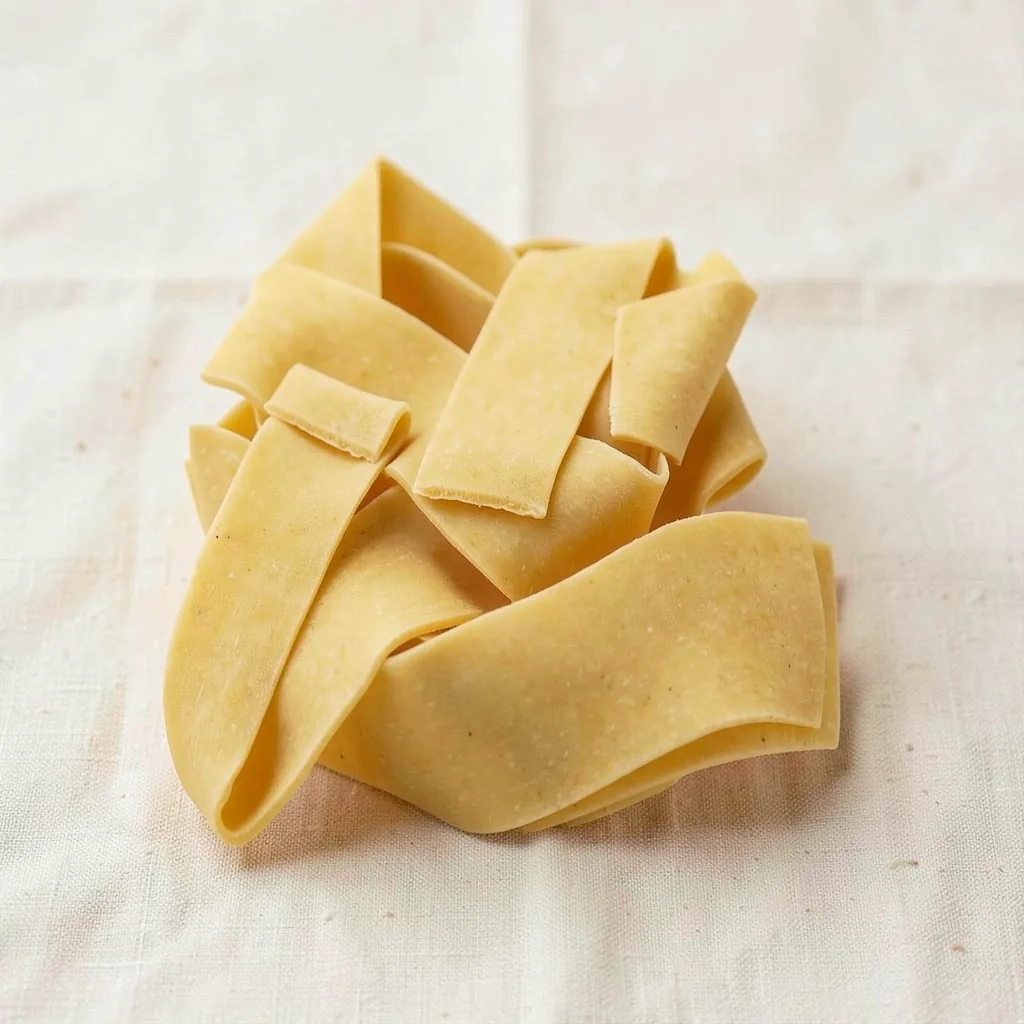
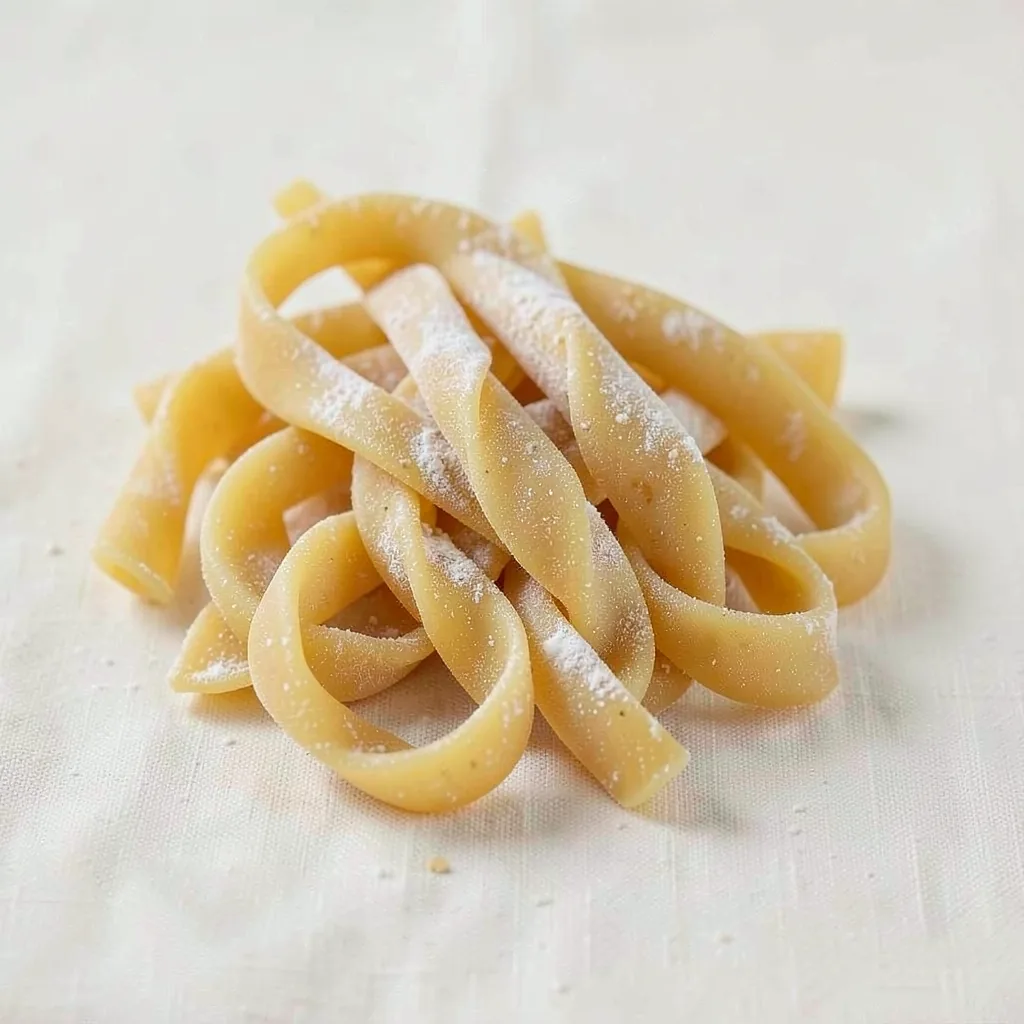
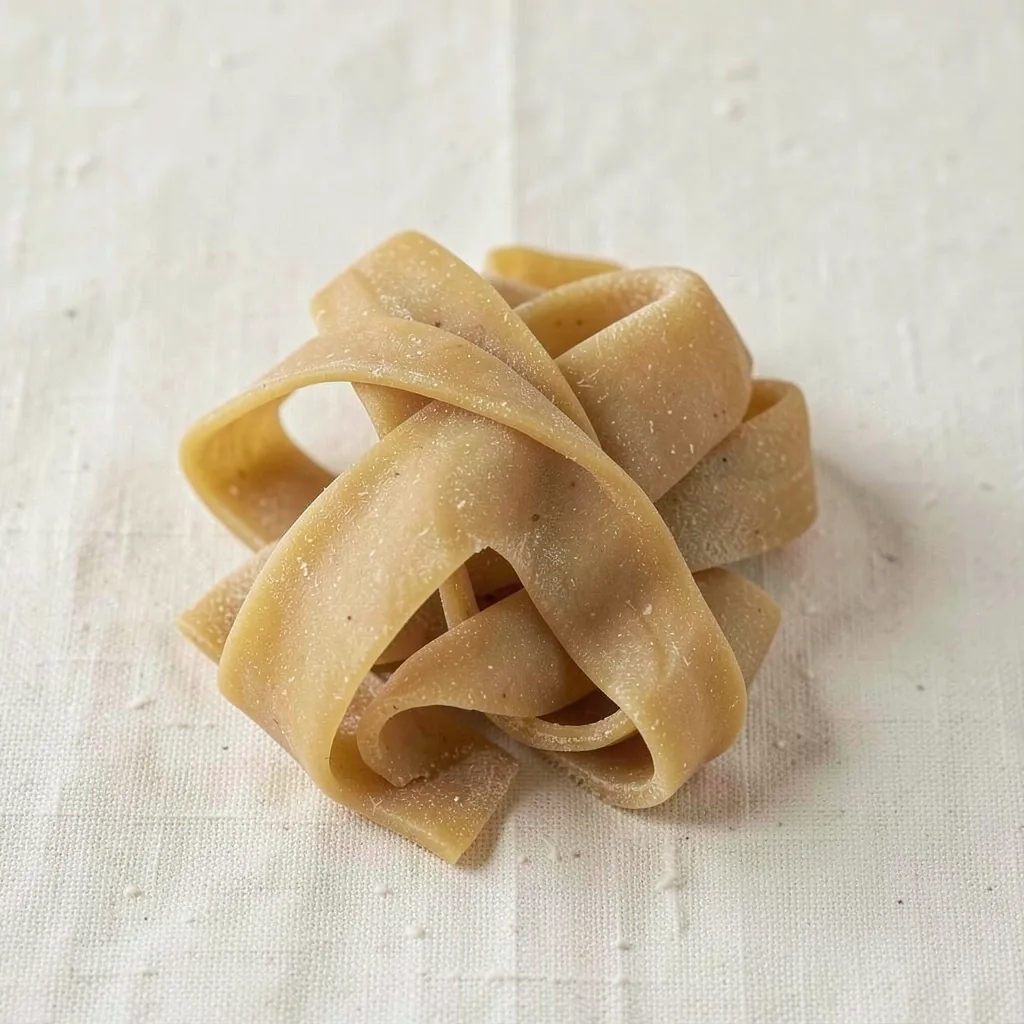
- Pappardellepap-par-DEL-leh
- From pappare, Tuscan for to gobble up.
- parmatieddi
- From parmi, the local word for palms: the palm fronds of Palm Sunday, or the palm of the hand that shapes them.
- Pasta al ceppo
- Ceppo means a log or a stick. The name describes a strip of dough rolled around a stick, like a cinnamon stick.
- Pastinapas-TEE-nah
- Little pasta.
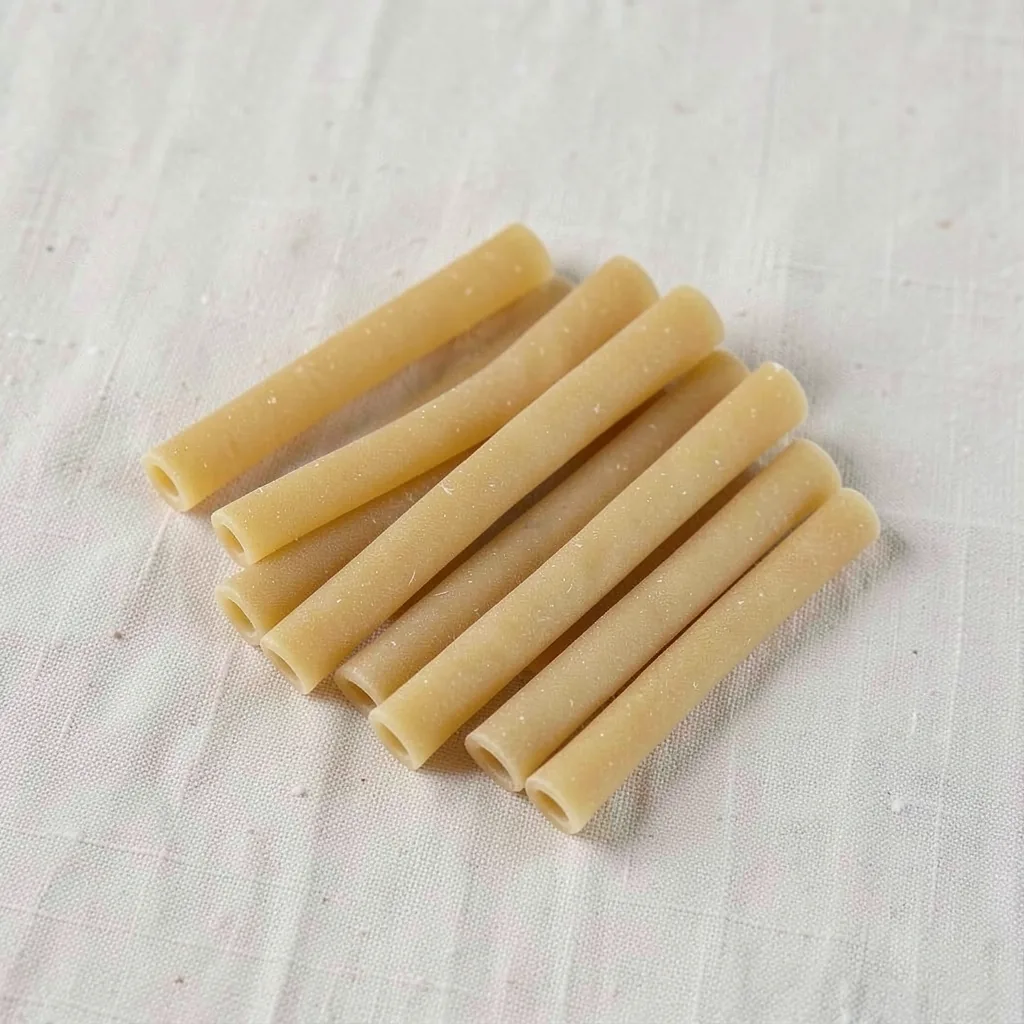
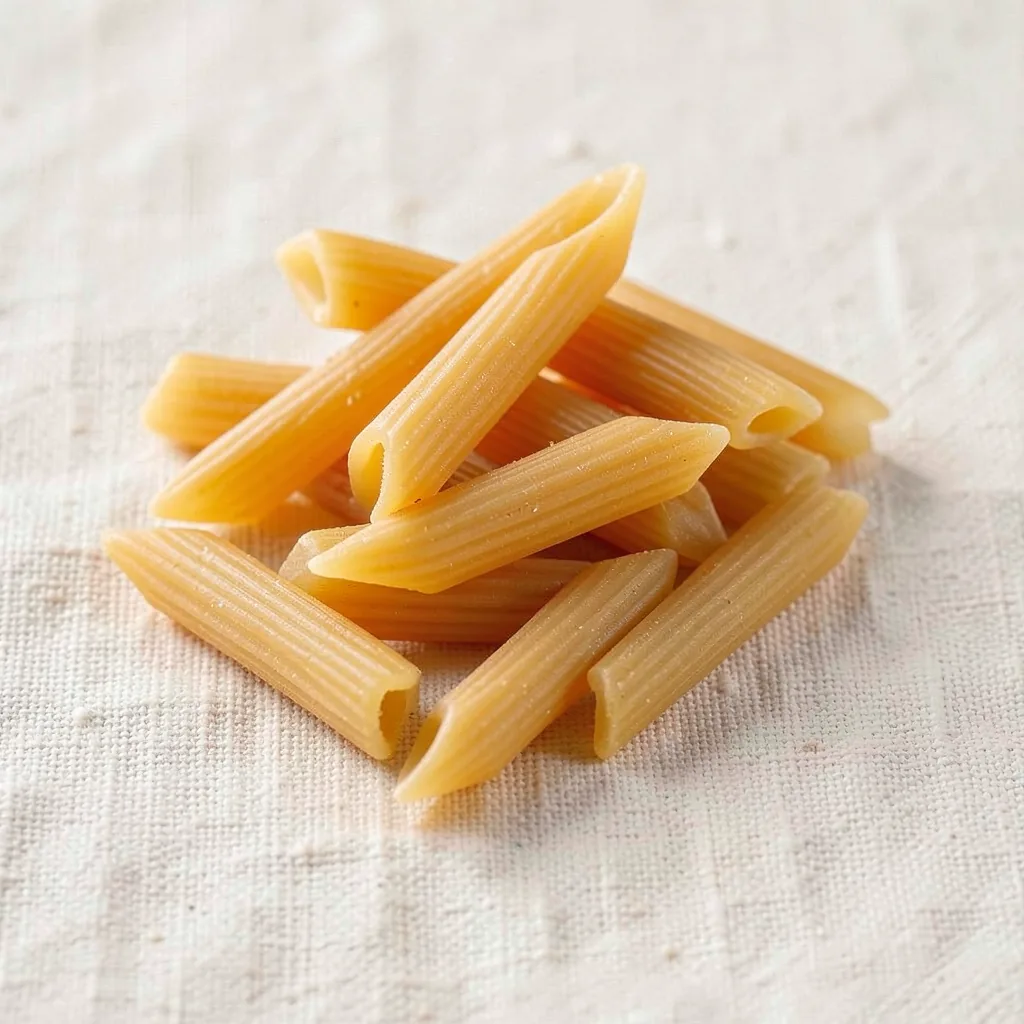
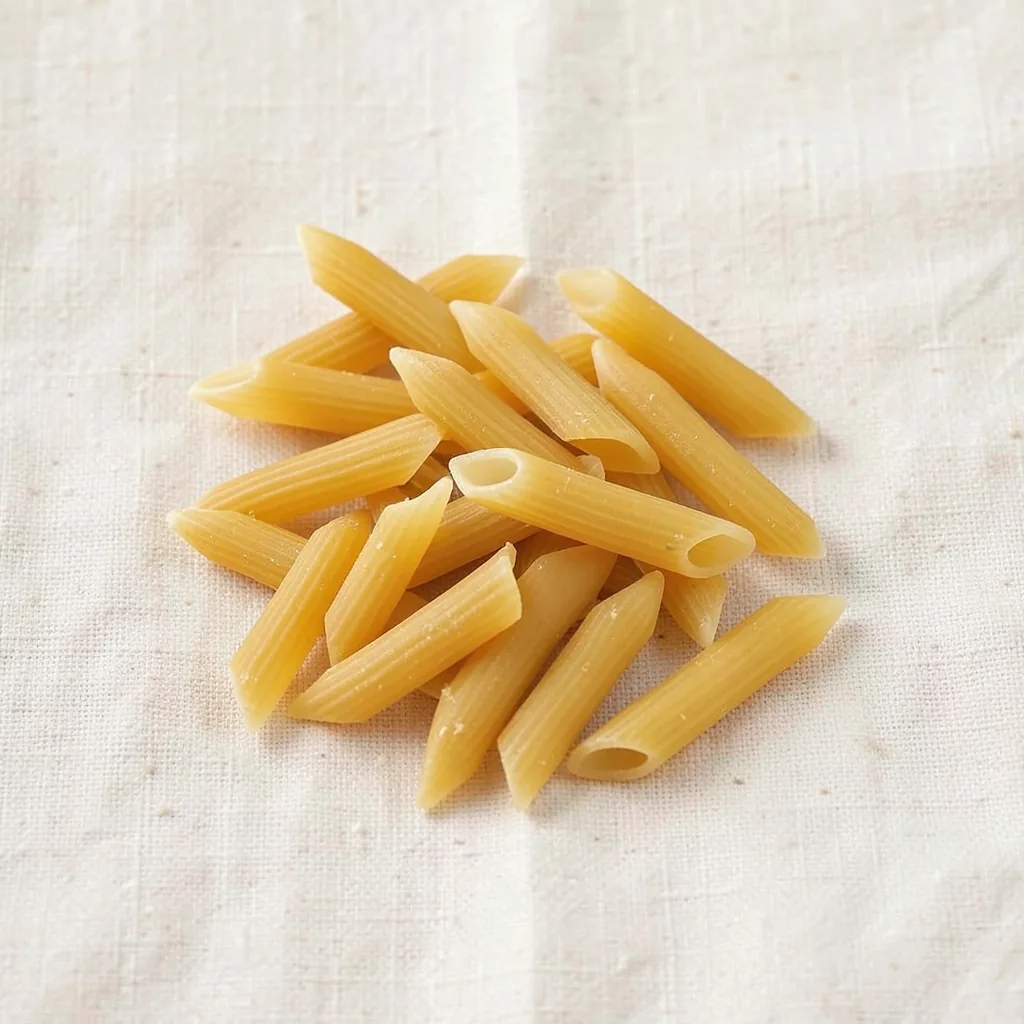
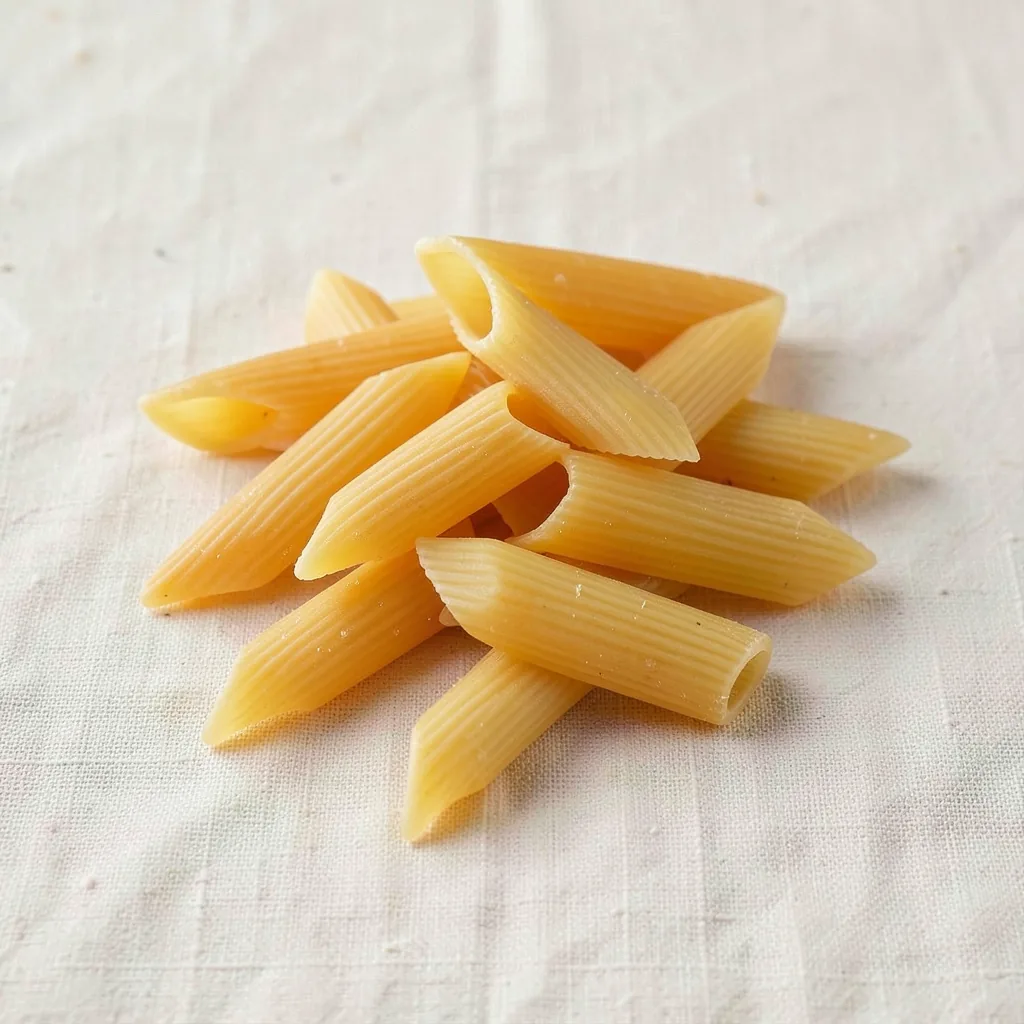
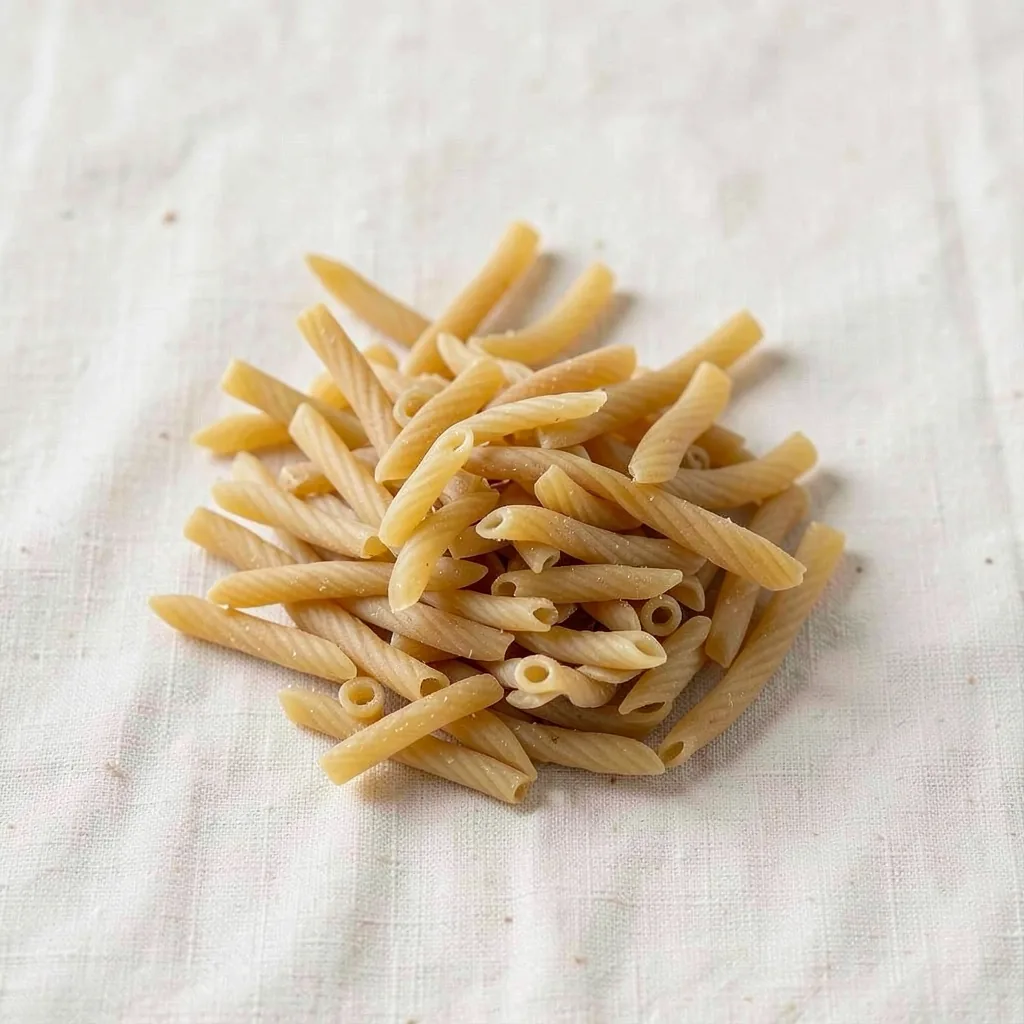
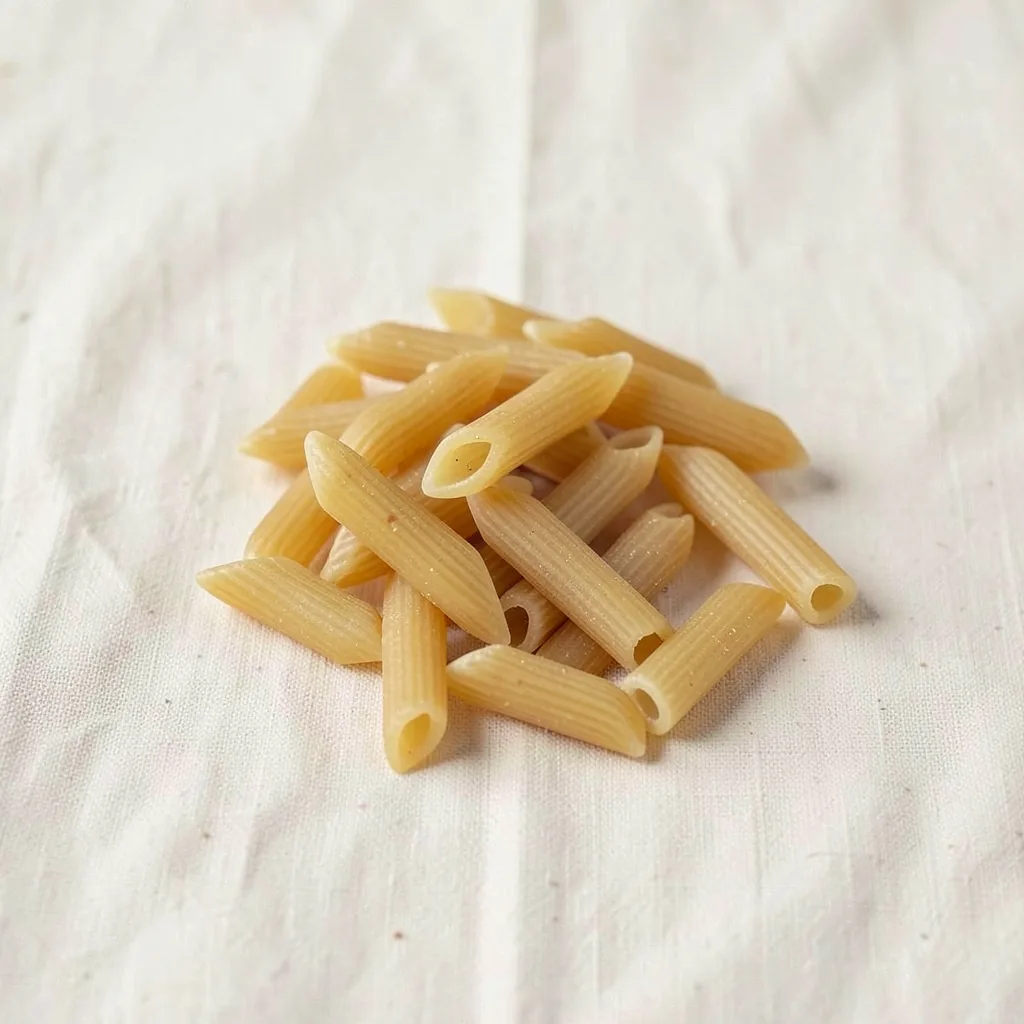
- PennePEN-neh
- From penna, a quill pen. The diagonal cut is the nib. A Genoese pasta maker patented the cutting machine in 1865.
- Penne liscePEN-neh LEE-sheh
- Penne with liscio, smooth.
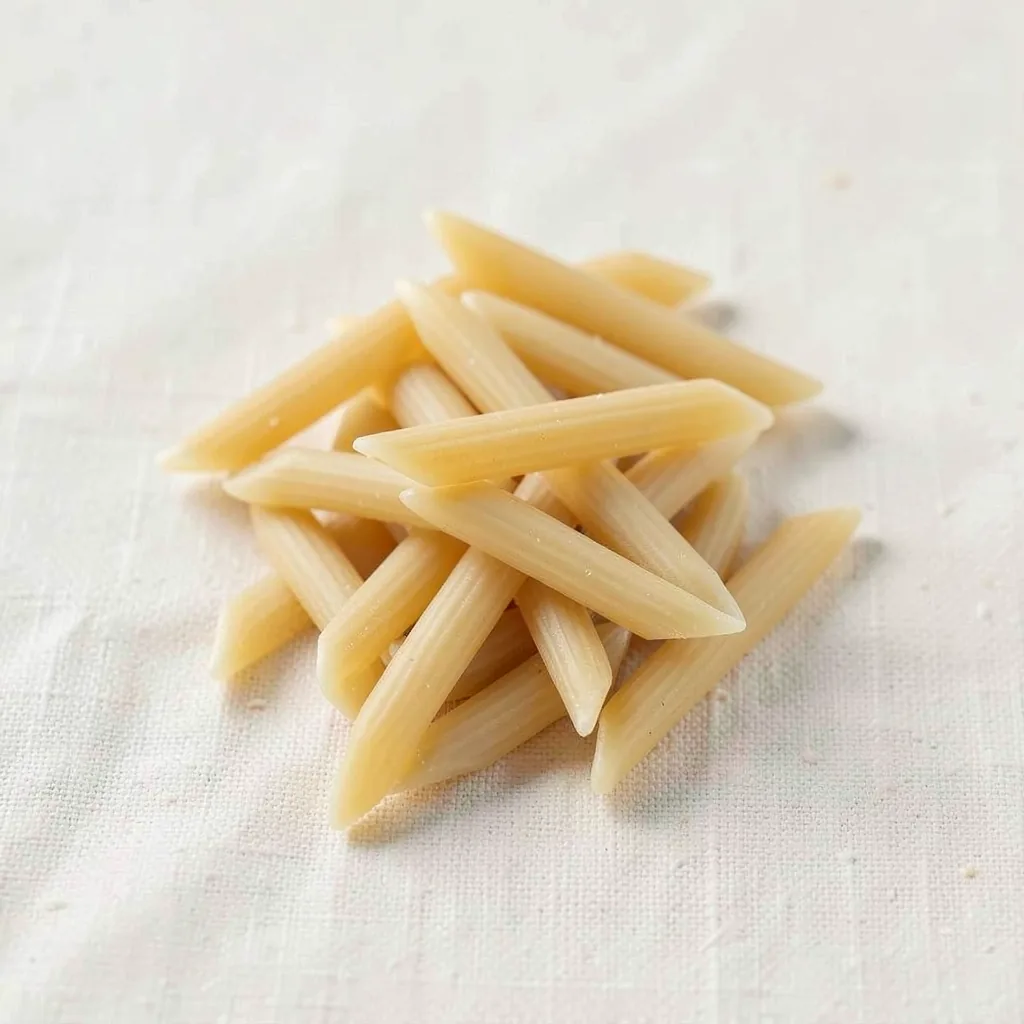
- Pennettepen-NET-teh
- Penne with the diminutive -ette. Little quills. Pennettine are smaller still.
- Pennonipen-NOH-nee
- Penne with the augmentative -oni. Big quills.
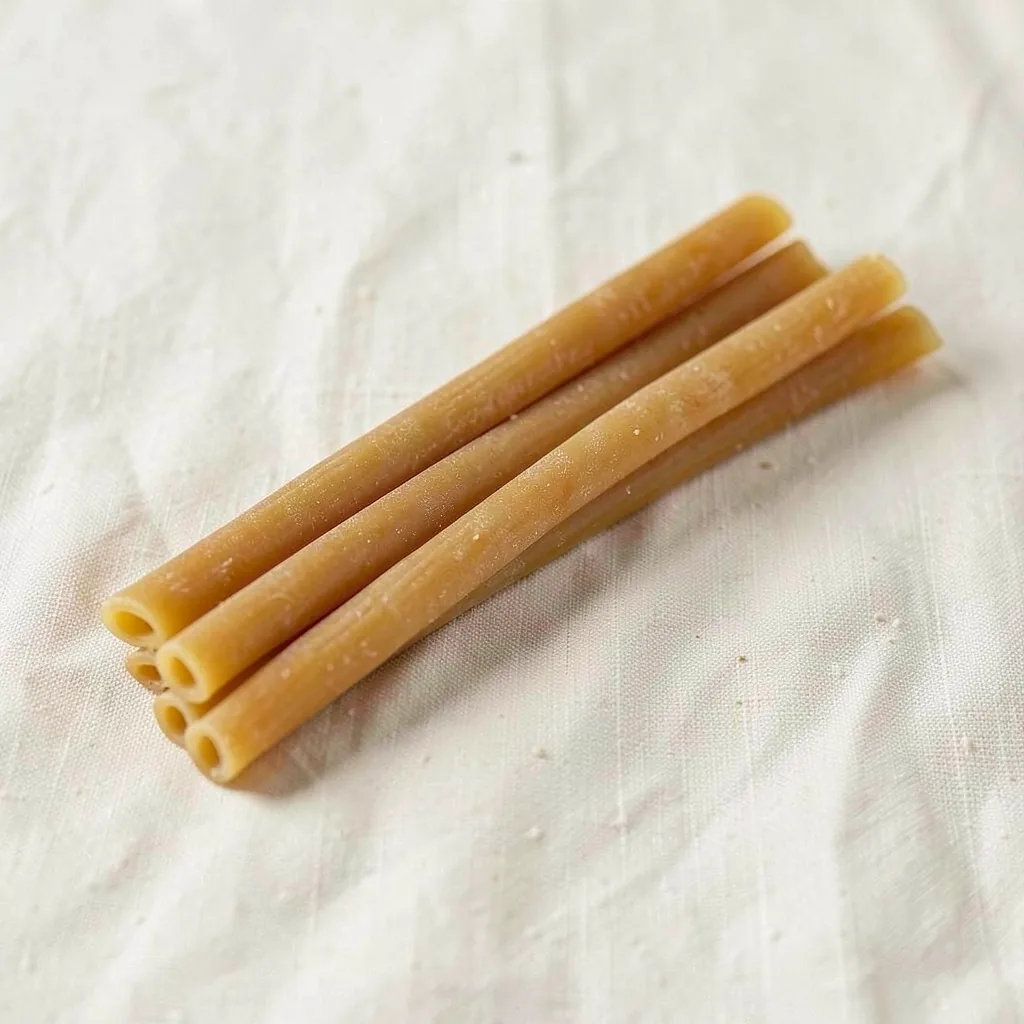
- Perciatelliper-chah-TEL-lee
- From perciare, Neapolitan for to pierce. Pierced strands.
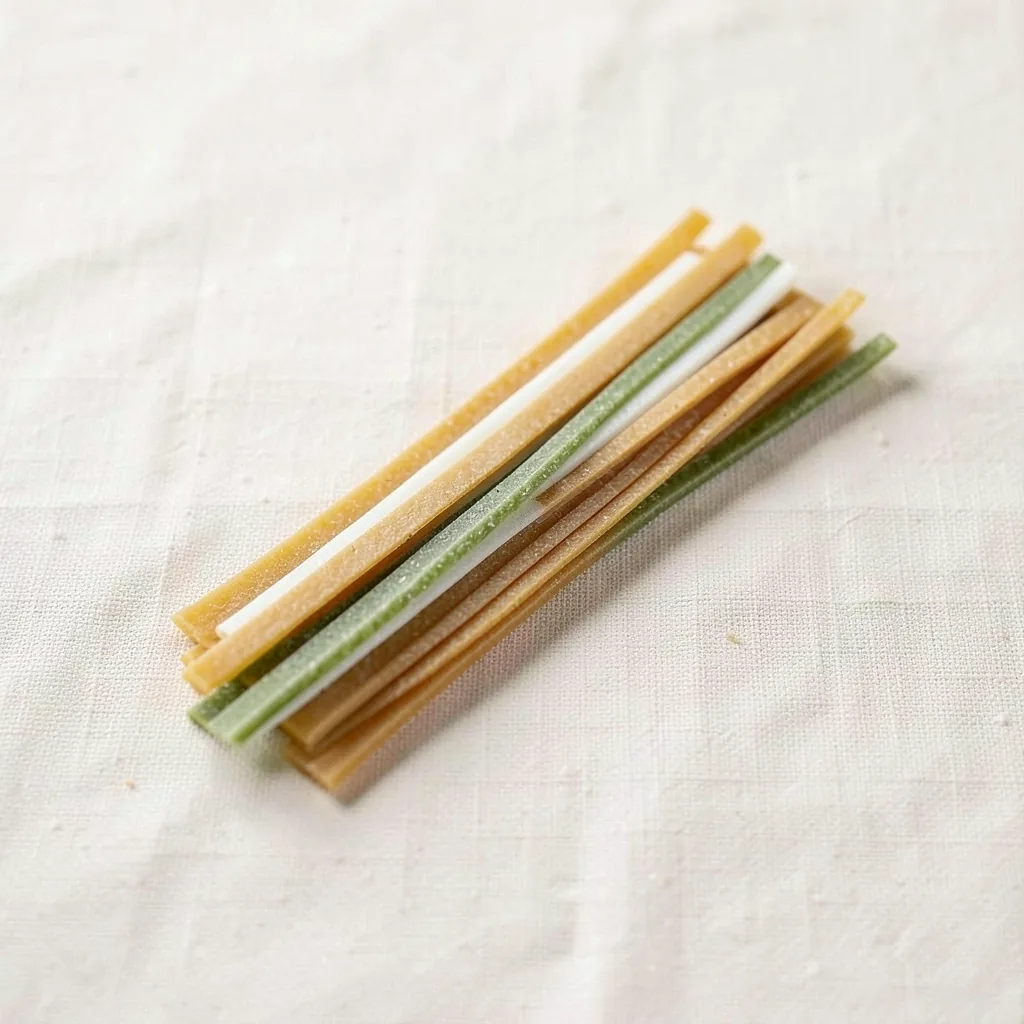
- Picagge
- In Genoese dialect the word means cotton ribbons or tapes. The Wikipedia list also reports a Savona sense: the ribbons a dressmaker uses.
- PiciPEE-chee
- From appiciare, Tuscan for to roll between the hands. Umbria calls the same pasta umbricelli or strangozzi.
- Piombi
- Piombi means leads, as in lead shot. The name describes small round pellets of pasta.
- Pipe rigatePEE-peh ree-GAH-teh
- Pipes, for the bent tube. Lumache, snails, is the other name for the same shape.
- pisarei
- From Piacenza dialect. Most sources link it to pisarell, a small penis, from the verb pisä. Others cite Spanish pisar, to press.
- Pizzarellepit-tsah-REL-leh
- Little pizze, from pizza in its old sense of a flat piece of dough.
- Pizzoccheripit-TSOK-keh-ree
- Uncertain. Possibly from pizzo, a piece, or from the Lombard bizzo, a mouthful.
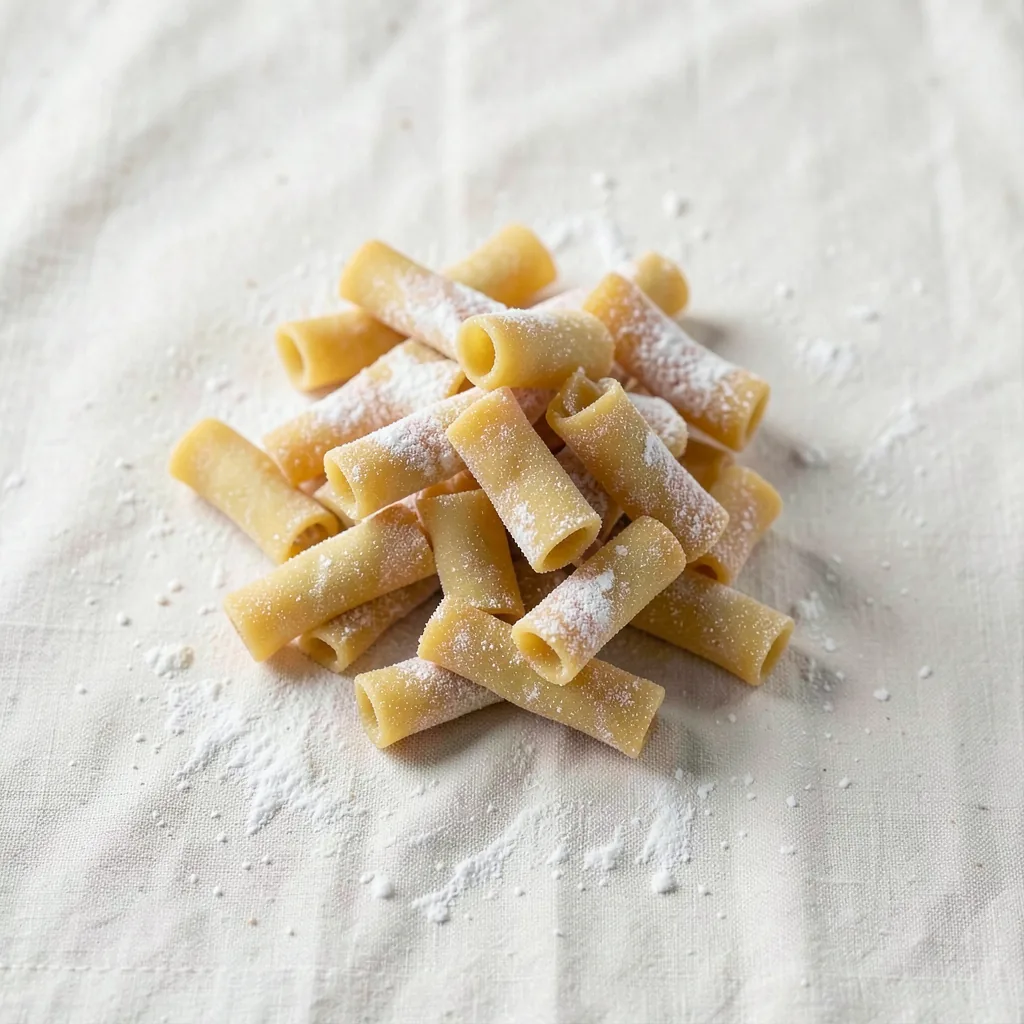
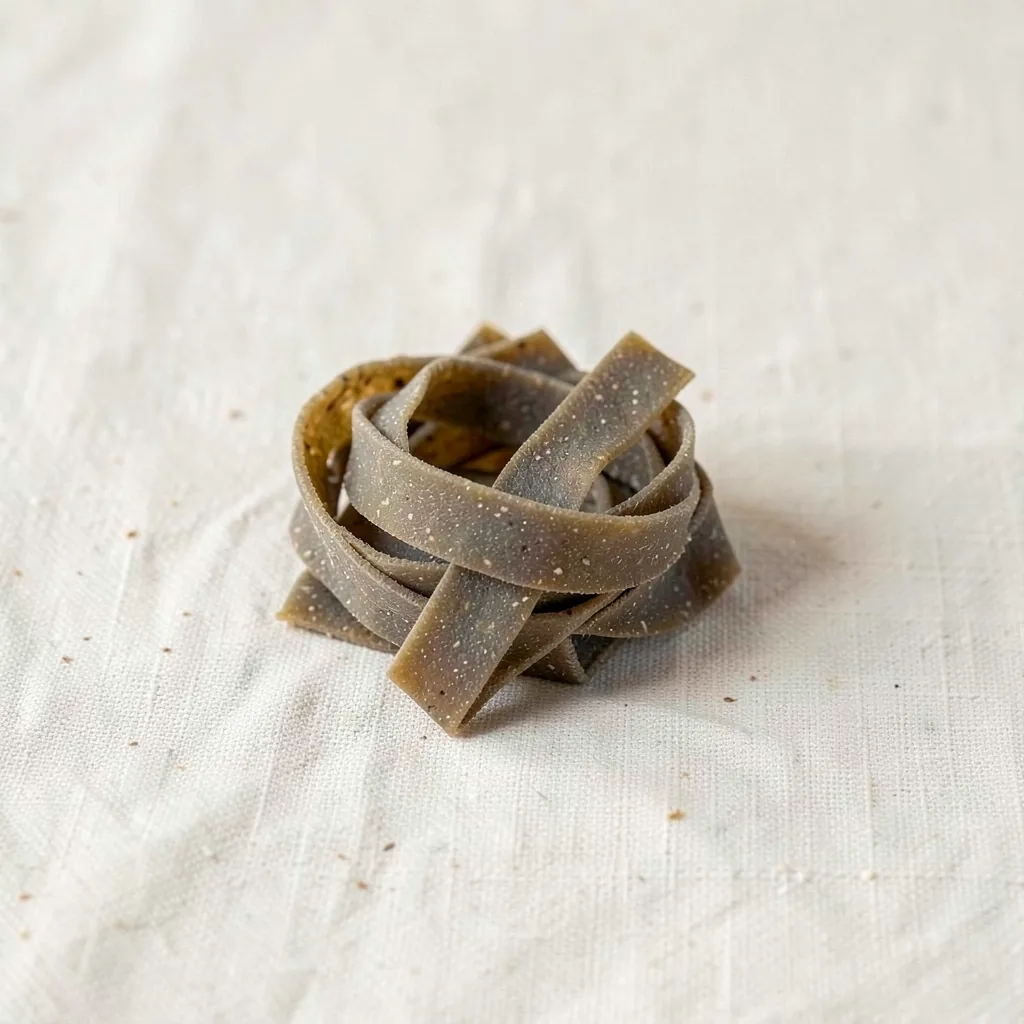
Q
- Quadrefiore
- From quadro, square, and fiore, flower: a square flower.
- Quadruccikwah-DROO-chee
- Little squares.
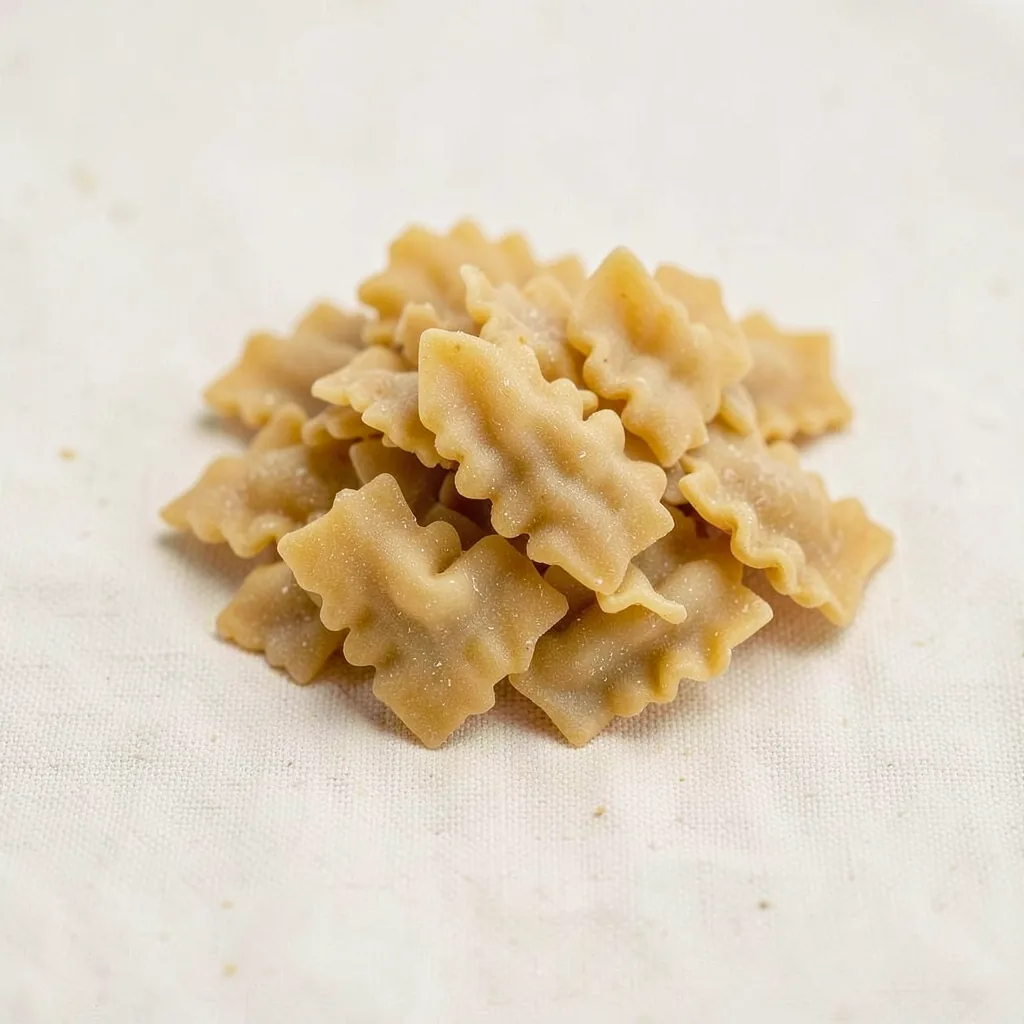
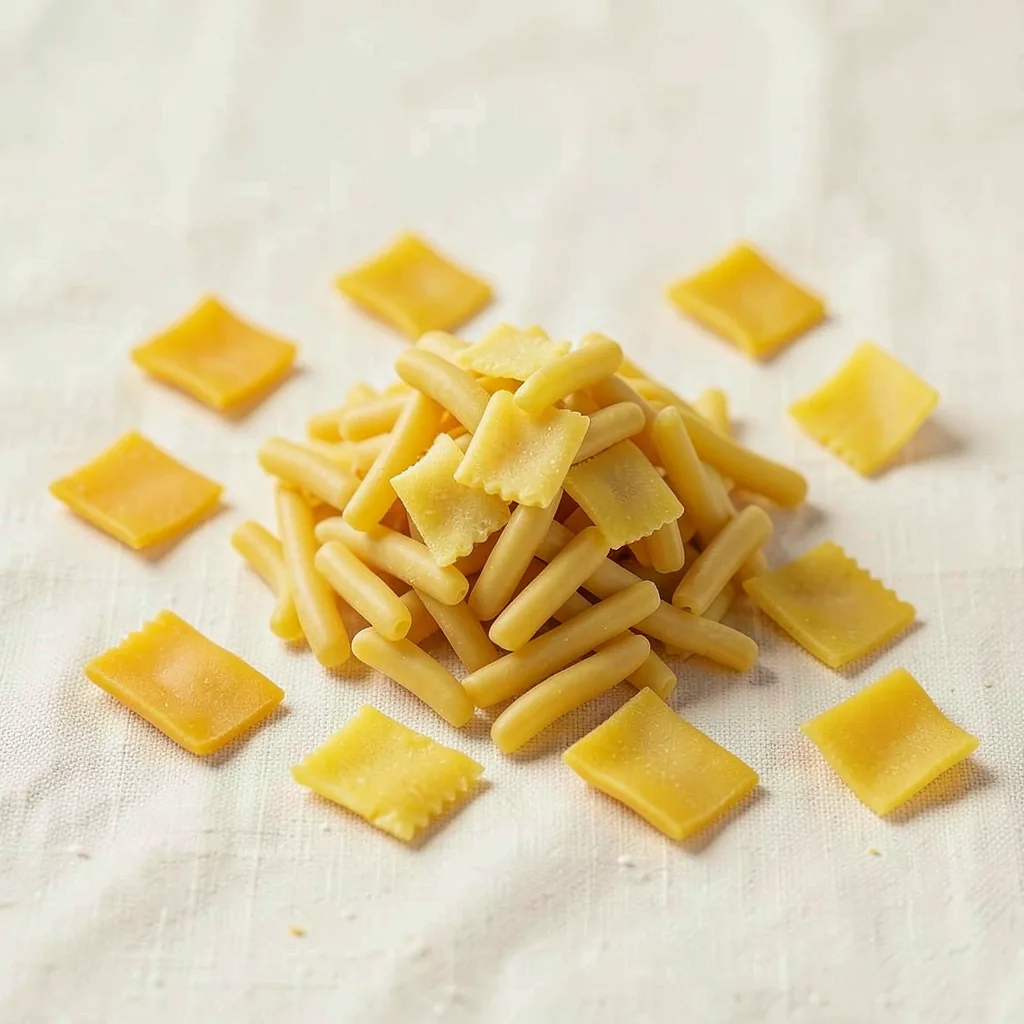
R
- Radiatorirah-dee-ah-TOH-ree
- Radiators. A twentieth-century industrial shape, named for the finned engine part.
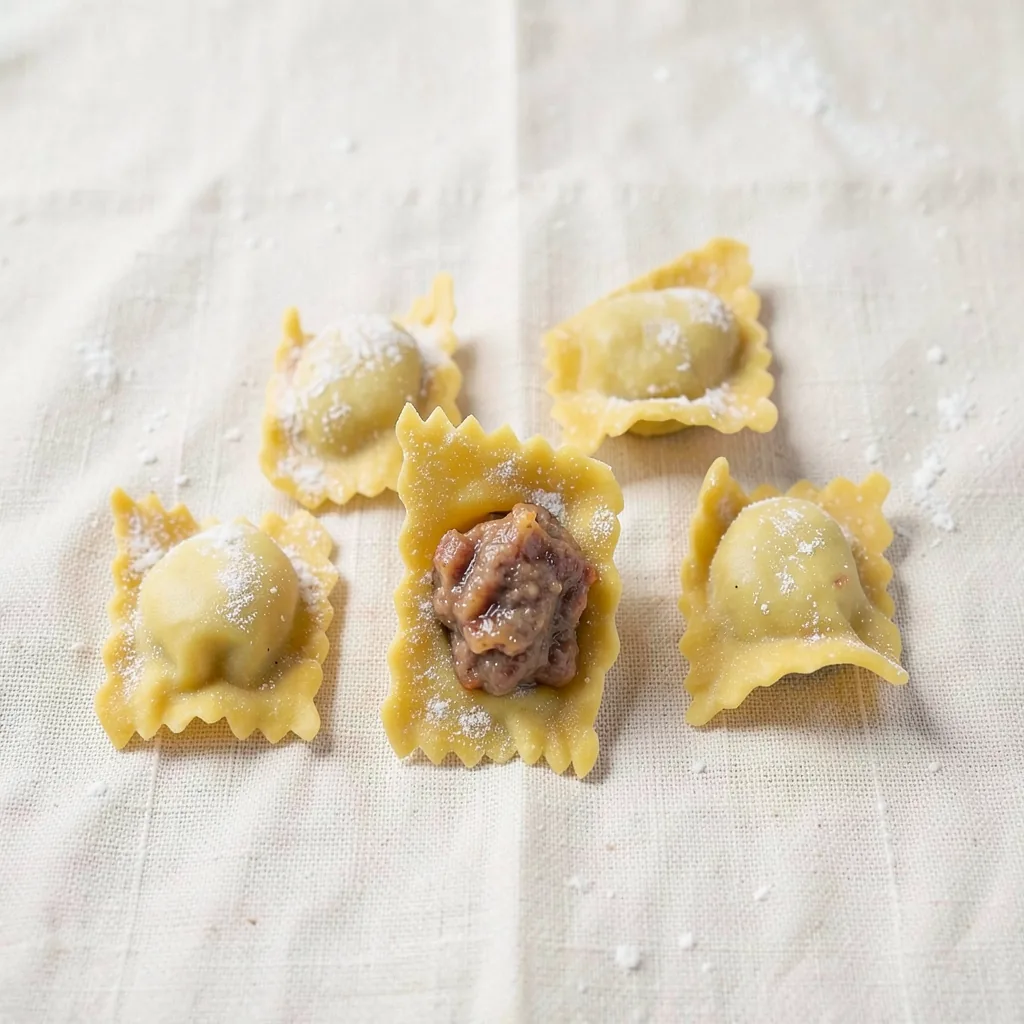
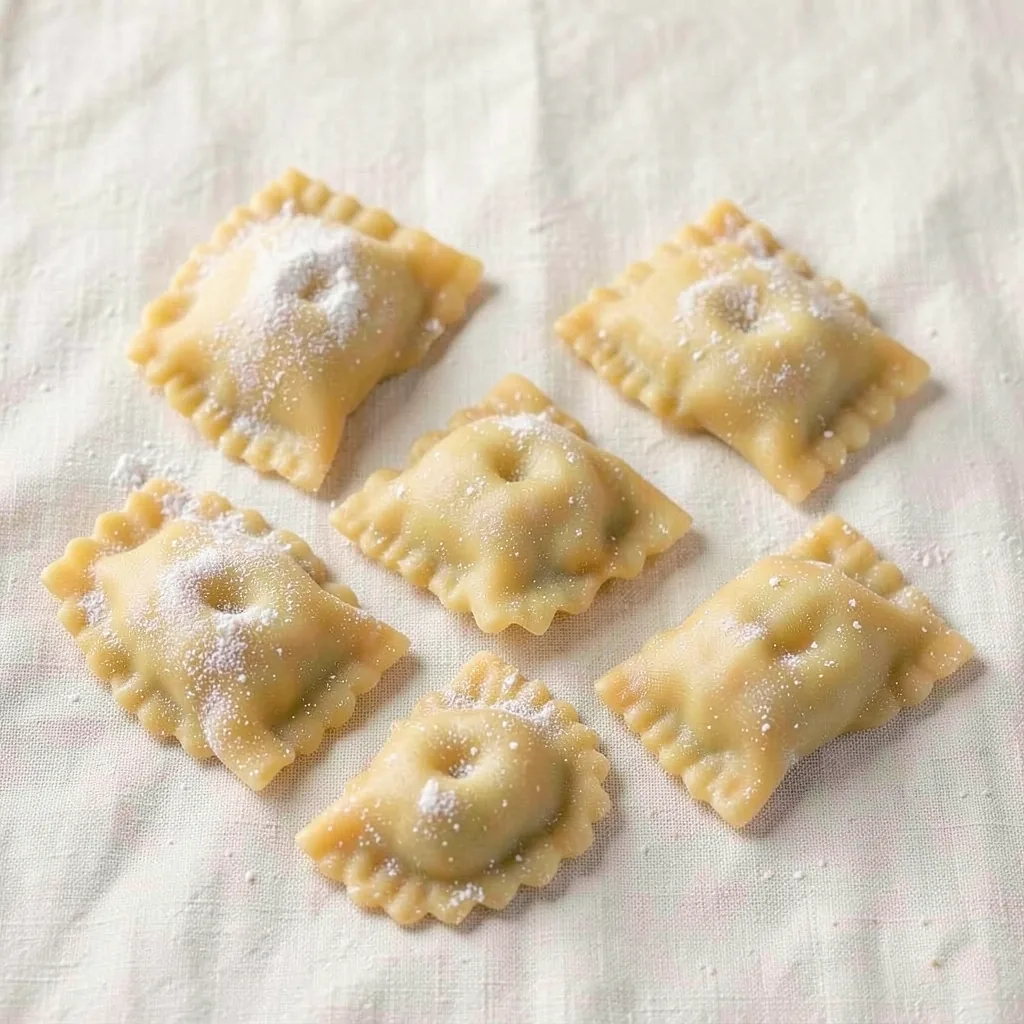
- Raviolirah-vee-OH-lee
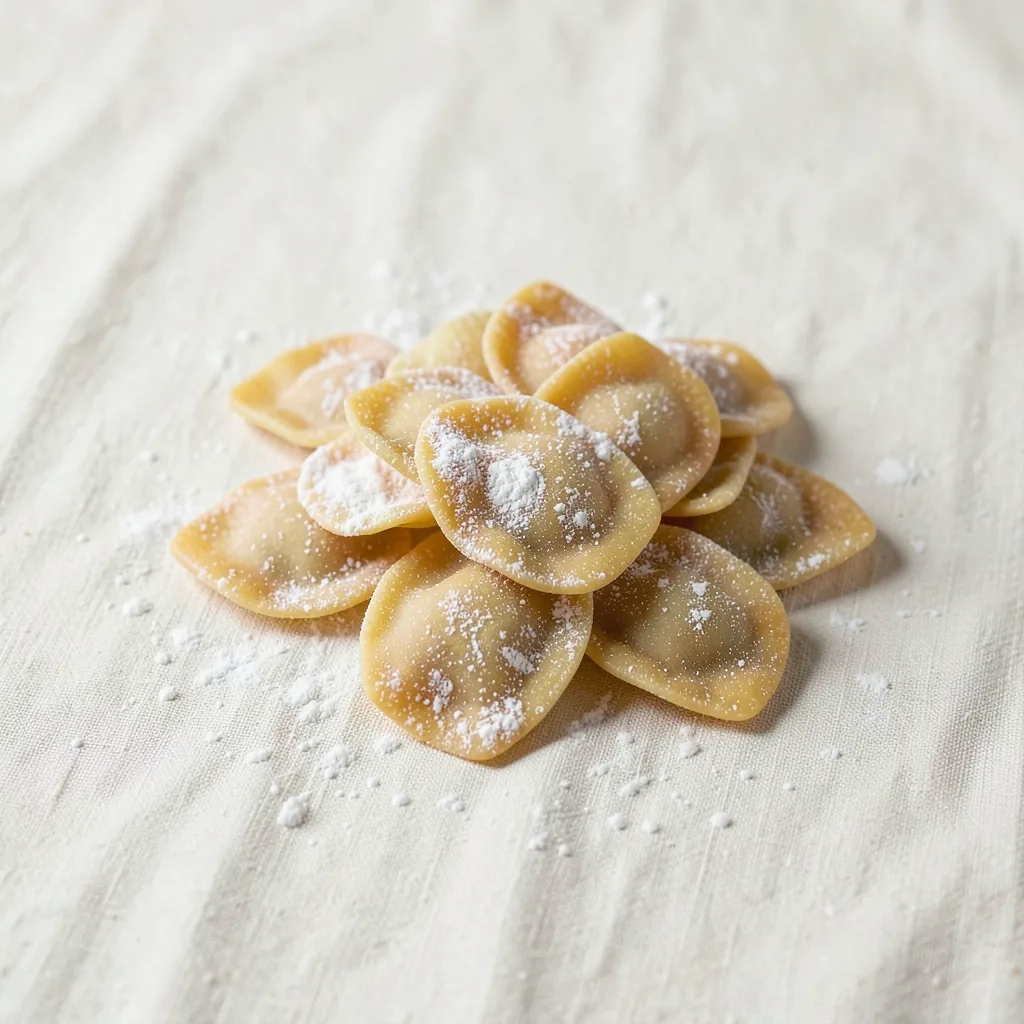
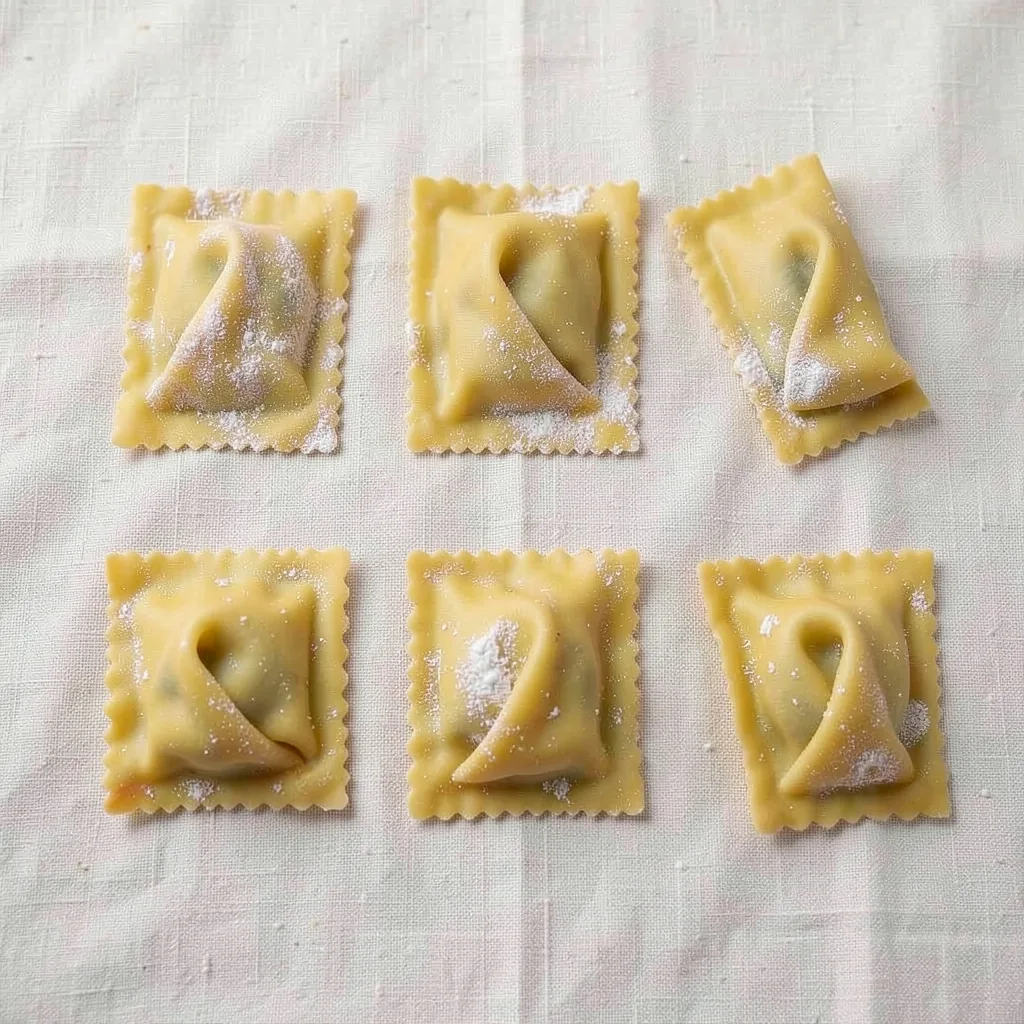
- Possibly from rabiole, Genoese for leftovers, the scraps that went into the filling. First recorded in the 1200s.
- Riccioli
- Riccioli means curls. The name describes the loose spiral of each piece.
- Ricciolini
- Diminutive of riccioli, curls: little curls.
- Ricciutelle
- From riccio, curly: little curly ones.
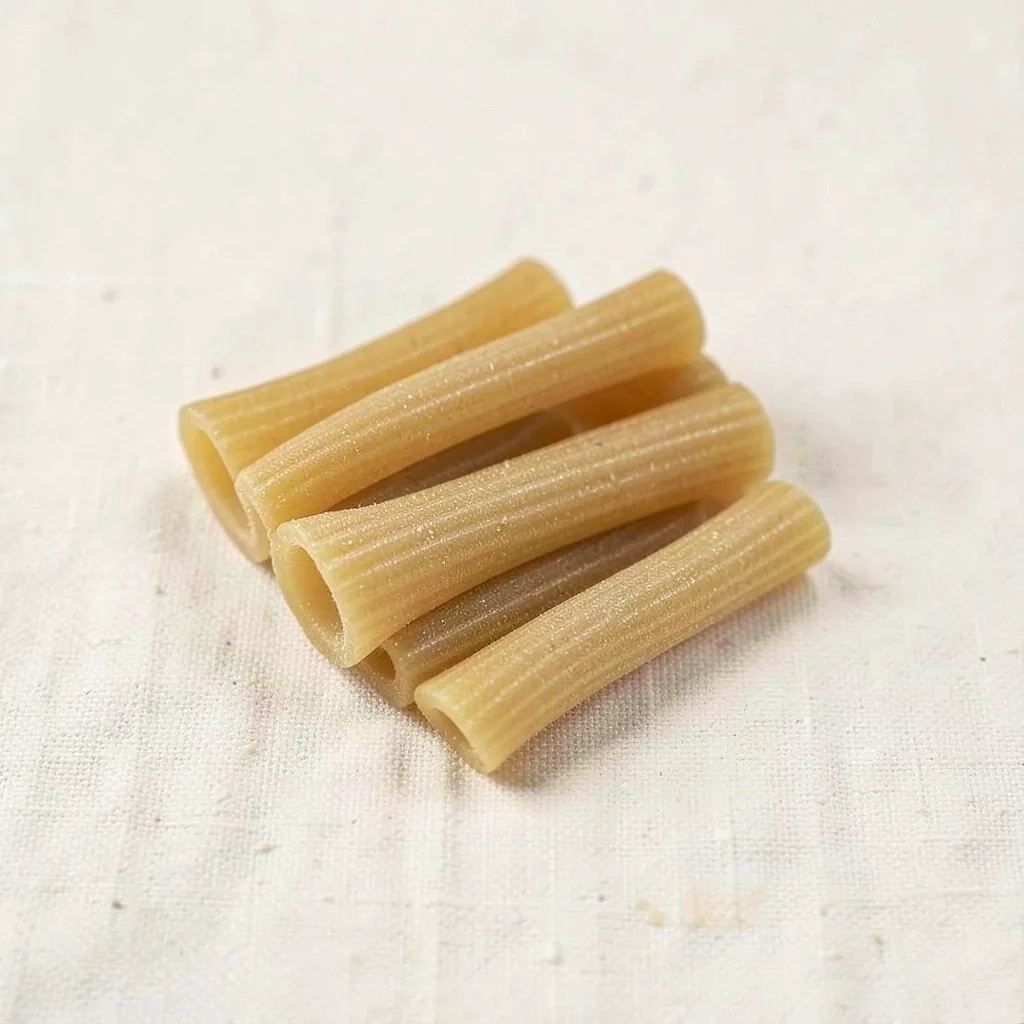
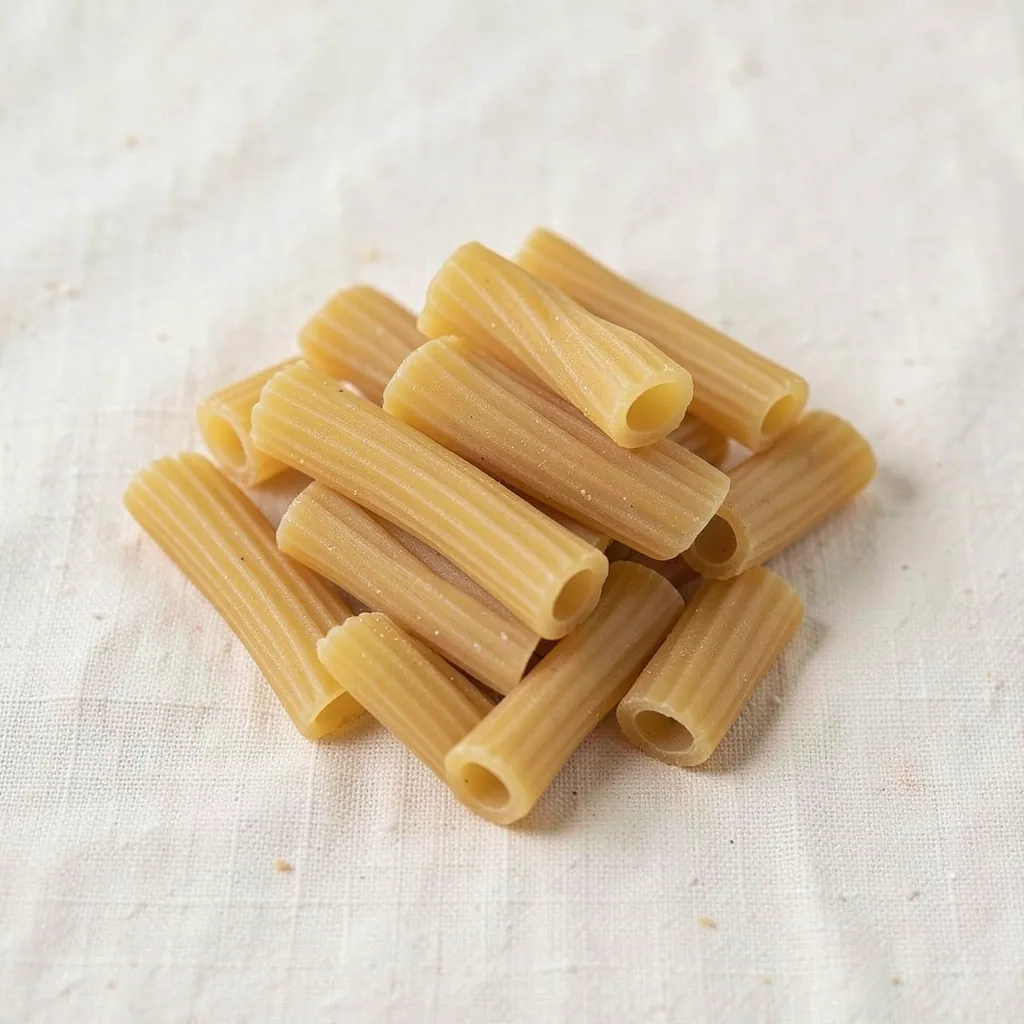
- Rigatoniree-gah-TOH-nee
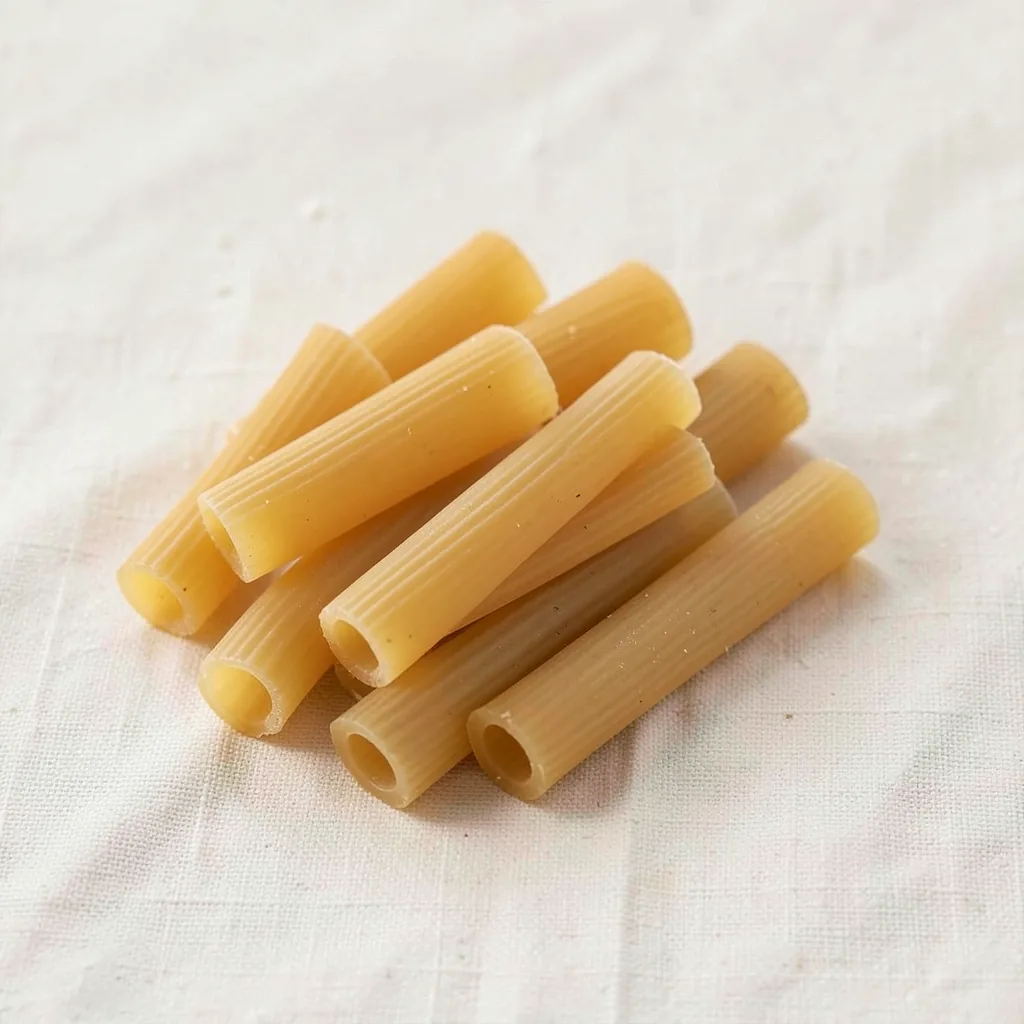
- From rigato, lined or grooved, with the augmentative -oni. The big grooved ones.
- Rombi
- Rombi is the plural of rombo, a rhombus. The name describes the diamond cut.
- Rotelleroh-TEL-leh
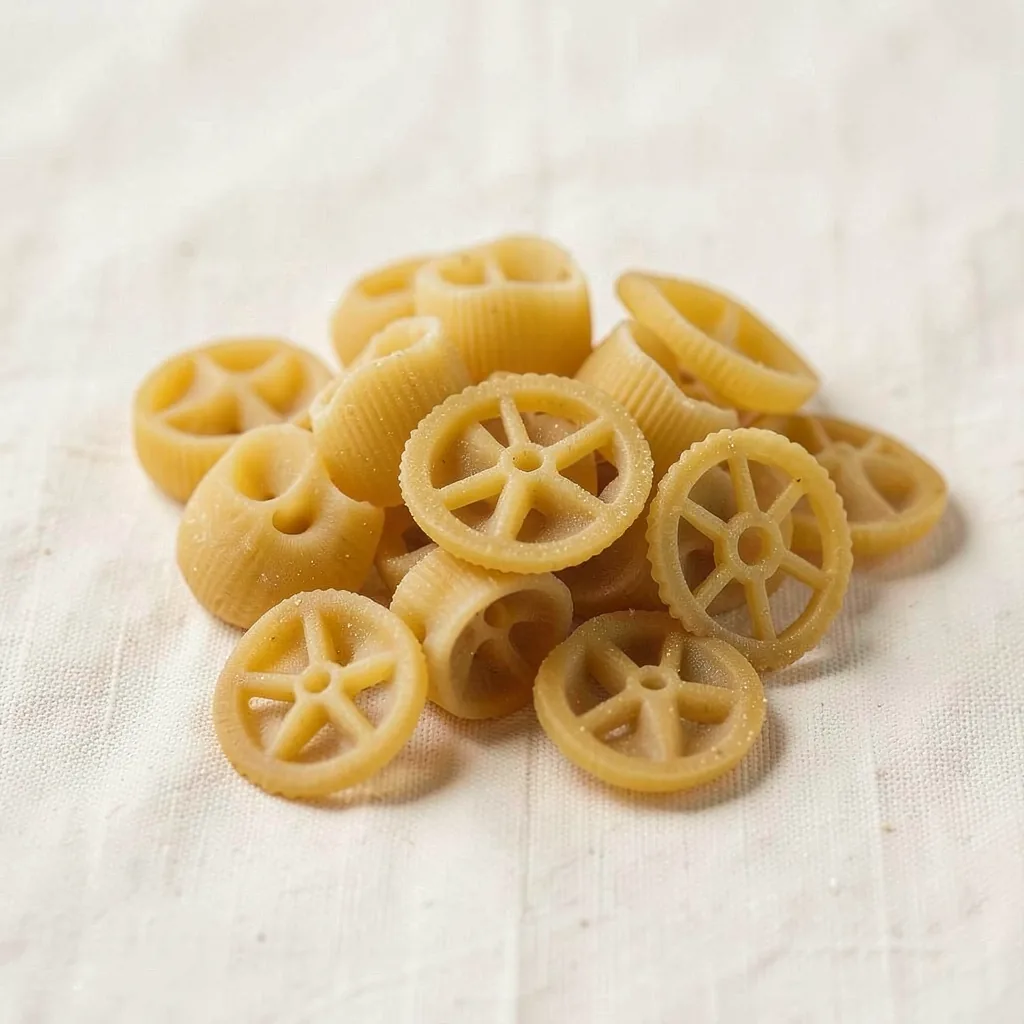
- Little wheels, from rota. Ruote is the other name.
- Rotiniroh-TEE-nee
- Little wheels, from rota. The name is American; in Italy the shape is fusilli or eliche.
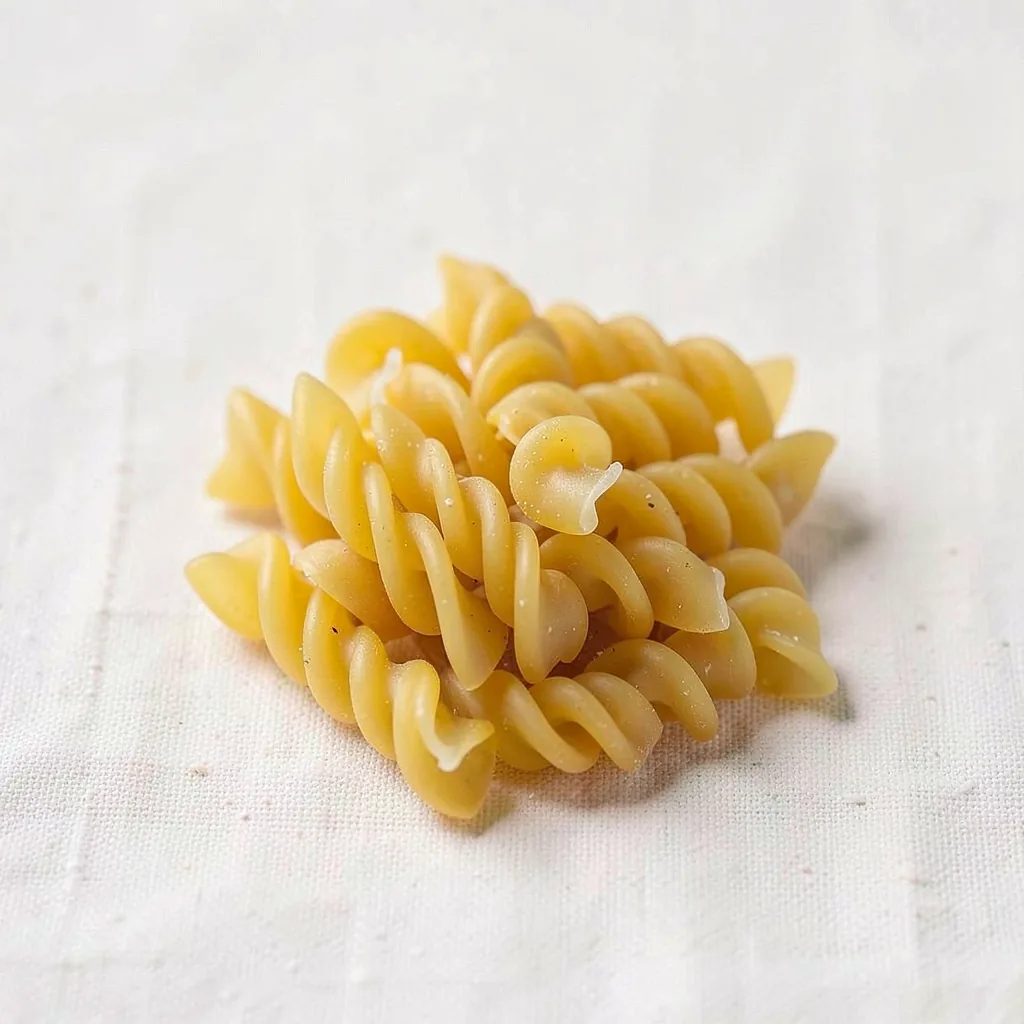
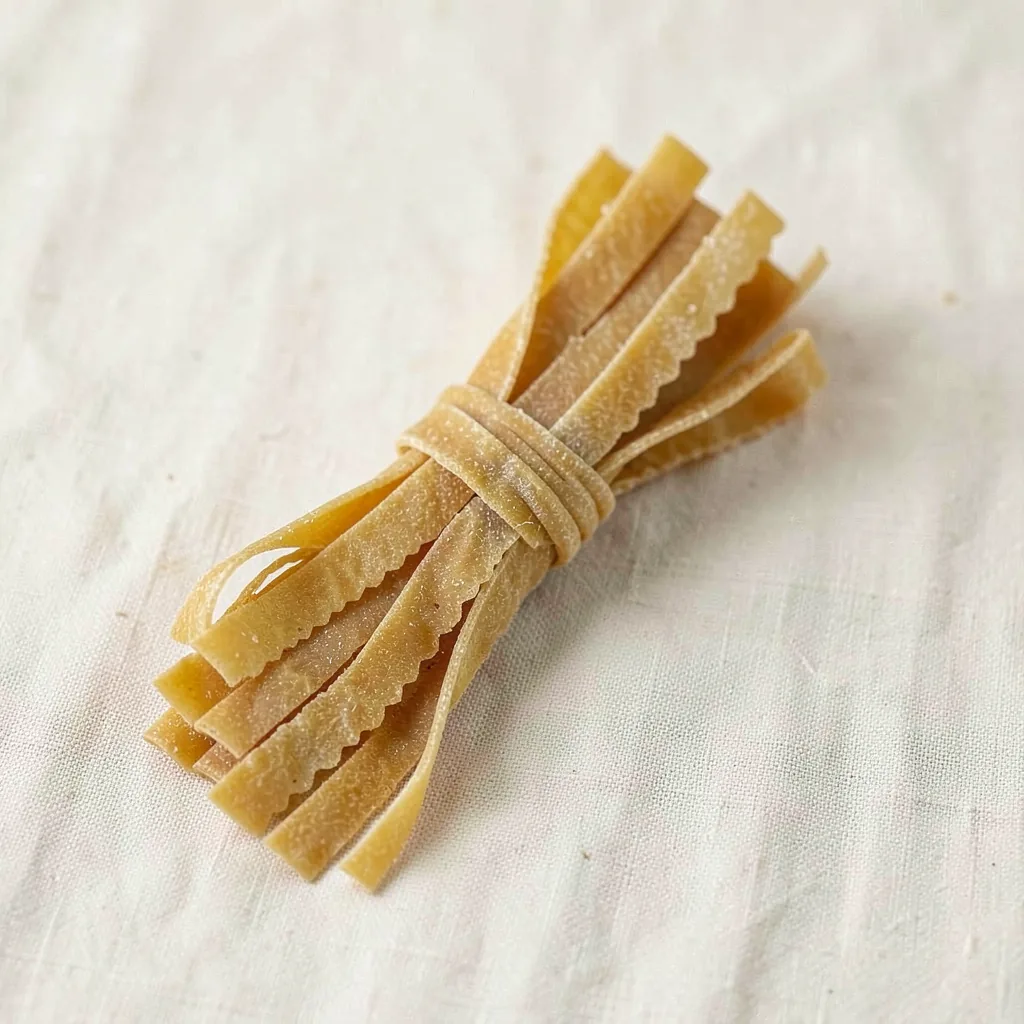
- Rustiche
- Feminine plural of rustico, meaning rustic.
S
- Sacchettoni
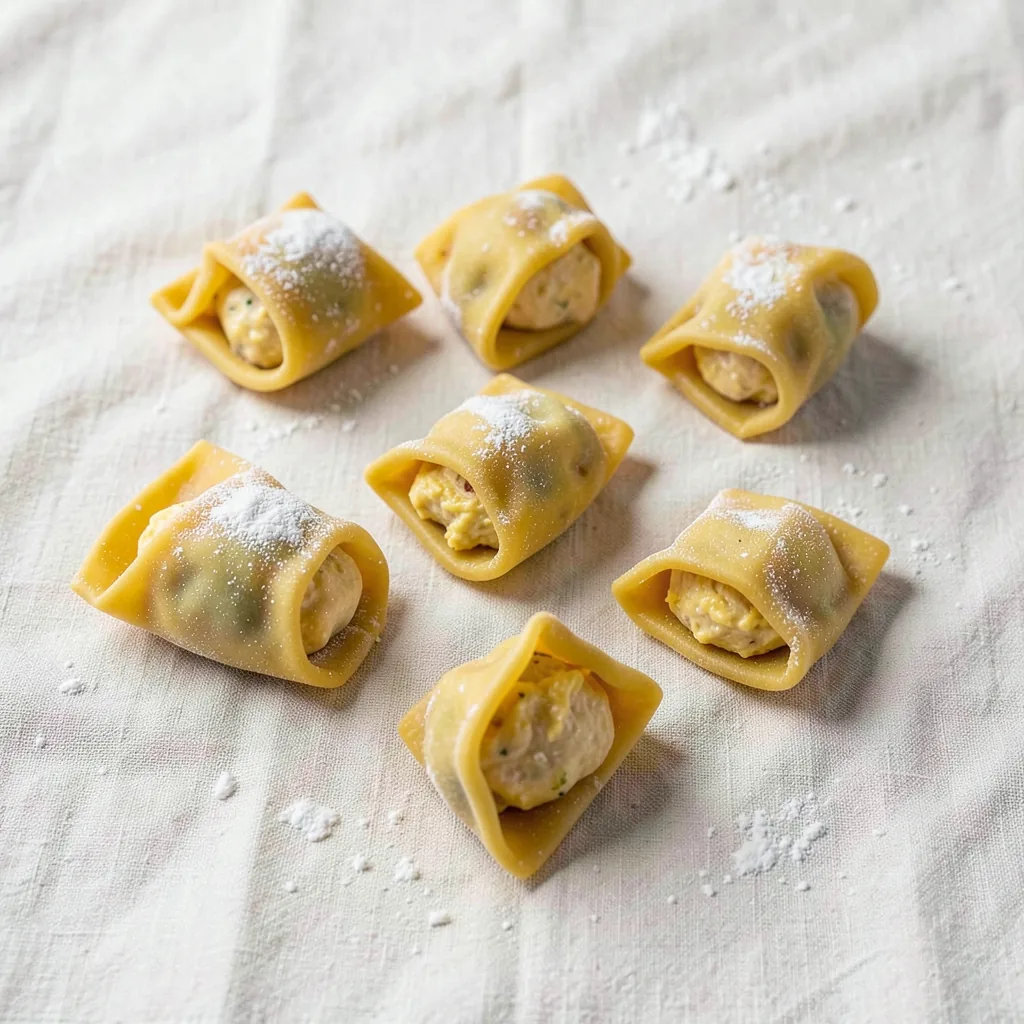
- Augmentative of sacchetto, a small bag: big little sacks. English menus call them beggar's purses.
- Sagnarelli
- A diminutive of sagne, the central Italian word for a strip cut from a sheet of dough. It shares a root with lasagne.
- Sagne 'ncannulateSAH-nyeh in-kan-noo-LAH-teh
- Rolled lasagne, from sagne, a Salento word for a strip, and incannulare, to wind on a cane.
- Scialatiellishah-lah-tee-EL-lee
- From the Neapolitan scialare, to enjoy, or sciglià, to ruffle. Invented on the Amalfi coast in the 1960s by chef Enrico Cosentino.
- SedaniSEH-dah-nee
- From sedano, celery. The ridged curved tube looks like a stalk. Older name: zanne d'elefante, elephant tusks.
- Semi di meloneSEH-mee dee meh-LOH-neh
- Melon seeds.
- Sorprese
- Italian for surprises. The tiny folded pieces look like a filled pasta, but they hold no filling.
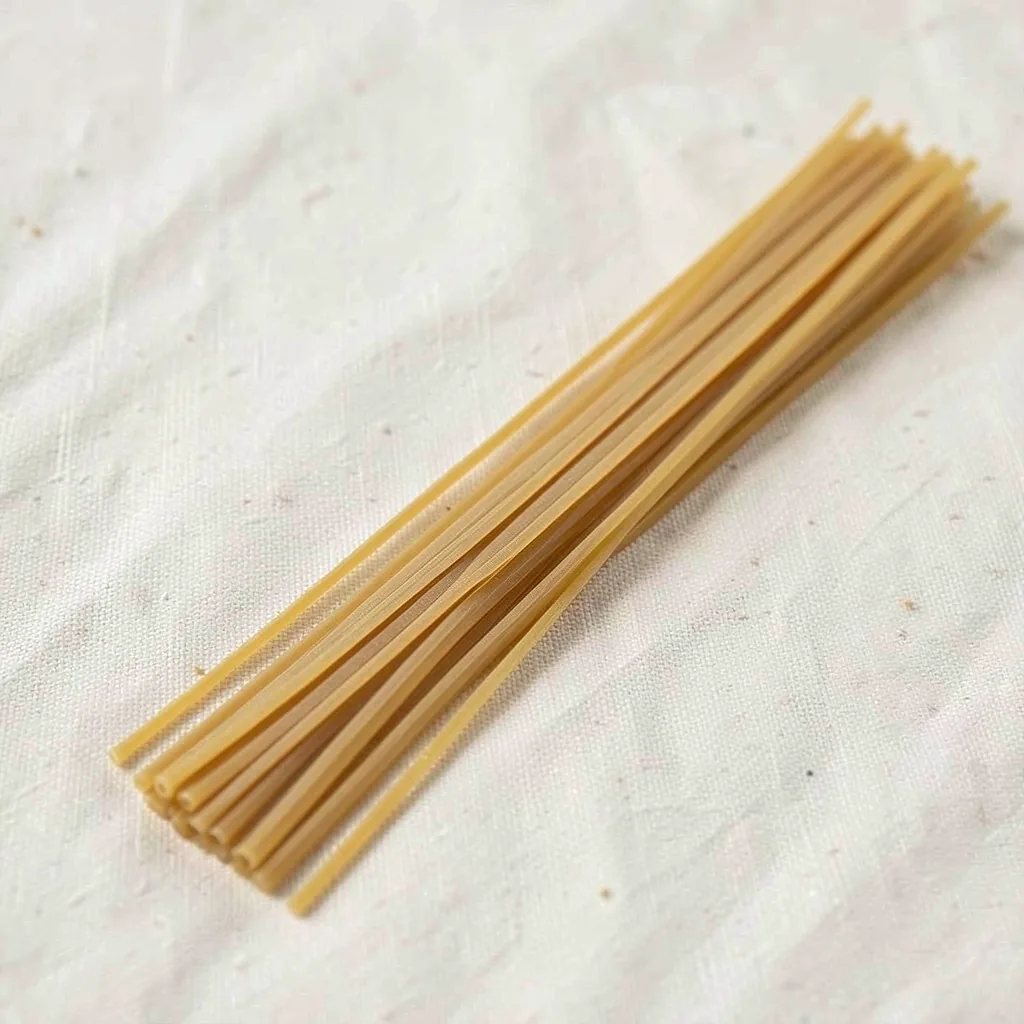
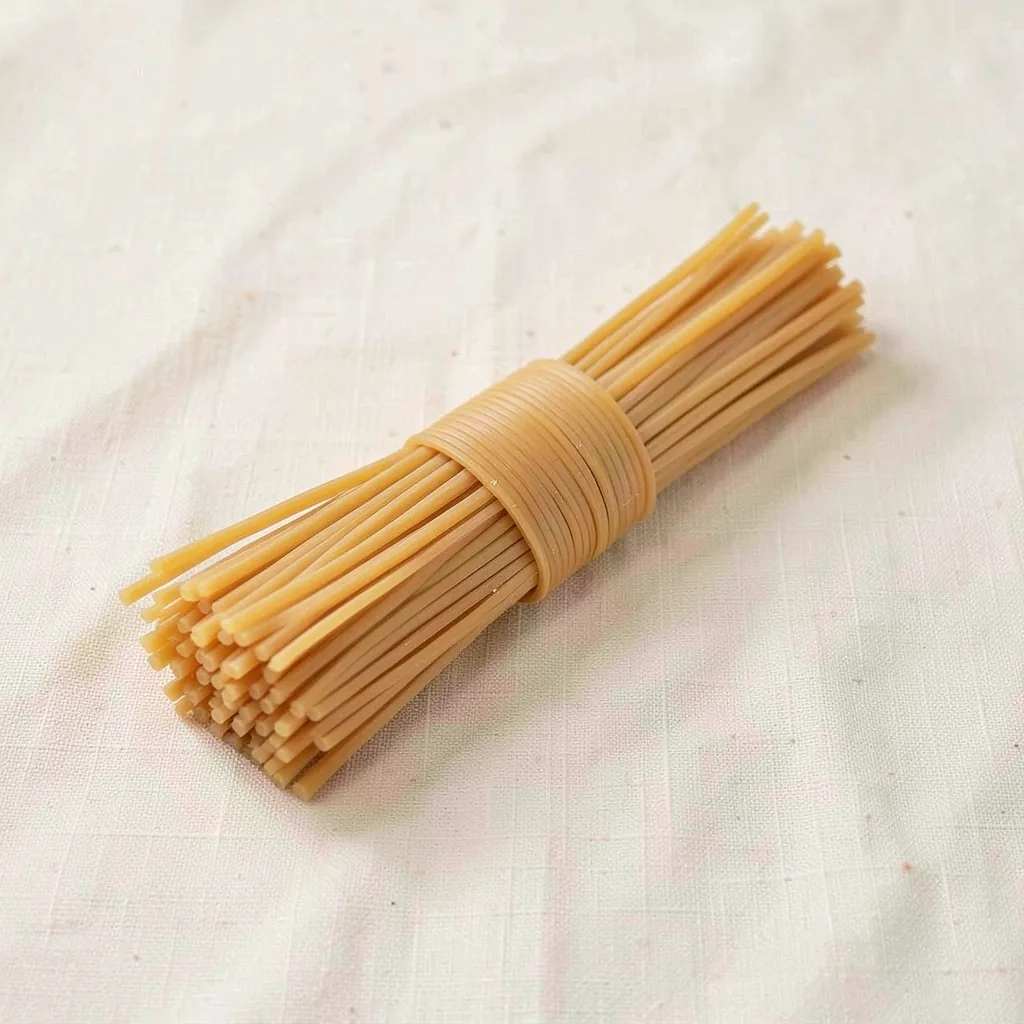
- Spaghettispah-GET-tee
- From spago, Italian for twine or string, with the diminutive -etto. Little strings.
- Spaghettinispah-get-TEE-nee
- Spaghetti with the diminutive -ini. Thin little strings.
- Spaghettonispah-get-TOH-nee
- Spaghetti with the augmentative -oni. Big strings.
- Stellinestel-LEE-neh
- Little stars. Stellette and stelle are the larger grades.
- Stortini
- Italian for little crooked ones, from storto, meaning bent or crooked. The name describes the small curved tube.
- Strapponi
- From the verb strappare, to tear. The pieces are torn from the sheet by hand instead of cut.
- Strascinatistrah-shee-NAH-tee
- Dragged, from strascinare.
- strigoli
- One Tuscan producer links the name to strigare, to untangle or twist, after the rolling motion that shapes each strip. Not confirmed elsewhere.
- Stringozzistrin-GOT-tsee
- From stringa, shoelace. Strangozzi, the Spoleto name, suggests strangling.
- Strozzapretistrot-tsah-PREH-tee
- Priest-stranglers. The story is that a greedy priest choked on them, or that a housewife wished he would.
- Su filindeusoo fee-lin-DEH-oo
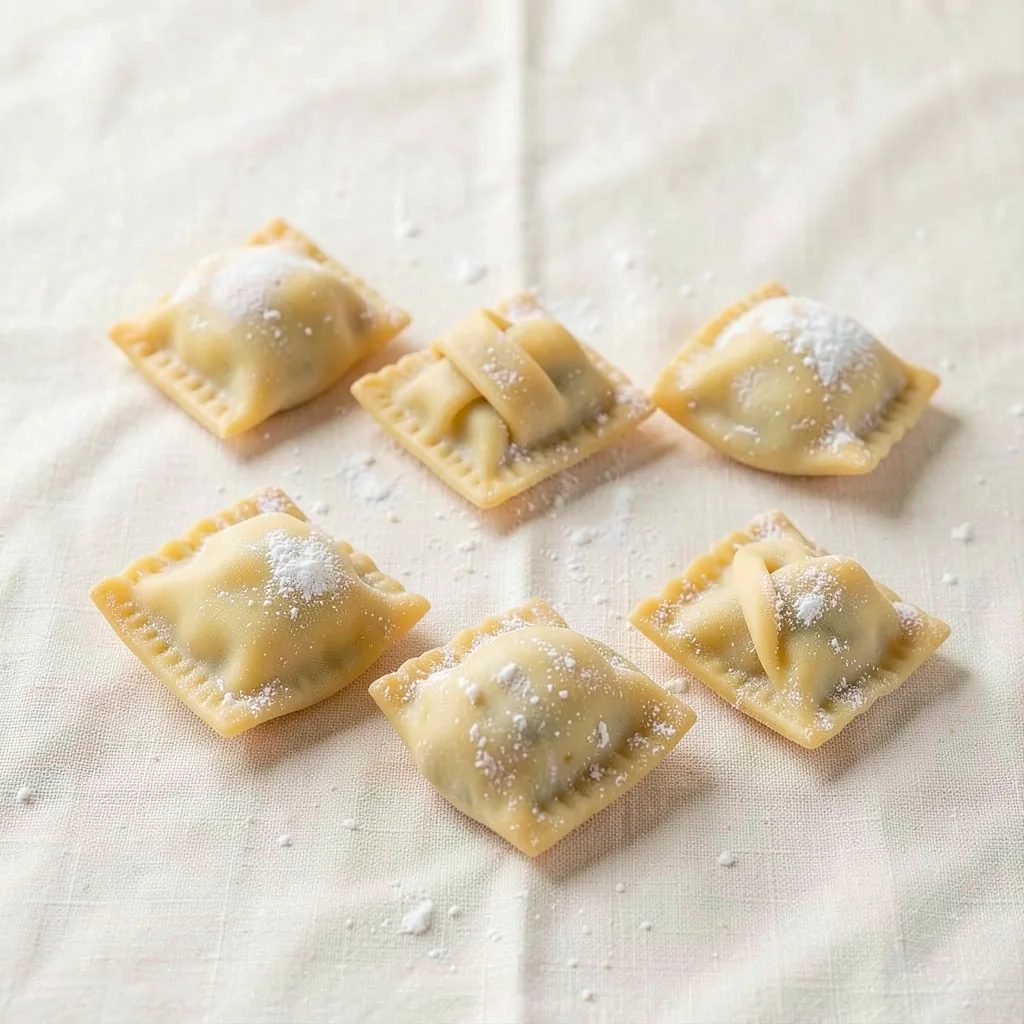
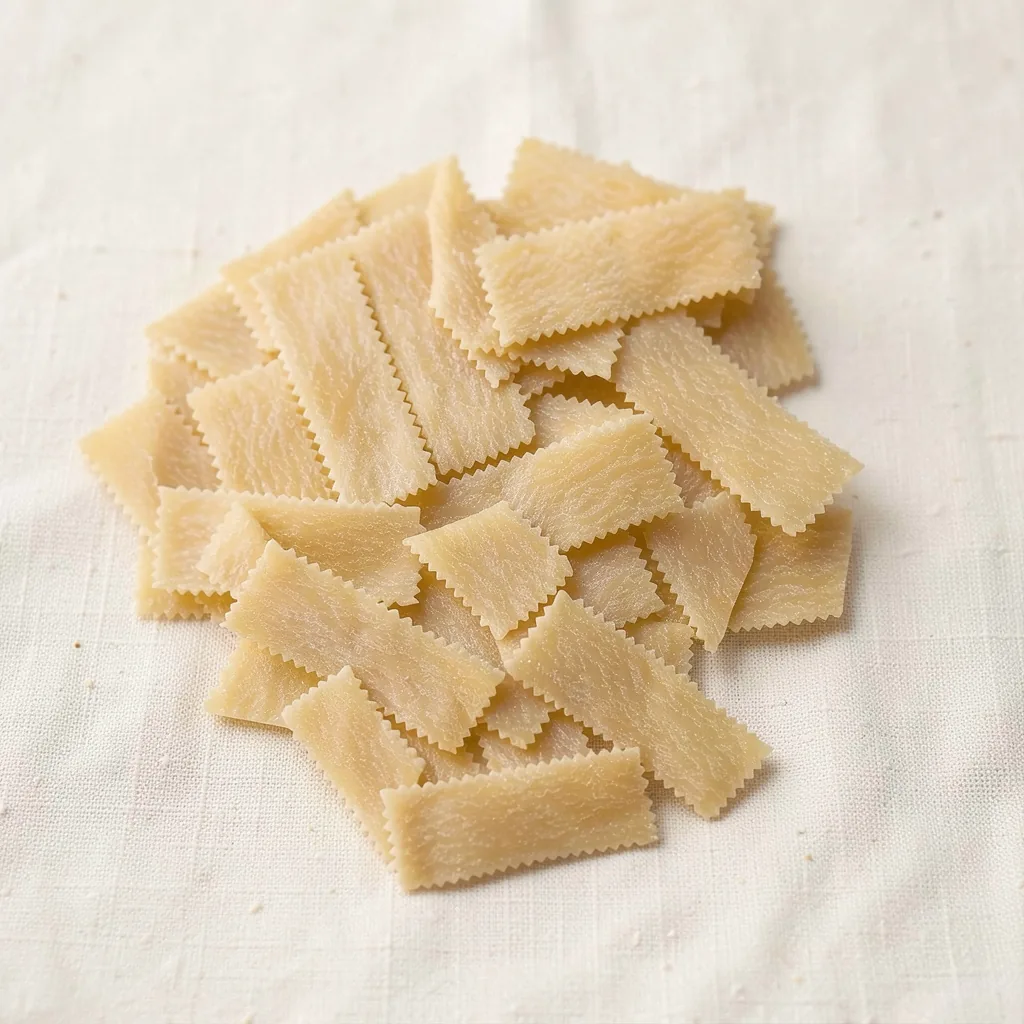
- Sardinian for the threads of God.
T
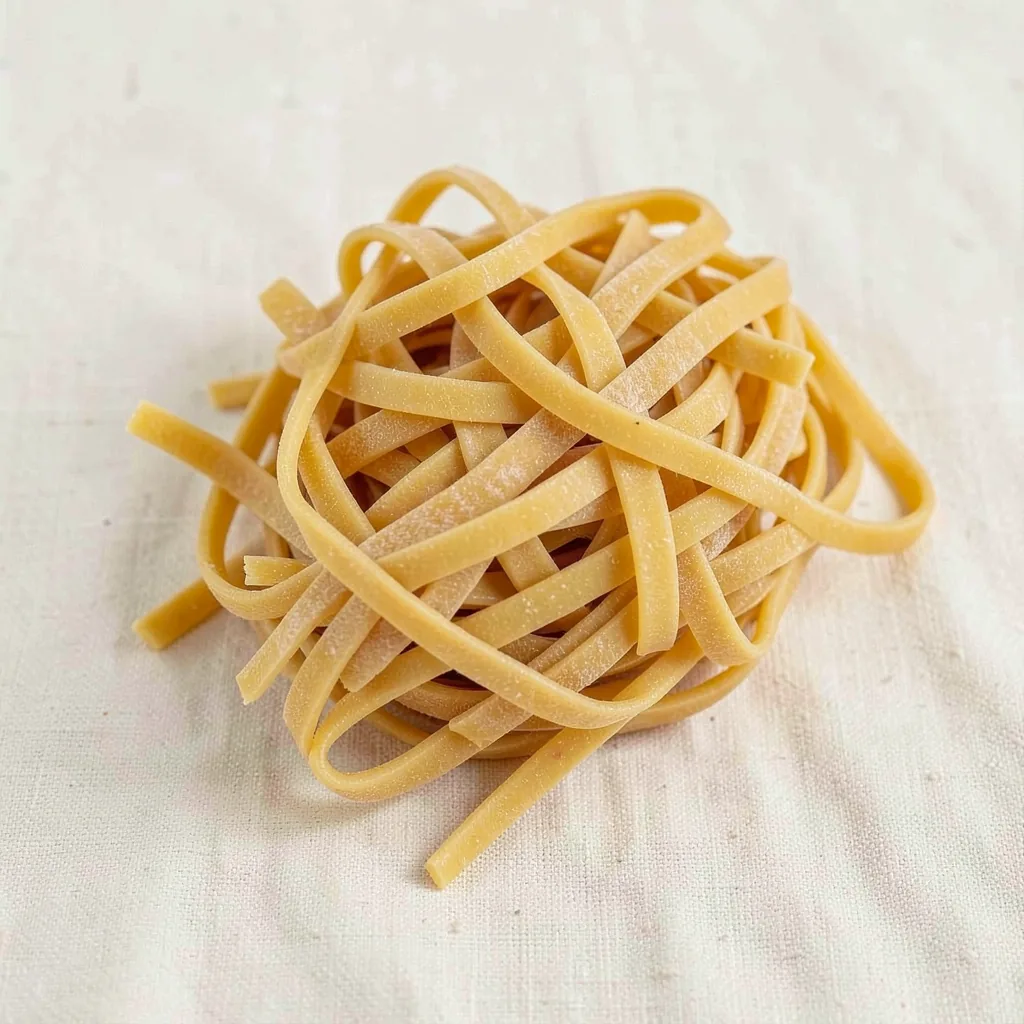
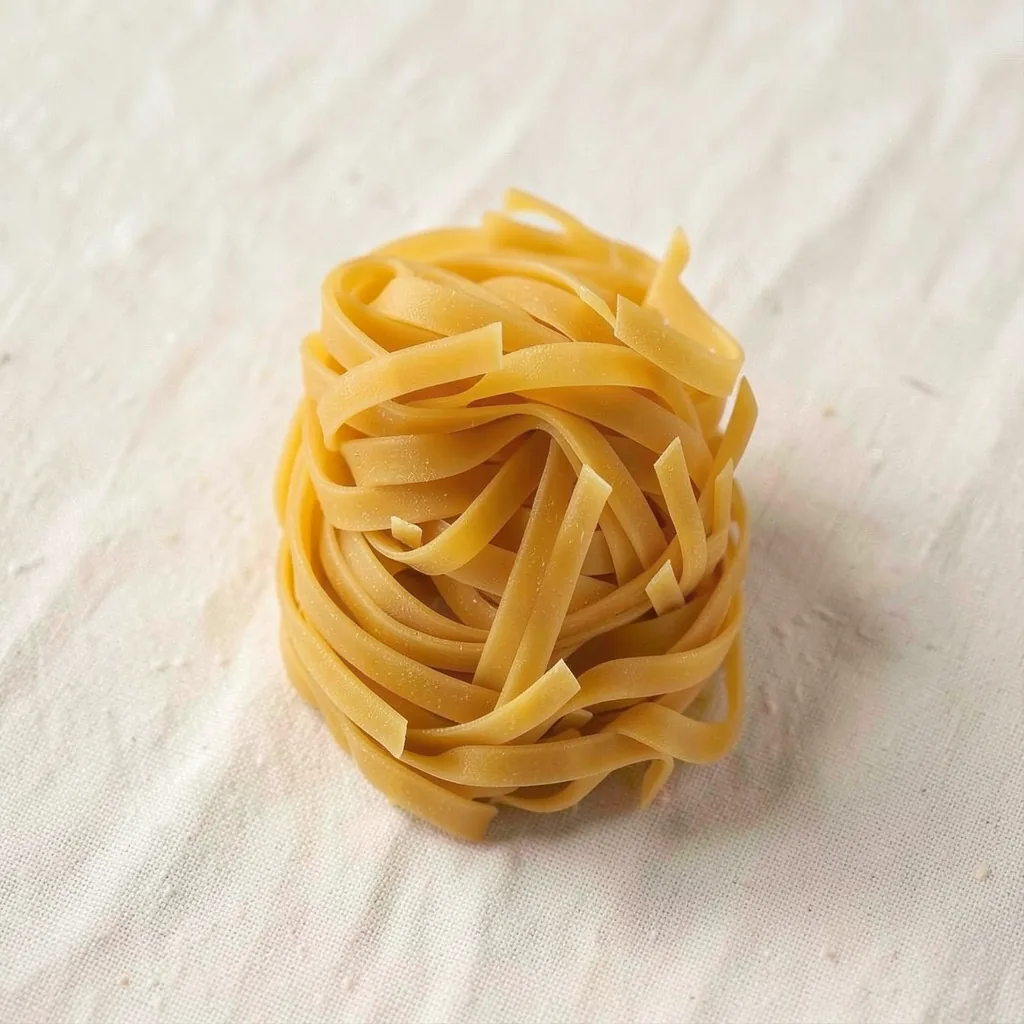
- Tagliatelletah-lyah-TEL-leh
- From tagliare, to cut. The cut ones.
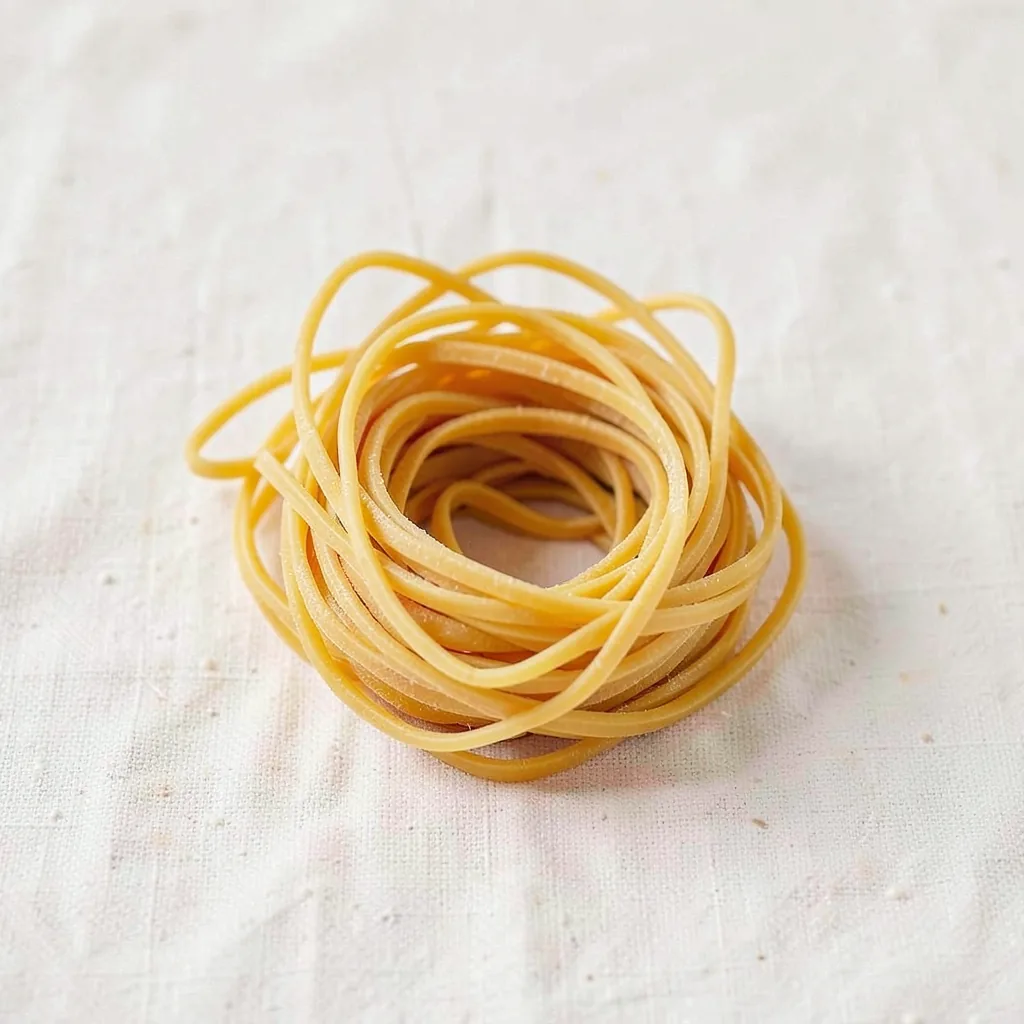
- Tagliolinitah-lyoh-LEE-nee
- Tagliatelle with the diminutive -ini. Little cut ones. Taglierini in some regions, tajarin in Piedmont.
- Tajarintah-yah-REEN
- Piedmontese dialect for tagliolini.
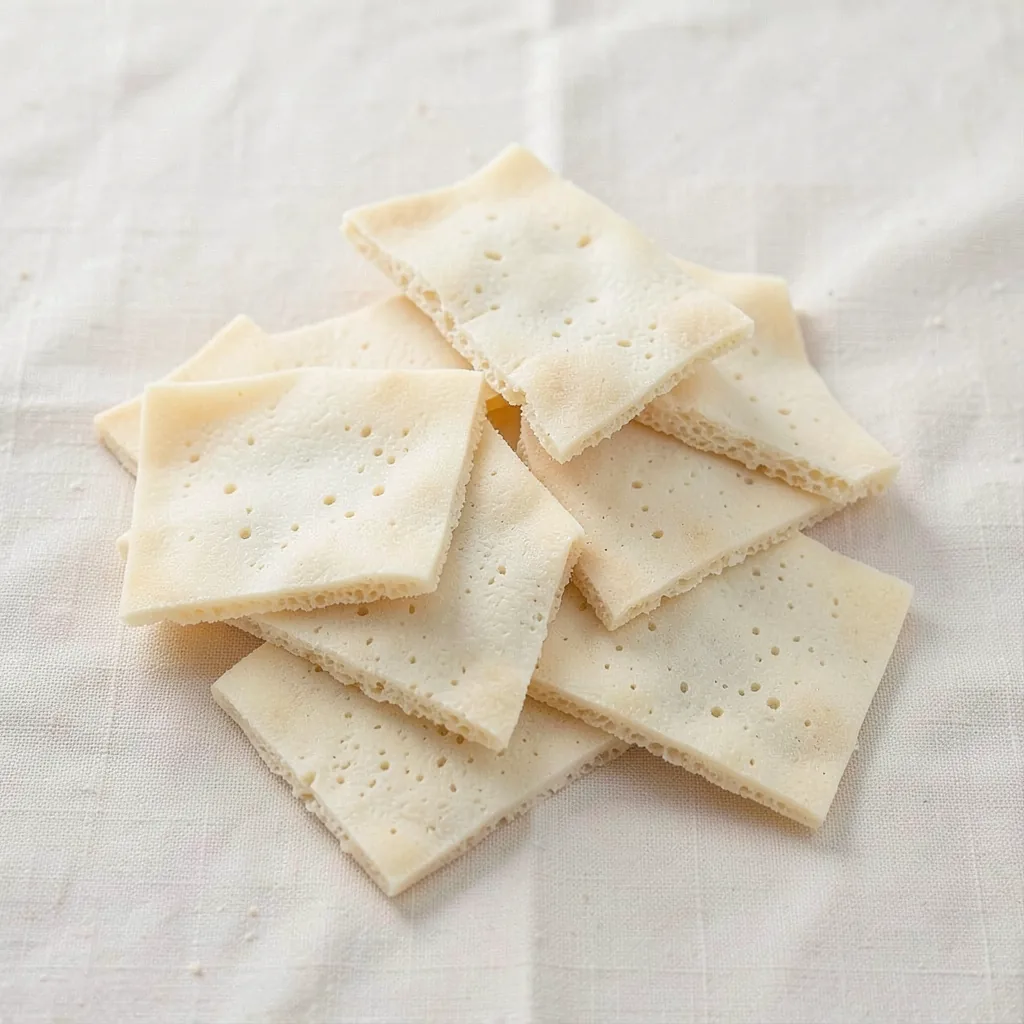
- Testarolites-tah-ROH-lee
- From testo, the cast-iron griddle they are cooked on.
- Tonnarelliton-nah-REL-lee
- Roman name for spaghetti alla chitarra. Chitarra is the guitar-like frame of strings that cuts the sheet.
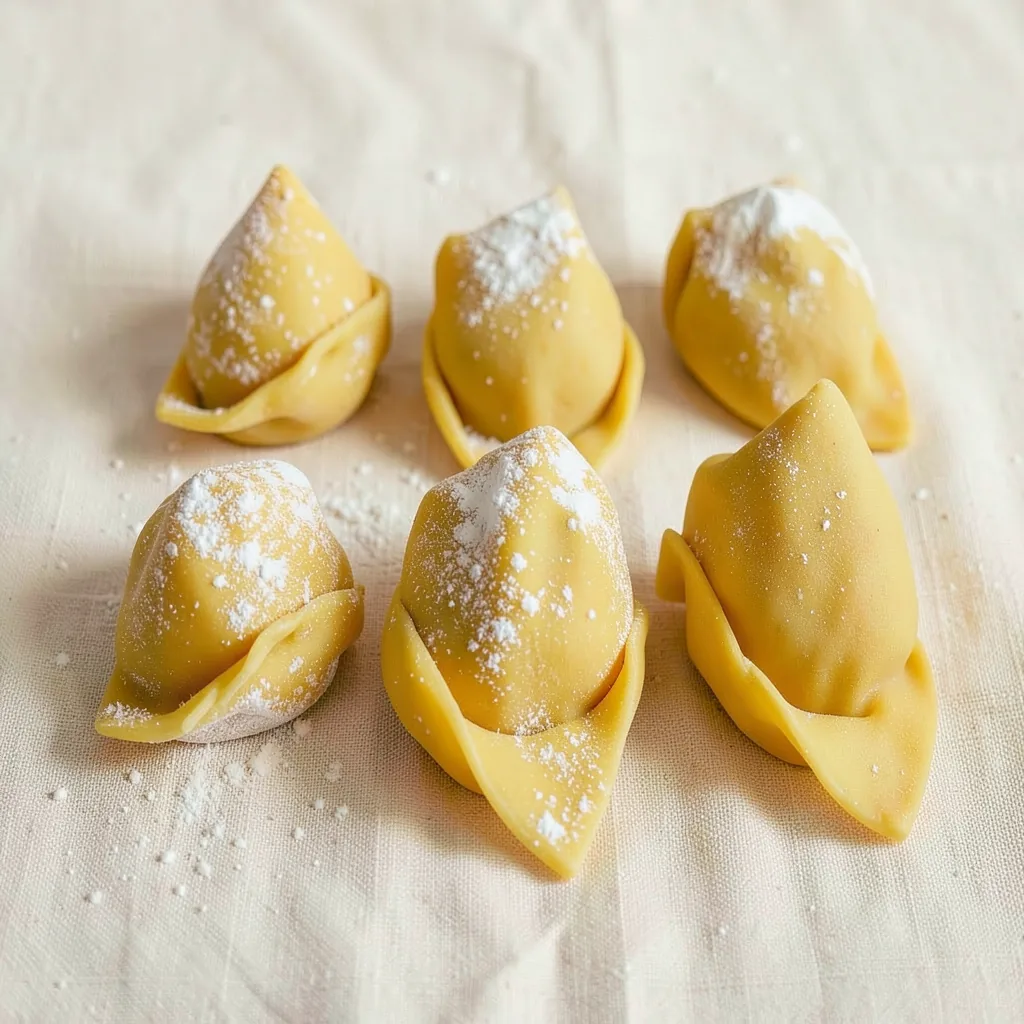
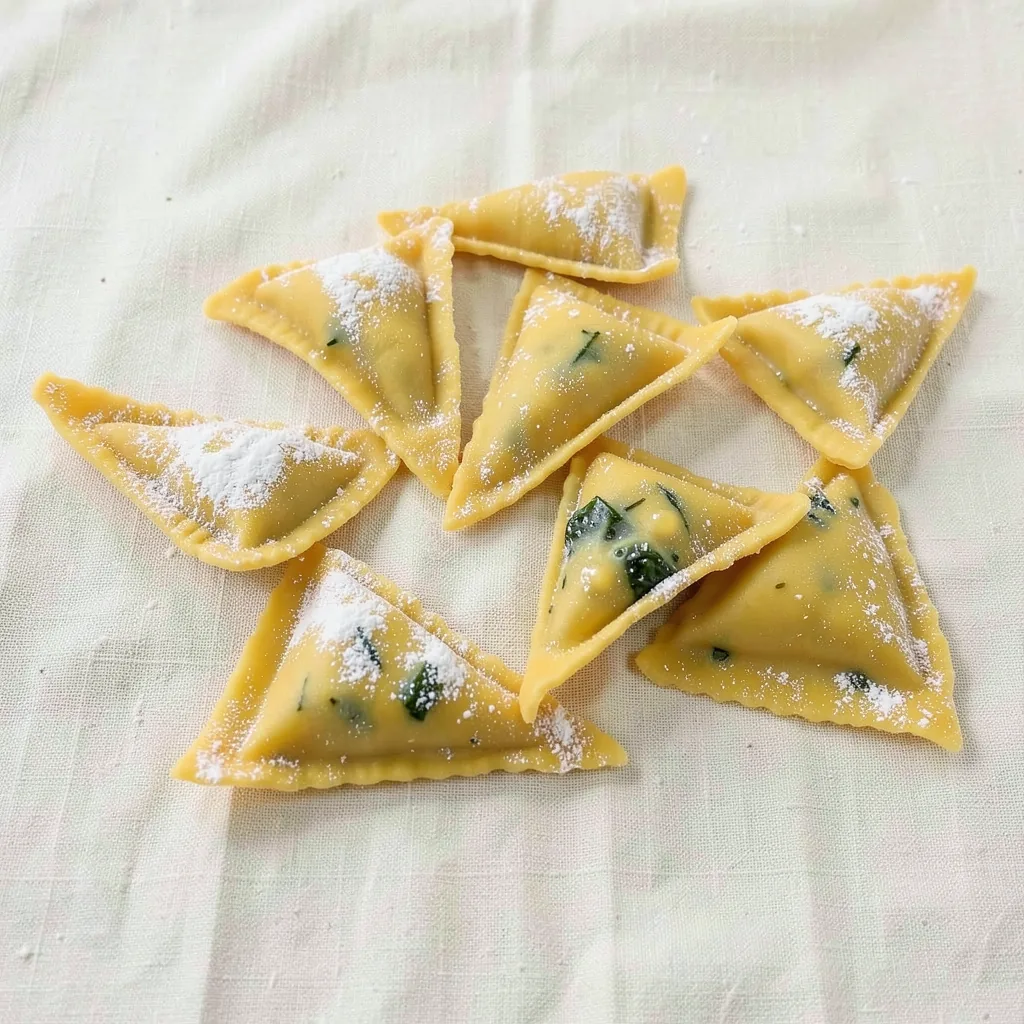
- Tortellitor-TEL-lee
- From torta, a cake or pie, with the diminutive -ello. A little pie.
- Tortellinitor-tel-LEE-nee
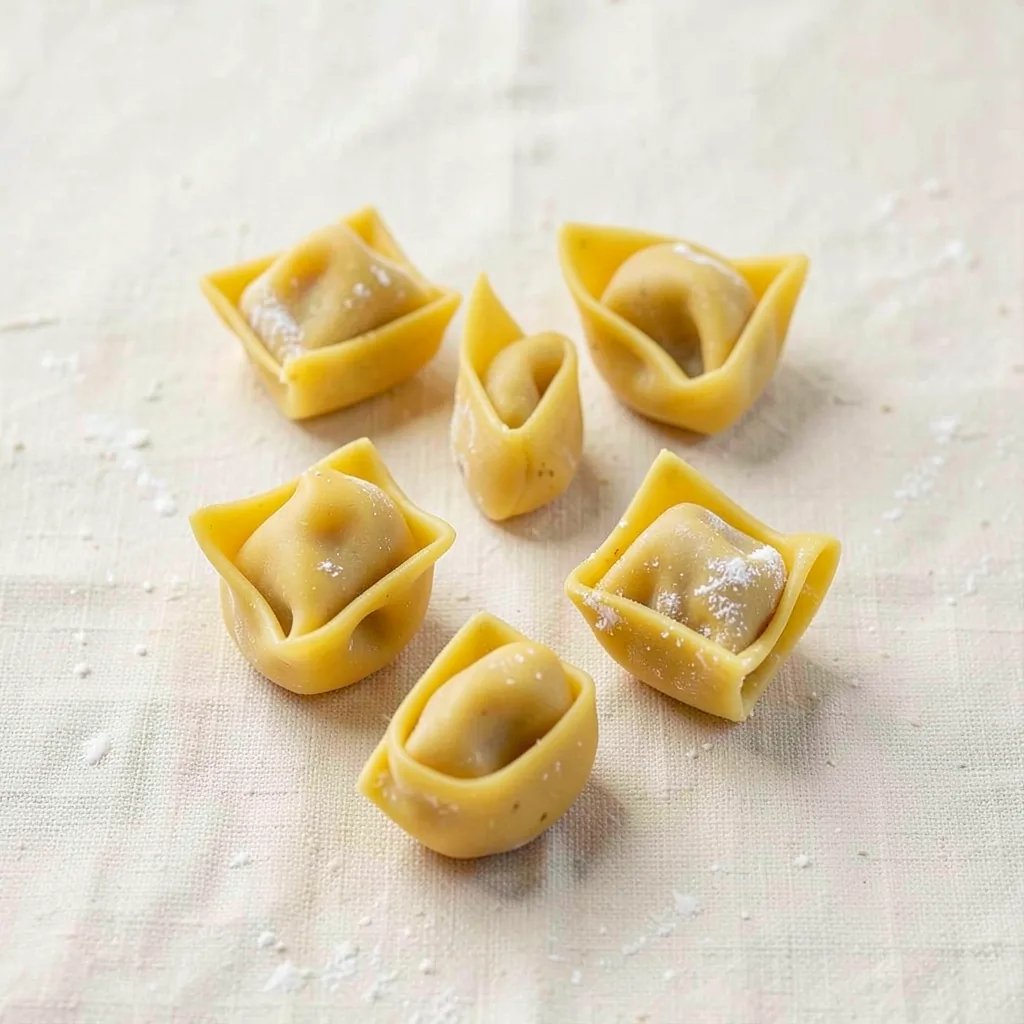
- Little tortelli. Legend says the shape copies the navel of Venus, glimpsed through a keyhole by an innkeeper in Castelfranco Emilia.
- Tortellonitor-tel-LOH-nee
- Tortelli with the augmentative -oni. Big tortelli.
- Tortiglionitor-tee-LYOH-nee
- From tortiglione, a twist or spiral, from torcere, to twist.
- Treccioni
- An augmentative of treccia, the Italian word for a braid. Treccioni are big braids.
- Trenettetreh-NET-teh
- From the Genoese trena, a thin string or braid.
- Trenne
- A made-up brand name that joins triangular and penne. Rustichella d'Abruzzo owns the word.
- Tripoline
- Named for Tripoli after Italy took Libya in the 1911 to 1912 war. Colonial names were fashionable for pasta then.
- TroccoliTROK-koh-lee
- From the troccolo or troccolaturo, a grooved wooden rolling pin that cuts the sheet into strands.
- TrofieTROH-fyeh
- From the Genoese strufuggiâ, to rub, for the rolling motion.
- TrottoleTROT-toh-leh
- Spinning tops.
- Tubettitoo-BET-tee
- Little tubes. Tubettini are smaller.
- Tuffoli
- A spelling of tufoli, from the southern dialect word tufolo, a tube, itself from Latin tubulus. See tufoli.
- Tufoli
- Plural of tufolo, a southern Italian dialect word for a tube. It is a changed form of Latin tubulus, a small tube.
- tumbarella
- A Stintino newspaper reports the name comes from the tumbarella, the cart on which the ravioli were fried.
V
- Vermicelliver-mee-CHEL-lee
- From verme, worm, with the diminutive -icelli. Little worms. The name is older than spaghetti.
- Vesuvioveh-ZOO-vee-oh
- Named for Vesuvius, the volcano above Naples.
Z
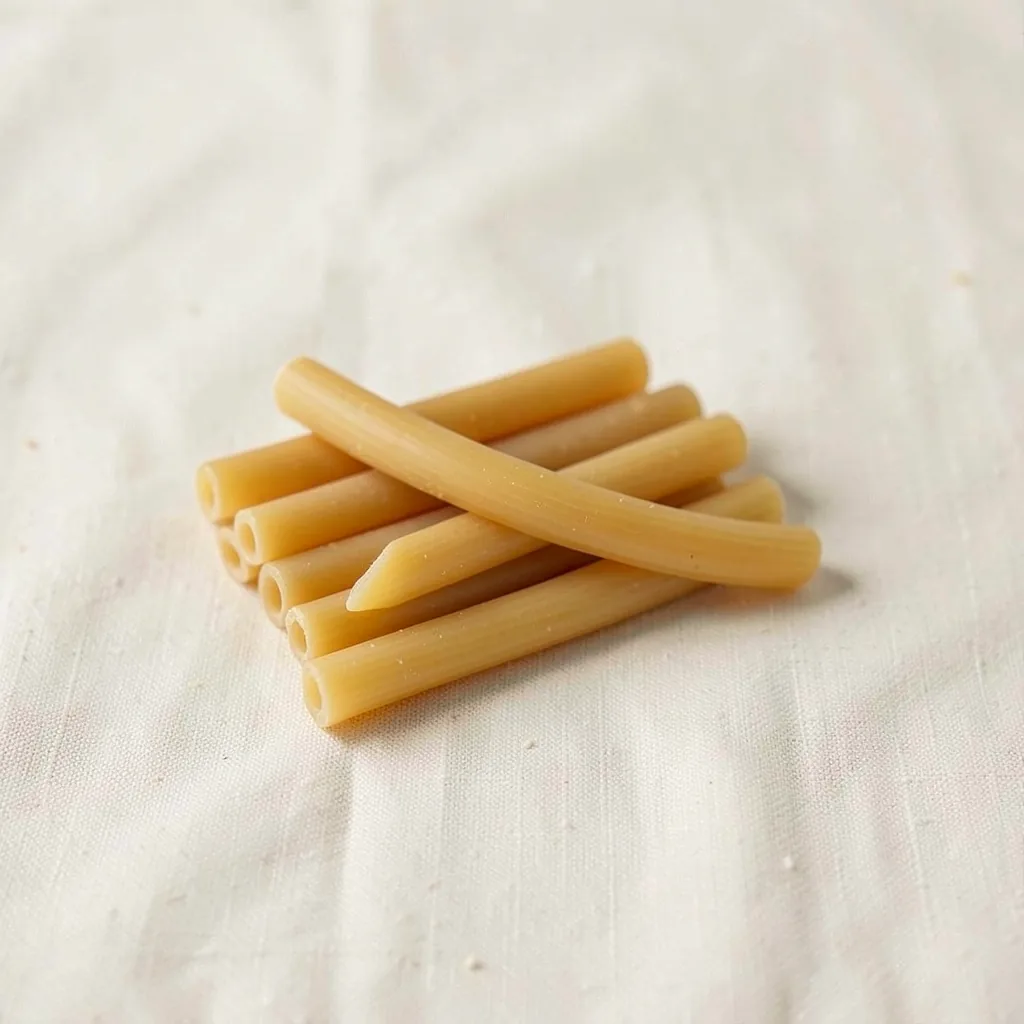
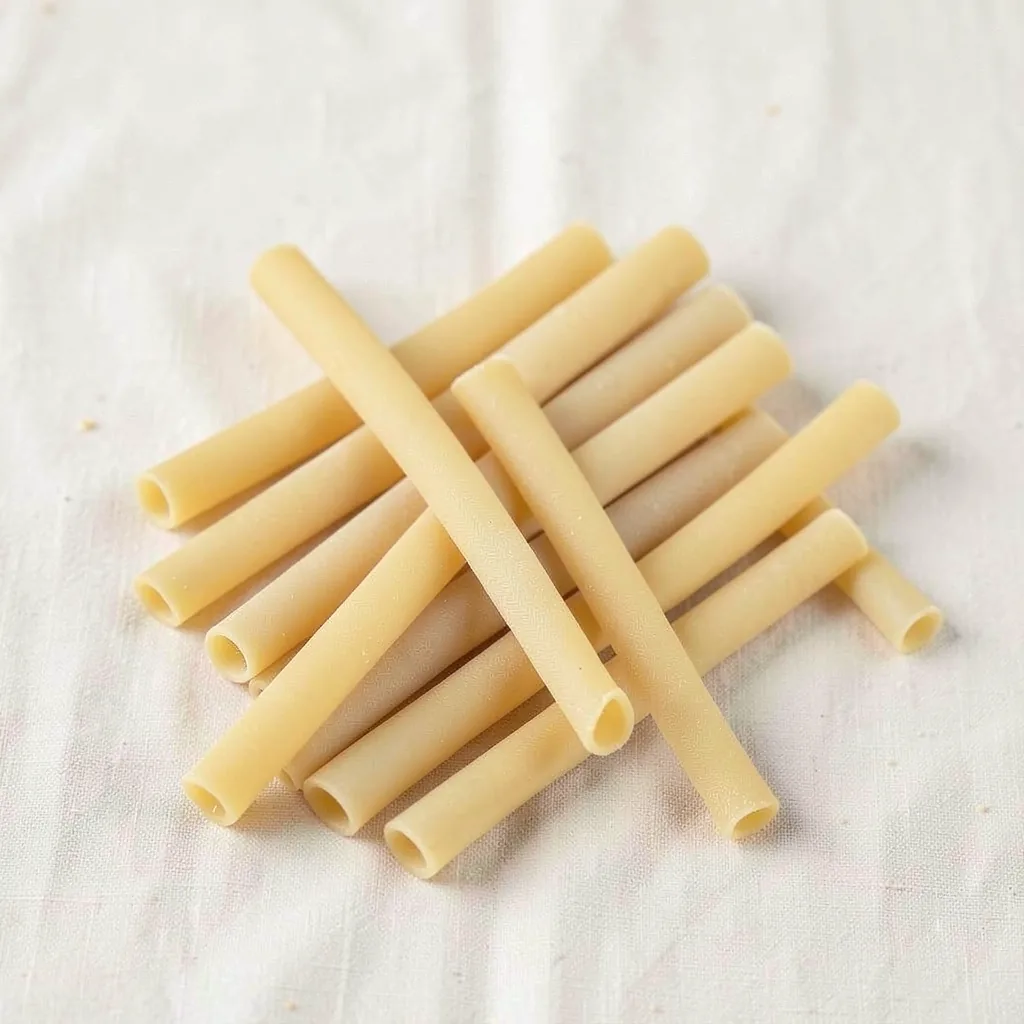
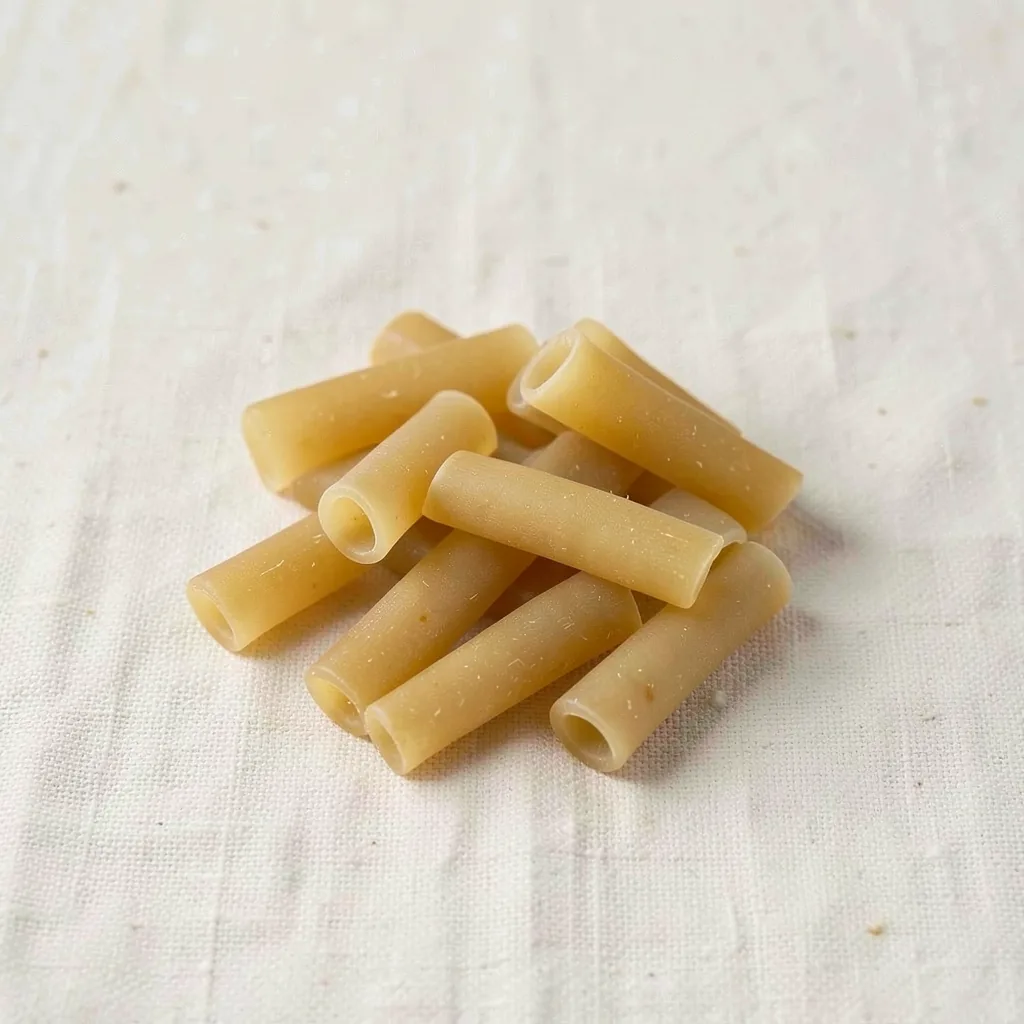
- ZitiZEE-tee
- From zita, Neapolitan for bride. The long tubes were broken by hand for wedding feasts.