tumbarella
Name. A Stintino newspaper reports the name comes from the tumbarella, the cart on which the ravioli were fried.
What it is
A tumbarella is a sweet fried raviolo, not a pasta for sauce. The dough is durum wheat semolina, lard, a little sugar, salt, and warm water. The cook rolls it thin, cuts discs of about 8 cm, and folds each over a filling into a half moon. The filling is fresh ricotta, sugar, walnuts, and grated orange zest. Some recipes add raisins, cinnamon, or lemon zest. The pieces are deep fried for about a minute and dusted with icing sugar.
The sweet belongs to Stintino, a fishing town in the province of Sassari in north west Sardinia. The town's tourism site lists it as an Easter sweet close to seadas. A 2025 newspaper report tells a different story: baker Giovanni Maria Piras created it around 2000 by adding walnuts and orange to a plain ricotta raviolo, and the family registered the name. The Demelas bakery in Pozzo San Nicola sells it to beach visitors all year. It is eaten warm or cold, sometimes with honey.
What it is served with
Classic plates: tumbarelle.
Nutrition
Per 100 g of dry semolina pasta. The shape does not change these numbers. The dough does, so a whole wheat or egg version of this shape reads differently. See every dough.
| Per 100 g | Energy | Protein | Carbohydrate | Fibre | Fat | Sodium | Iron |
|---|---|---|---|---|---|---|---|
| Dry | 371 kcal | 13.0 g | 74.7 g | 3.2 g | 1.5 g | 6 mg | 3.3 mg |
| Cooked | 158 kcal | 5.8 g | 30.9 g | 1.8 g | 0.9 g | 1 mg | 1.3 mg |
One portion. 100 g dry becomes about 235 g cooked, 371 kcal and 13 g of protein. Pasta takes on 2.3 times its weight in the pot.
No tumbarella? Use these
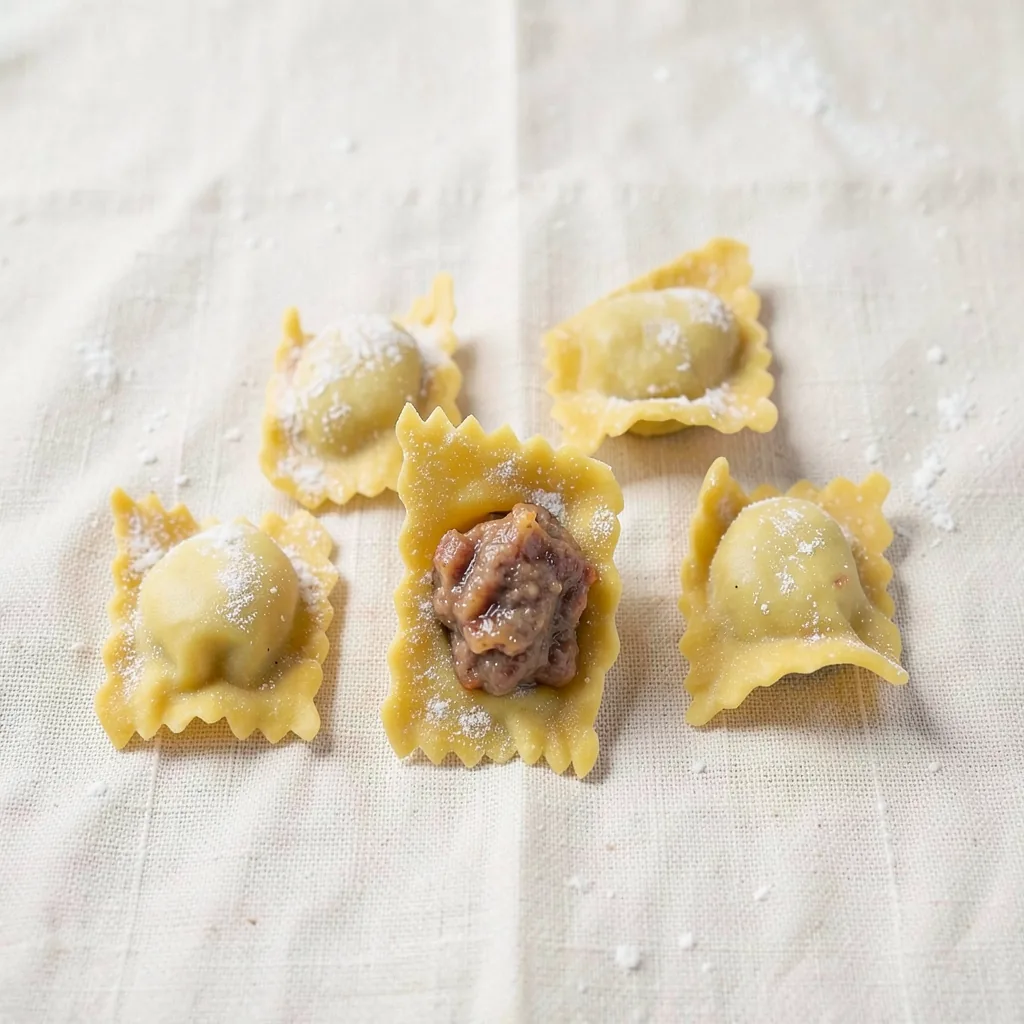
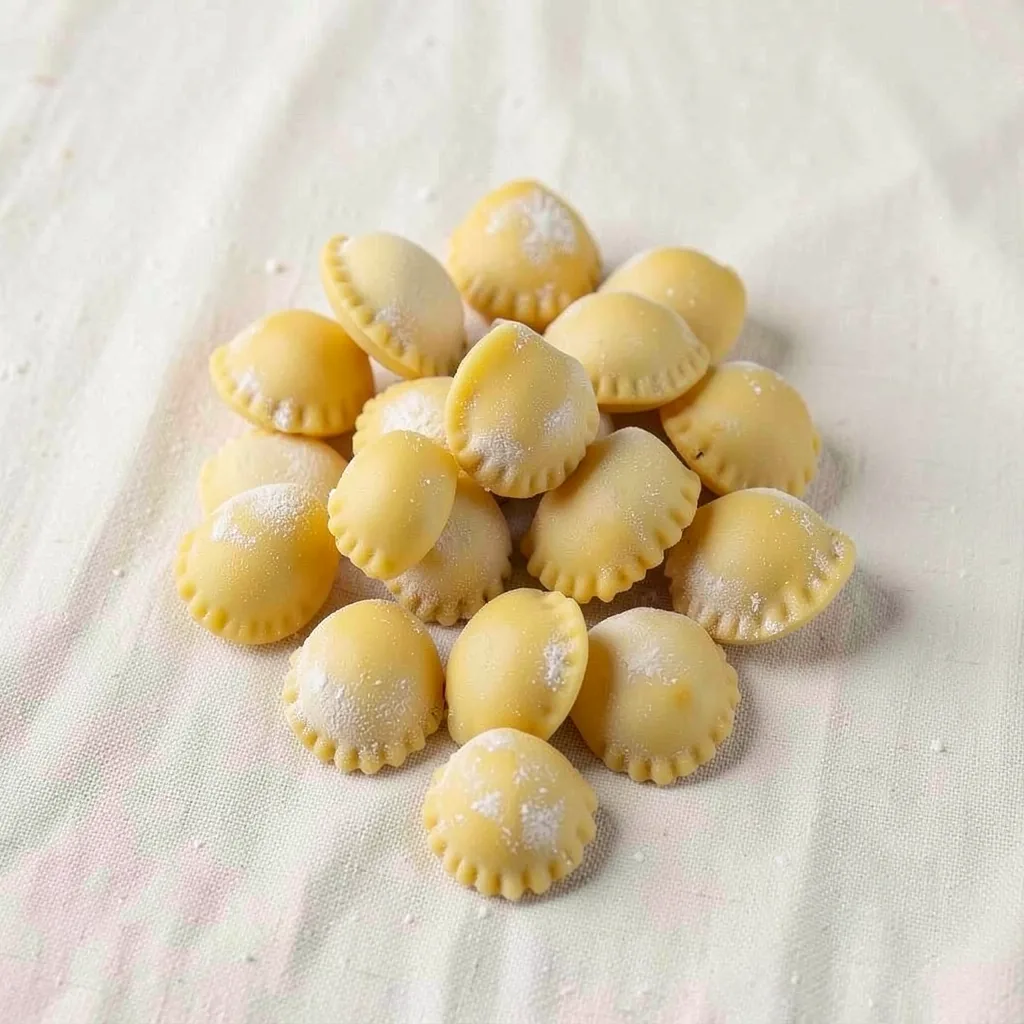
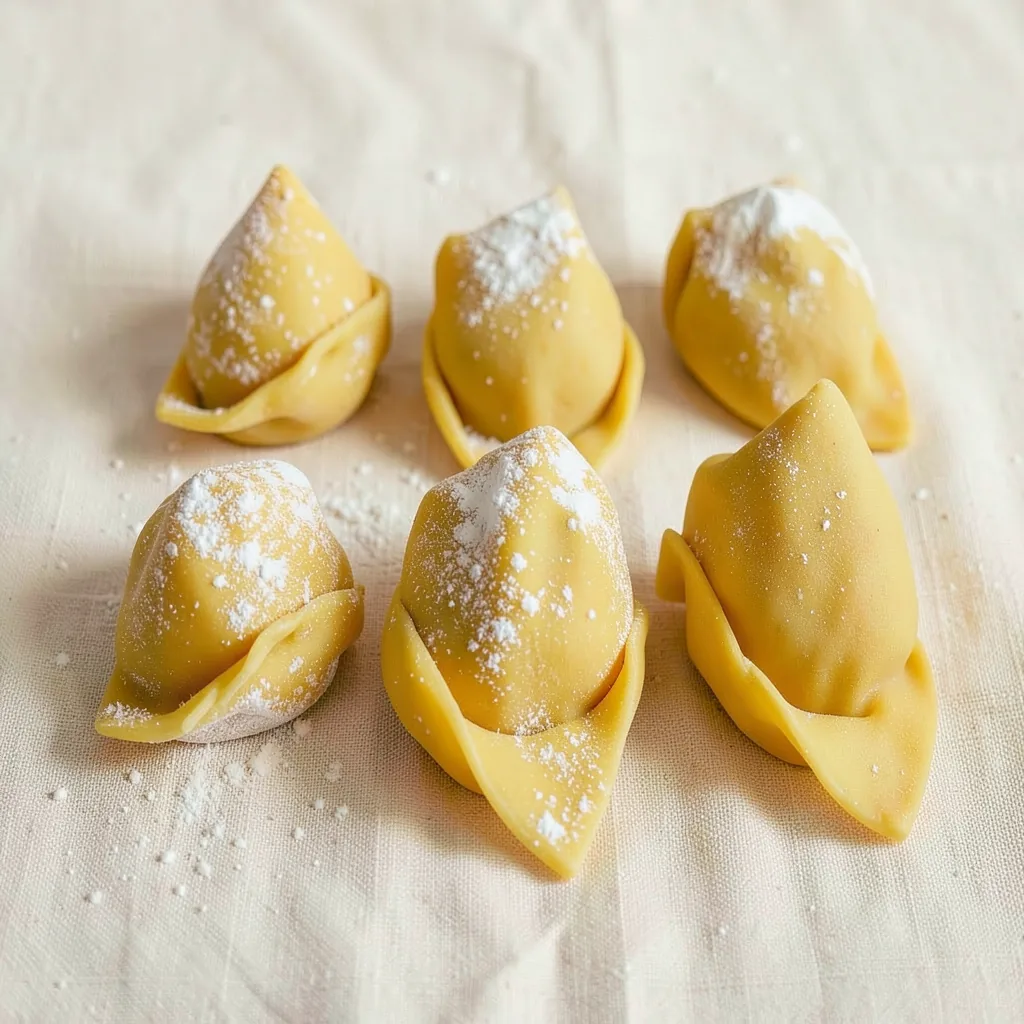
Ranked by how they behave with sauce, not how they look.
Other names
tumbarellas, tumbarelle.
Sources
- La Nuova Sardegna: Tumbarella, il dolce che racconta Stintino (profile: origin, form, use)
- Interris: Le tumbarelle, sapori e profumi da Stintino (profile: origin, form, use)
- Stintino.net: Cucina tipica stintinese (profile: origin, form, use)
- Wikidata: Q140523122 (profile: origin, form, use)
- Photograph: Tumbarella stintinese.jpg, Ivanbranco, CC BY-SA 4.0.
- USDA FoodData Central (nutrition per 100 g, by dough: FDC 169736, Pasta, dry, enriched; FDC 169737, Pasta, cooked, enriched, without added salt), public domain. The cooked yield is derived from the two energy figures.
- Q140523122, Wikidata
- Dimensions: brand spec sheets and measured boxes. Blank fields are unmeasured, never guessed.