181 shapes · 40 sauces · 268 comparisons
Every sauce is looking for the shape that can hold it.
A reference for pasta shapes. Dimensions and cook times from brand spec sheets, the sauce each shape was built for, the closest substitute when the box is empty, and one photograph per shape so you can tell rigatoni from tortiglioni at a glance.
The shapes people look up most
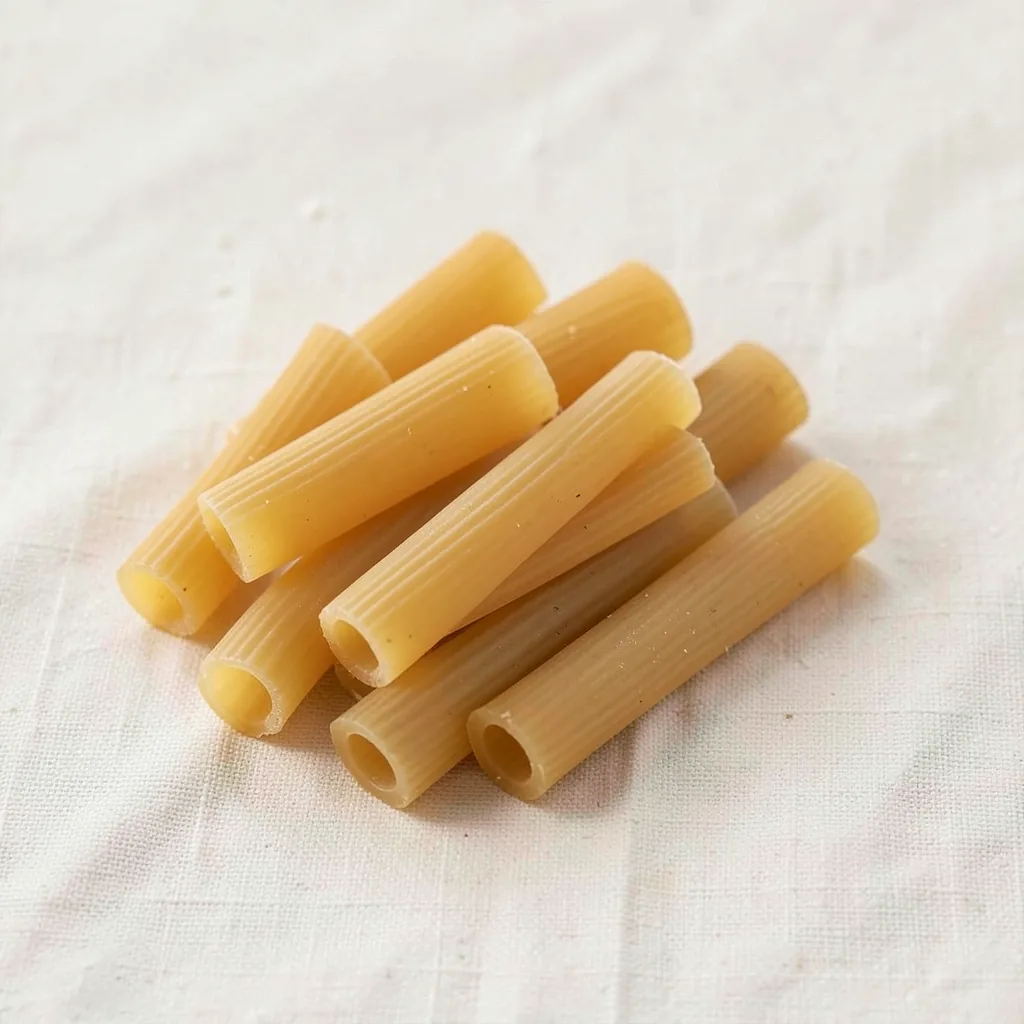
All 181Rigatoni
Tubes · Lazio
wide ridged tube cut straight across
Spaghetti
Long strands · Campania
round solid strand, about 2 mm across
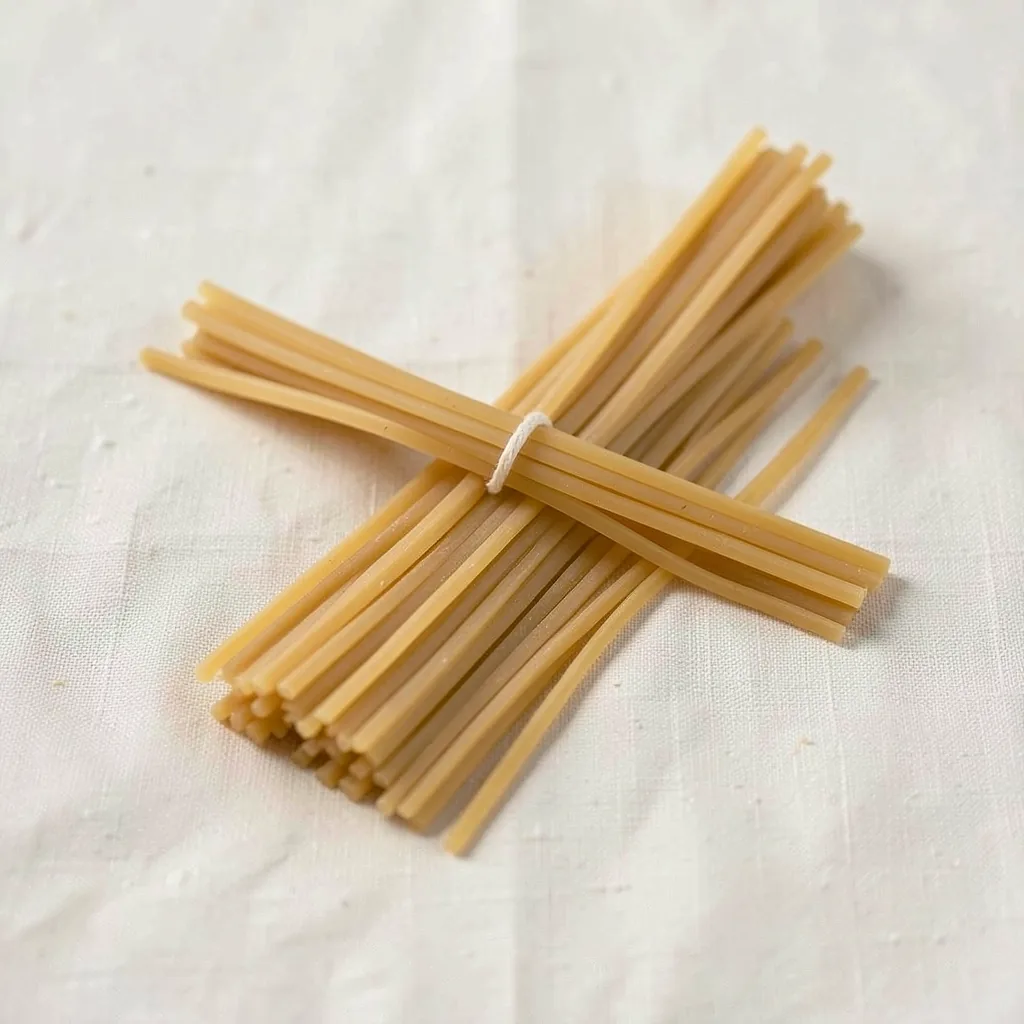
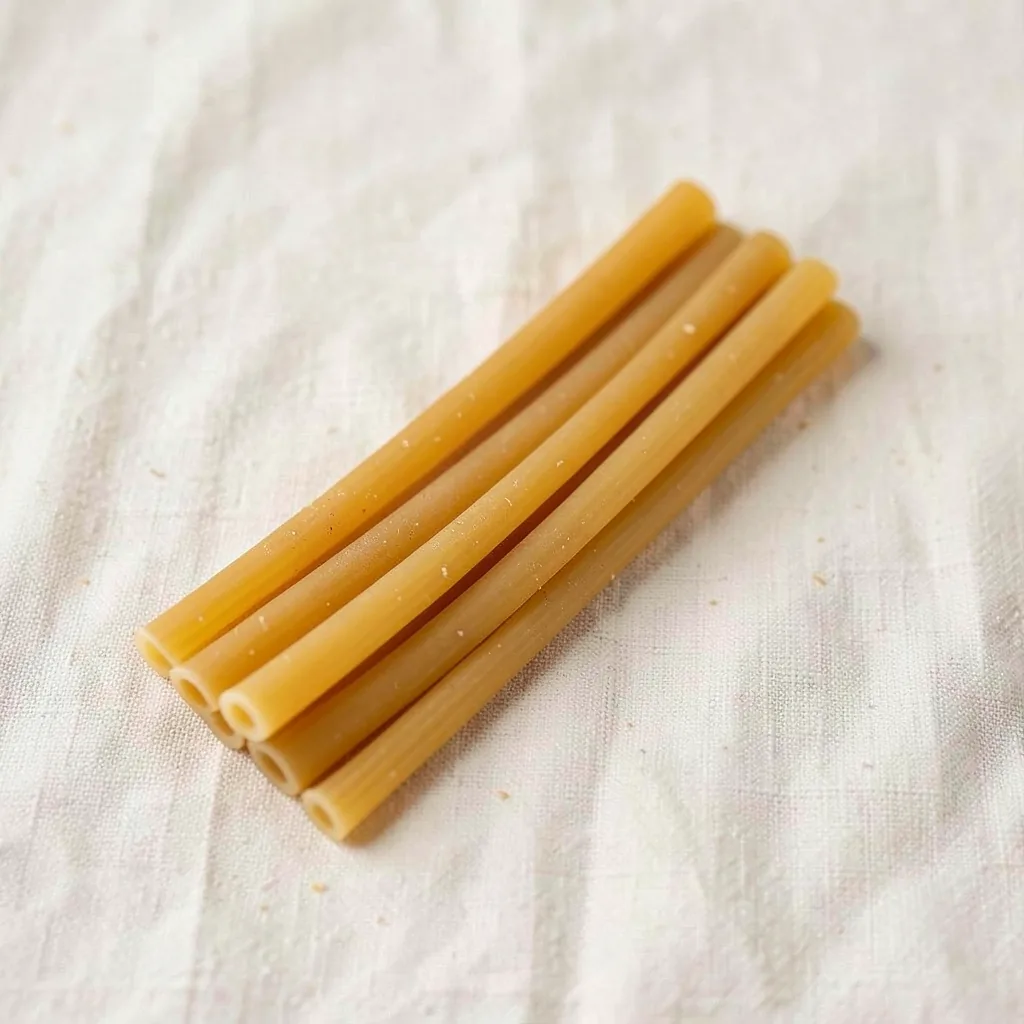
Bucatini
Long strands · Lazio
thick round strand with a fine bore through the centre
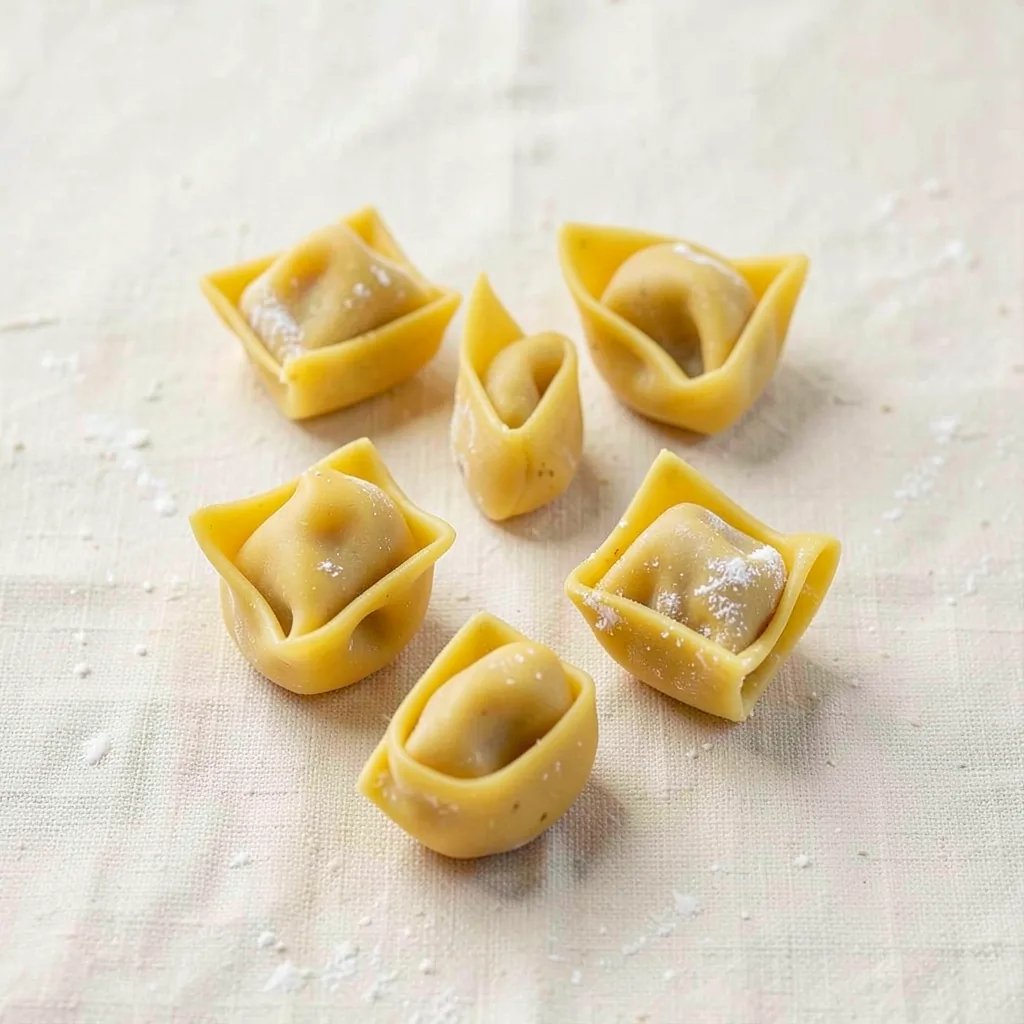
Tortellini
Stuffed · Emilia-Romagna
small square folded over a filling and wrapped around the finger into a ring
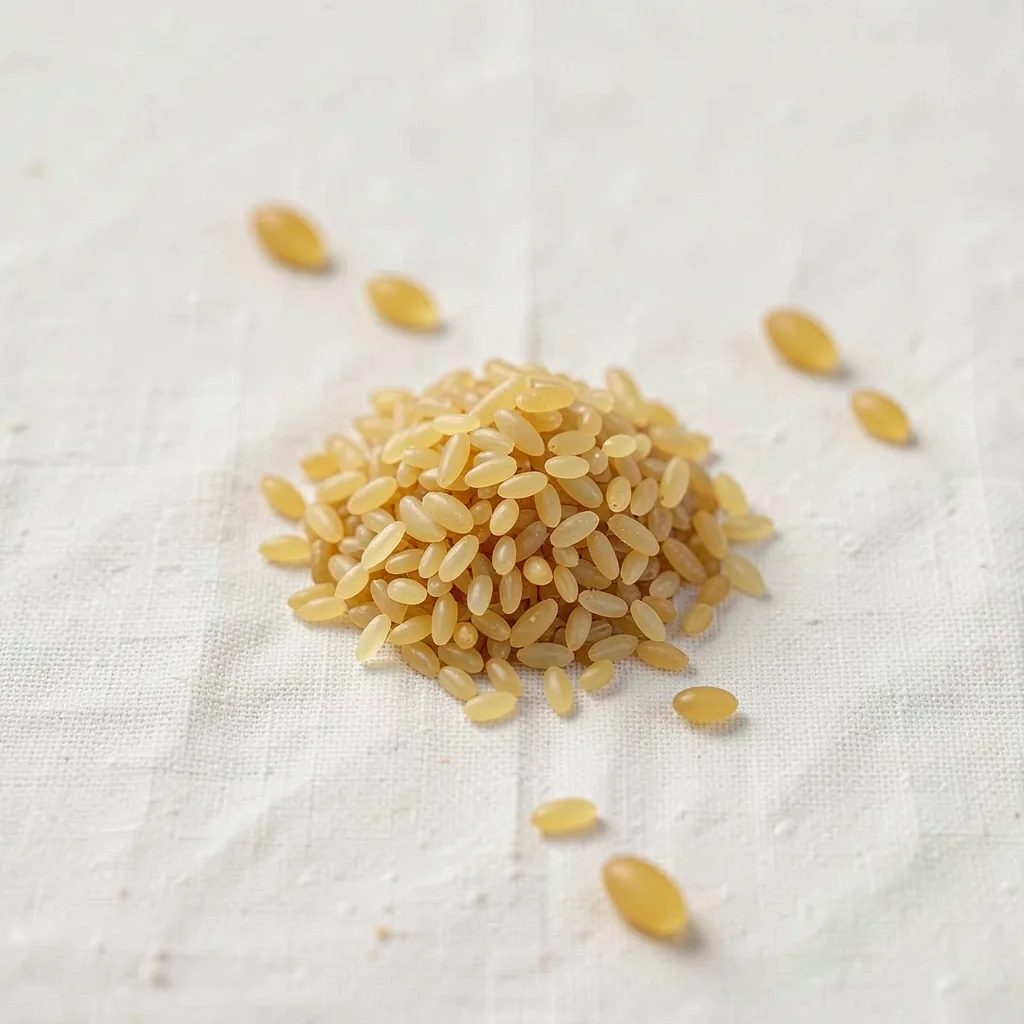
Orzo
Pastina · All of Italy
grain-shaped pasta the size of a large rice grain
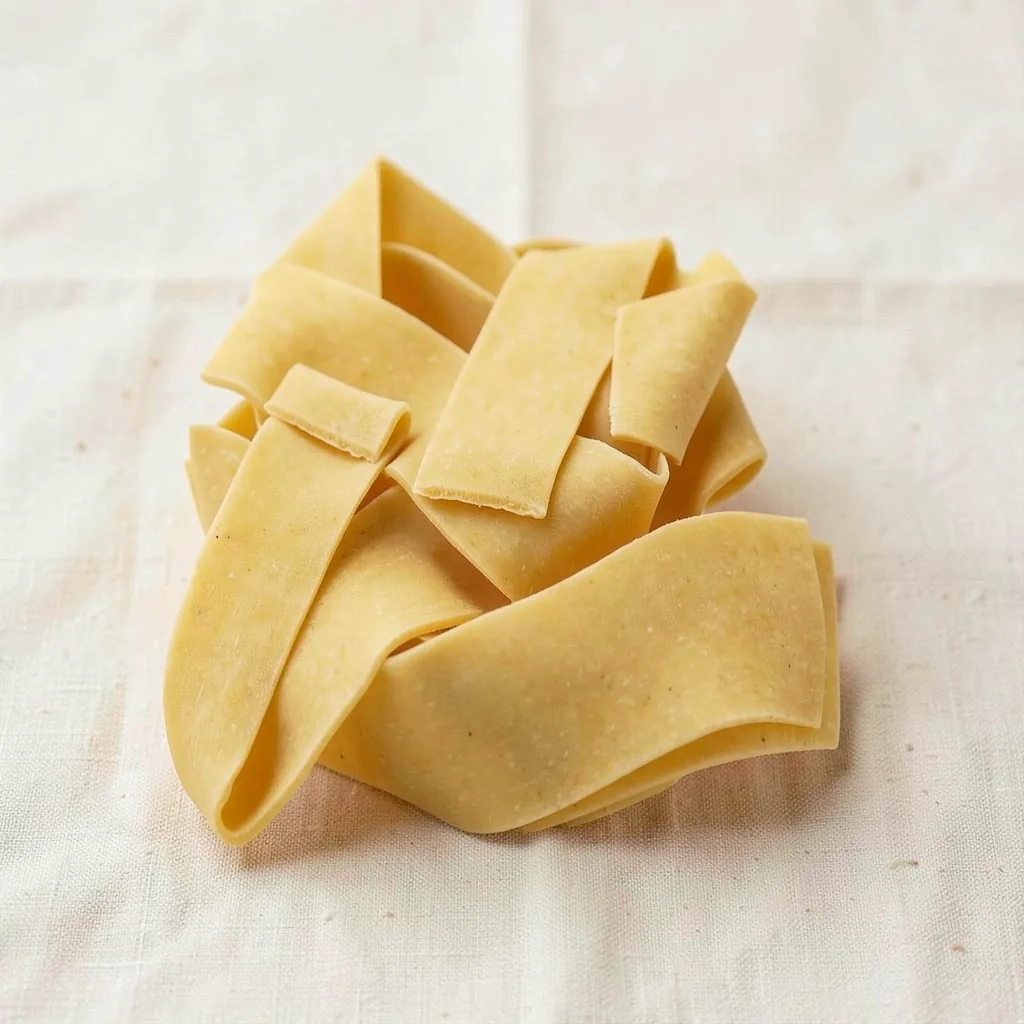
Pappardelle
Ribbons · Tuscany
very wide flat ribbon, 2 to 3 cm, sometimes with a fluted edge
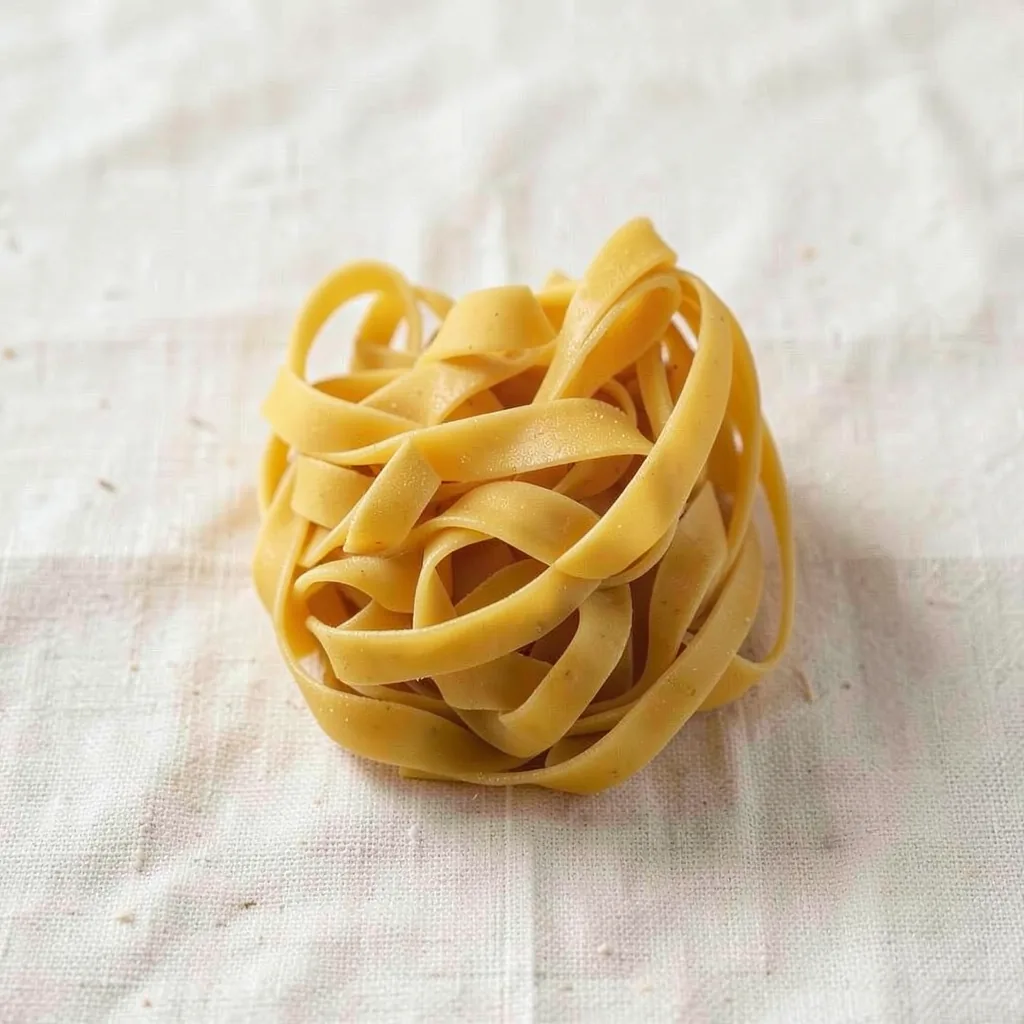
Tagliatelle
Ribbons · Emilia-Romagna
flat egg ribbon, 8 mm wide by tradition
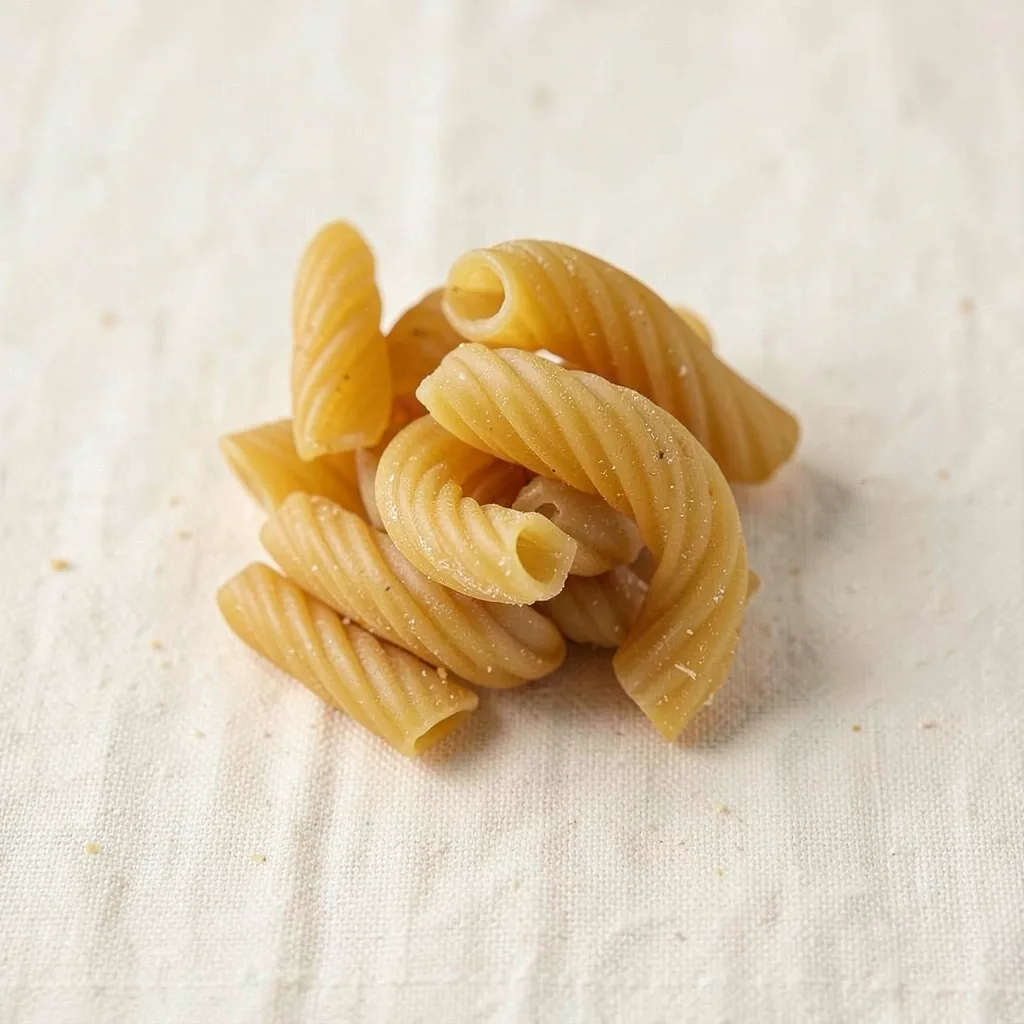
Cavatappi
Tubes · All of Italy
hollow ridged tube wound into a corkscrew
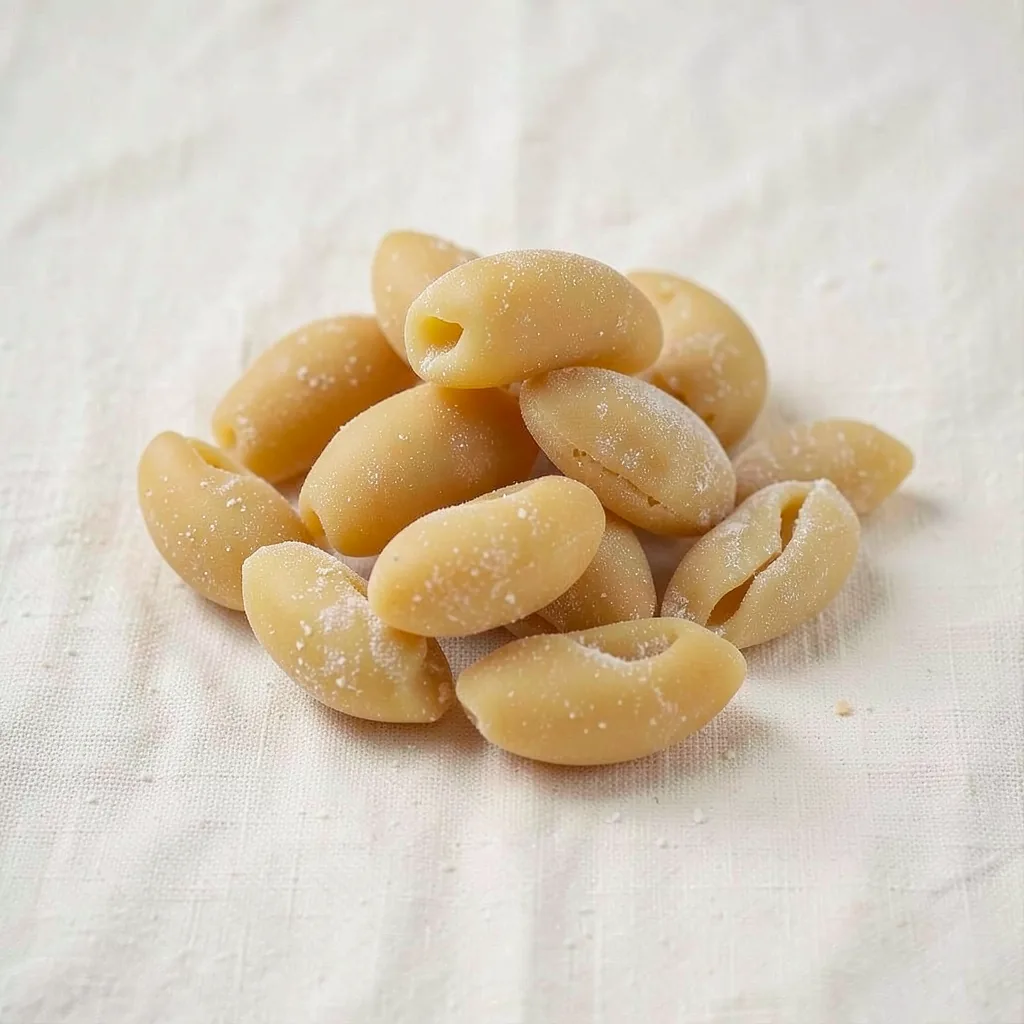
Cavatelli
Hand-formed · Puglia
small dumpling with a hollow, rolled under two fingers
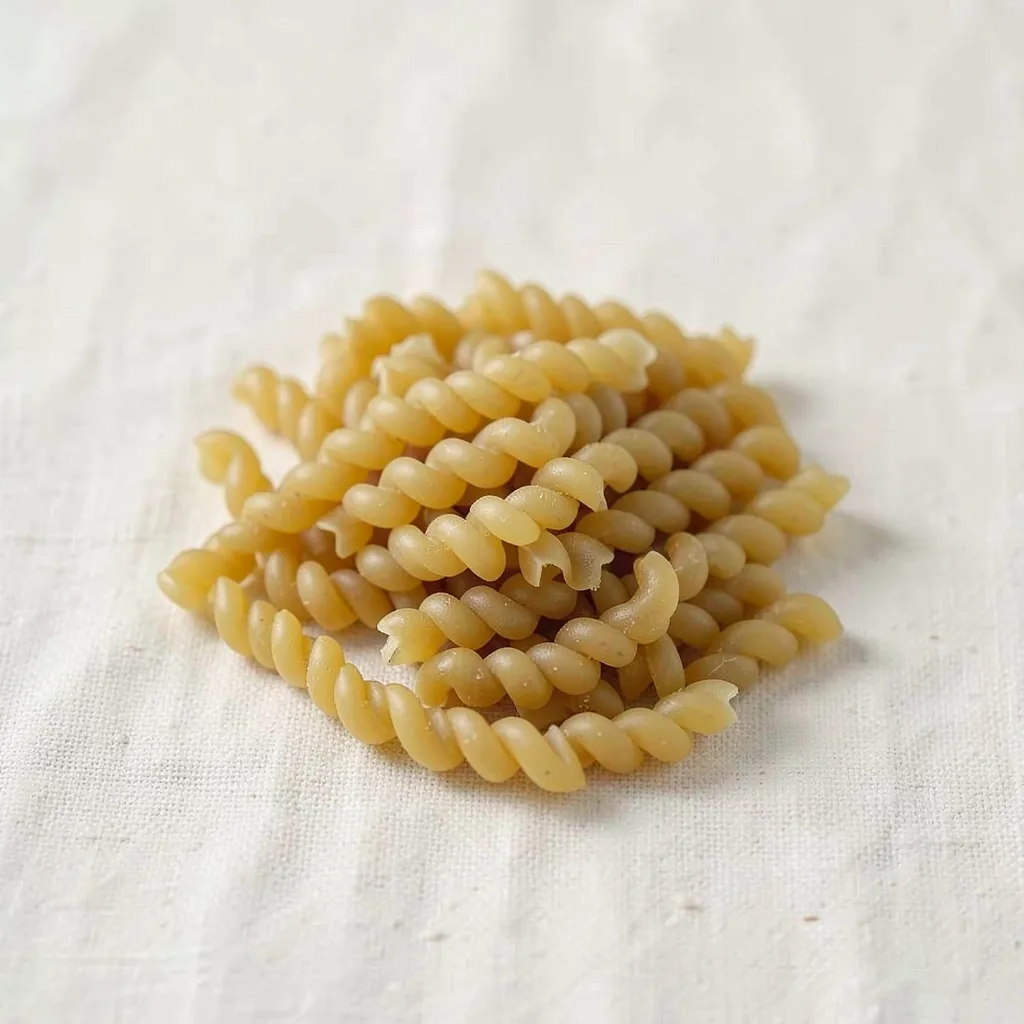
Fusilli
Short shapes · Campania
short solid spiral, three blades twisted around a core
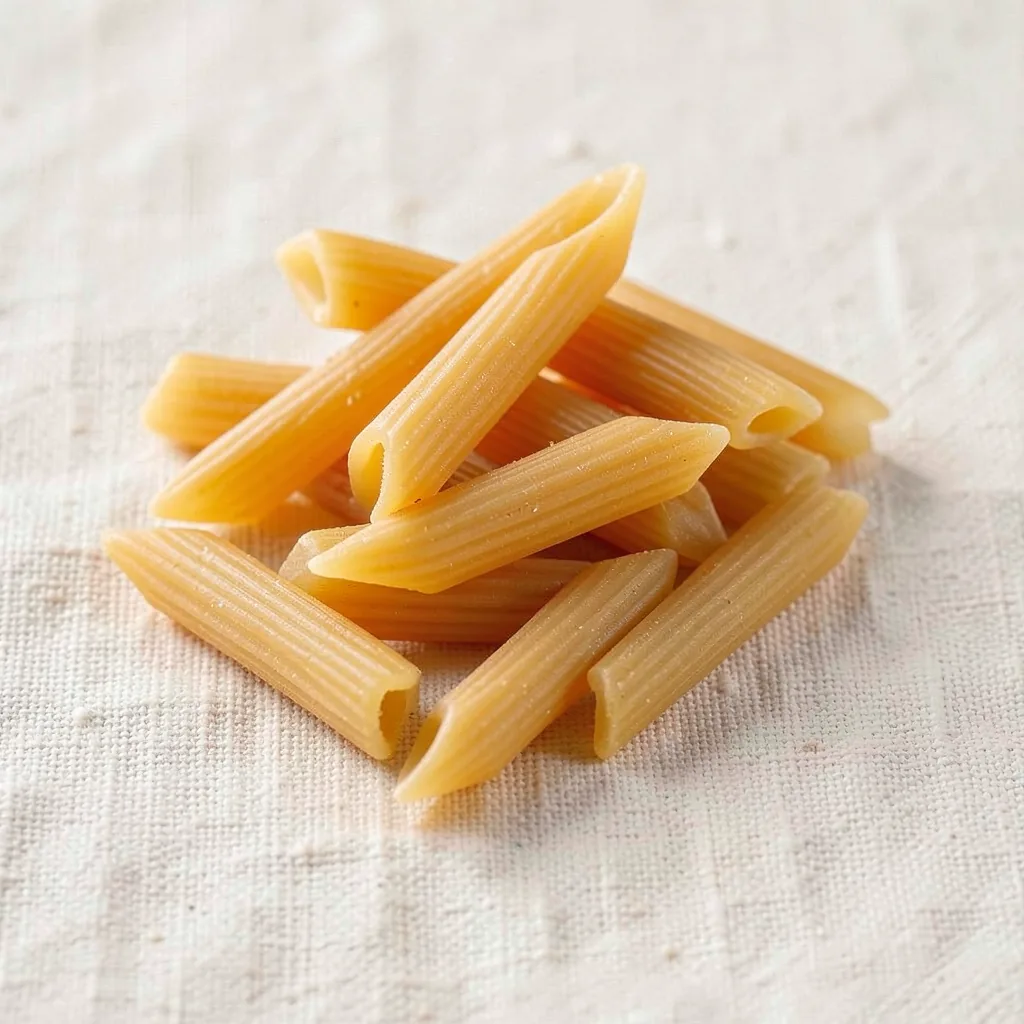
Penne
Tubes · Liguria
medium tube cut on the diagonal, ridged (rigate) or smooth (lisce)
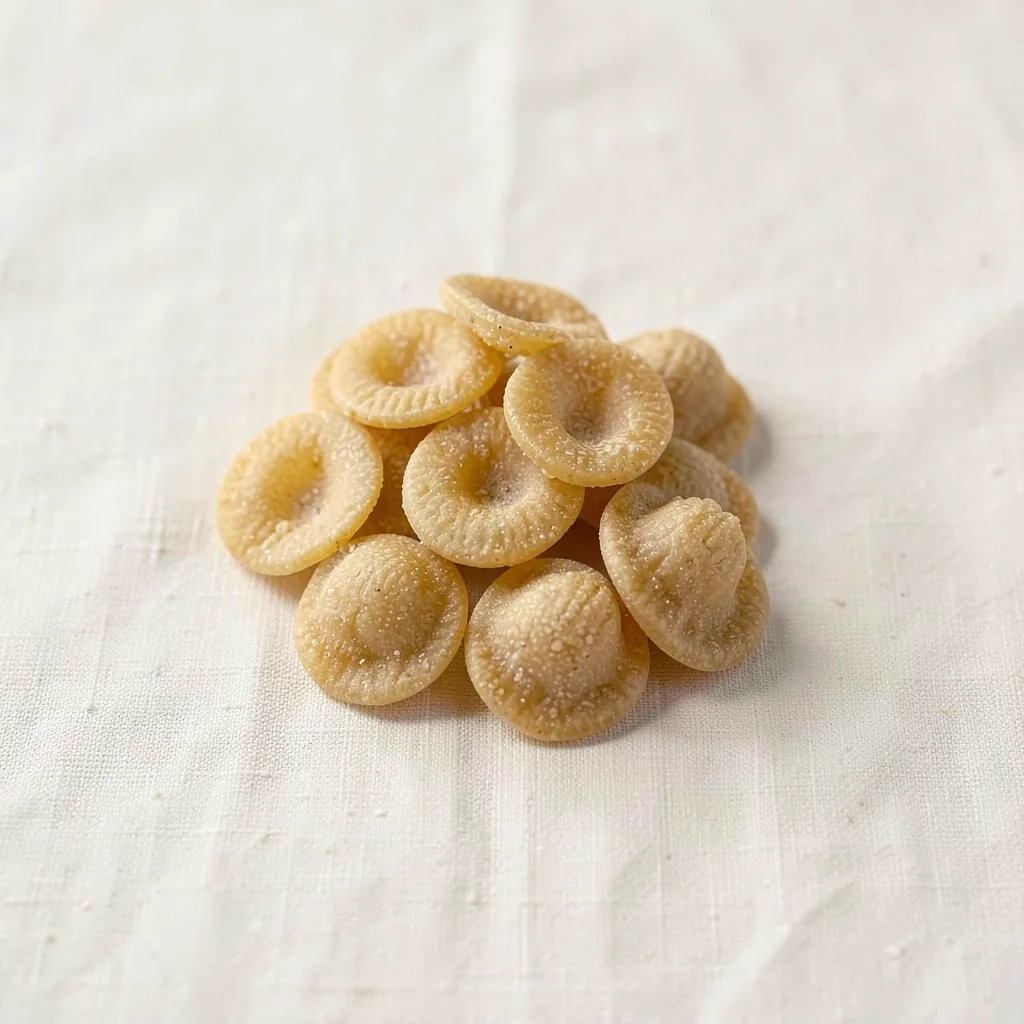
Orecchiette
Hand-formed · Puglia
small domed disc, rough on the outside, dragged over the board with a knife
Eight families
A shape's family tells you most of what it wants from a sauce. Strands need a coating, tubes need a filling, cups need pieces.
Long strands
Pasta lunga · 22 shapes
Round or square in section, sold at full length. Spaghetti is the model. They want sauces that coat: oil, butter, a smooth tomato, a thin ragu.
Ribbons
Fettucce · 17 shapes
Flat and long, cut from a rolled sheet. Width is the whole story: tagliolini for broth and butter, pappardelle for a wild boar ragu.
Tubes
Pasta corta bucata · 32 shapes
Extruded through a die around a pin. The bore carries sauce inside, the ridges hold it outside. Built for ragu, baked dishes, and sausage.
Short shapes
Pasta corta · 38 shapes
Twists, bows, shells, wheels, and spirals. The folds and cups trap chunky sauces, dressings, and cheese. The pasta-salad family.
Sheets
Sfoglia · 3 shapes
Wide flat pasta for layering, rolling, or tearing. Lasagne is the model. They need the oven or a very gentle pan.
Stuffed
Pasta ripiena · 21 shapes
Two sheets or one folded sheet around a filling. The filling is the flavor, so the sauce stays simple: butter and sage, broth, a light tomato.
Pastina
Pastina · 27 shapes
Tiny shapes for broth and soup. Stars, rings, grains, letters. Cooked in the liquid, never drained.
Hand-formed
Pasta fatta a mano · 21 shapes
Regional shapes made by hand, usually from semolina and water. Rough, dense, and chewy. They carry the food of the Italian south.
Find a shape by what you need
By trait
By sauce
Start from what is in the pan.
- Aglio e olio · 12
- Cacio e pepe · 4
- Carbonara · 7
- Gricia · 5
- Amatriciana · 9
- Pomodoro · 66
- Marinara · 5
- Arrabbiata · 2
- Puttanesca · 2
- Norma · 6
- Vodka sauce · 4
- Ragu alla bolognese · 4
- Ragu napoletano · 10
- Meat ragu · 39
- Sausage ragu · 33
- Wild boar ragu · 2
- Pesto alla genovese · 18
- Pesto alla trapanese · 2
- Butter and sage · 23
- Alfredo · 2
- Cream sauce · 33
- Vongole · 8
- Frutti di mare · 7
- Tuna and tomato · 5
- Bottarga · 2
- Cime di rapa · 3
- Broccoli and anchovy · 2
- Vegetable ragu · 13
- Porcini · 11
- Walnut sauce · 5
- Ricotta · 8
- Four cheese · 6
- Pasta e fagioli · 8
- Pasta e ceci · 6
- In brodo · 23
- Minestrone · 16
- Baked (al forno) · 22
- Mac and cheese · 10
- Pasta salad · 18
- Lemon and butter · 8
By region
The hand-made shapes stay close to home.
- Campania · 29
- Emilia-Romagna · 17
- Liguria · 10
- Puglia · 9
- Sardinia · 9
- Lazio · 6
- Abruzzo · 5
- Lombardy · 5
- All regions
How to read a shape
Surface. Ridges and a rough bronze-die face hold sauce on the outside. A smooth face holds almost nothing, so a smooth shape depends on its bore or its cup.
Cavity. A bore, a cup, or a fold carries sauce inside the piece. The wider the cavity, the bigger the pieces the sauce can have. Strands have none, so their sauce must coat.
Mass. A thick strand or a heavy tube stands up to a rich sauce and releases the starch that a cheese emulsion needs. A thin strand goes limp under the same sauce.
114 shapes carry a full profile: specs, sauce logic, substitutes, and a portrait. The rest carry what the sources give us, and grow as we measure them.