Maccheroni alla molinara
Very thick, long, hand-pulled pasta.
Name. Molinara and mugnaia both mean the miller's wife. The name recalls the watermills on the River Fino.
What it is
Maccheroni alla molinara is a single long, thick strand of fresh pasta, pulled by hand. The dough is only durum wheat flour and water. The cook opens a hole in the centre of the dough ball. She then works the ring outward in circles until it becomes one long rope. The rope is uneven and about 4 to 6 mm thick. No rolling pin is used.
The shape comes from the Fino valley in Abruzzo, between the provinces of Teramo and Pescara. Local tradition dates it to 1340 and a visit by Robert of Anjou, King of Naples. South of the Fino it is called molinara. North of the river it is called mugnaia. Elice holds a festival for it every August. The sauce is a tomato ragù of mixed meats, often lamb, veal or pork, with grated pecorino.
What it is served with
Pairs with: Meat ragu · Pomodoro
Classic plates: maccheroni alla mugnaia.
Nutrition
Per 100 g of dry semolina pasta. The shape does not change these numbers. The dough does, so a whole wheat or egg version of this shape reads differently. See every dough.
| Per 100 g | Energy | Protein | Carbohydrate | Fibre | Fat | Sodium | Iron |
|---|---|---|---|---|---|---|---|
| Dry | 371 kcal | 13.0 g | 74.7 g | 3.2 g | 1.5 g | 6 mg | 3.3 mg |
| Cooked | 158 kcal | 5.8 g | 30.9 g | 1.8 g | 0.9 g | 1 mg | 1.3 mg |
One portion. 100 g dry becomes about 235 g cooked, 371 kcal and 13 g of protein. Pasta takes on 2.3 times its weight in the pot.
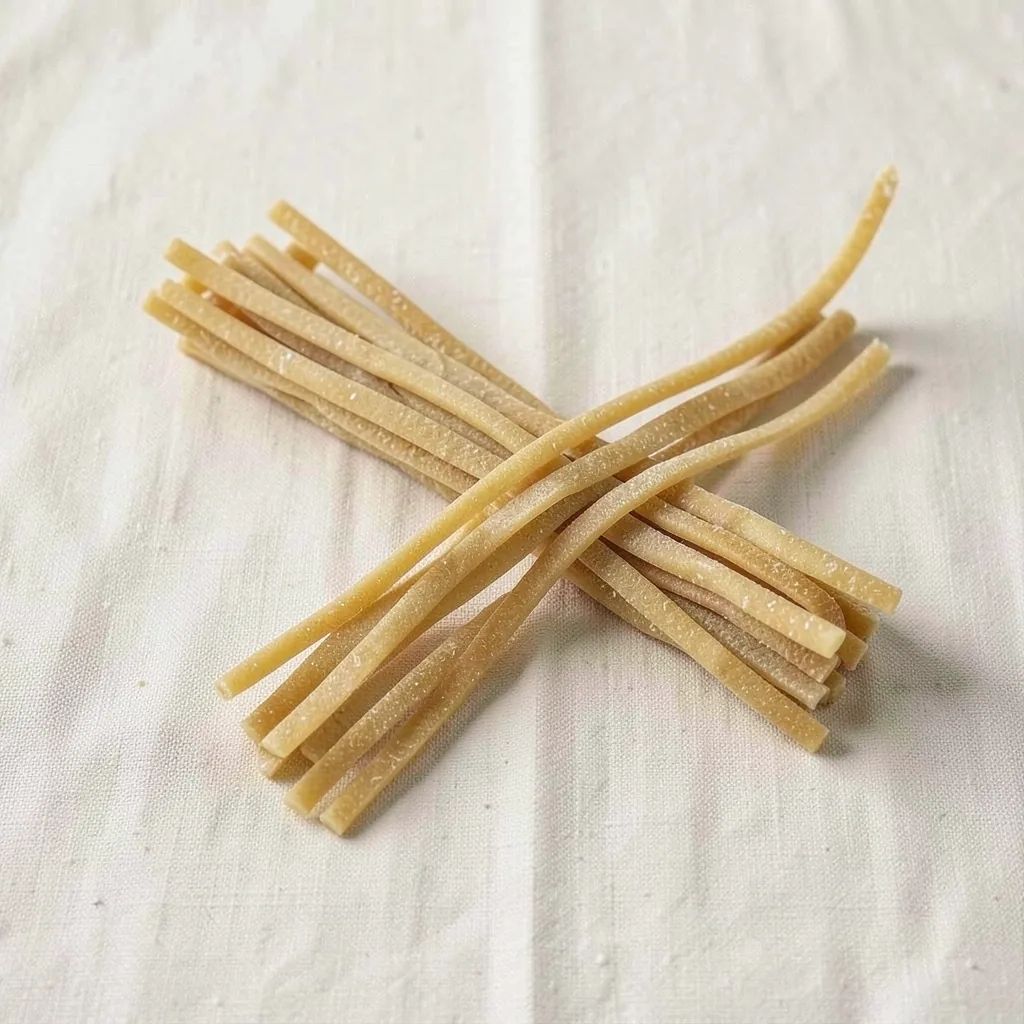
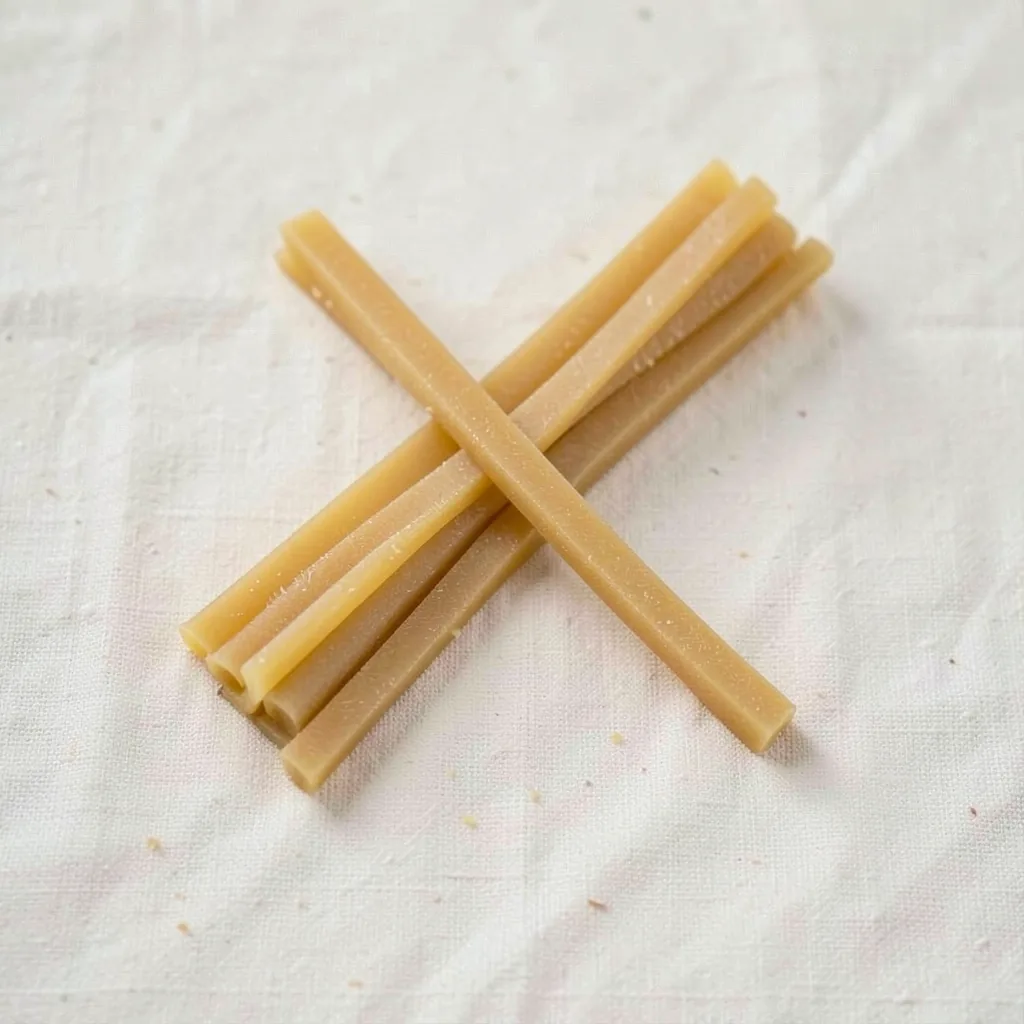
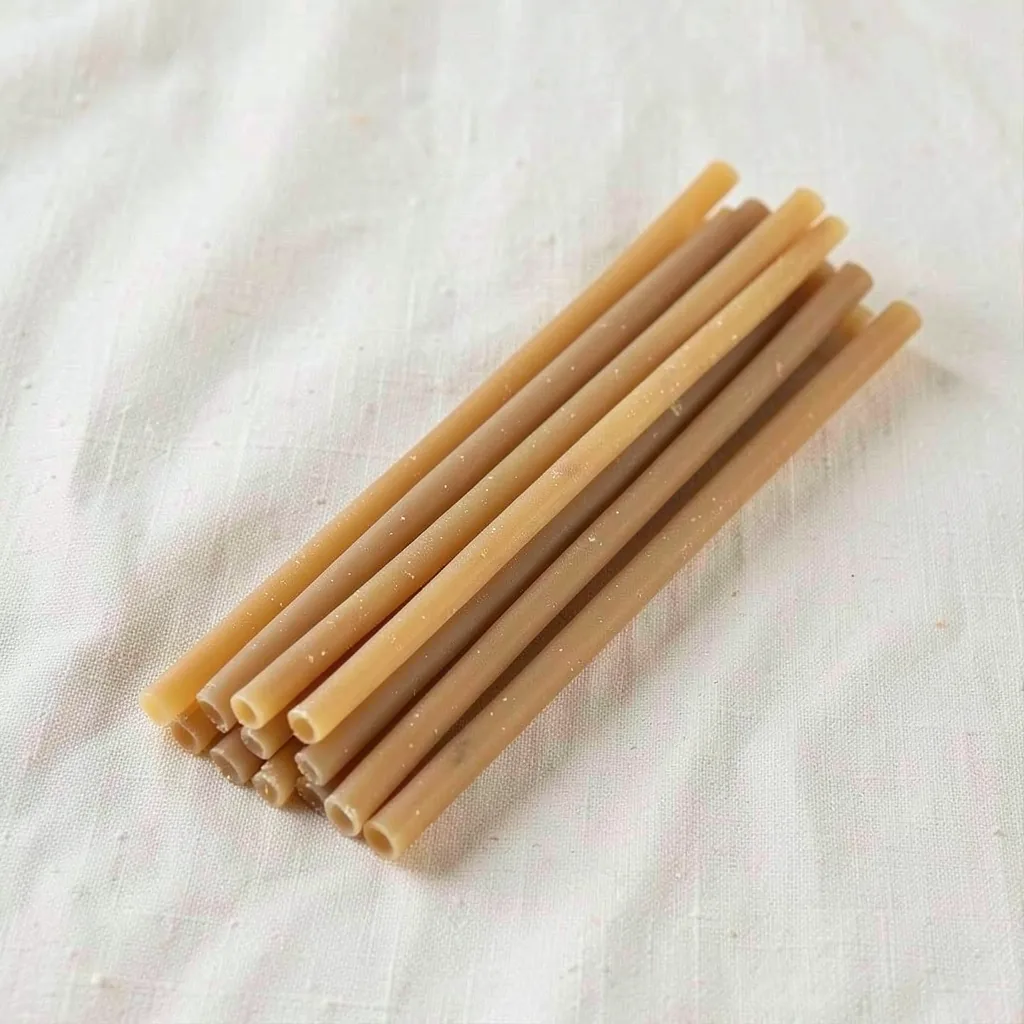
No maccheroni alla molinara? Use these
Ranked by how they behave with sauce, not how they look.
Other names
alla mugnaia, maccheroni alla mugnaia, pasta alla mugnaia.
Sources
- Wikipedia: Maccheroni alla molinara (profile: origin, form, use)
- Tesori d'Abruzzo: Maccheroni alla mugnaia (profile: origin, form, use)
- USDA FoodData Central (nutrition per 100 g, by dough: FDC 169736, Pasta, dry, enriched; FDC 169737, Pasta, cooked, enriched, without added salt), public domain. The cooked yield is derived from the two energy figures.
- Maccheroni alla molinara, Wikipedia (names, origin), CC BY-SA 4.0
- Q18201801, Wikidata
- Dimensions: brand spec sheets and measured boxes. Blank fields are unmeasured, never guessed.