Pici
PEE-chee
Fat irregular hand-rolled strand.
4 mm across
Name. From appiciare, Tuscan for to roll between the hands. Umbria calls the same pasta umbricelli or strangozzi.
What it is
Pici is the hand-rolled strand of southern Tuscany, Siena in particular: a flour-and-water dough rolled on the board into thick, uneven strands, each one a little different. It is cousin to Umbrian umbricelli and to the strangozzi of Spoleto.
The classics are peasant food. Pici all'aglione, with a sauce of sweet giant garlic and tomato. Pici con le briciole, with toasted breadcrumbs. Pici with wild boar or duck ragu on a Sunday.
How to cook pici
4 to 8 minutes in boiling salted water. Take the shorter time for al dente, the longer time for fully cooked.
4:00
Start when the water returns to the boil.
Water and salt
- Pasta, dry
- 400 g
- Water
- 4 L
- Salt
- 40 g
100 g per person as a main. A litre and 10 g of salt per 100 g. Adjust with the portion calculator.
The steps
- Bring 4 L of water to a full boil in a tall pot. Add 40 g of salt when it boils.
- Add the pici. Stir for the first minute so nothing sticks. Start the timer when the water returns to the boil.
- Fresh pasta has no dry core. It is done when it is tender, not when it resists.
- Scoop out a cup of the cooking water. Drain, or lift the pasta straight into the pan.
- Toss with the sauce over the heat for a minute. Add cooking water a splash at a time until it clings.
Read more: what al dente means and why the pasta water matters. Times for every shape are on the cook page.
How it holds sauce
Thick, rough, and chewy, pici needs a sauce with force: garlic and tomato, breadcrumbs fried in oil, a game ragu. A delicate sauce disappears against the mass of the pasta.
Pairs with: Wild boar ragu · Pomodoro · Aglio e olio · Meat ragu
Classic plates: Pici all'aglione, Pici con le briciole, Pici al ragu di cinghiale, Pici cacio e pepe.
Nutrition
Per 100 g of dry semolina pasta. The shape does not change these numbers. The dough does, so a whole wheat or egg version of this shape reads differently. See every dough.
| Per 100 g | Energy | Protein | Carbohydrate | Fibre | Fat | Sodium | Iron |
|---|---|---|---|---|---|---|---|
| Dry | 371 kcal | 13.0 g | 74.7 g | 3.2 g | 1.5 g | 6 mg | 3.3 mg |
| Cooked | 158 kcal | 5.8 g | 30.9 g | 1.8 g | 0.9 g | 1 mg | 1.3 mg |
One portion. 100 g dry becomes about 235 g cooked, 371 kcal and 13 g of protein. Pasta takes on 2.3 times its weight in the pot.
No pici? Use these
Ranked by how they behave with sauce, not how they look. Full substitute list.
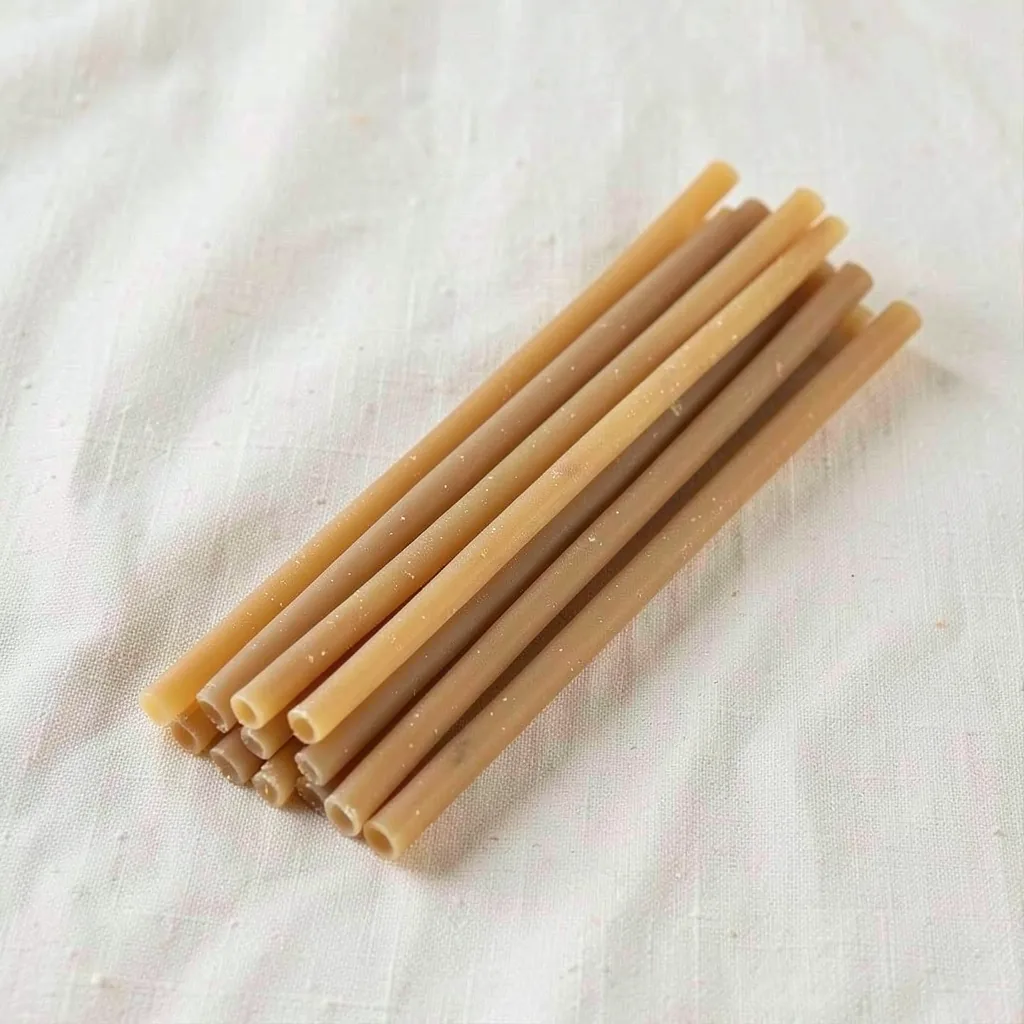
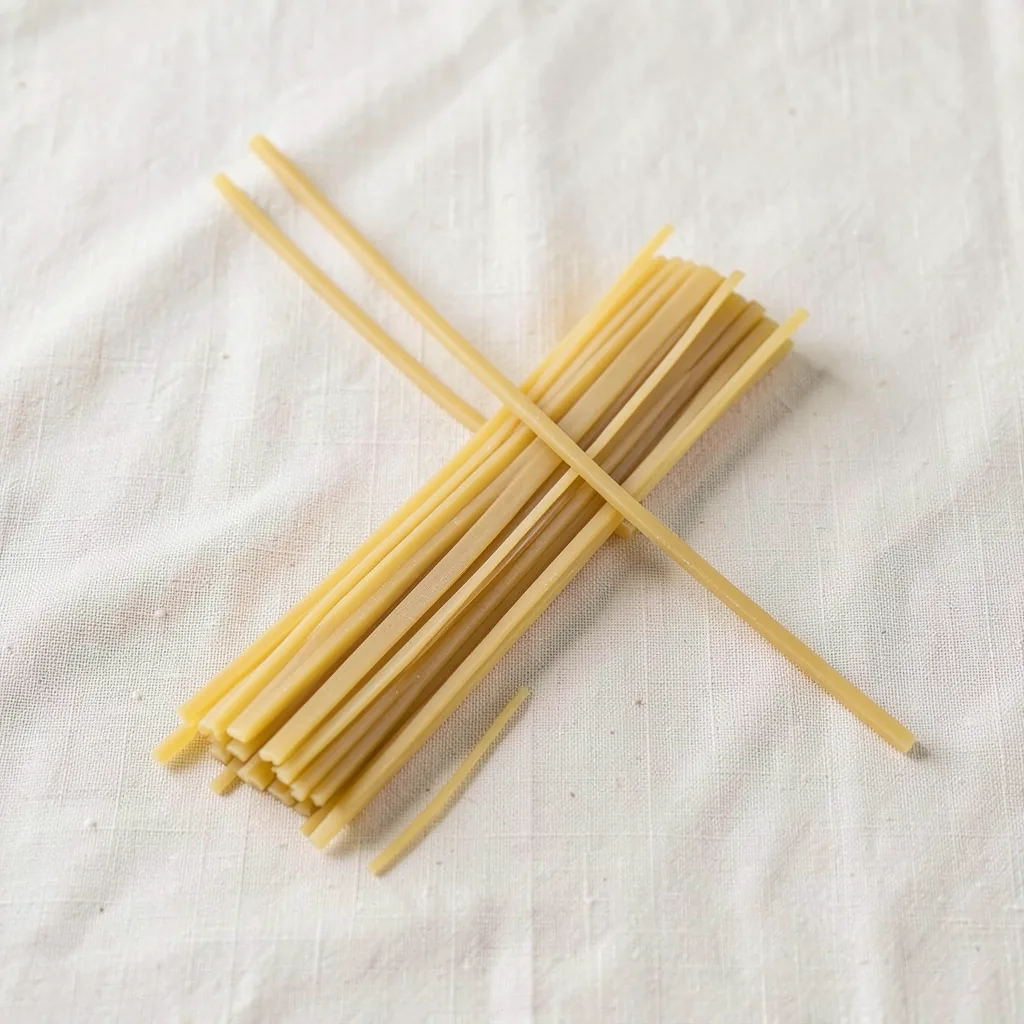
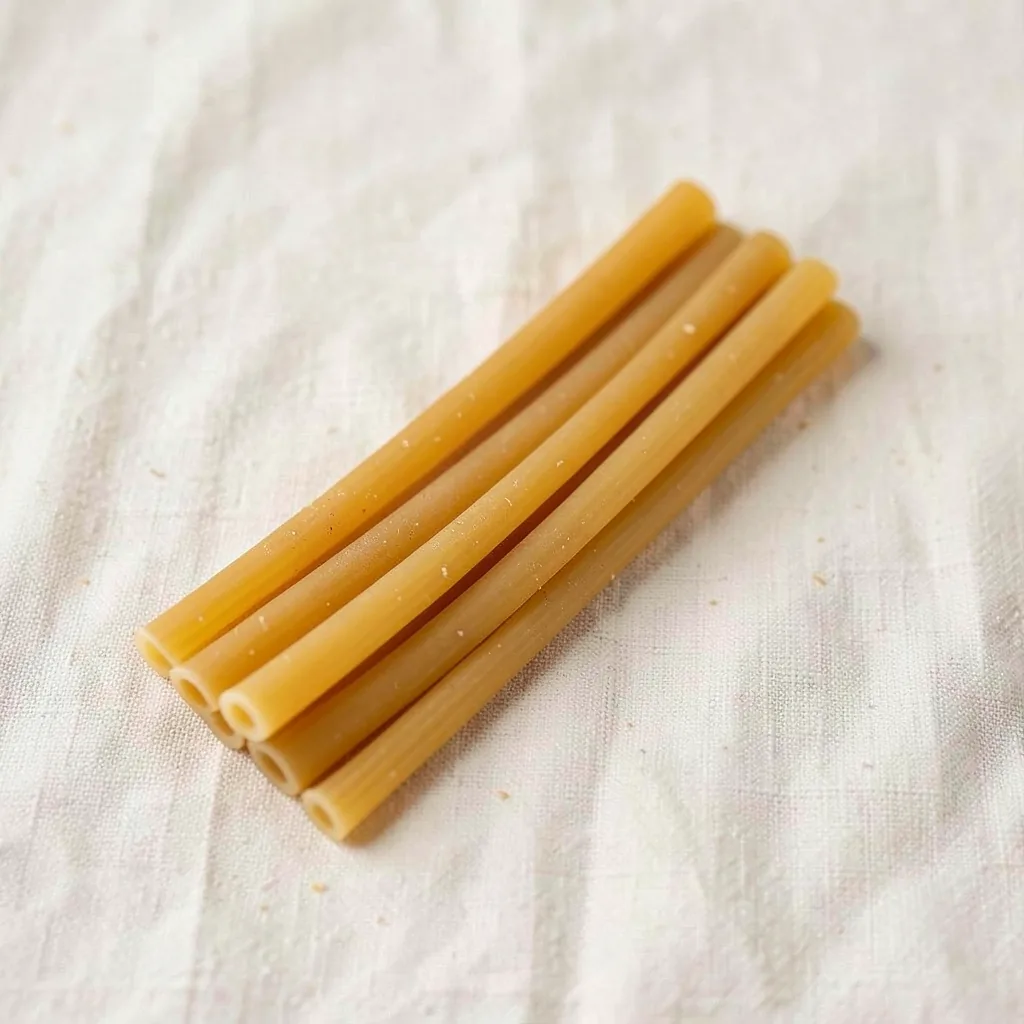
Side by side
Easy to confuse with
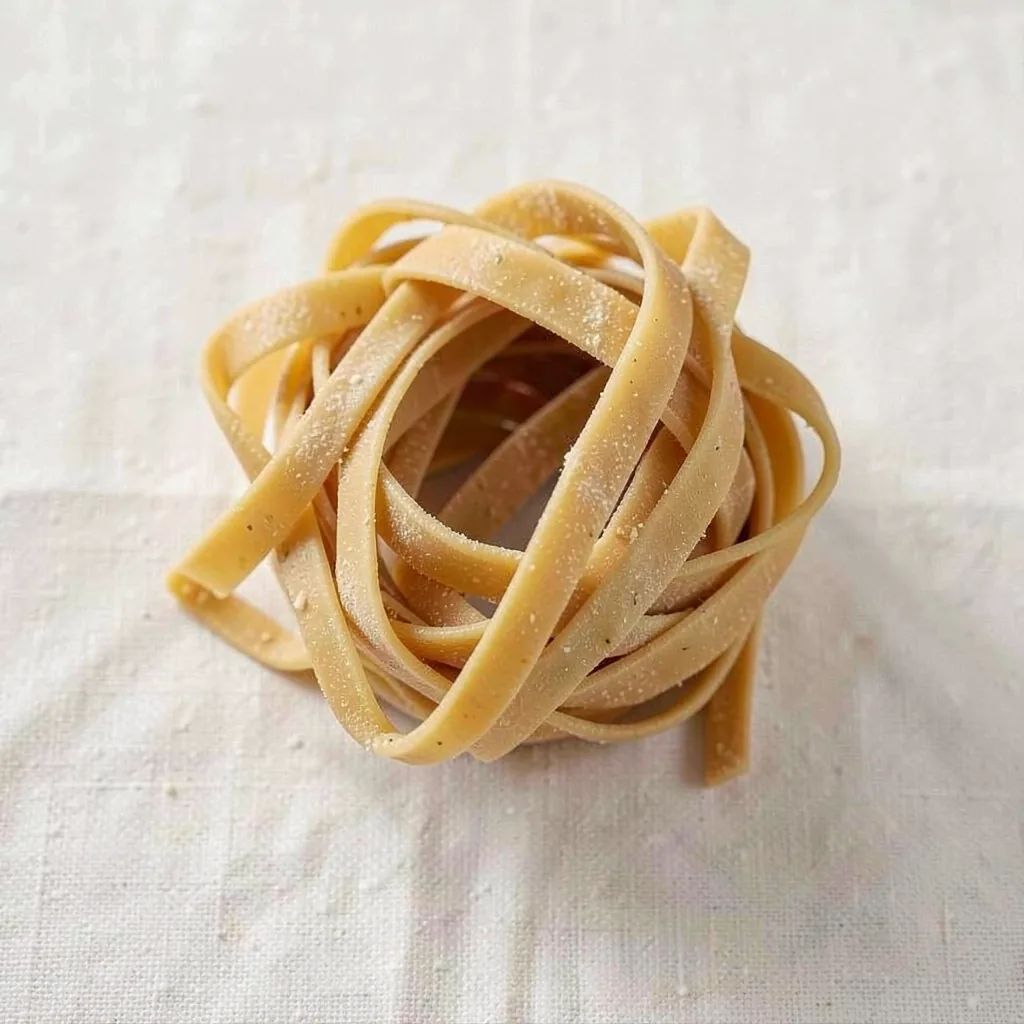
Other names
Lunghetti (Montalcino), lunghetti, pinci, pinci (Montepulciano), umbricelli, umbrici/ciriole (Umbria).
Read more
Sources
- Cook time: fresh, hand-rolled.
- Photograph: Pici3.jpg, Popo le Chien, CC0.
- USDA FoodData Central (nutrition per 100 g, by dough: FDC 169736, Pasta, dry, enriched; FDC 169737, Pasta, cooked, enriched, without added salt), public domain. The cooked yield is derived from the two energy figures.
- Pici, Wikipedia (names, origin), CC BY-SA 4.0
- Q1317958, Wikidata
- Dimensions: brand spec sheets and measured boxes. Blank fields are unmeasured, never guessed.