Eight families
A shape's family tells you most of what it wants from a sauce. The rest is surface, cavity, and mass.
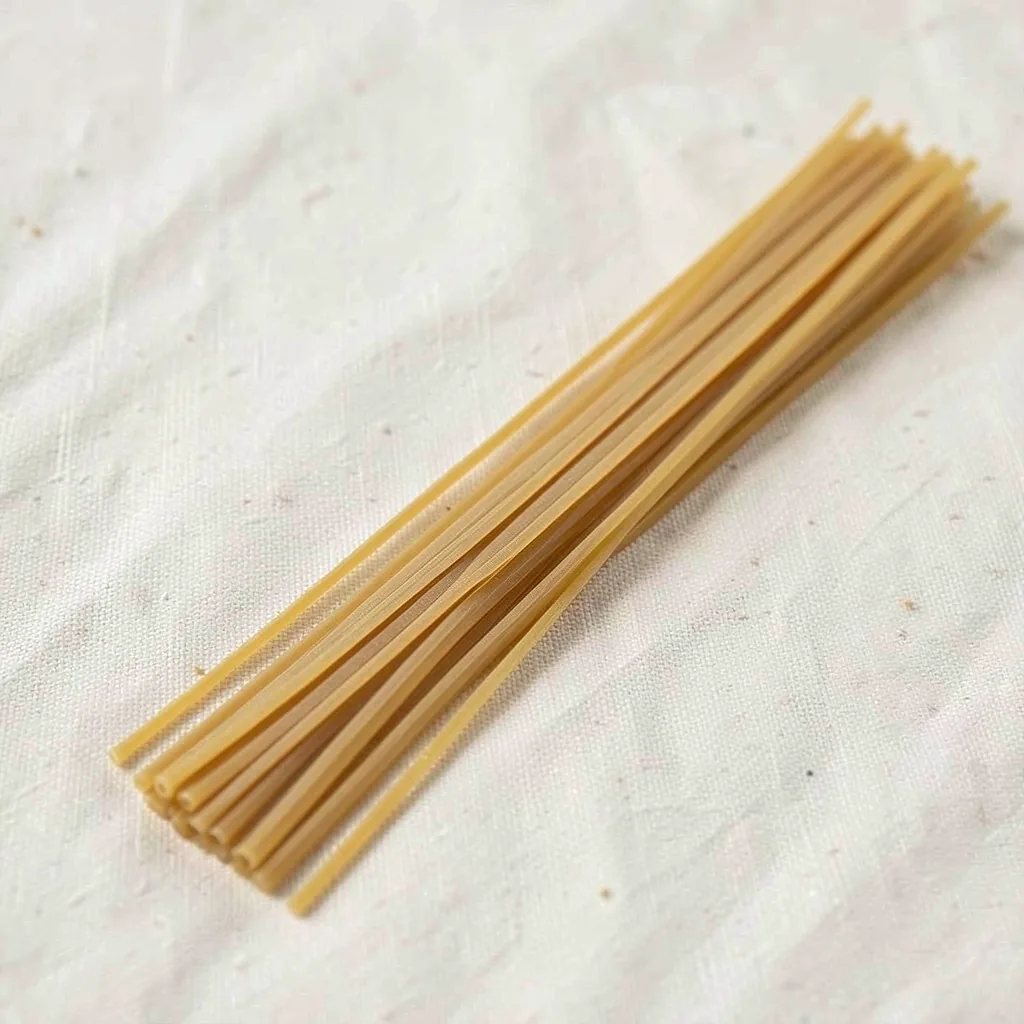
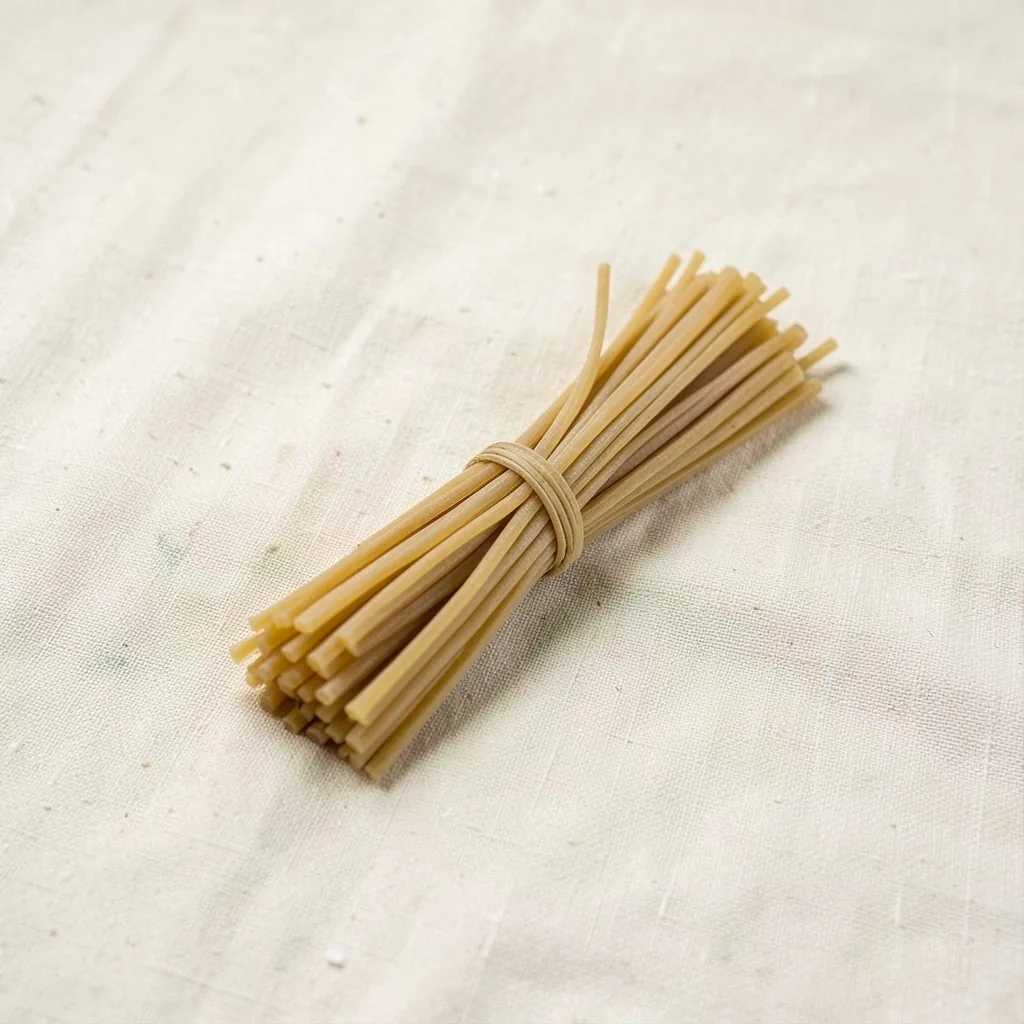
Long strands
Pasta lunga · 22 shapes
Round or square in section, sold at full length. Spaghetti is the model. They want sauces that coat: oil, butter, a smooth tomato, a thin ragu.
Ribbons
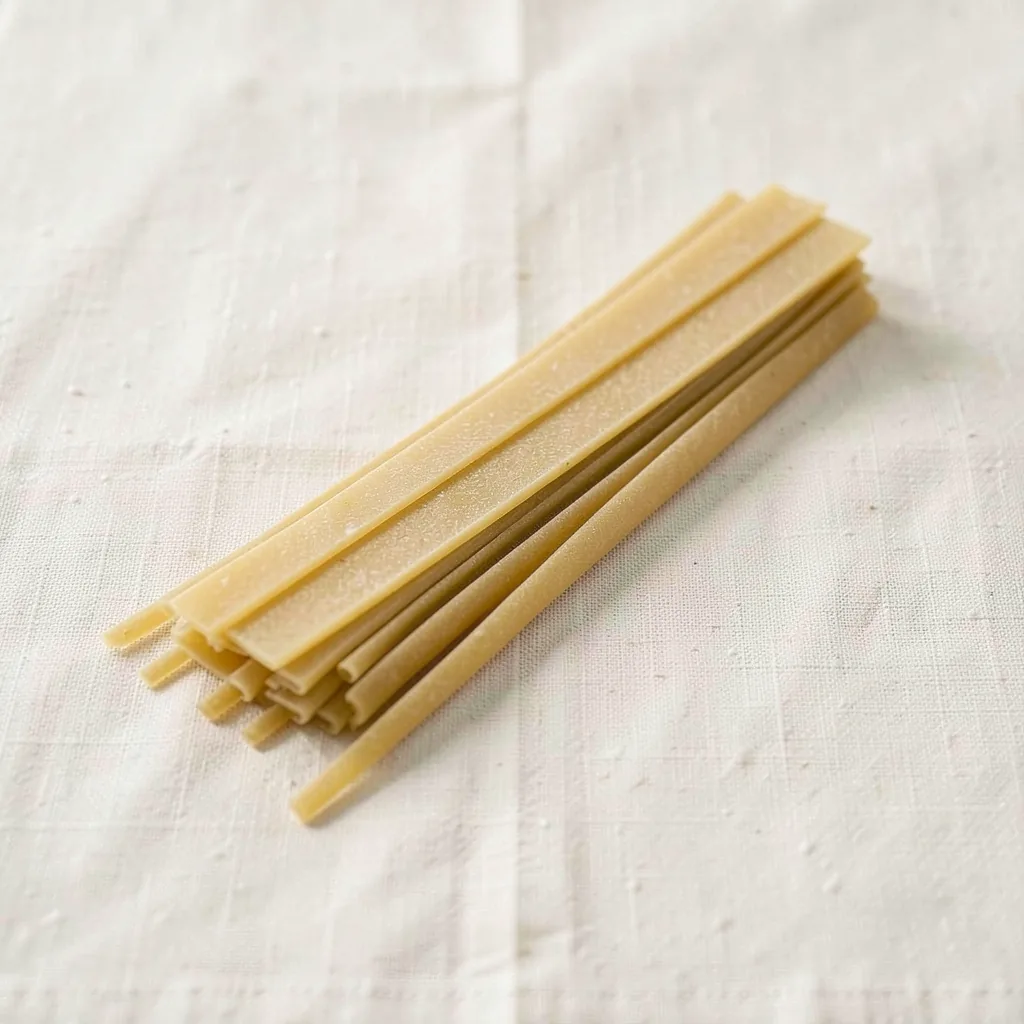
Fettucce · 17 shapes
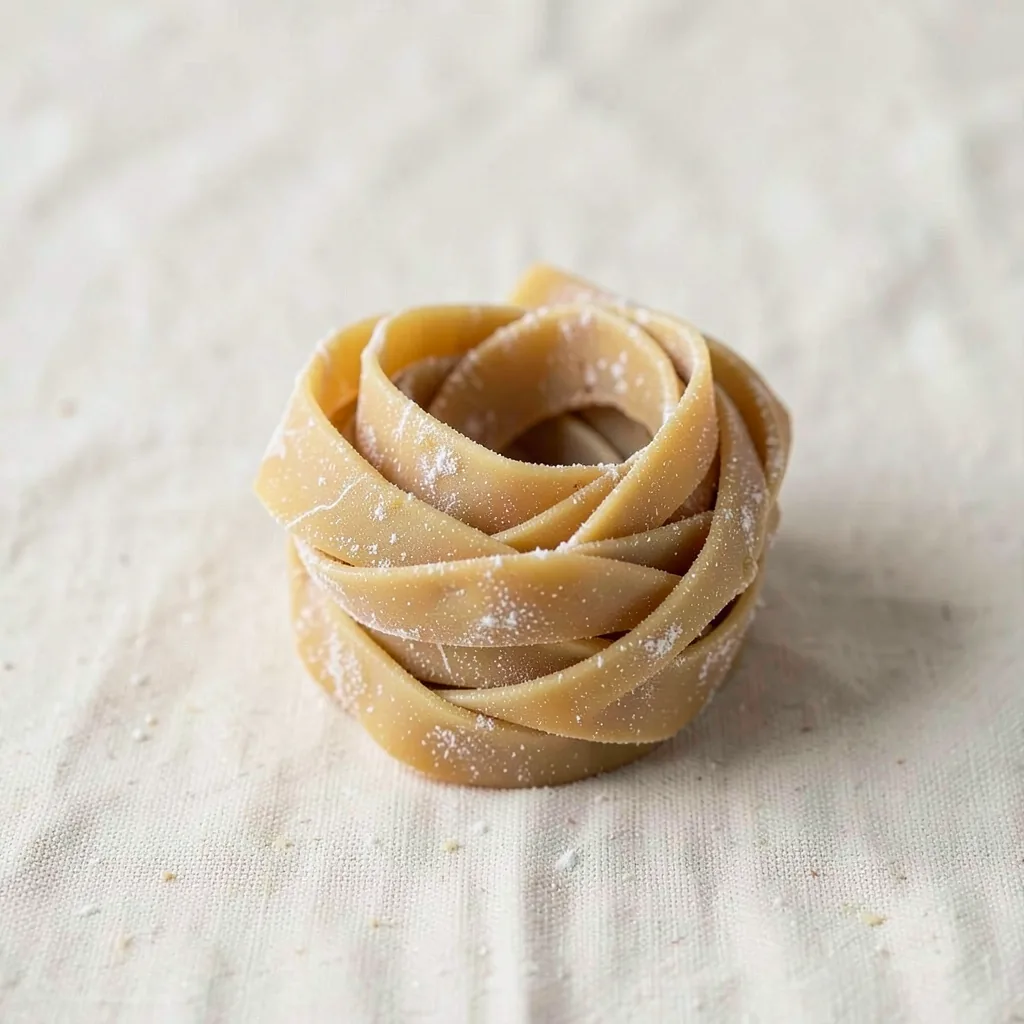
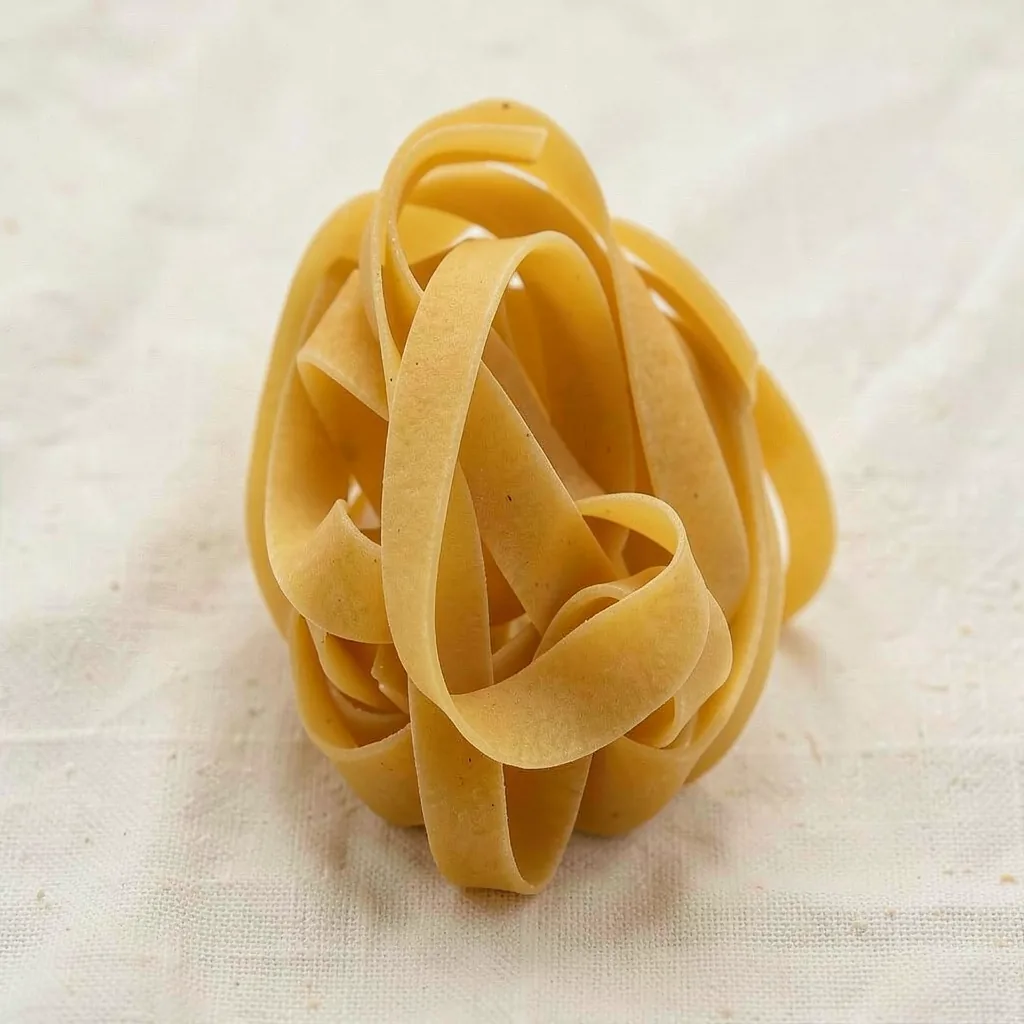
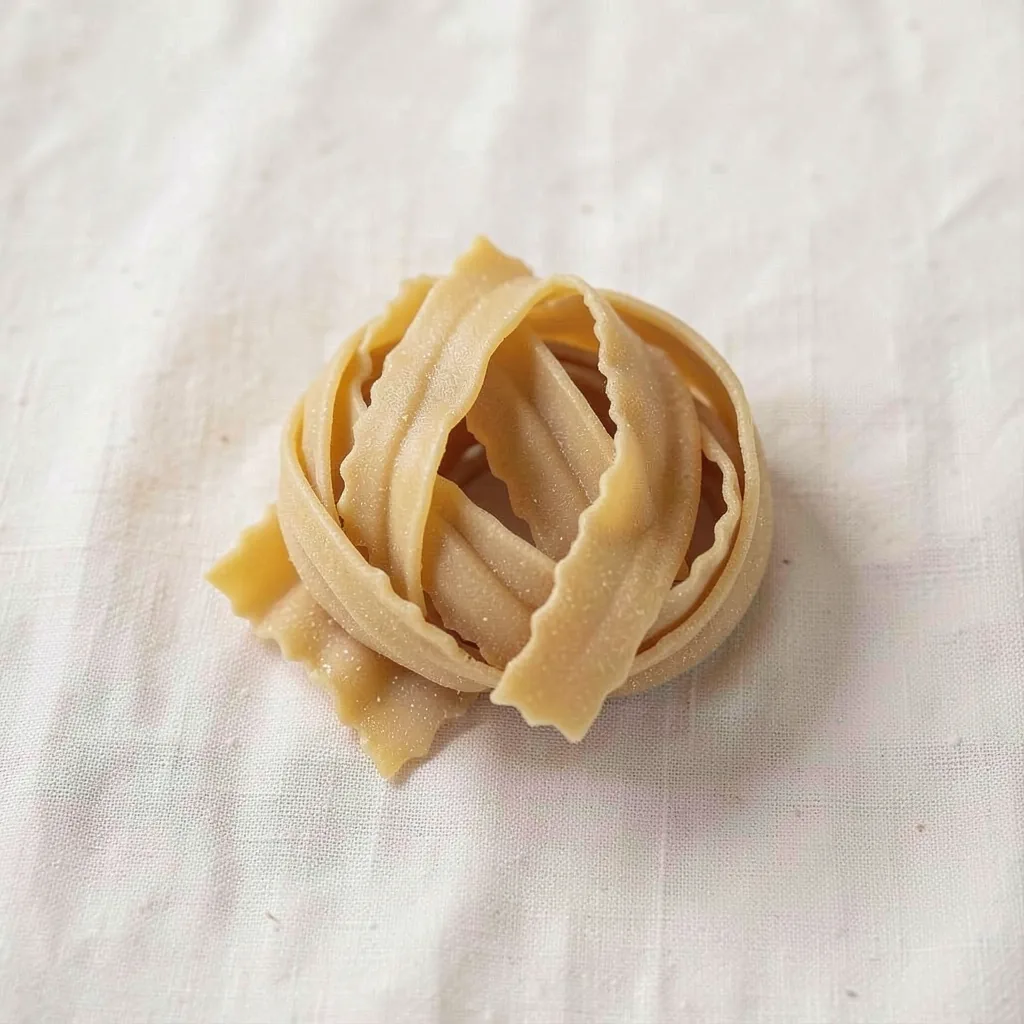
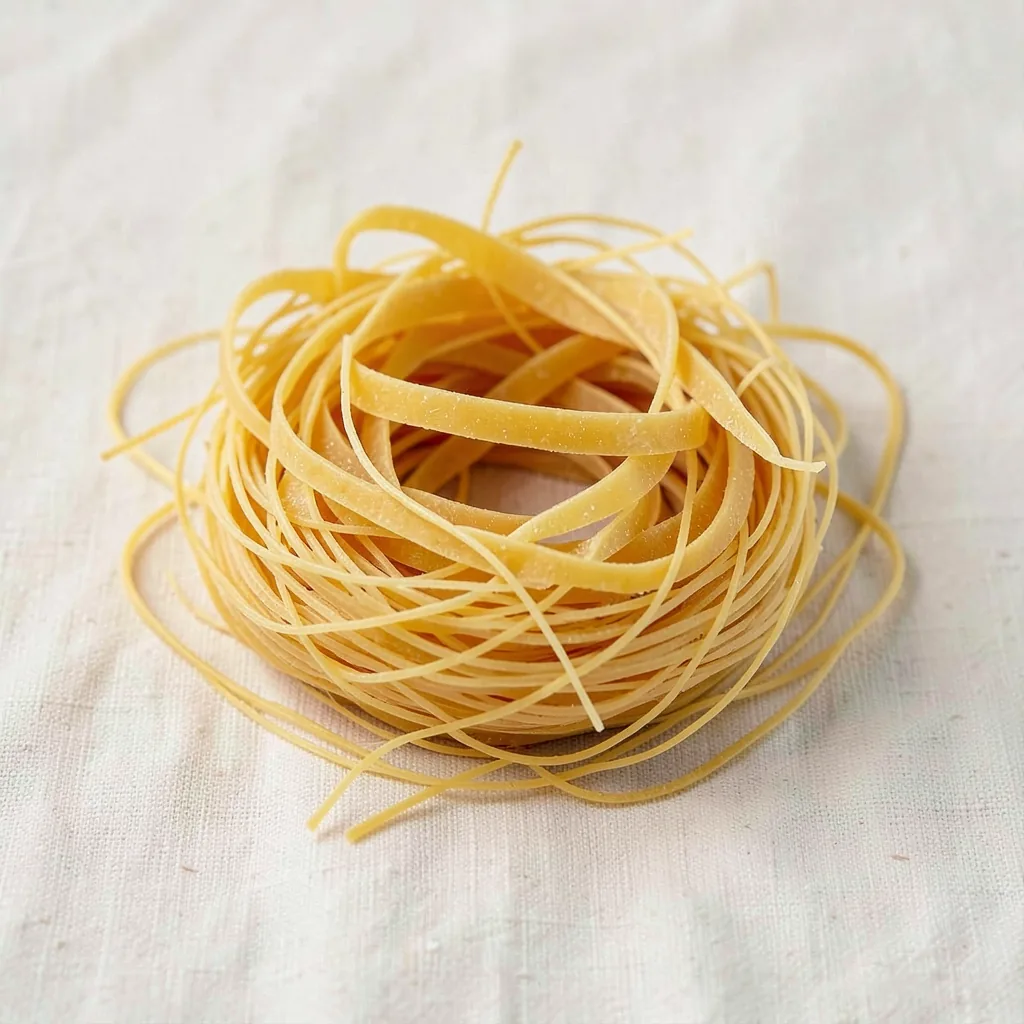
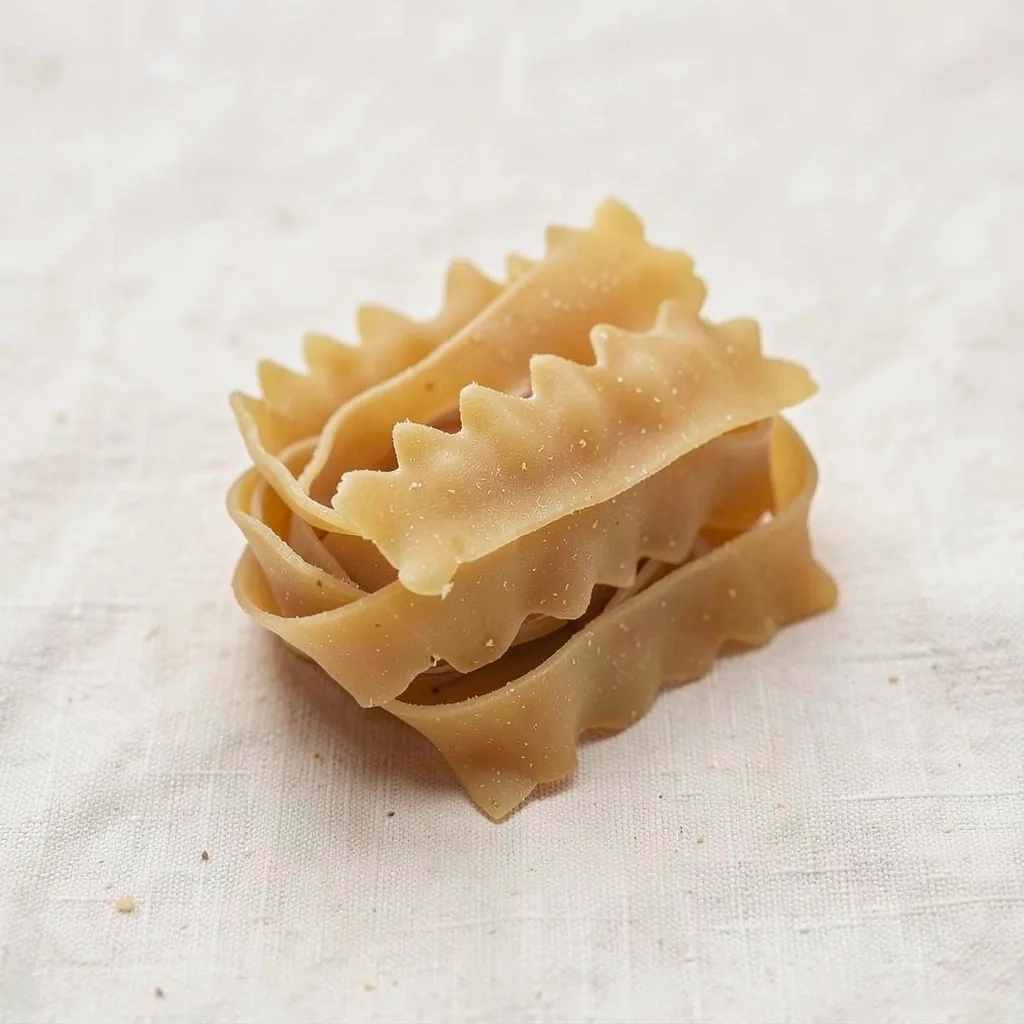
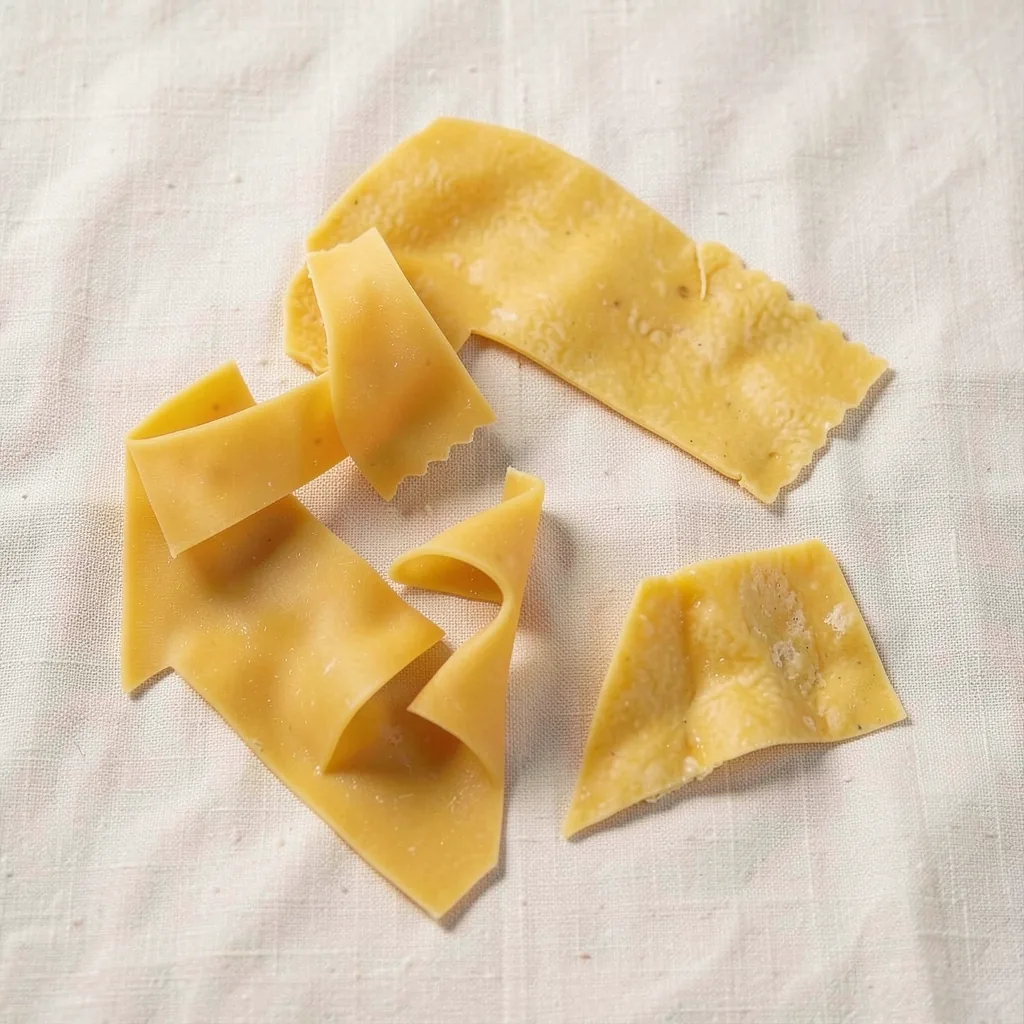
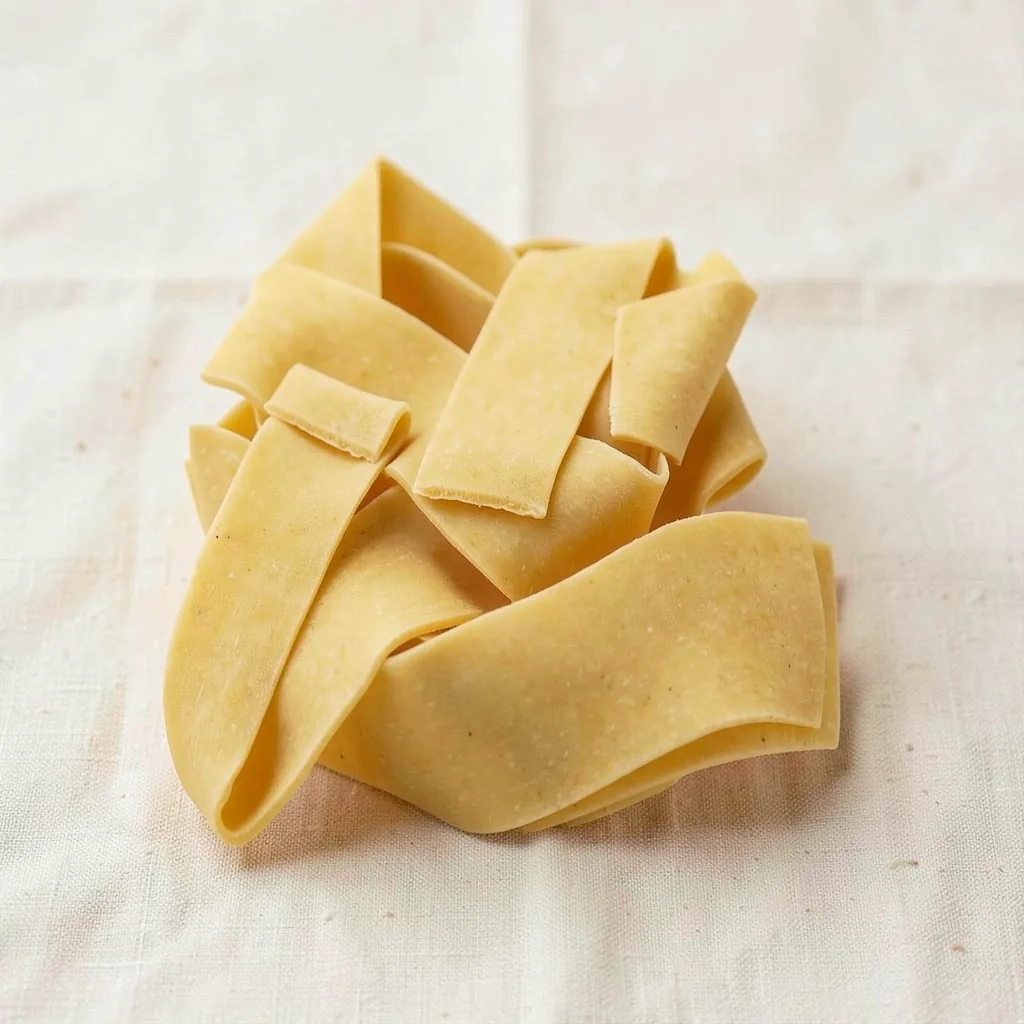
Flat and long, cut from a rolled sheet. Width is the whole story: tagliolini for broth and butter, pappardelle for a wild boar ragu.
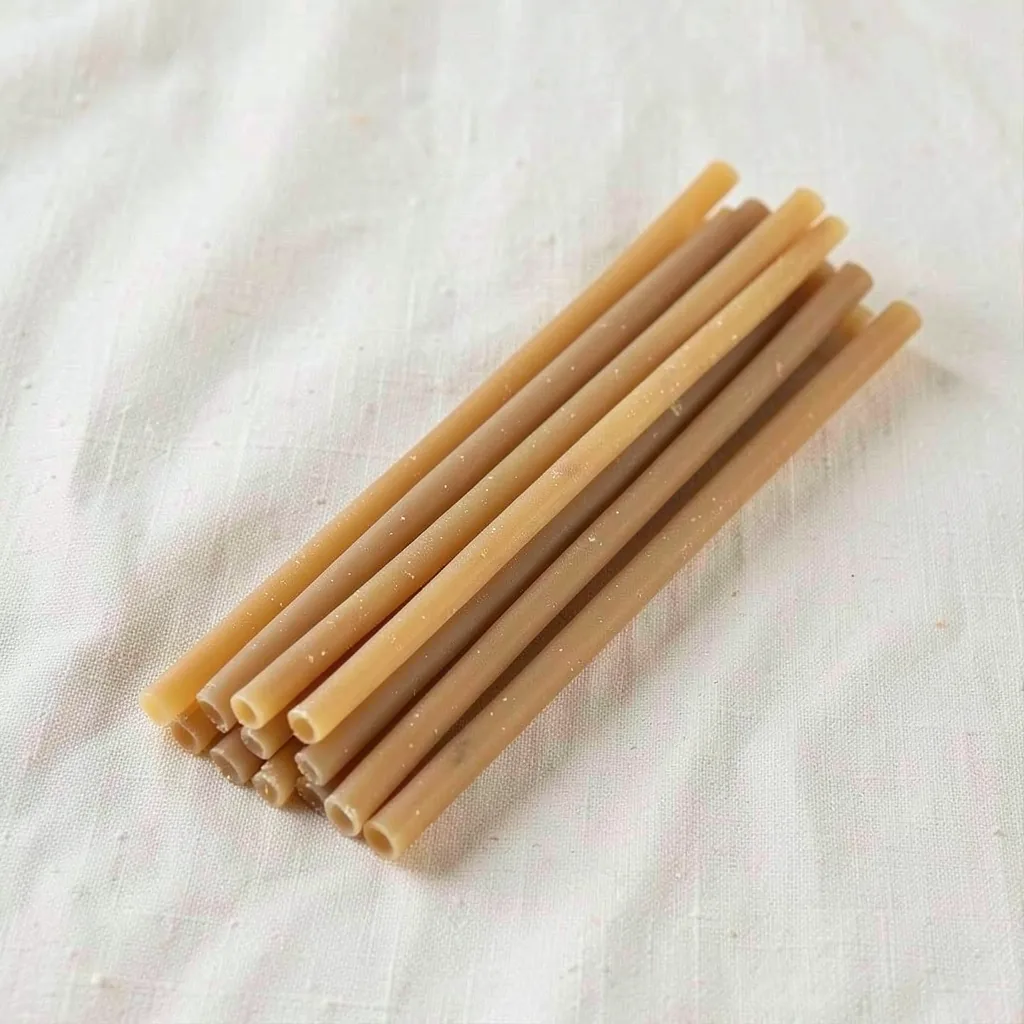
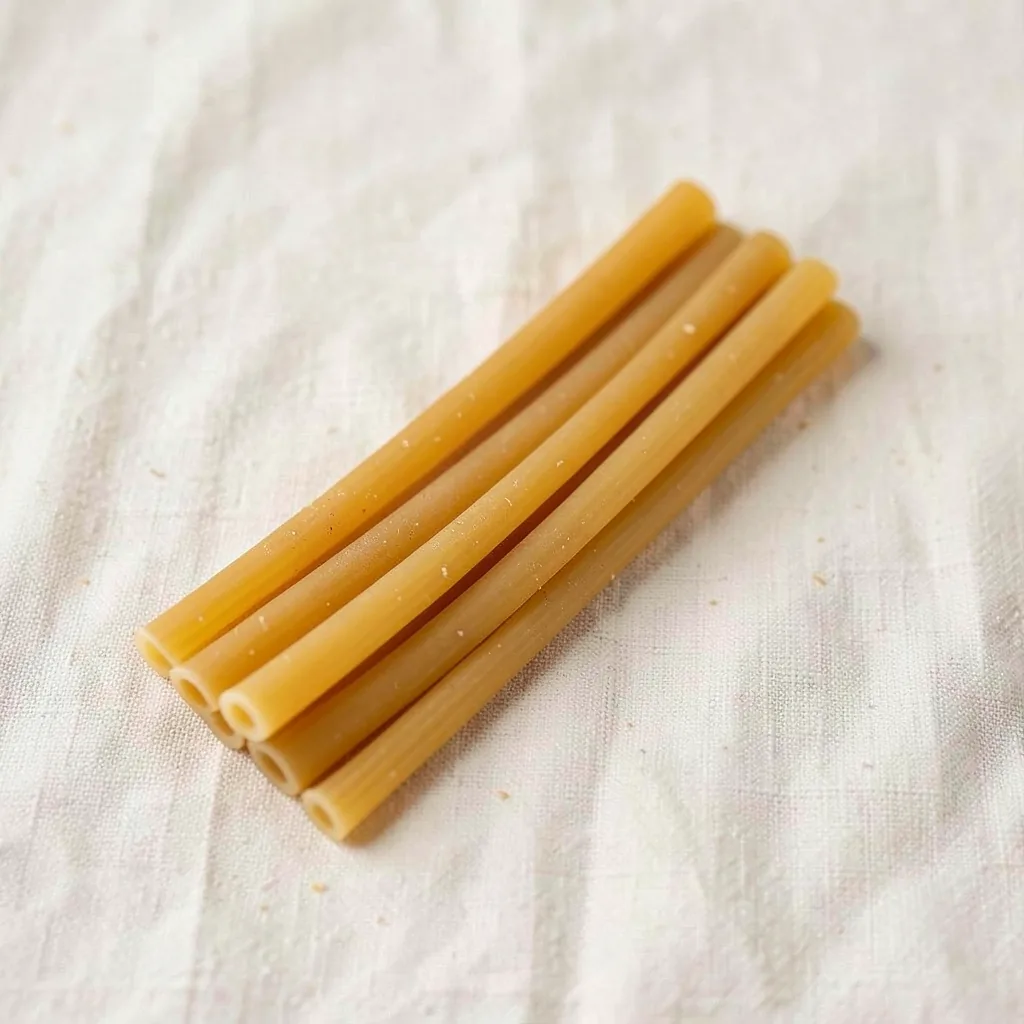
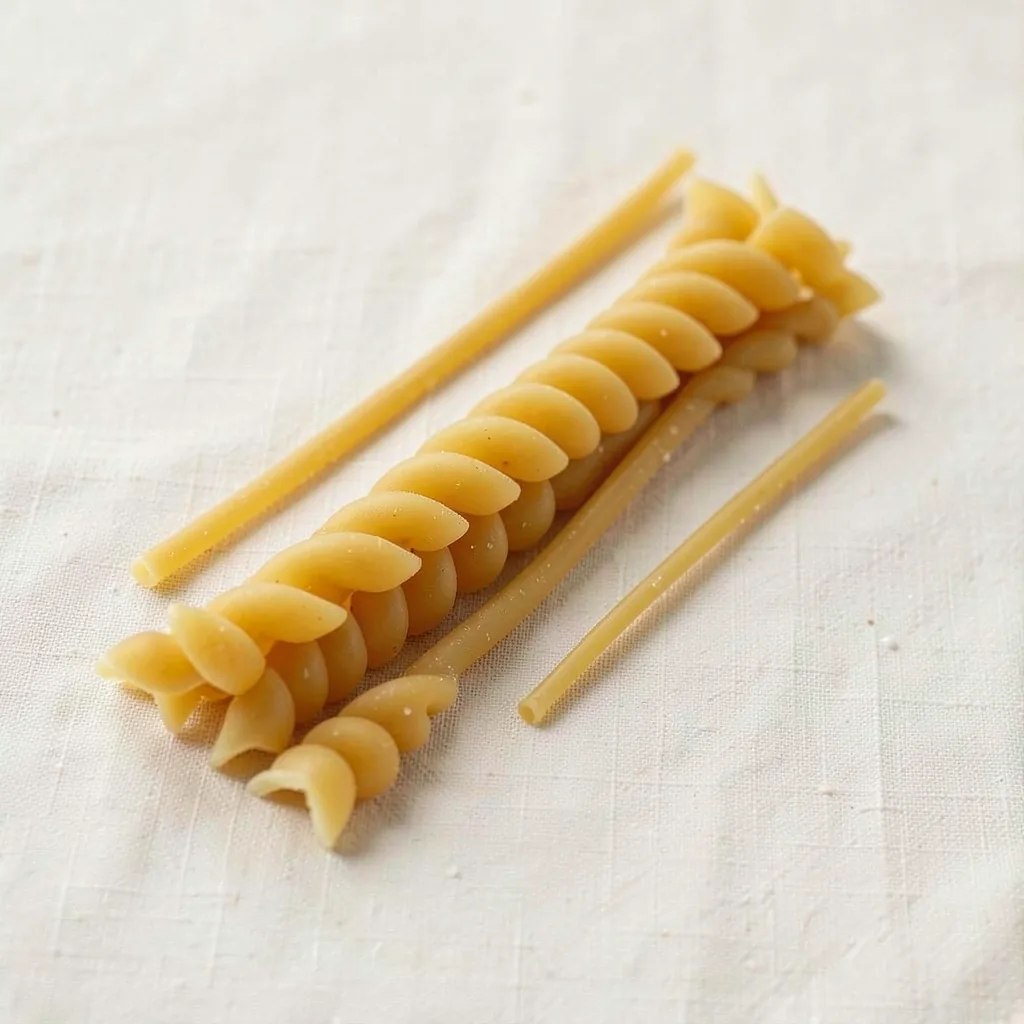
Tubes
Pasta corta bucata · 32 shapes
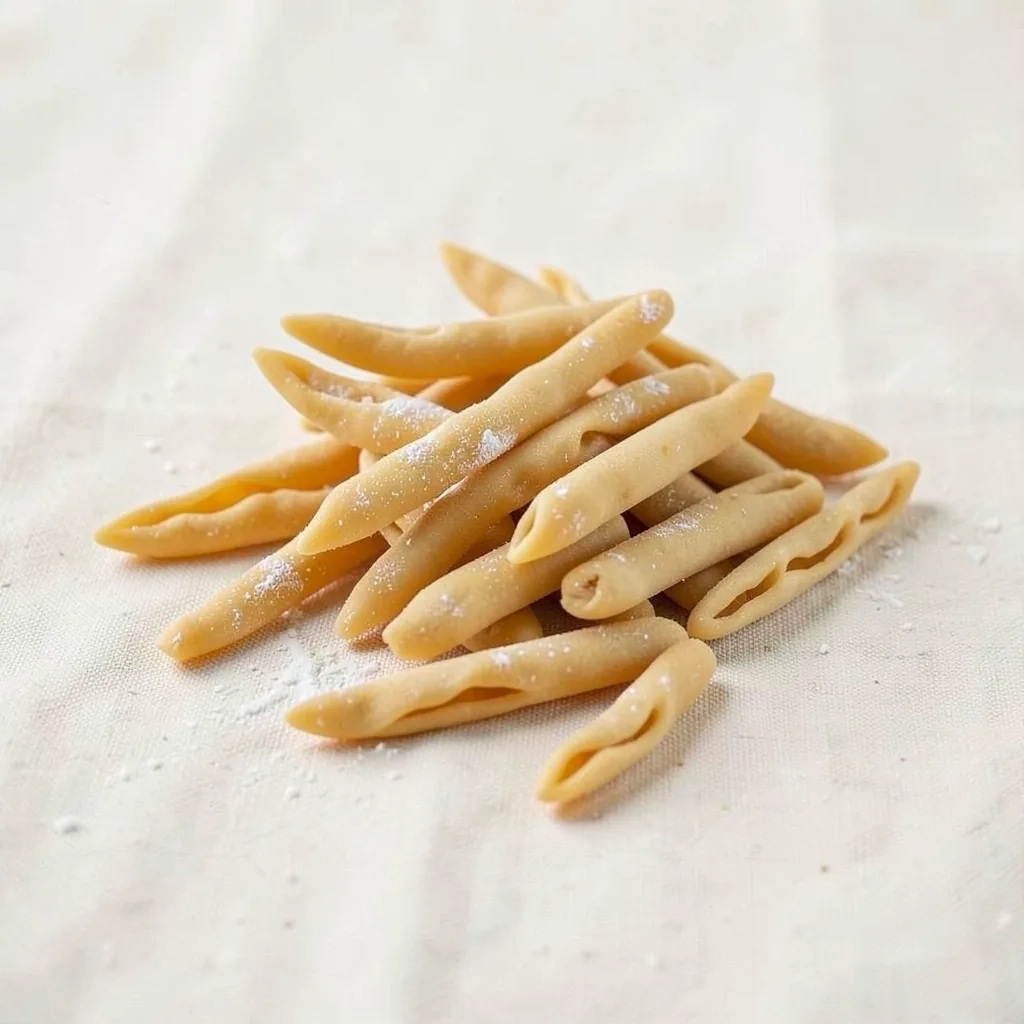
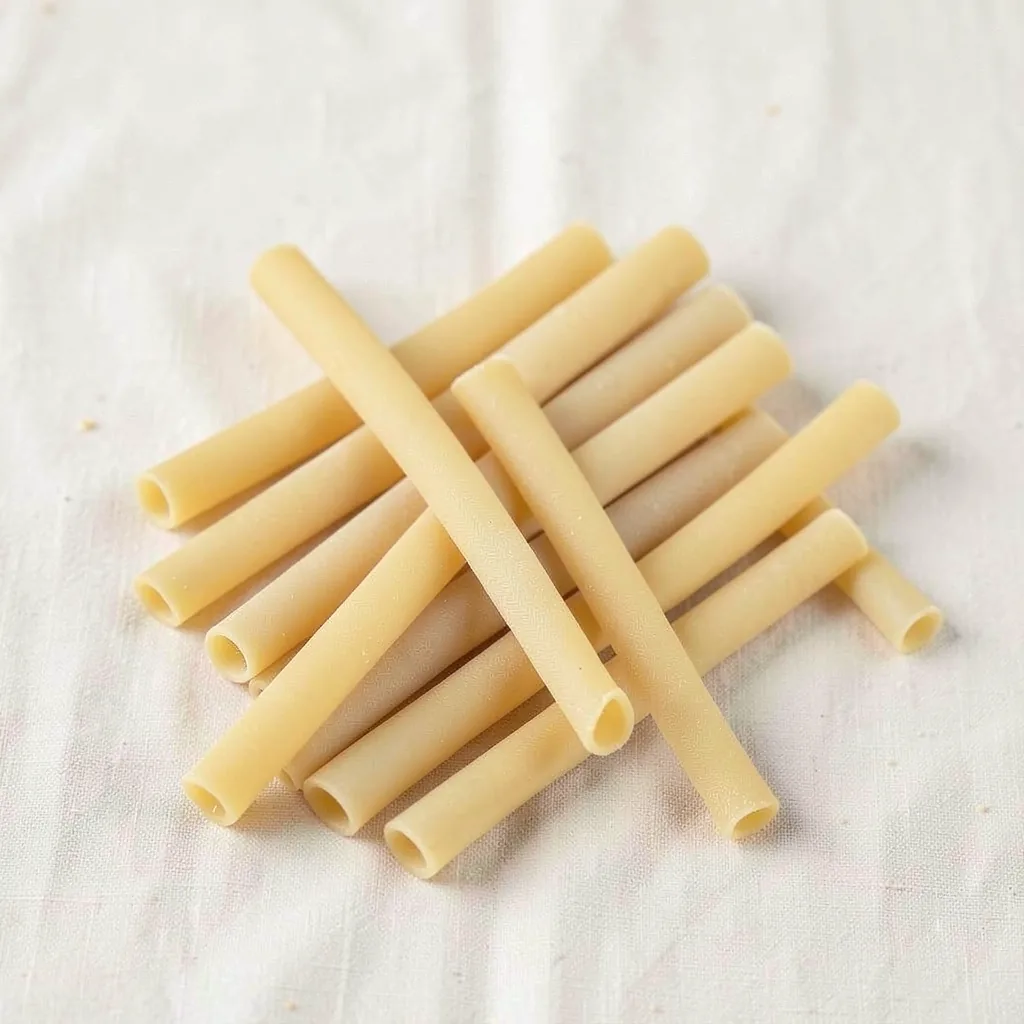
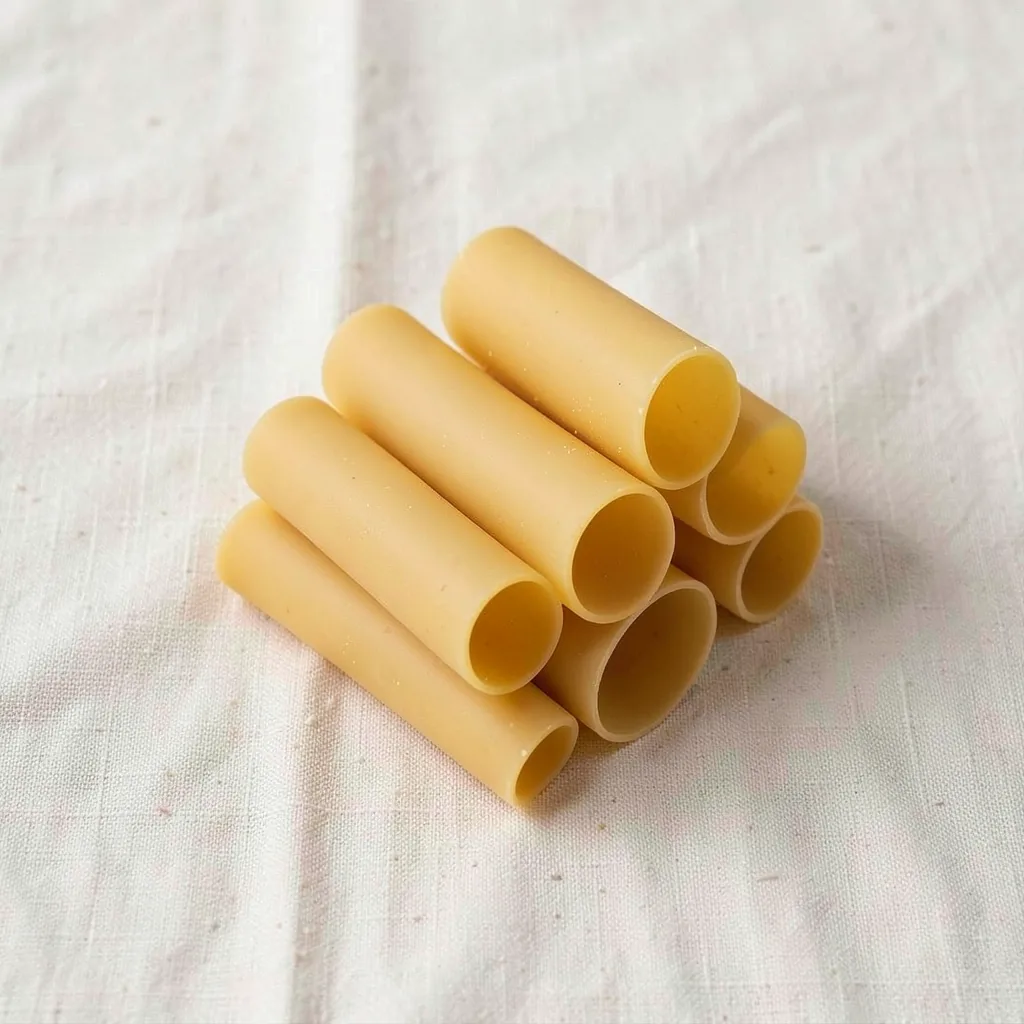
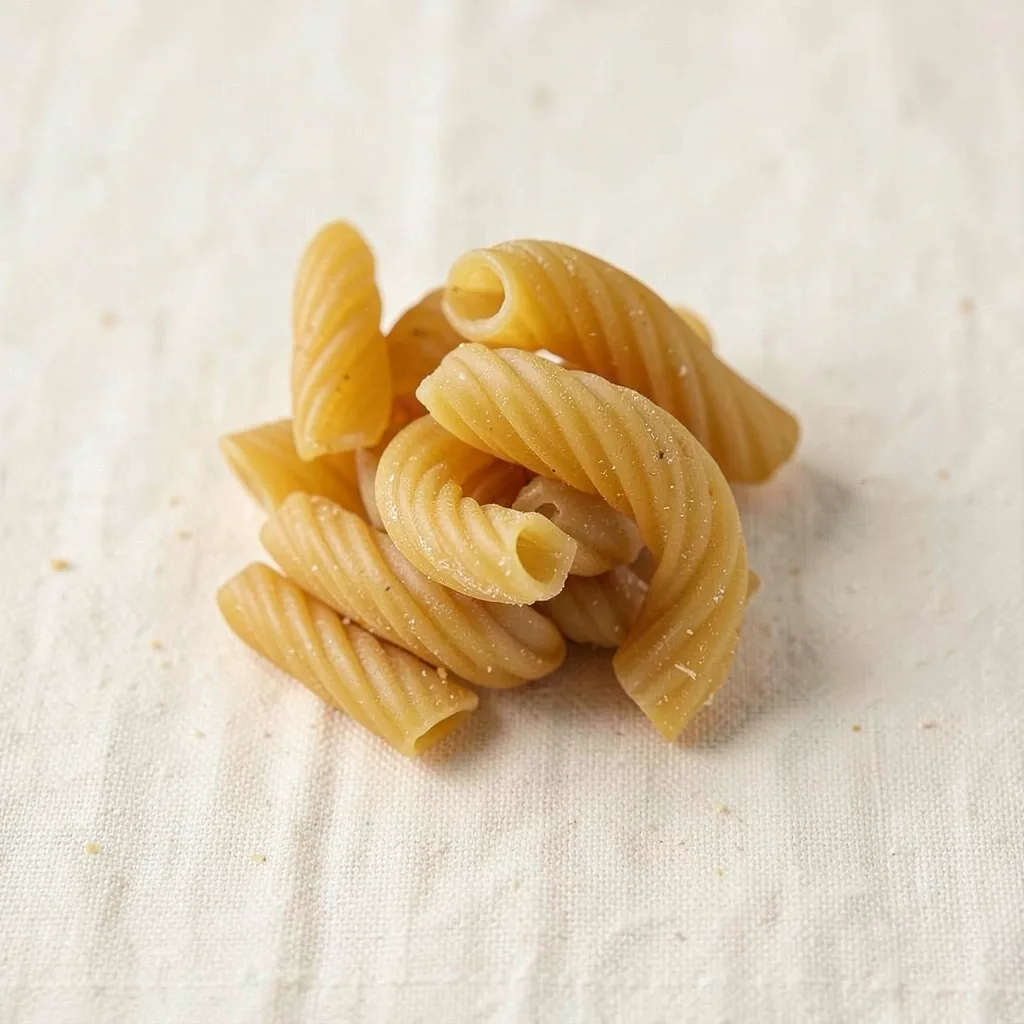
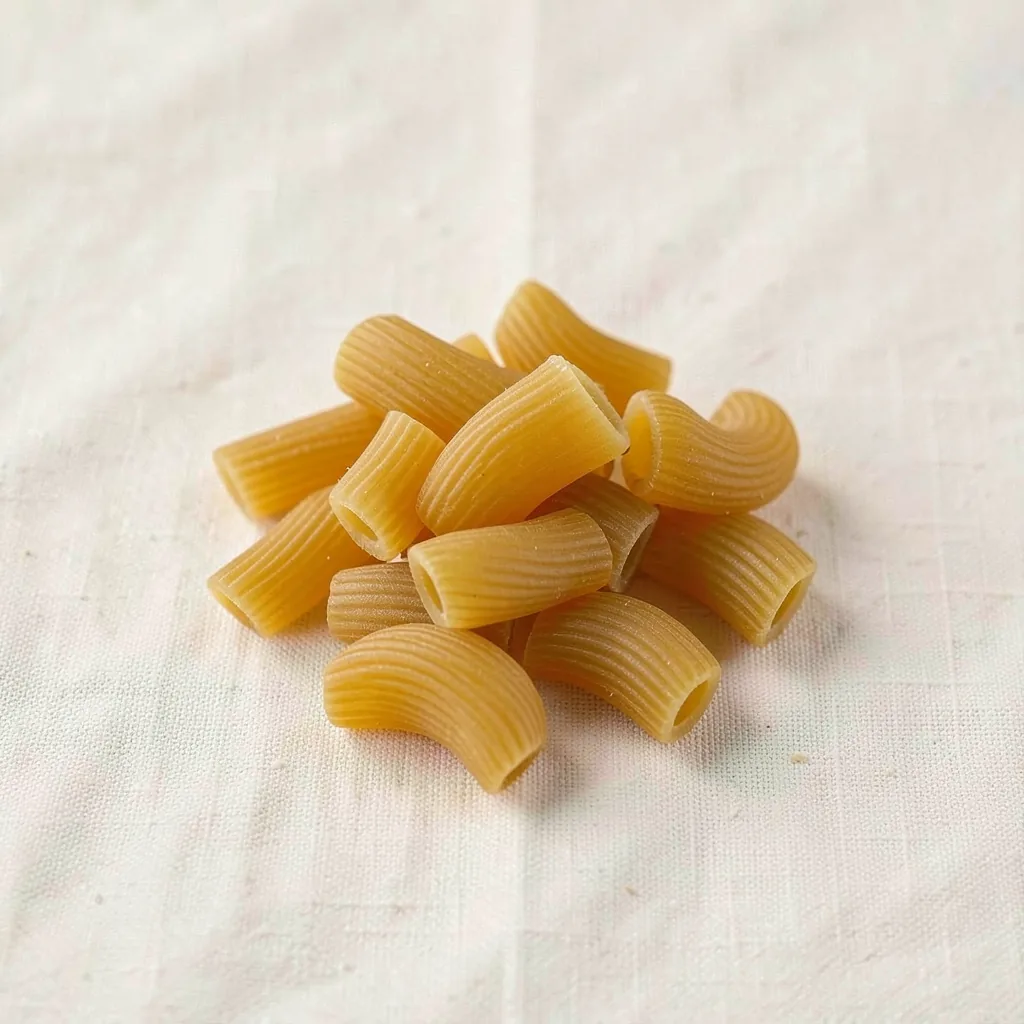
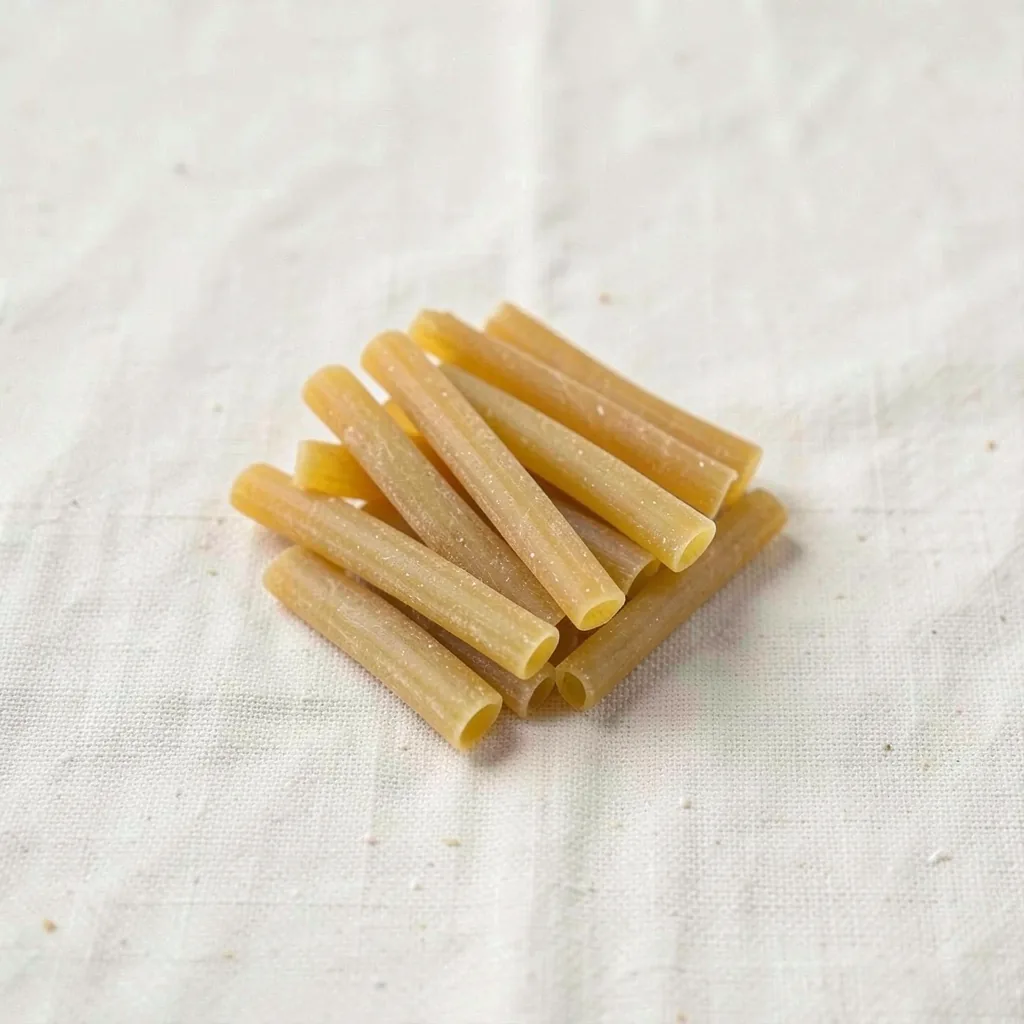
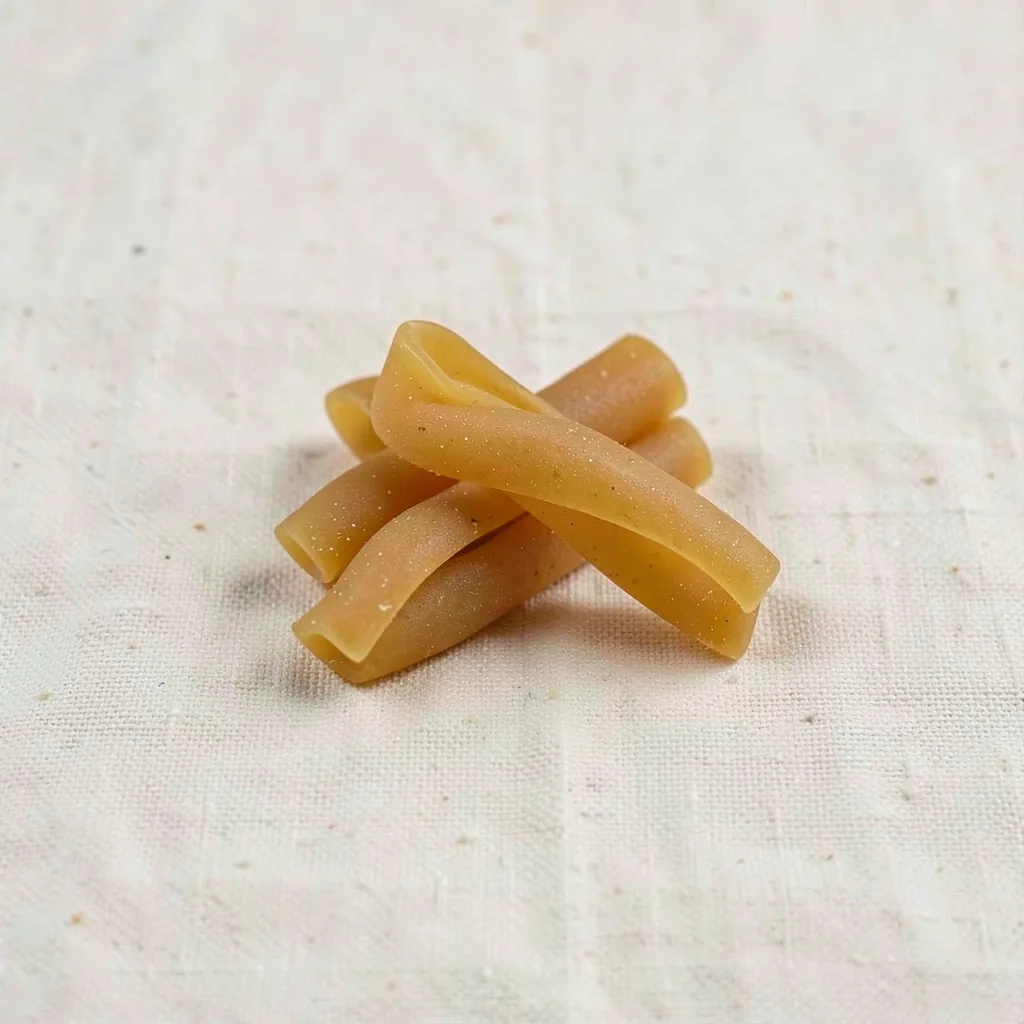
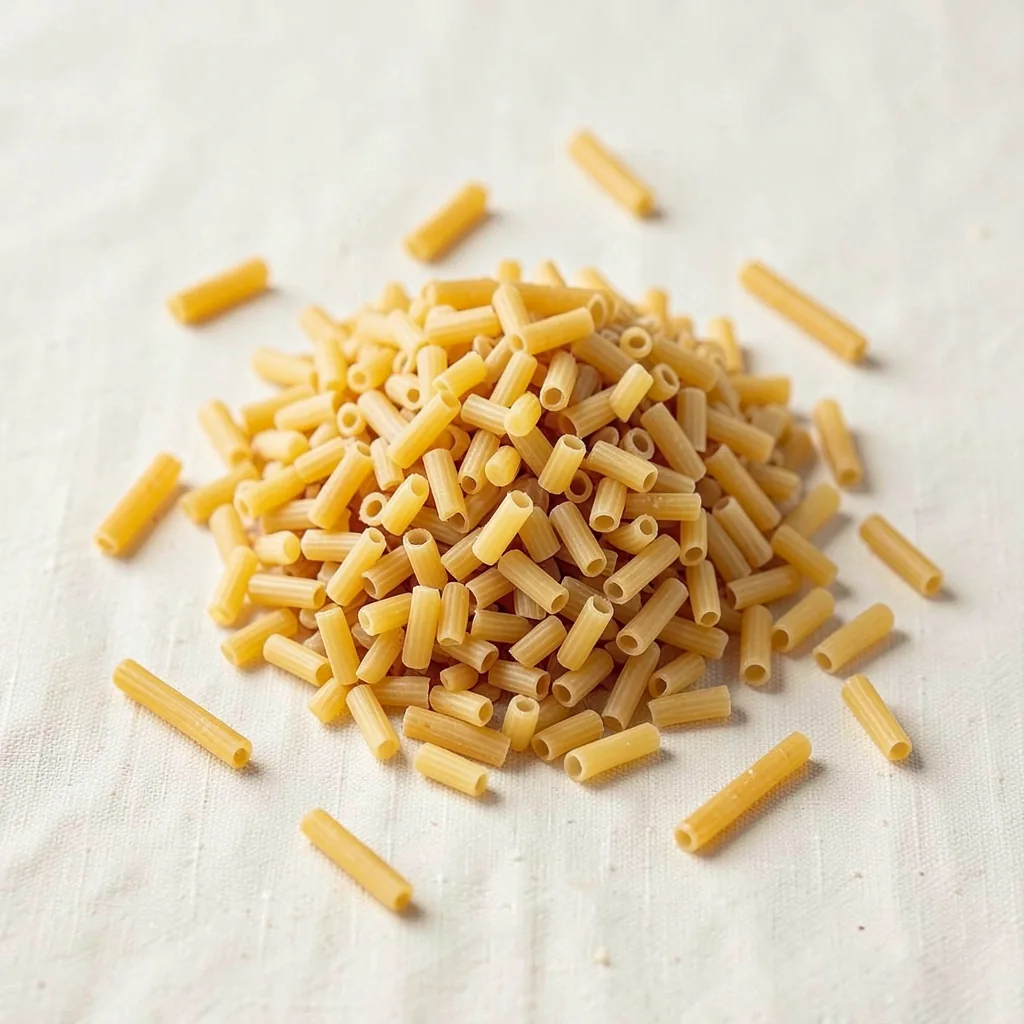
Extruded through a die around a pin. The bore carries sauce inside, the ridges hold it outside. Built for ragu, baked dishes, and sausage.
Short shapes
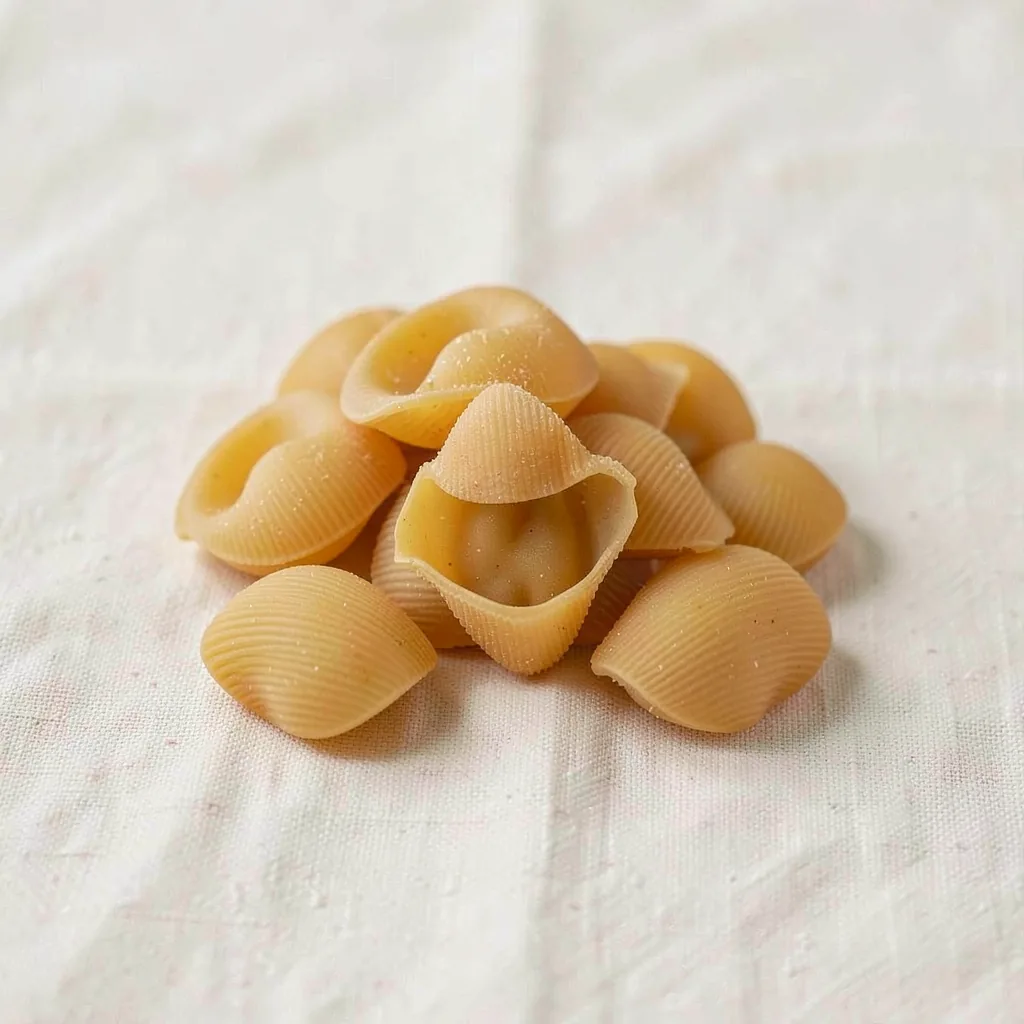
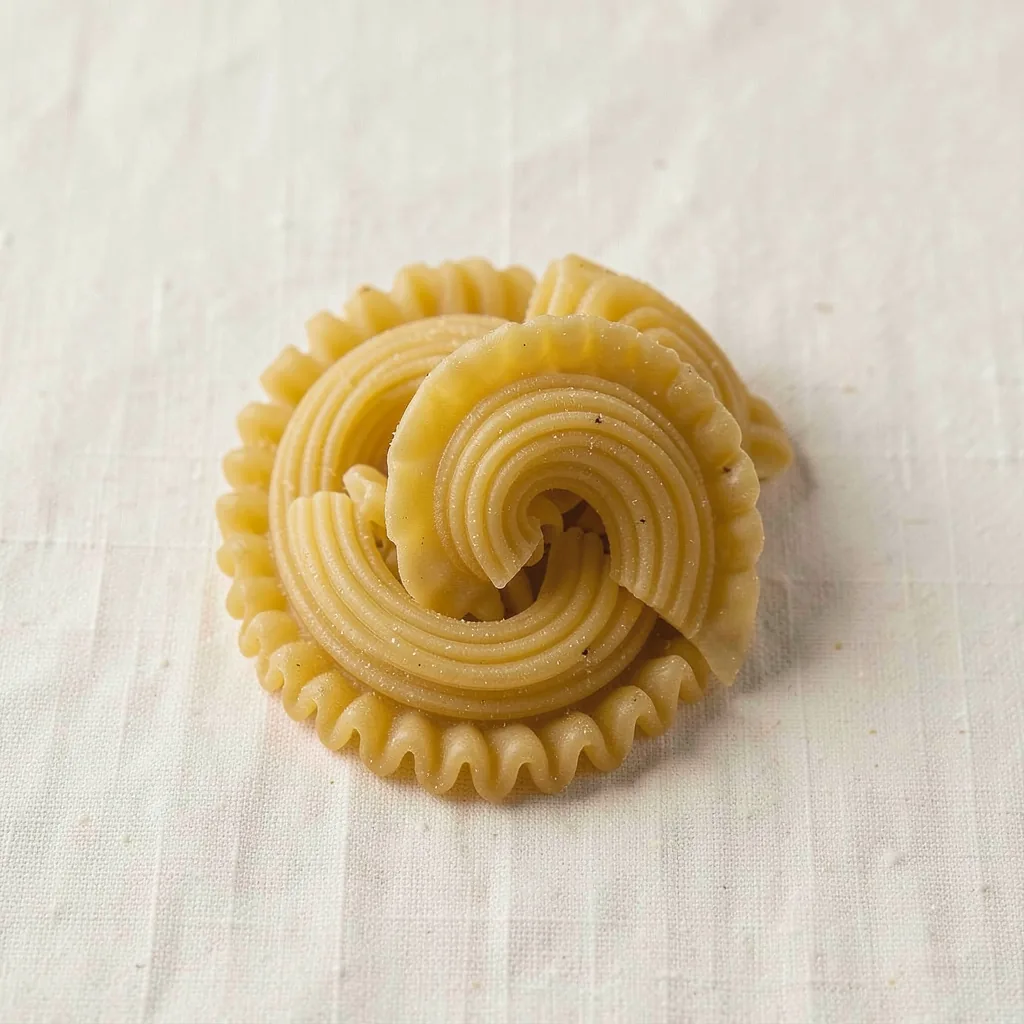
Pasta corta · 38 shapes
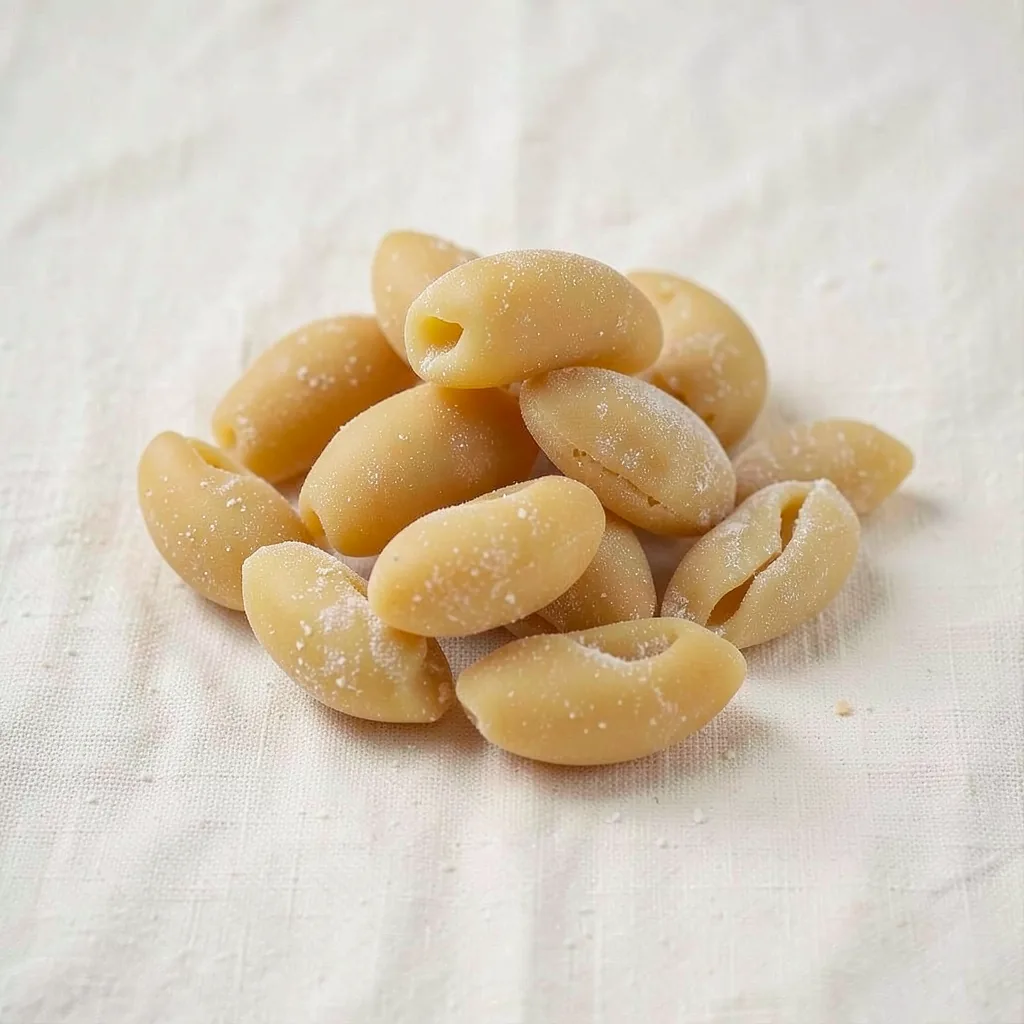
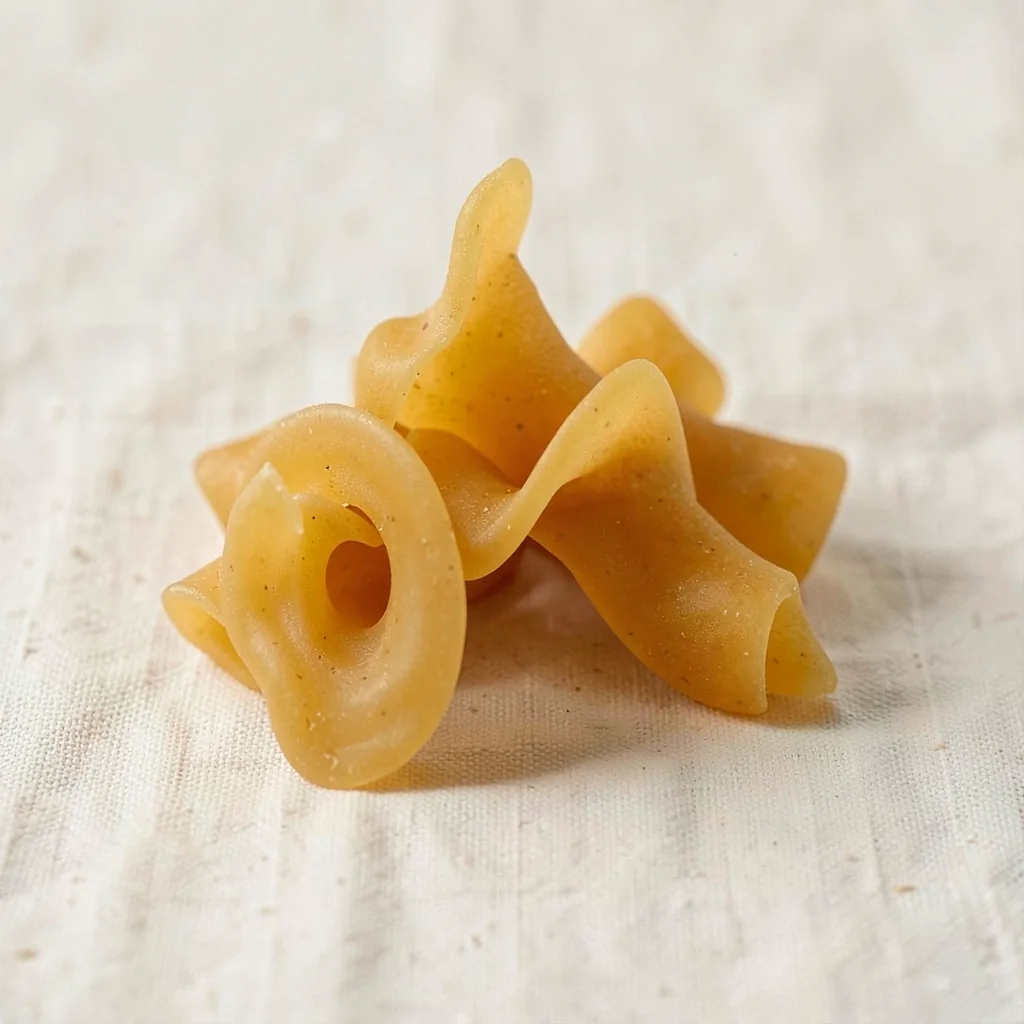
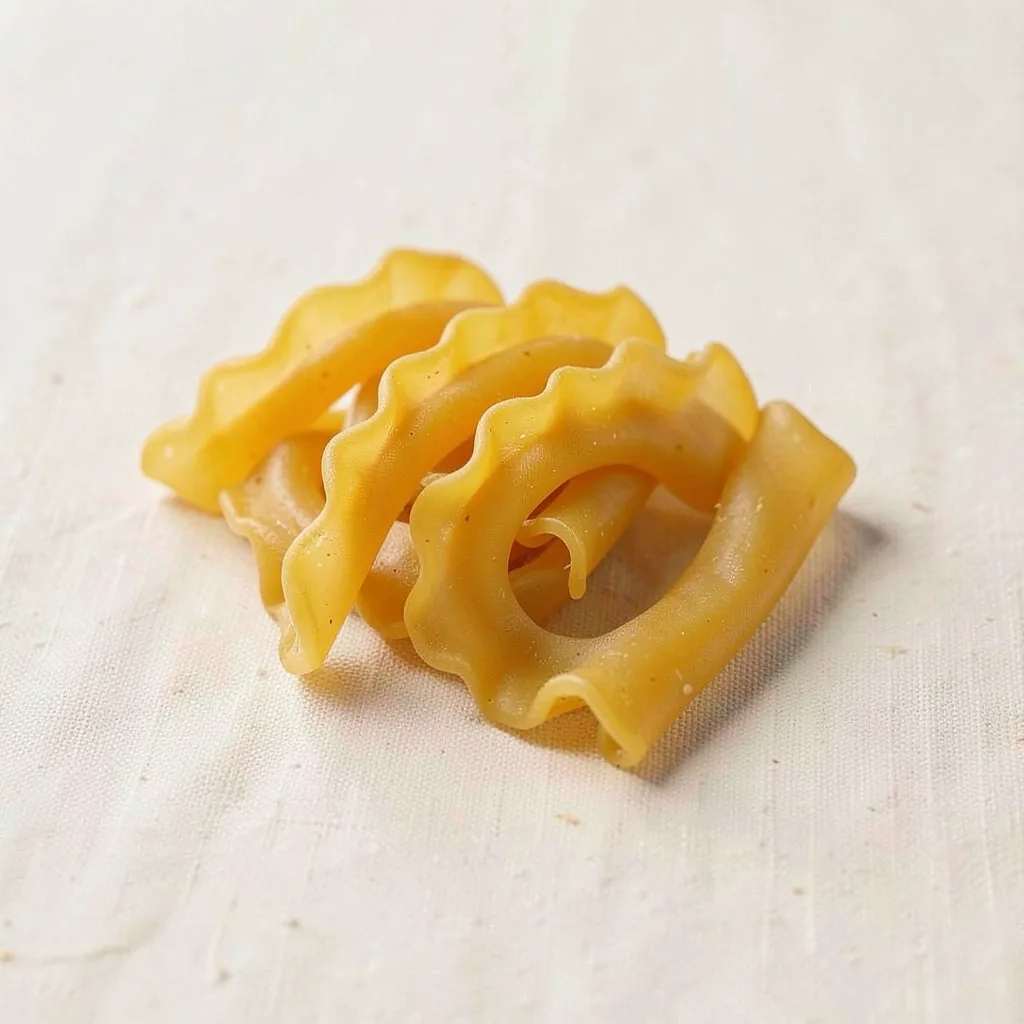
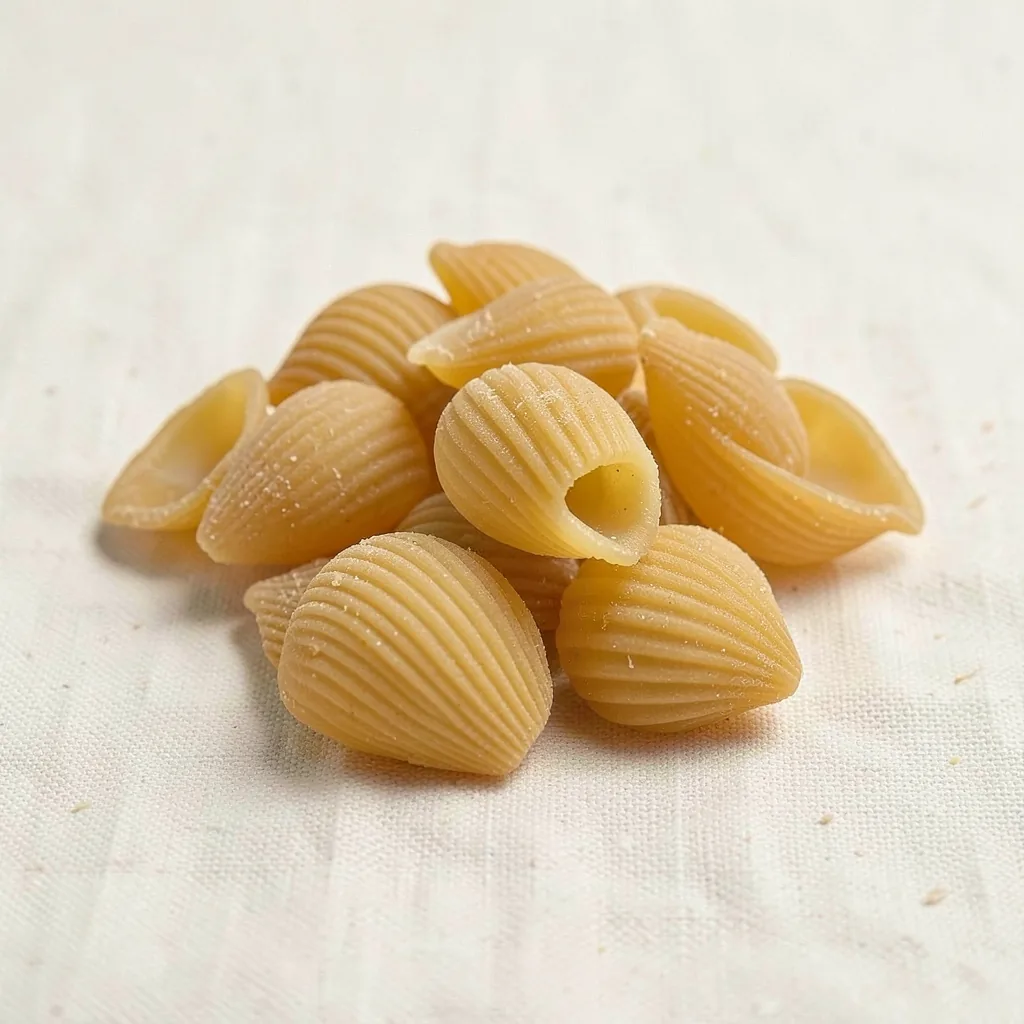
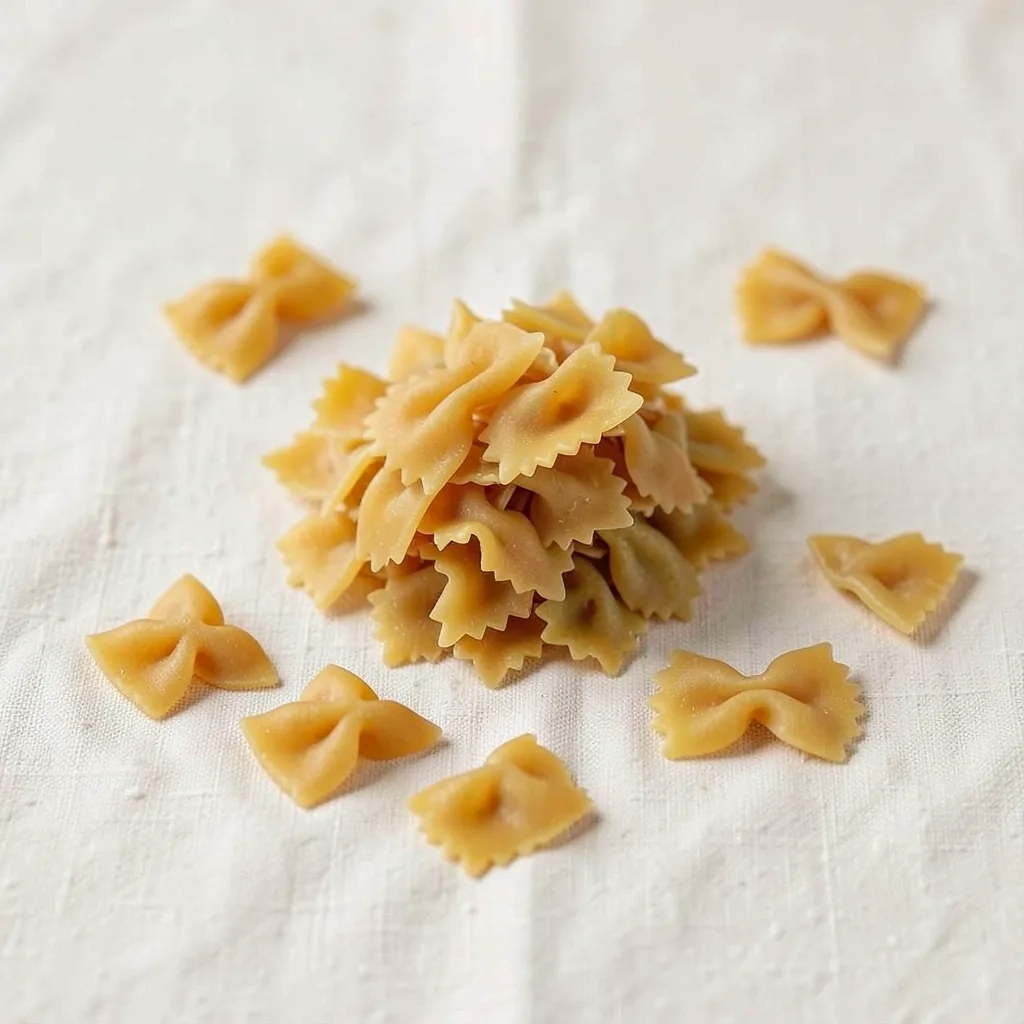
Twists, bows, shells, wheels, and spirals. The folds and cups trap chunky sauces, dressings, and cheese. The pasta-salad family.
Sheets
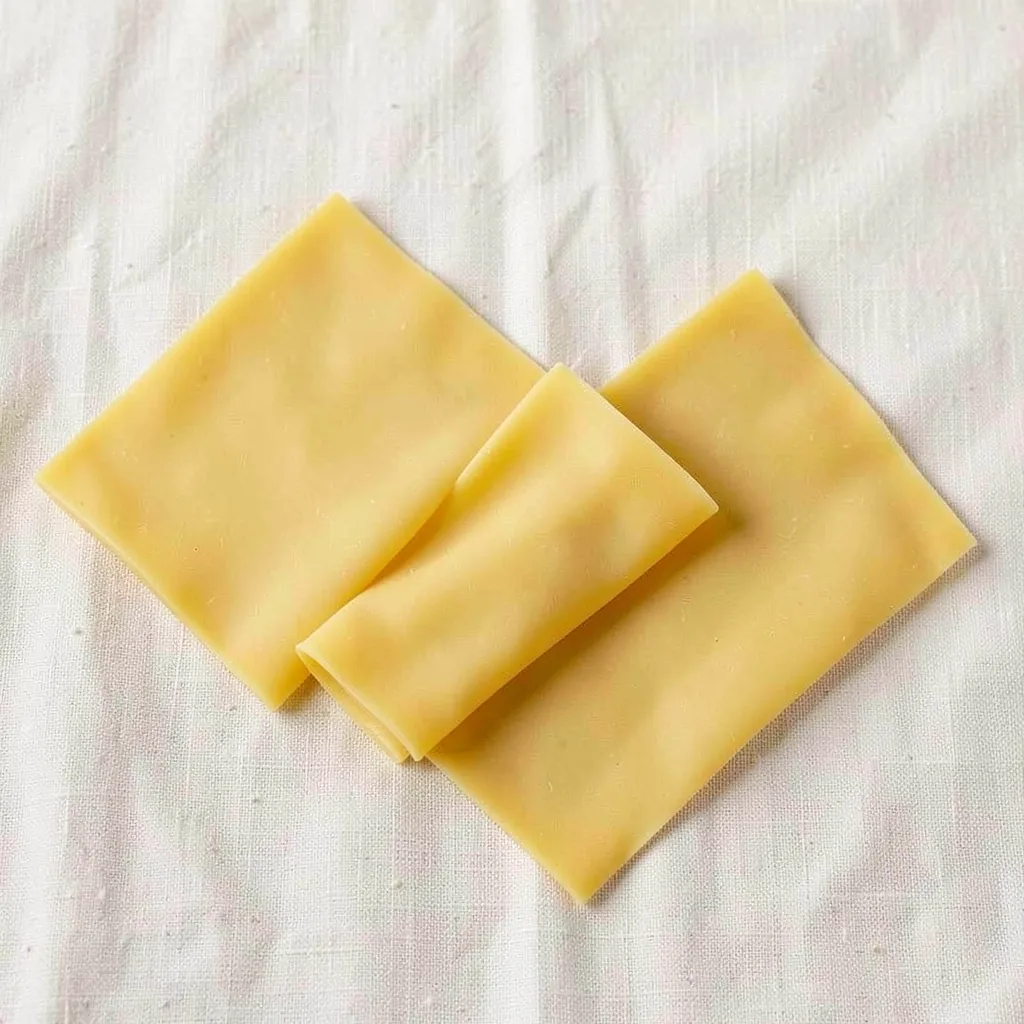
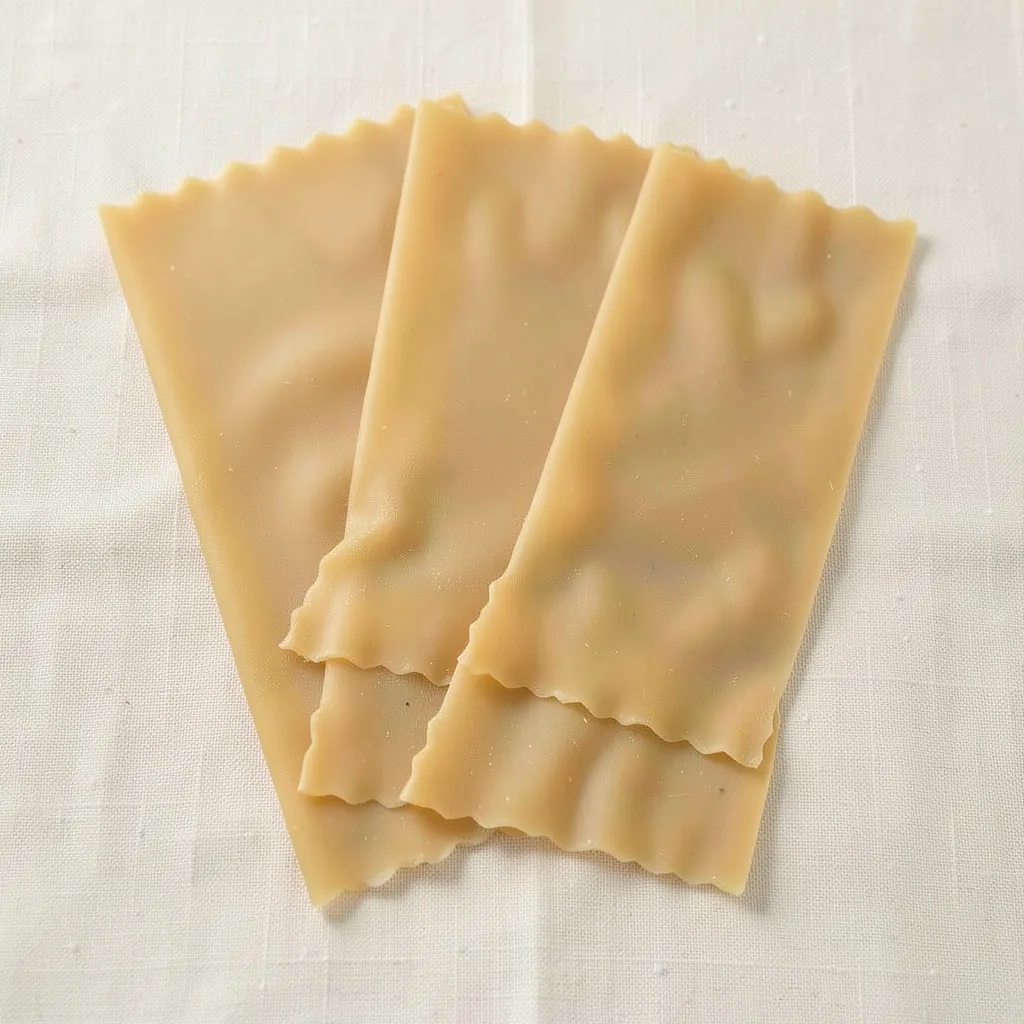
Sfoglia · 3 shapes
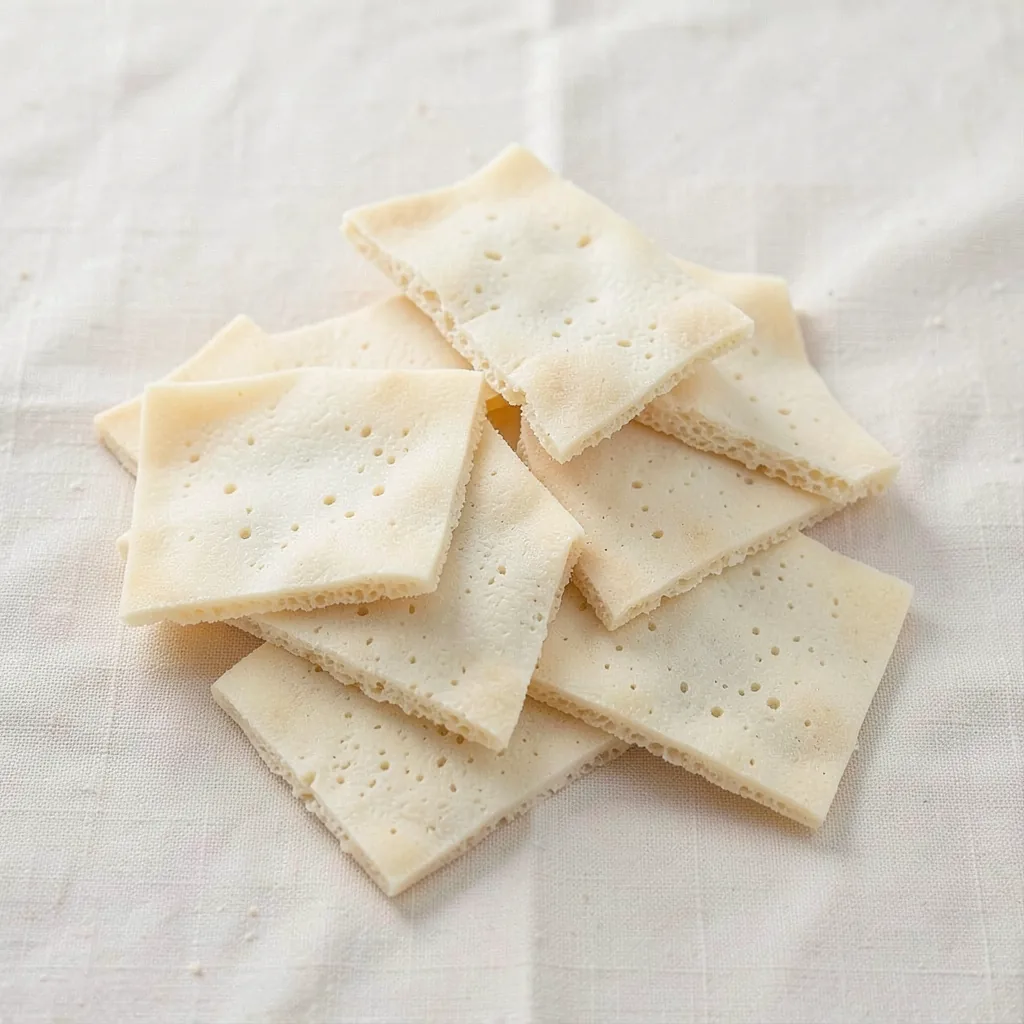
Wide flat pasta for layering, rolling, or tearing. Lasagne is the model. They need the oven or a very gentle pan.
Stuffed
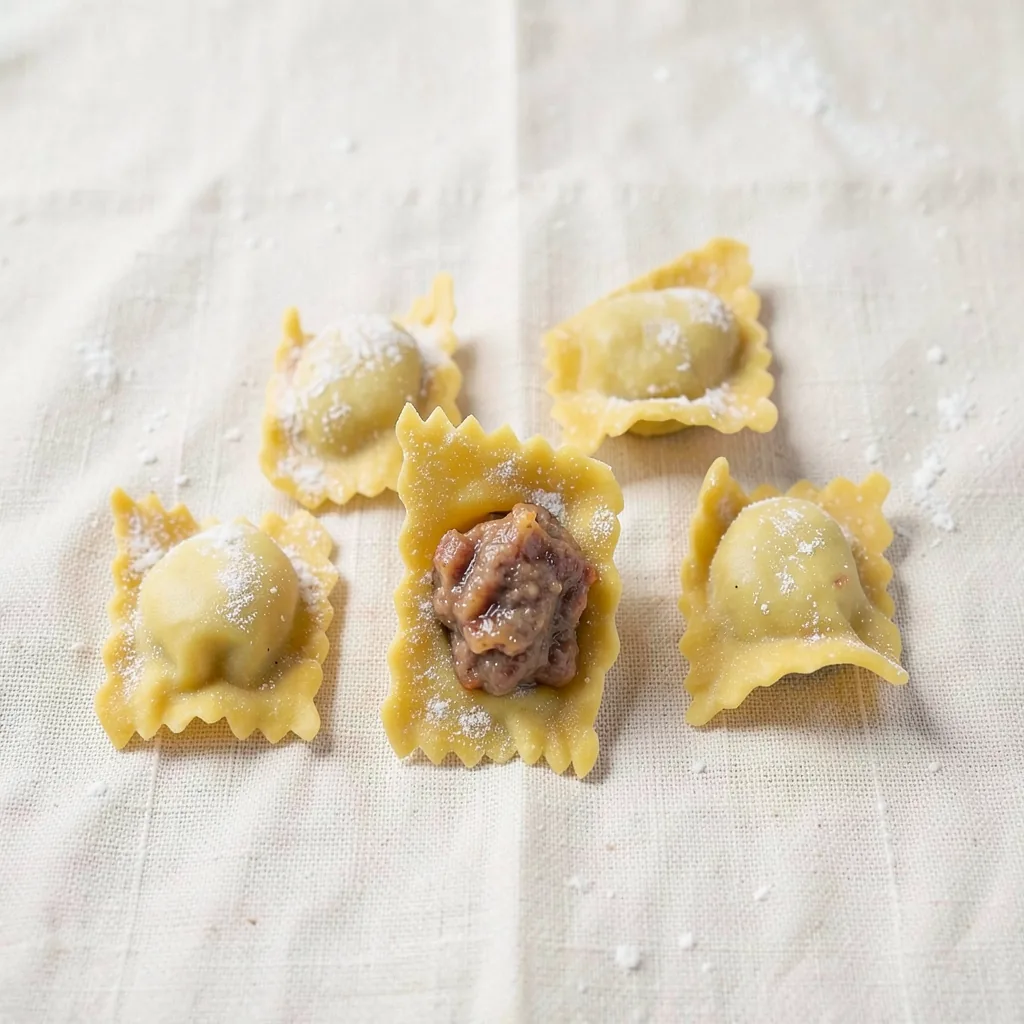
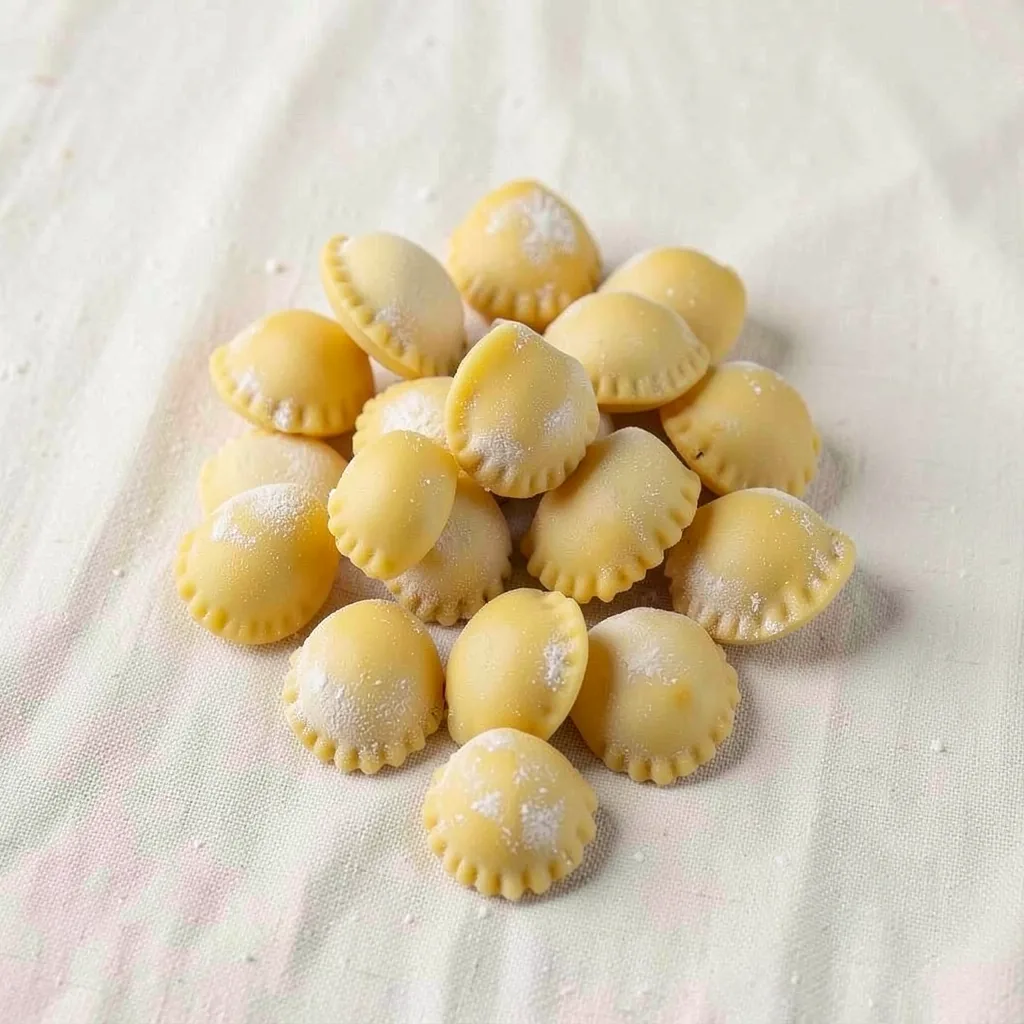
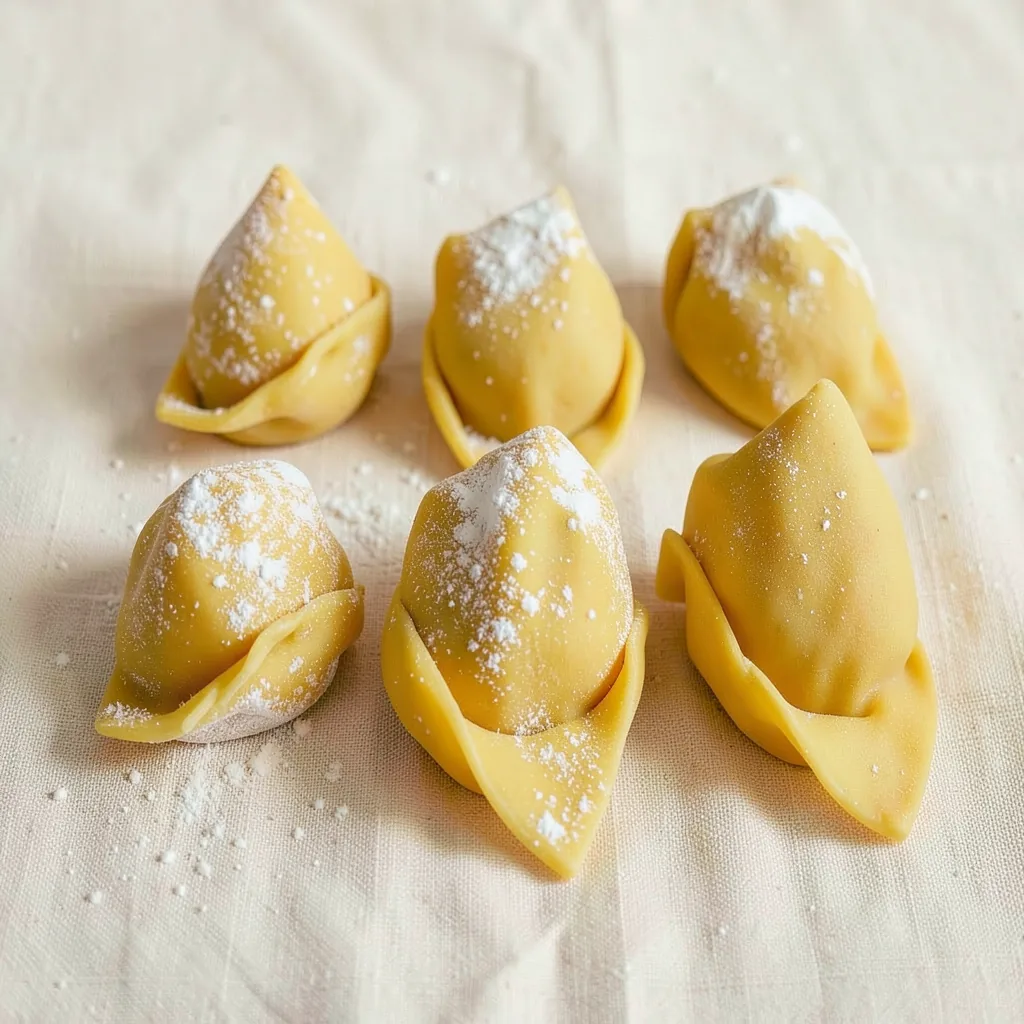
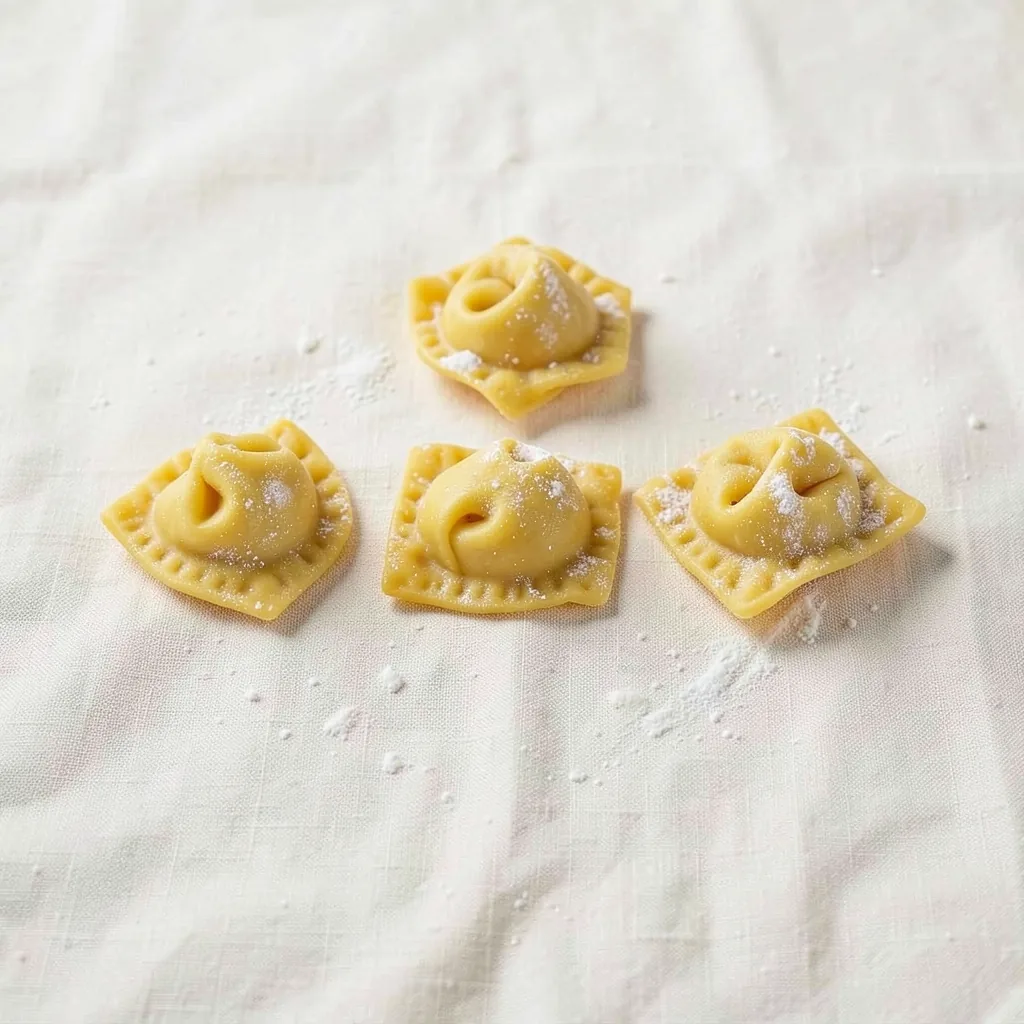
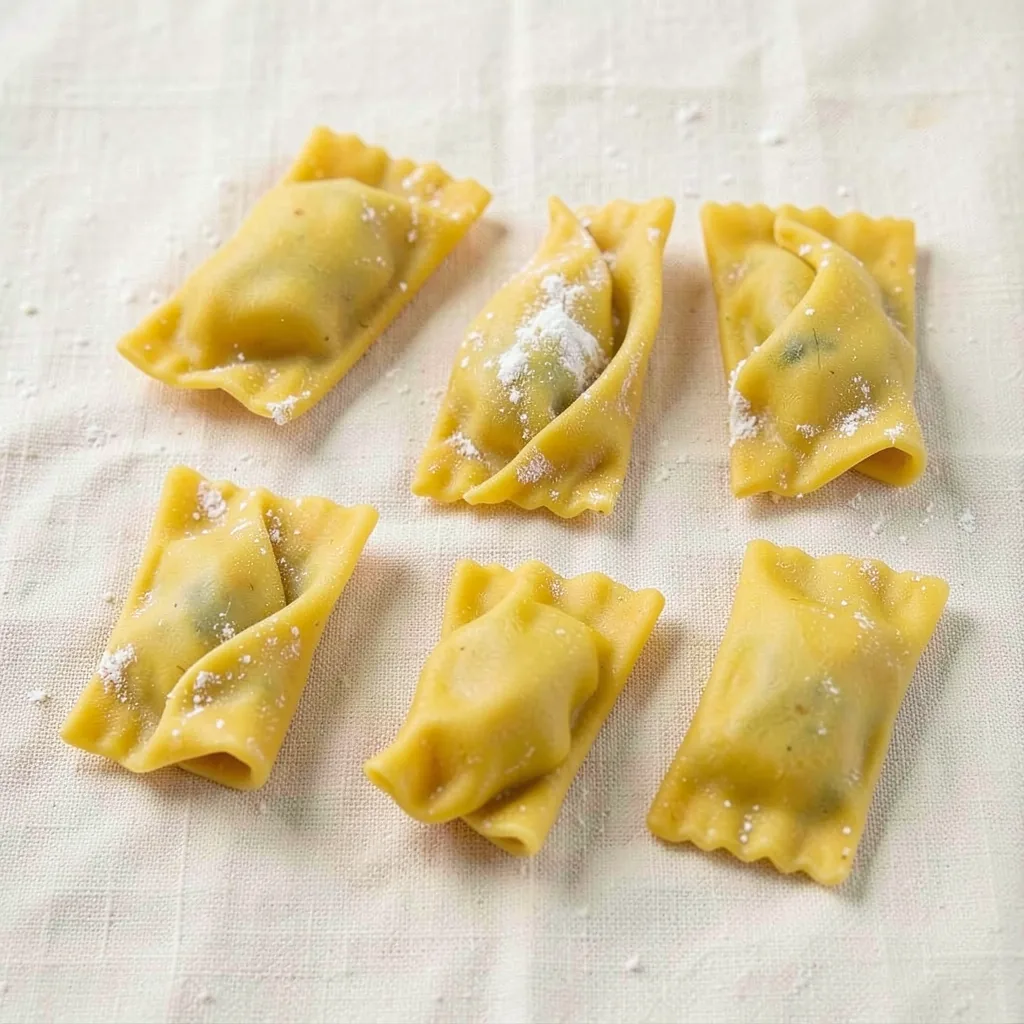
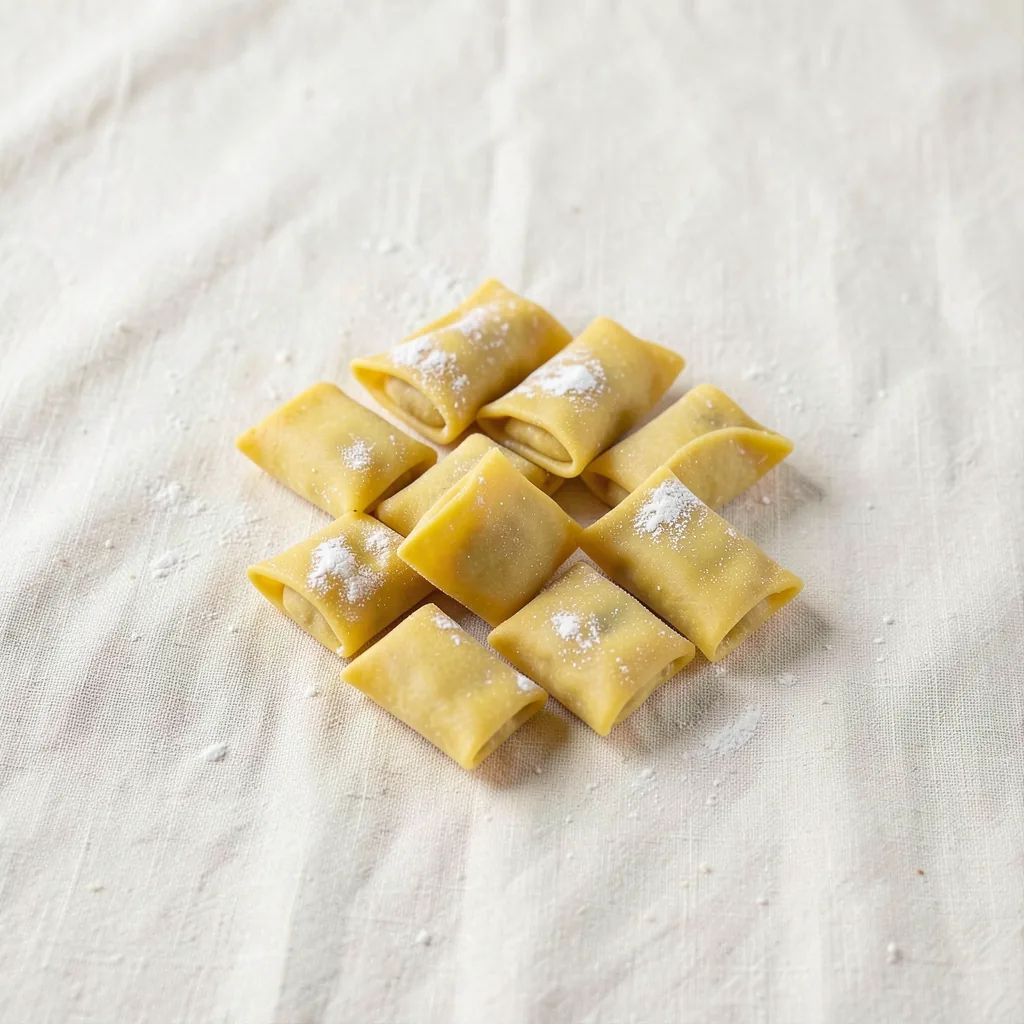
Pasta ripiena · 21 shapes
Two sheets or one folded sheet around a filling. The filling is the flavor, so the sauce stays simple: butter and sage, broth, a light tomato.
Pastina
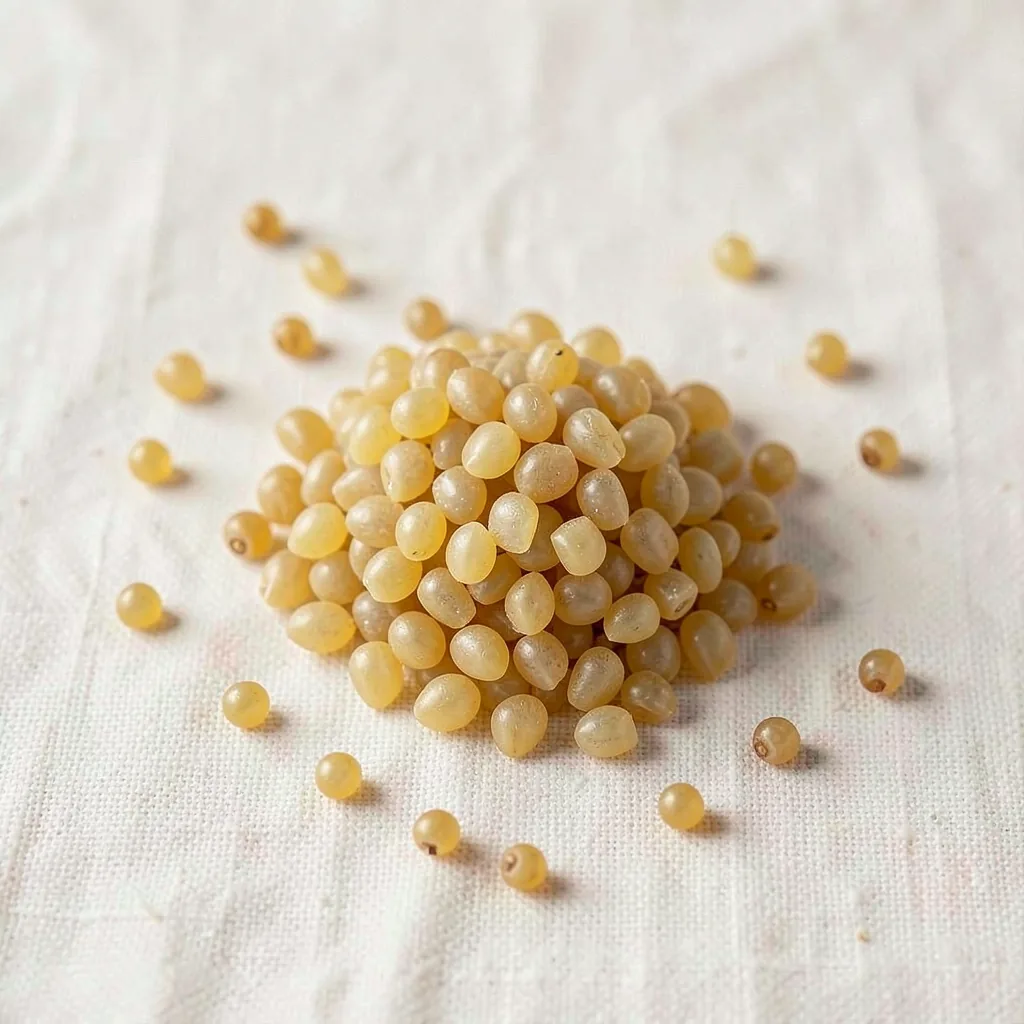
Pastina · 27 shapes
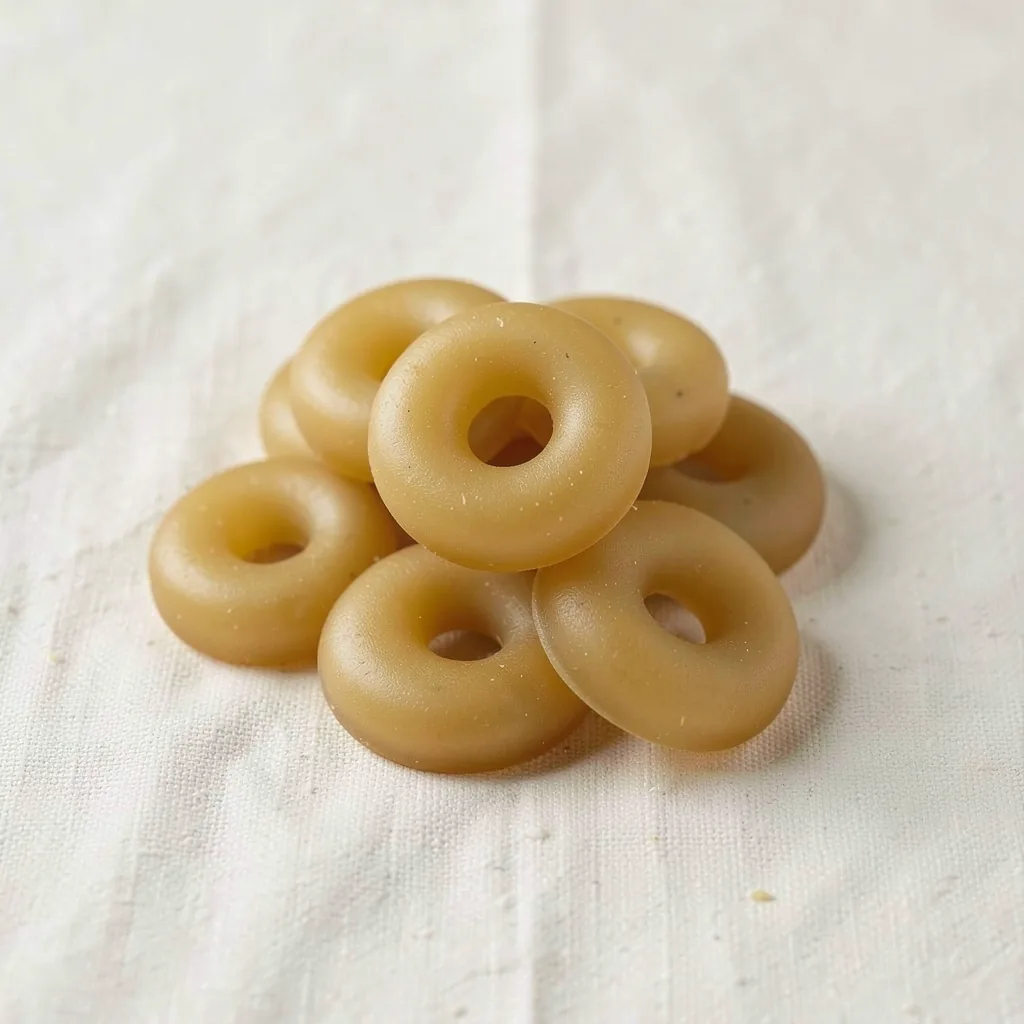
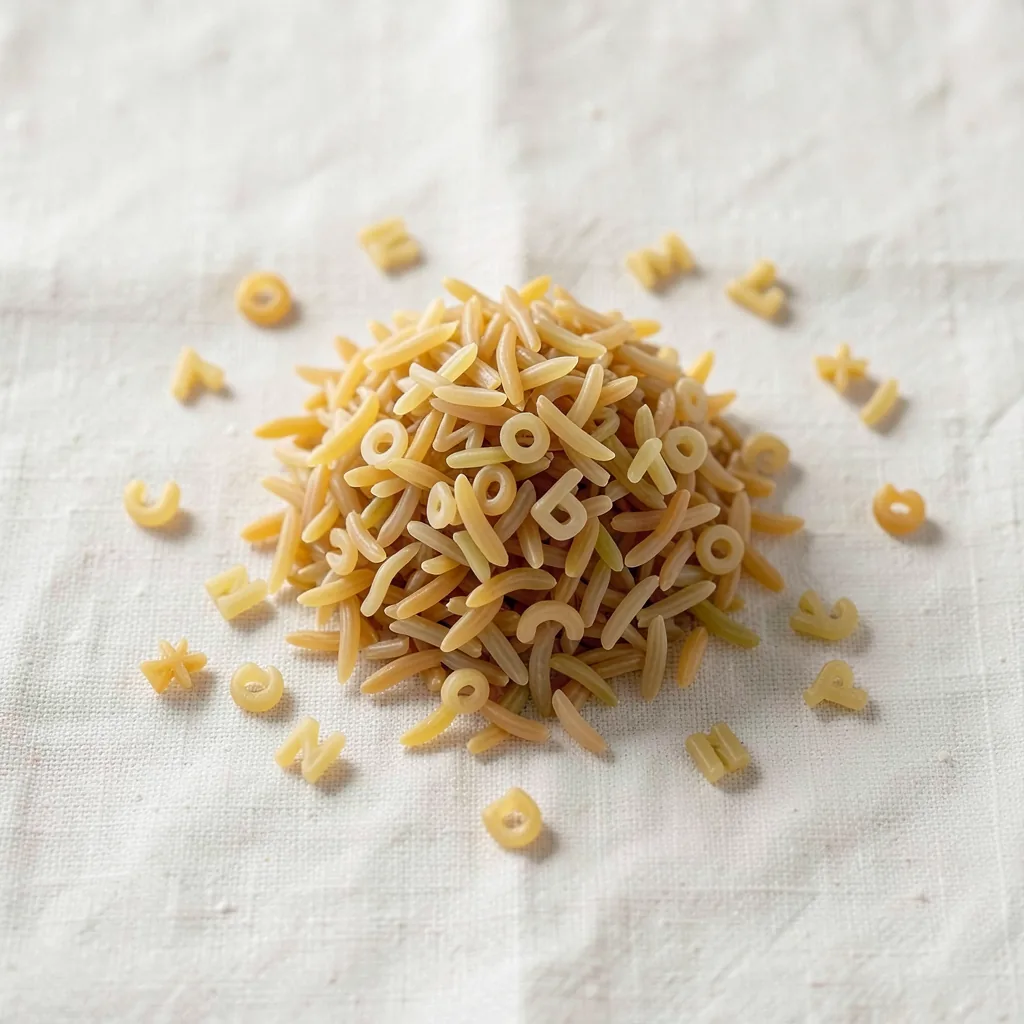
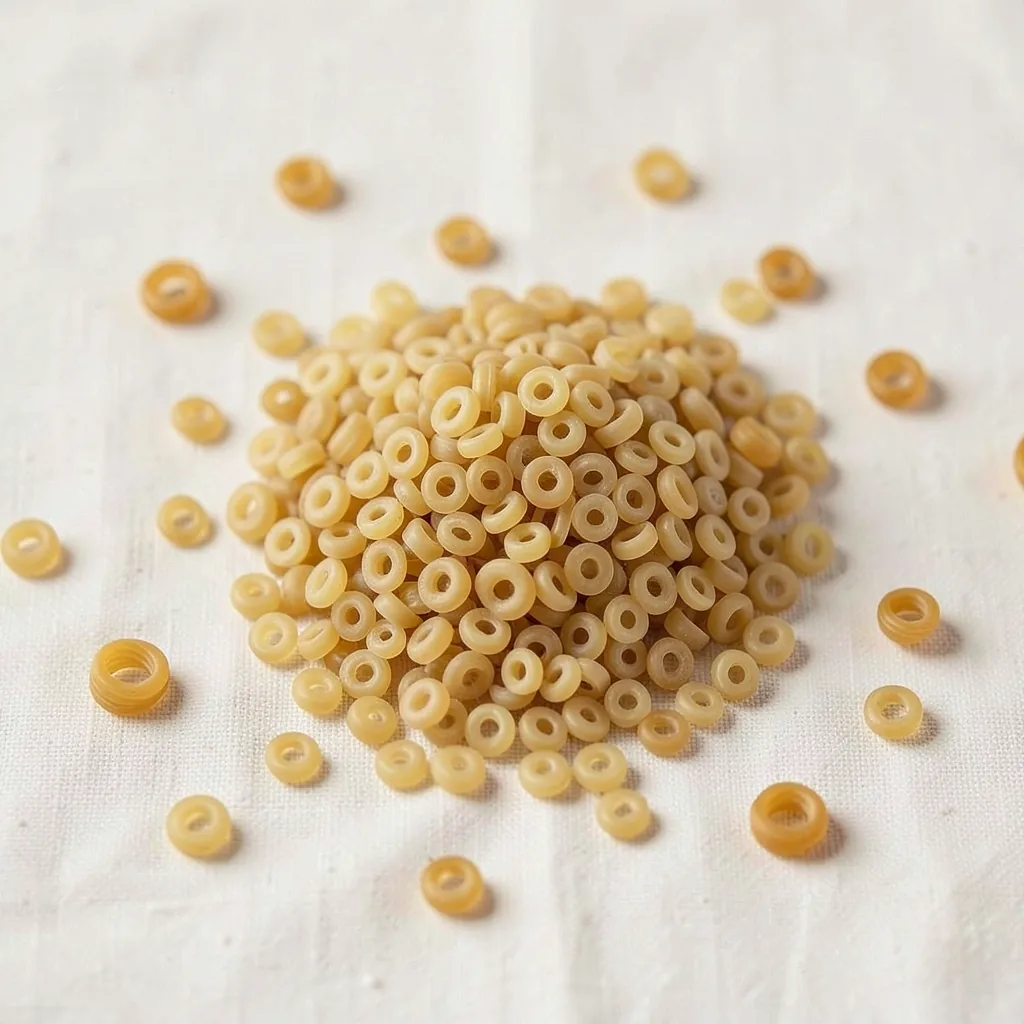
Tiny shapes for broth and soup. Stars, rings, grains, letters. Cooked in the liquid, never drained.
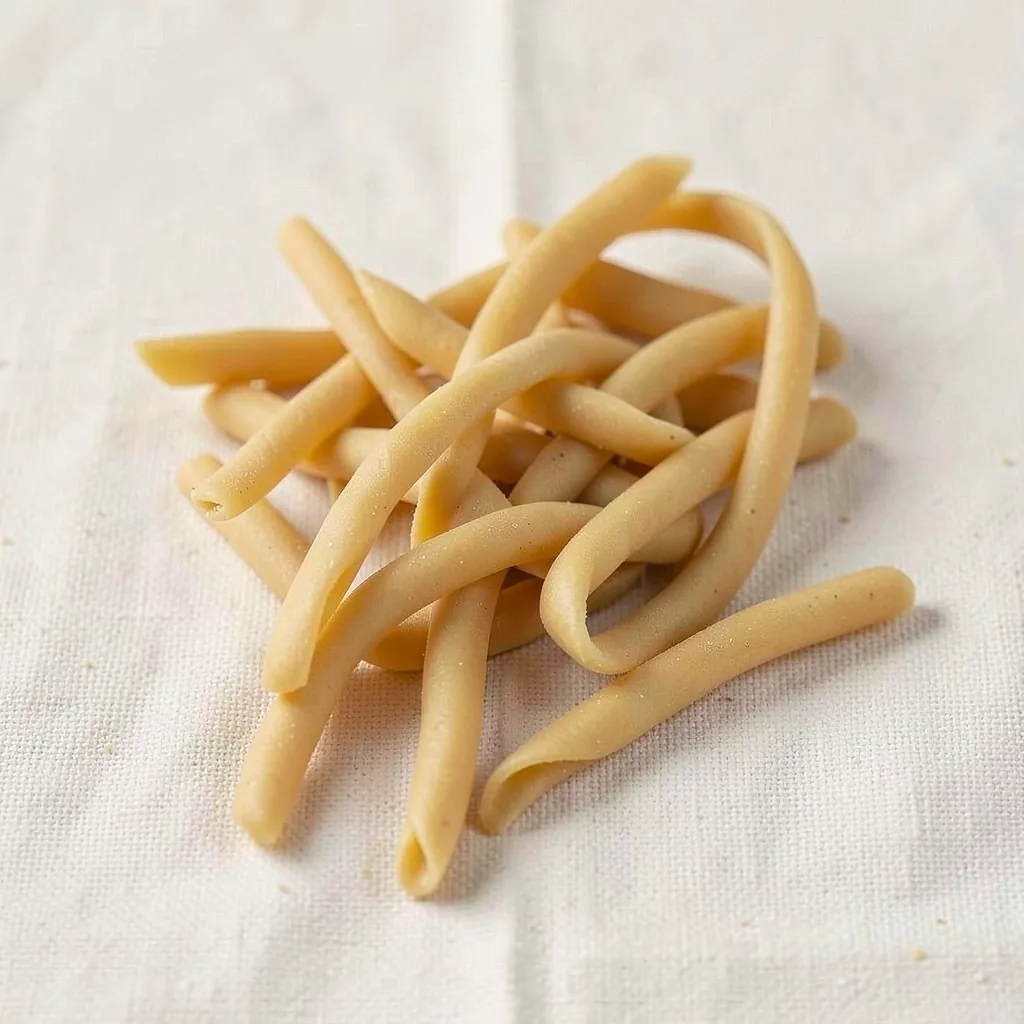
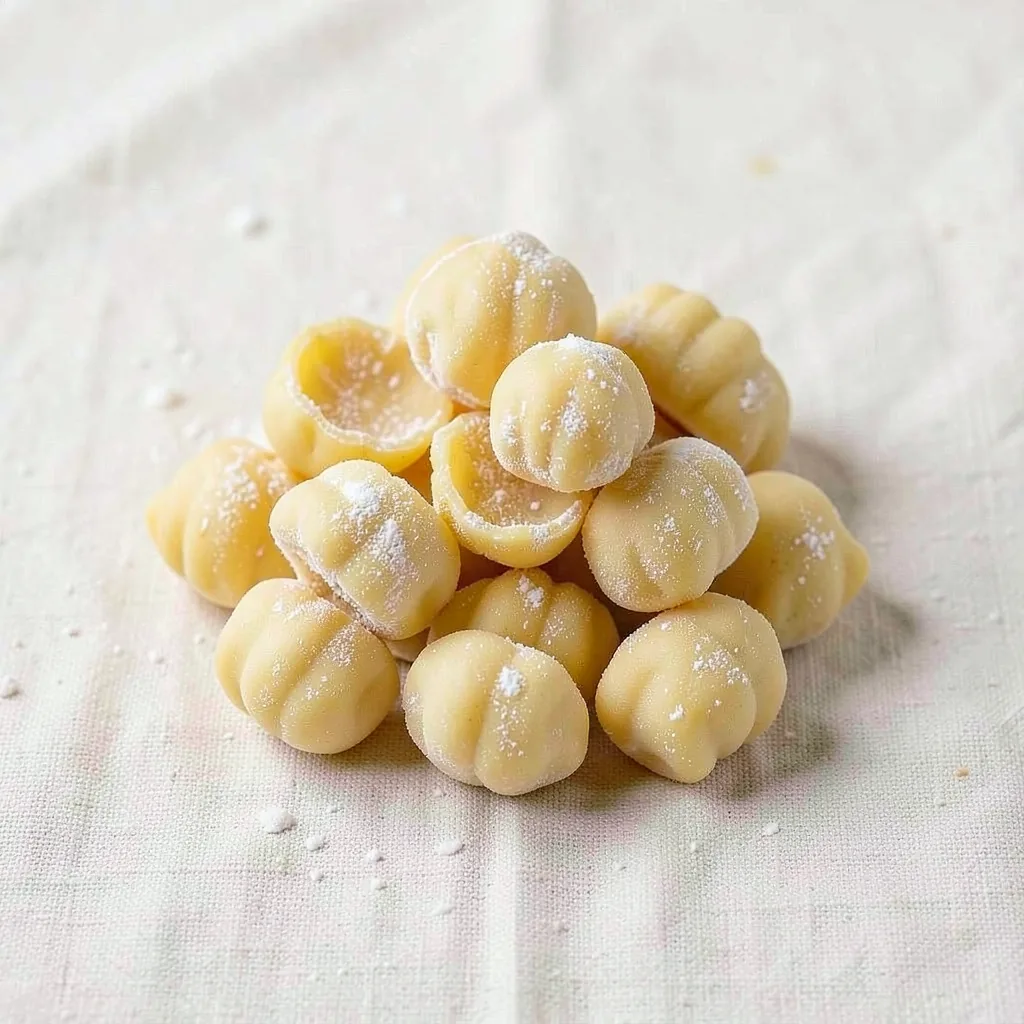
Hand-formed
Pasta fatta a mano · 21 shapes
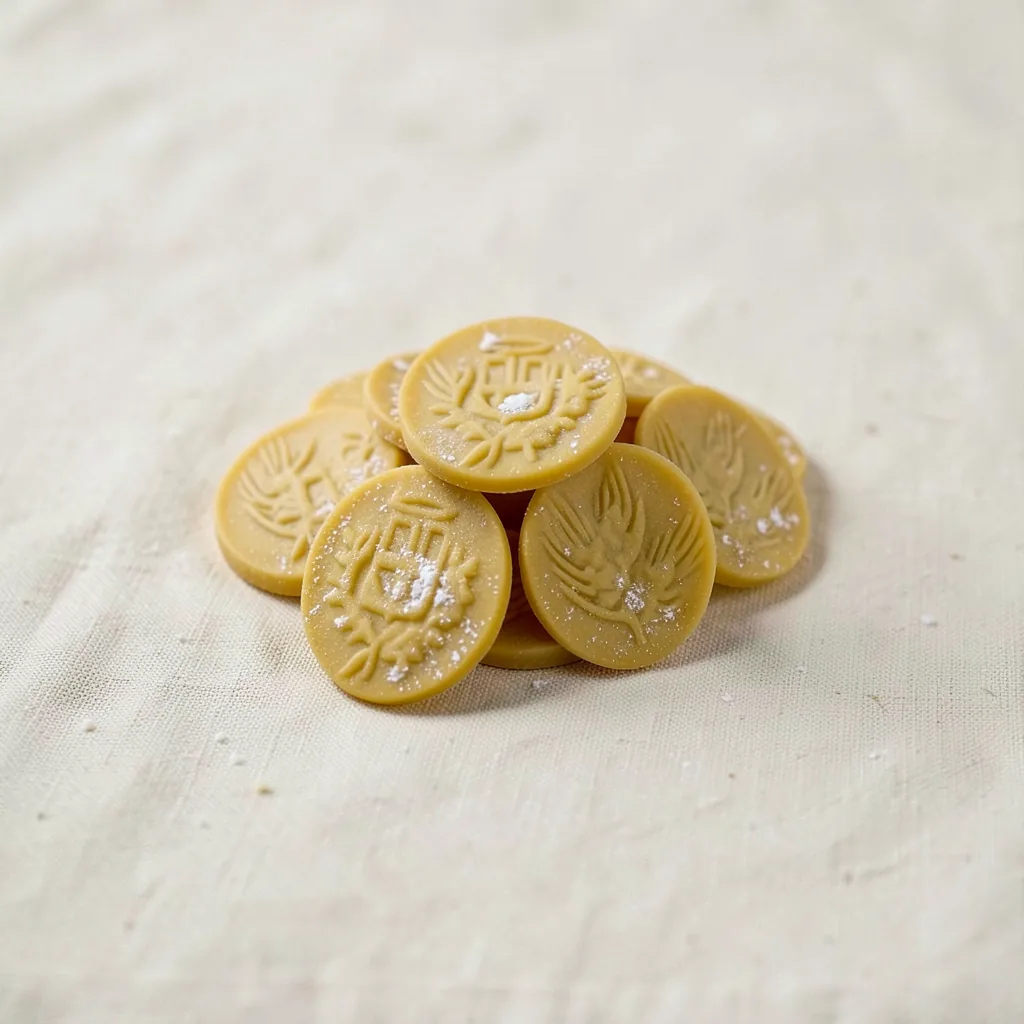
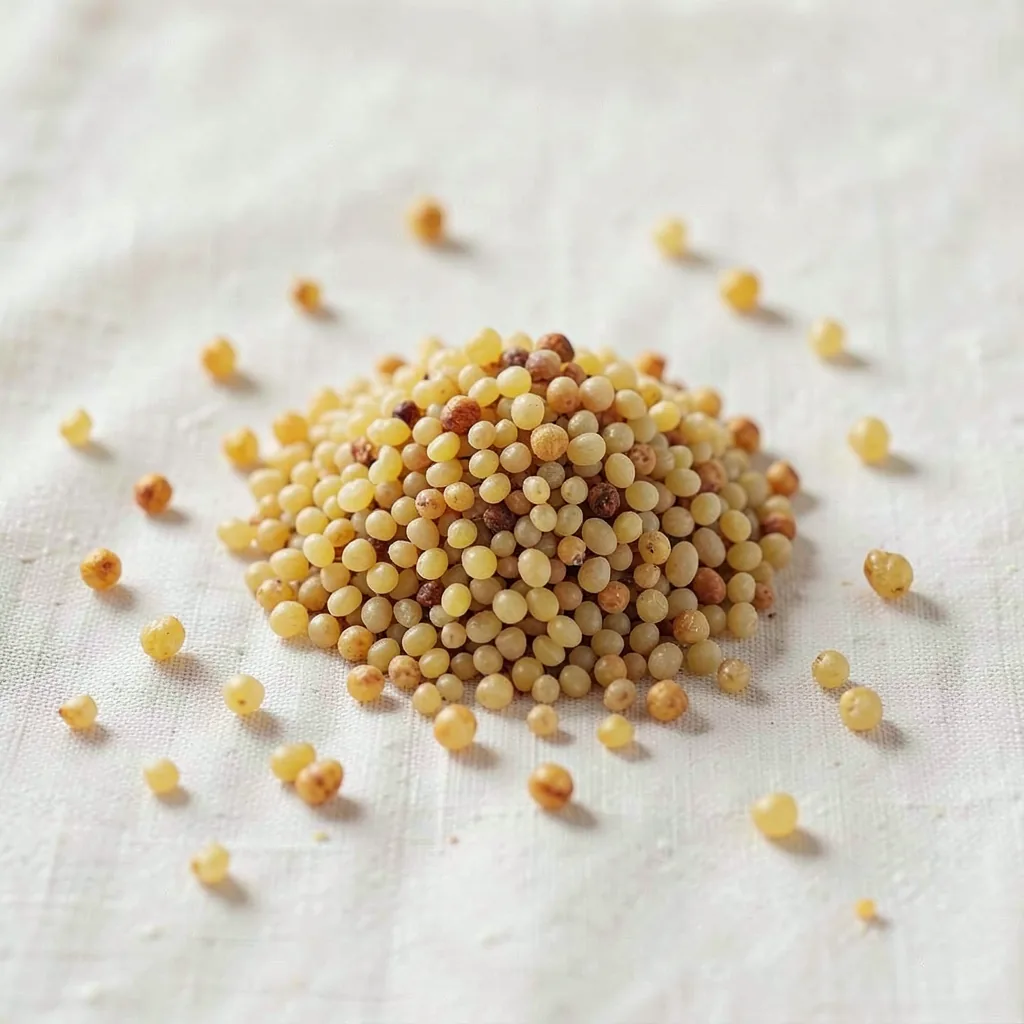
Regional shapes made by hand, usually from semolina and water. Rough, dense, and chewy. They carry the food of the Italian south.