Guides
The ideas the shape pages lean on, each in one short read.
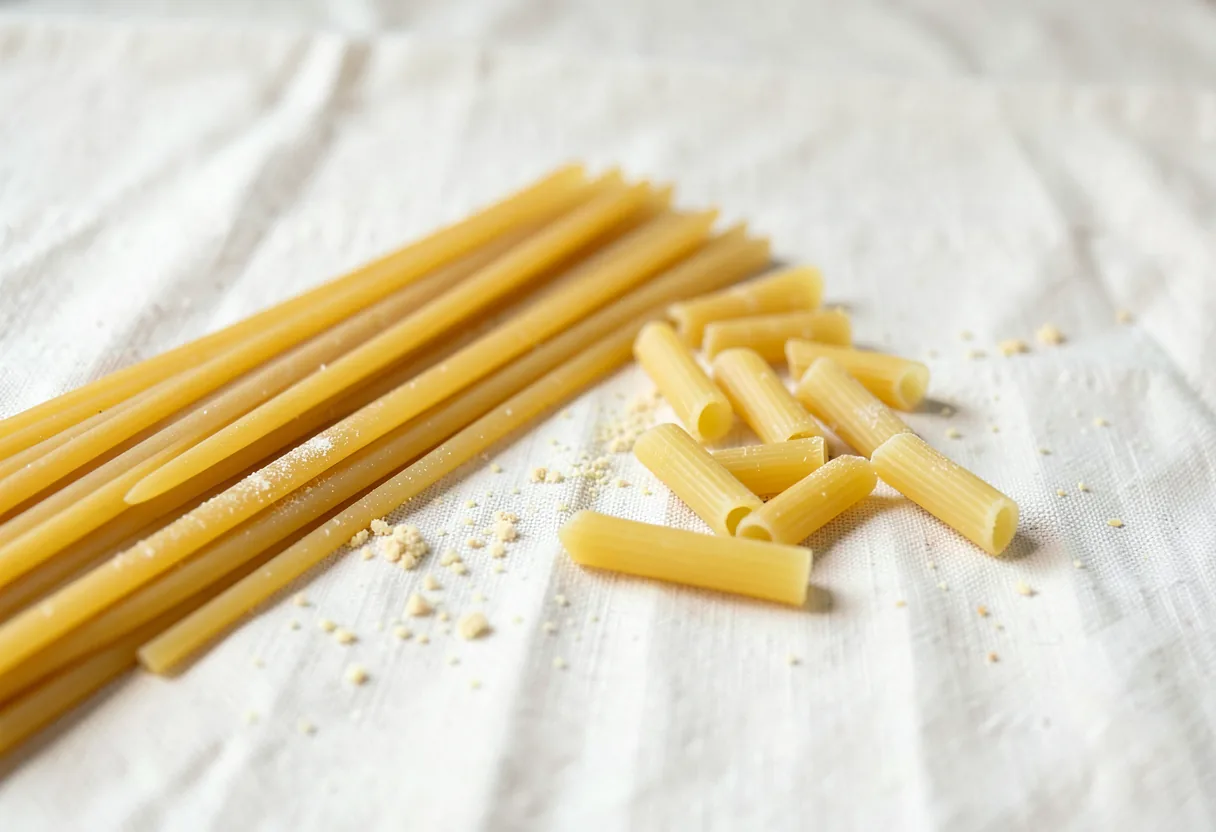
Bronze die versus Teflon: why the surface of dried pasta matters
What a bronze die does to the surface of pasta, why a rough shape holds sauce better, and how to tell a bronze-cut box from a Teflon one on the shelf.
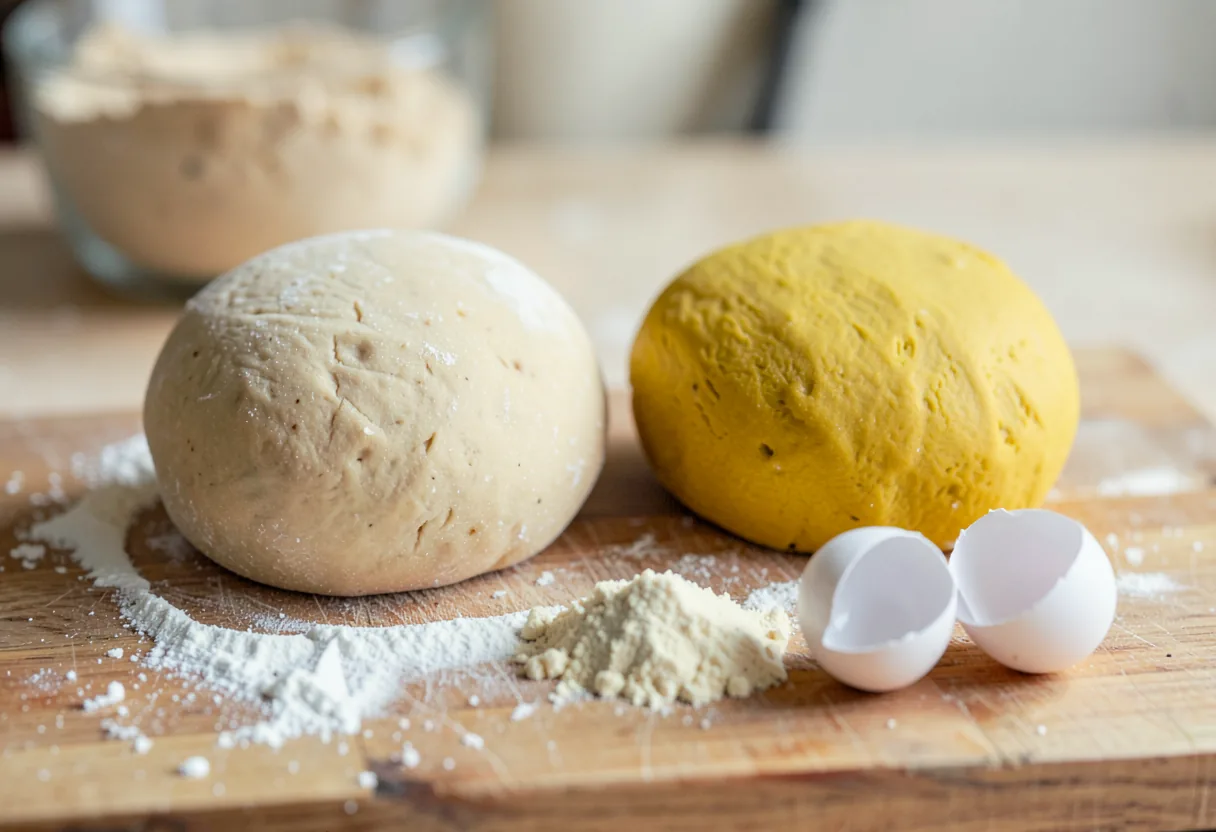
Semolina versus egg dough: the two doughs of Italian pasta
The difference between durum semolina pasta and egg pasta: flour, water, eggs, where each is made, how each cooks, and which sauces each dough wants.
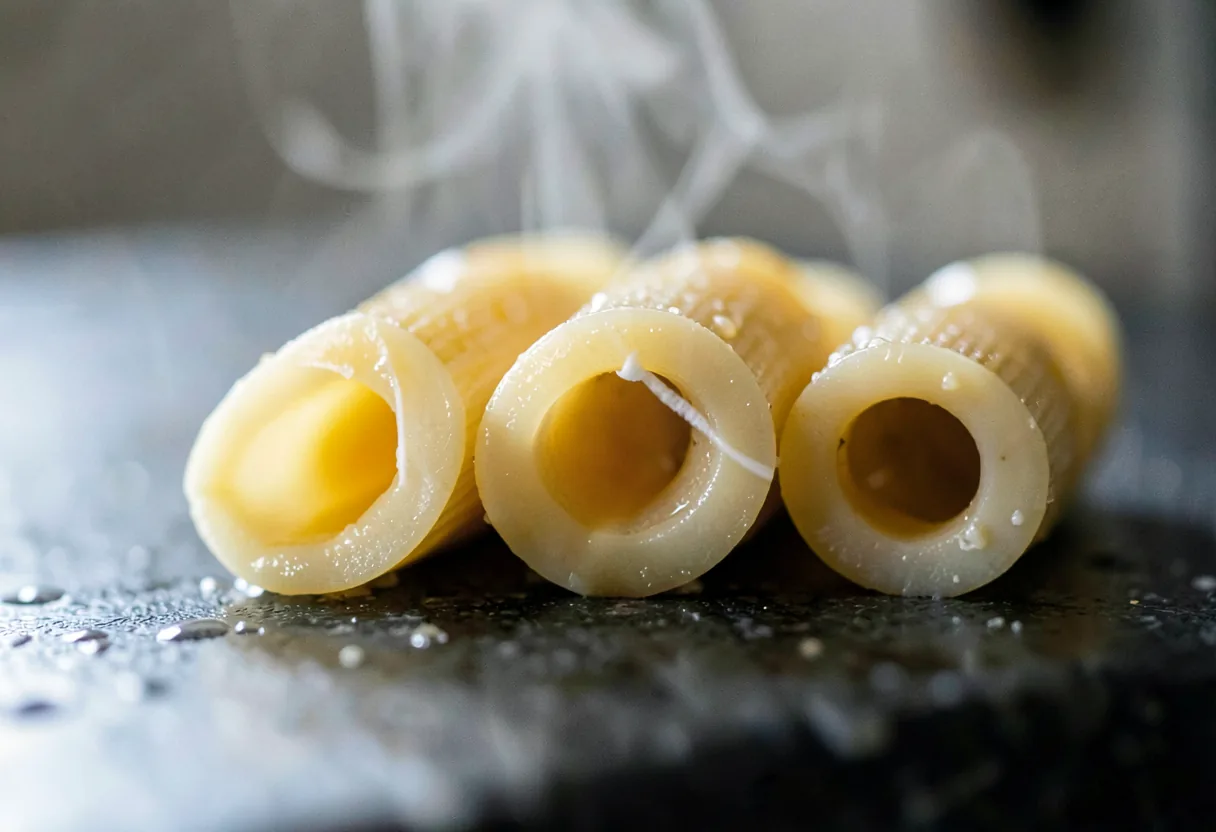
Al dente: what it means, how to test it, and why the box time is a range
What al dente means, how to test pasta for it, why every brand prints a range, and why the pasta should come out a minute early when it finishes in the sauce.
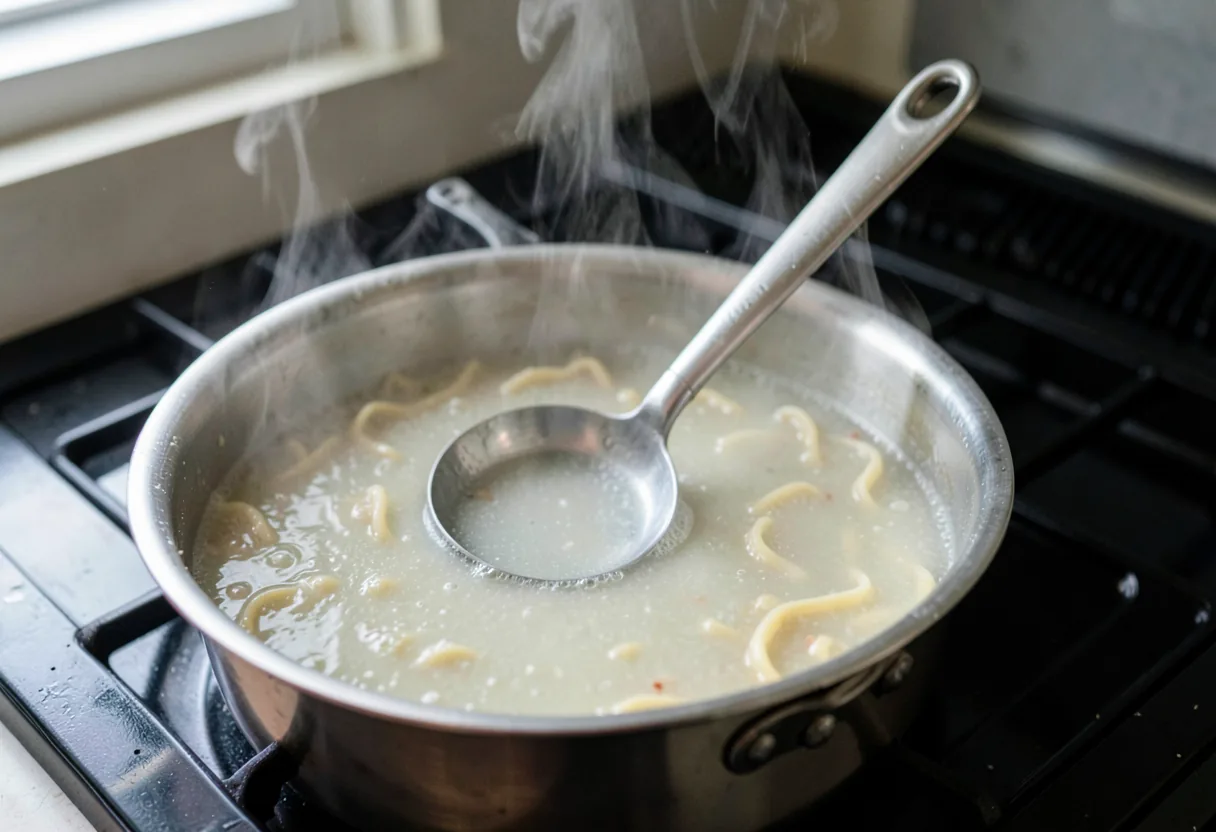
Pasta water: why the cloudy water in the pot makes the sauce
Why starchy pasta water binds a sauce, how much to save, how to use it in cacio e pepe, carbonara, and a tomato sauce, and how much salt goes in the pot.
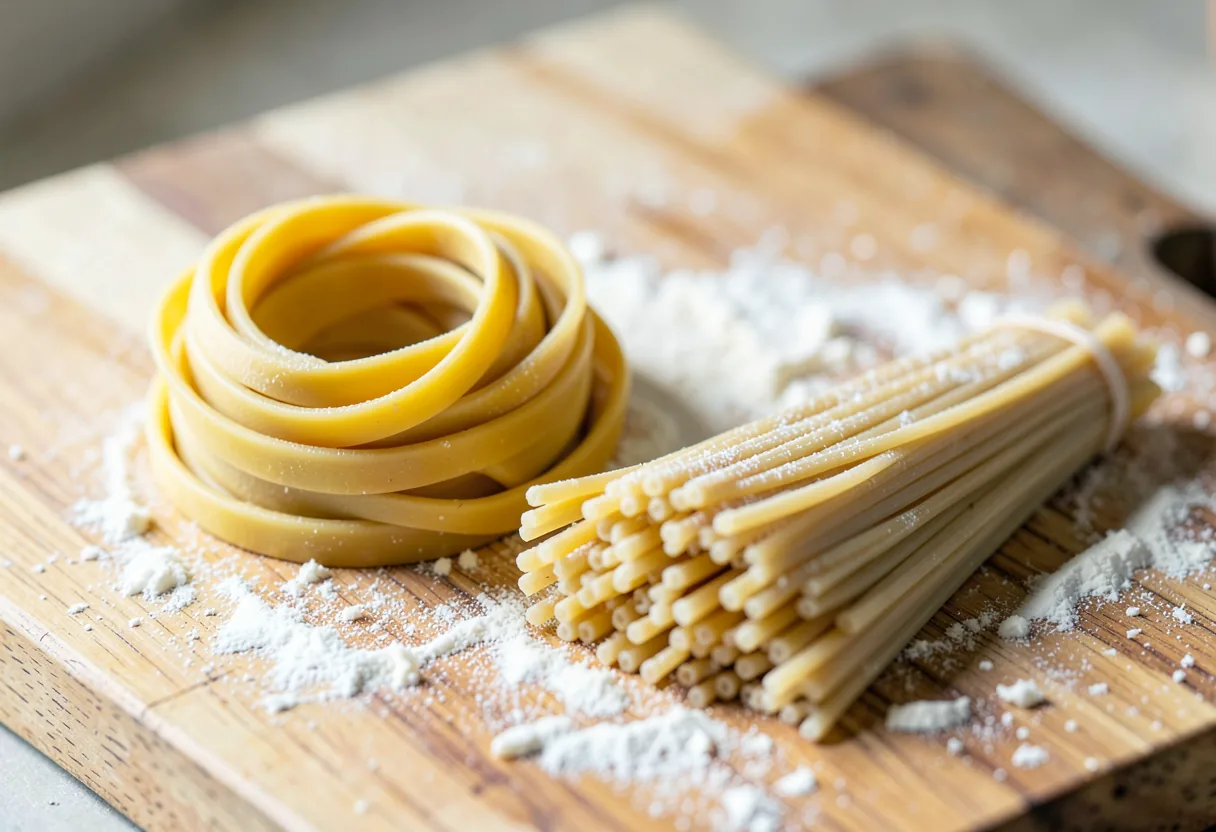
Fresh versus dried pasta: neither is better, they are different foods
The difference between fresh and dried pasta: dough, texture, cook time, storage, and which shapes and sauces belong to each.
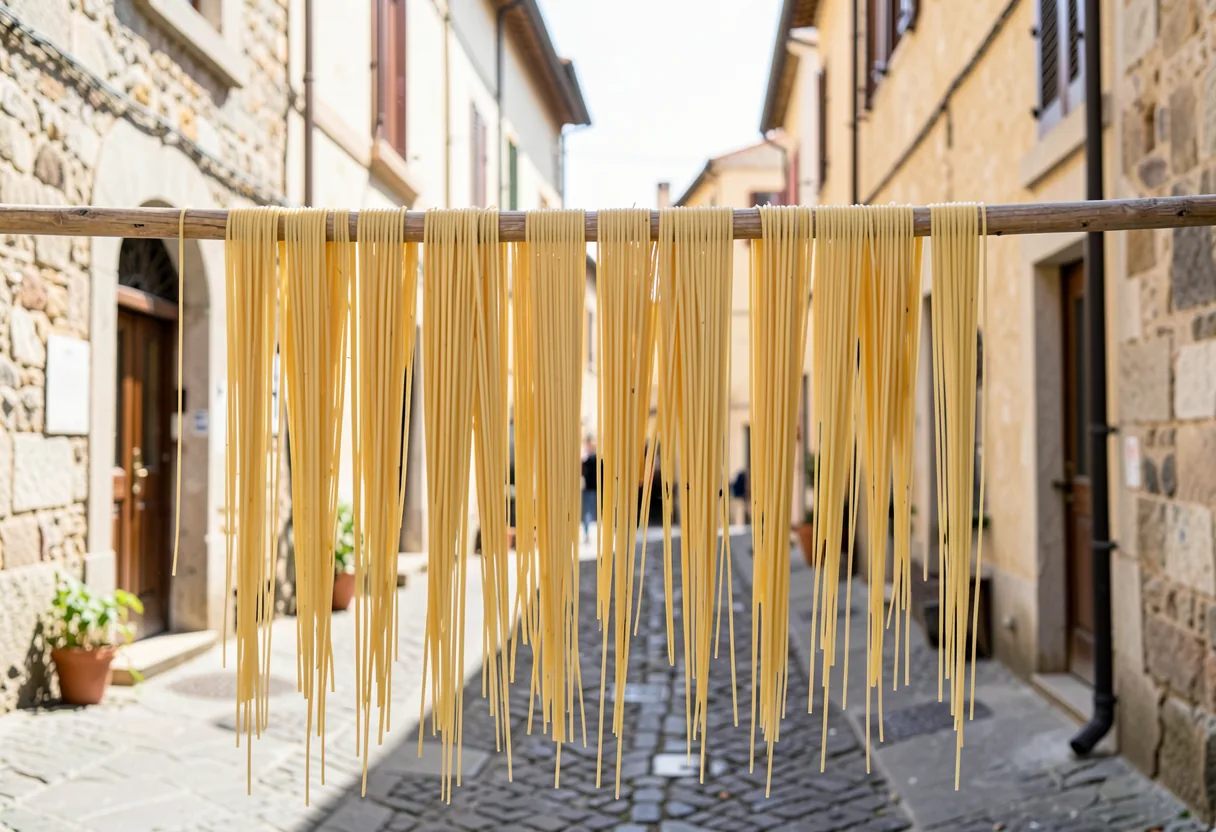
Pasta di Gragnano PGI: the town that made dried pasta an industry
What the Gragnano PGI protects, why the town near Naples became the capital of dried pasta, and what the mark means on a box.