Lazio · cheese · thin
Best pasta for cacio e pepe
Pecorino Romano and black pepper emulsified with starchy pasta water. A creamy film that clings to a rough long strand.
- Region
- Lazio
- Base
- Cheese
- Texture
- Thin
- Shapes that hold it
- 4
- Classic plates
- 3
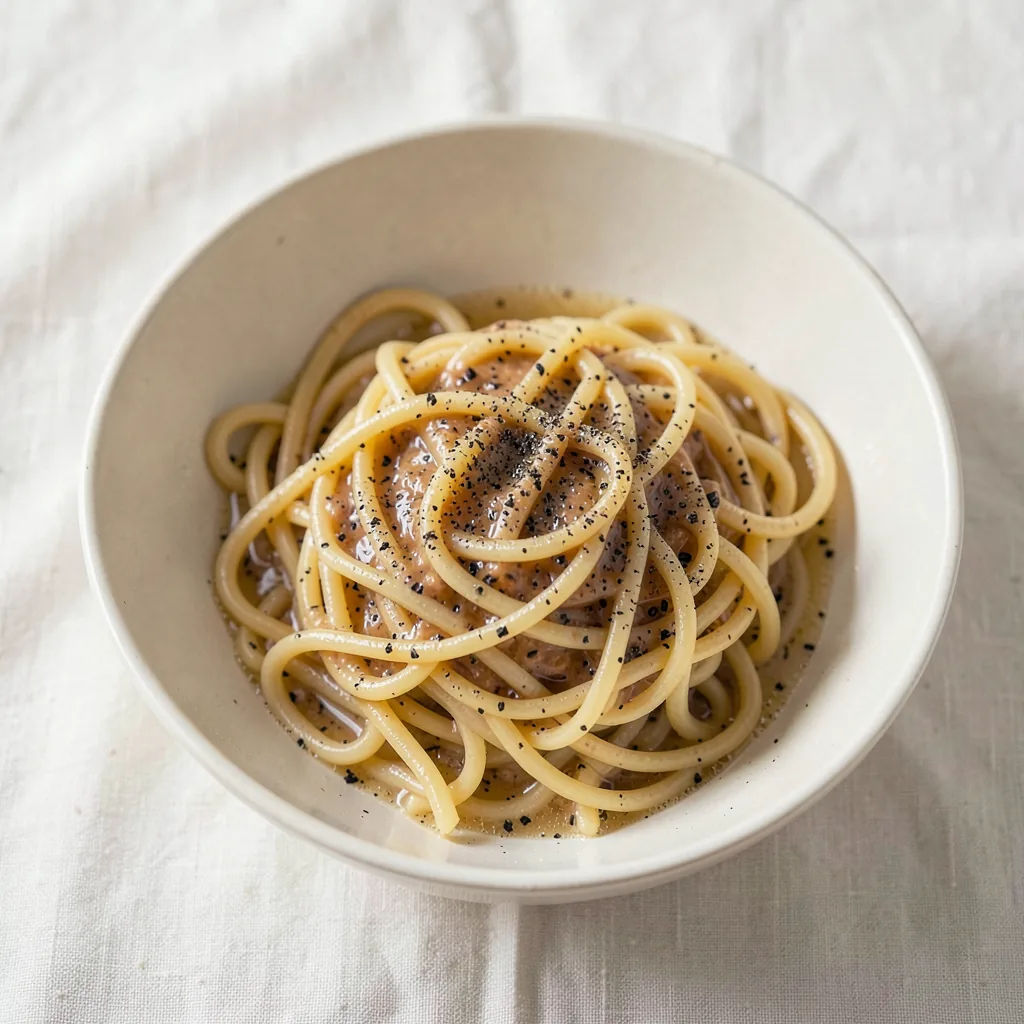
What it asks of a shape
Cacio e pepe is a thin cheese-based sauce. It wants a long strand, so the sauce coats every turn of the fork, a rough bronze-die surface, which holds an oil or a thin sauce, and a square-cut strand with edges that hold a sauce. The ranking below scores every profiled shape on those traits, then the shape's own sauce notes break the ties.
What it is
- Main ingredients
- Tonnarelli or spaghetti, pecorino romano, black pepper
- Place of origin
- Lazio
Cacio e pepe is a pasta dish typical of Lazio, Italy. It contains grated pecorino romano and black pepper with tonnarelli or spaghetti. Achieving a smooth and creamy texture during preparation requires special attention, as the cheese is prone to becoming lumpy.
4 shapes that hold it
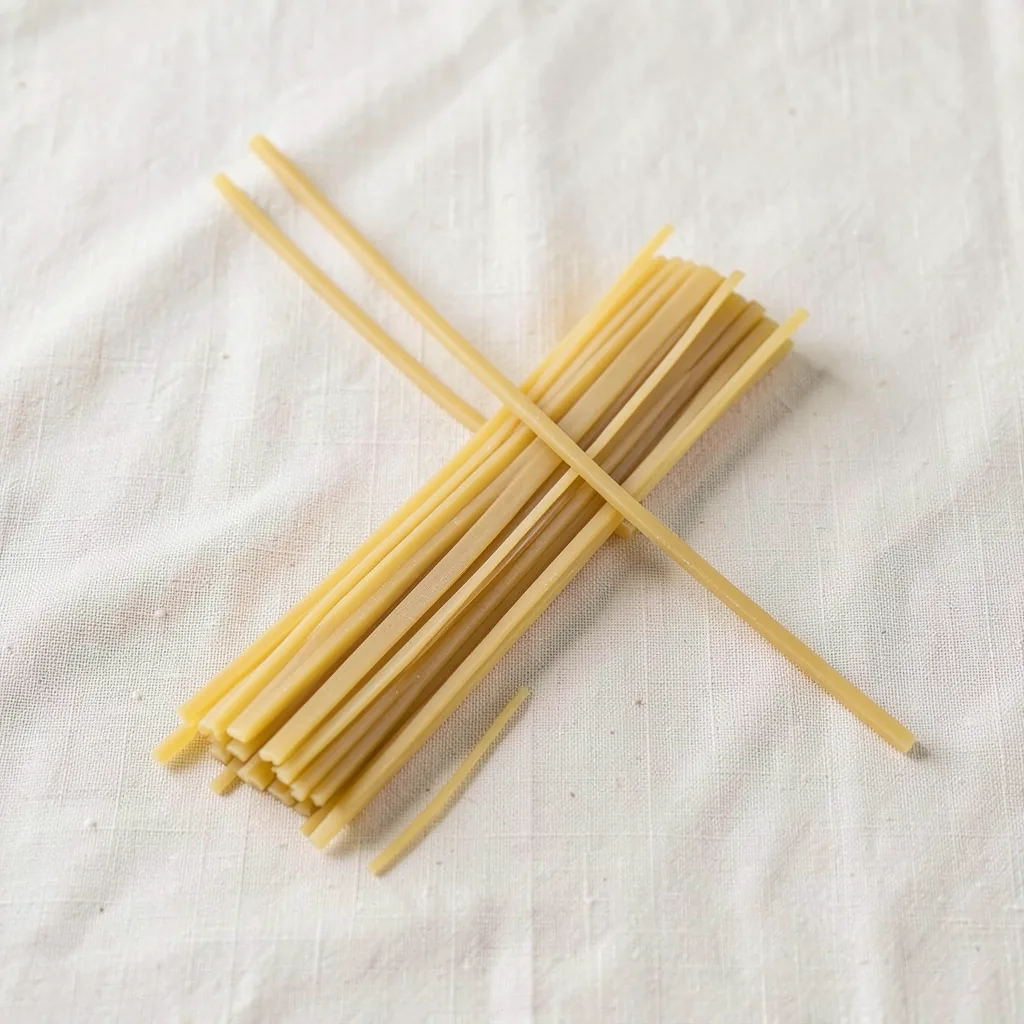
Spaghettoni
Long strands · Campania
A thick strand releases more starch and stays firm longer, so it suits the Roman cheese sauces that need starchy water to come together.
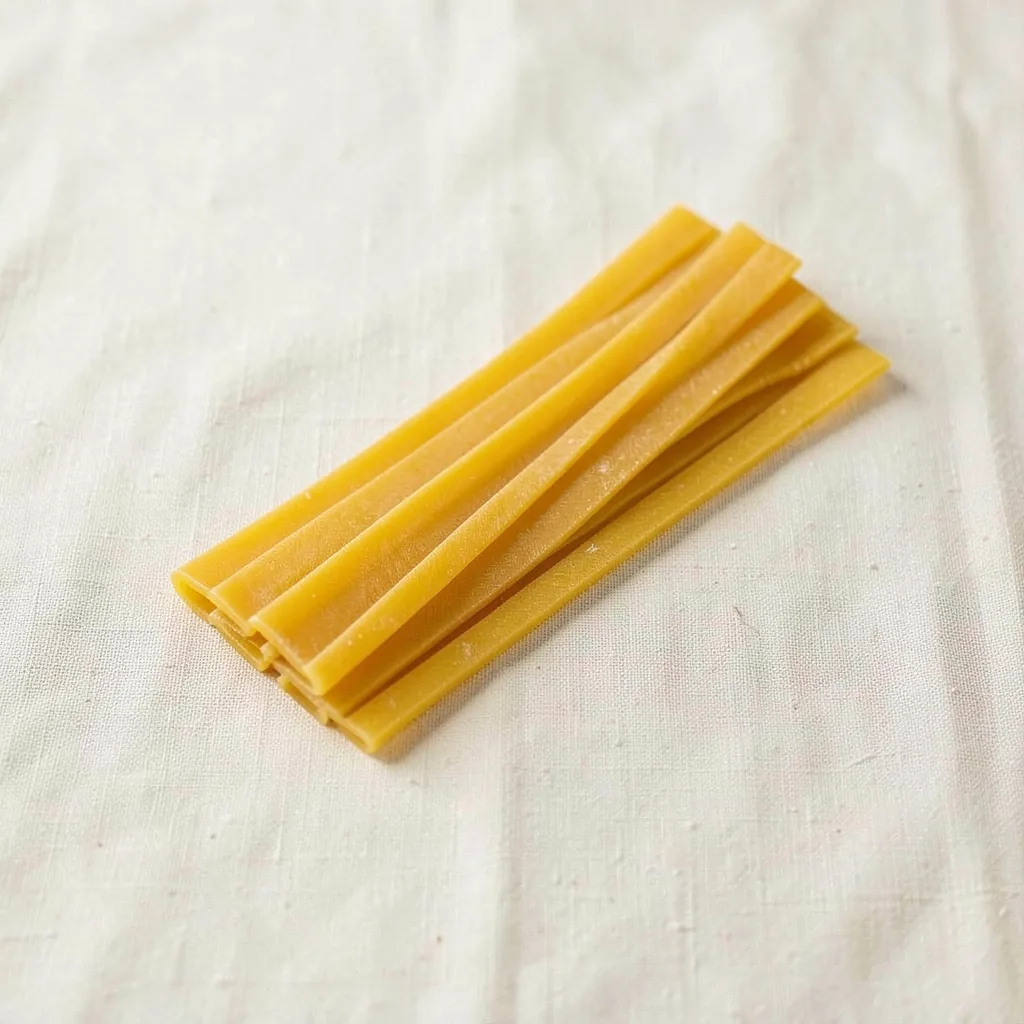
Tonnarelli
Long strands · Lazio
A porous square strand grips a cheese emulsion like nothing else, which is why Roman trattorias serve tonnarelli cacio e pepe.
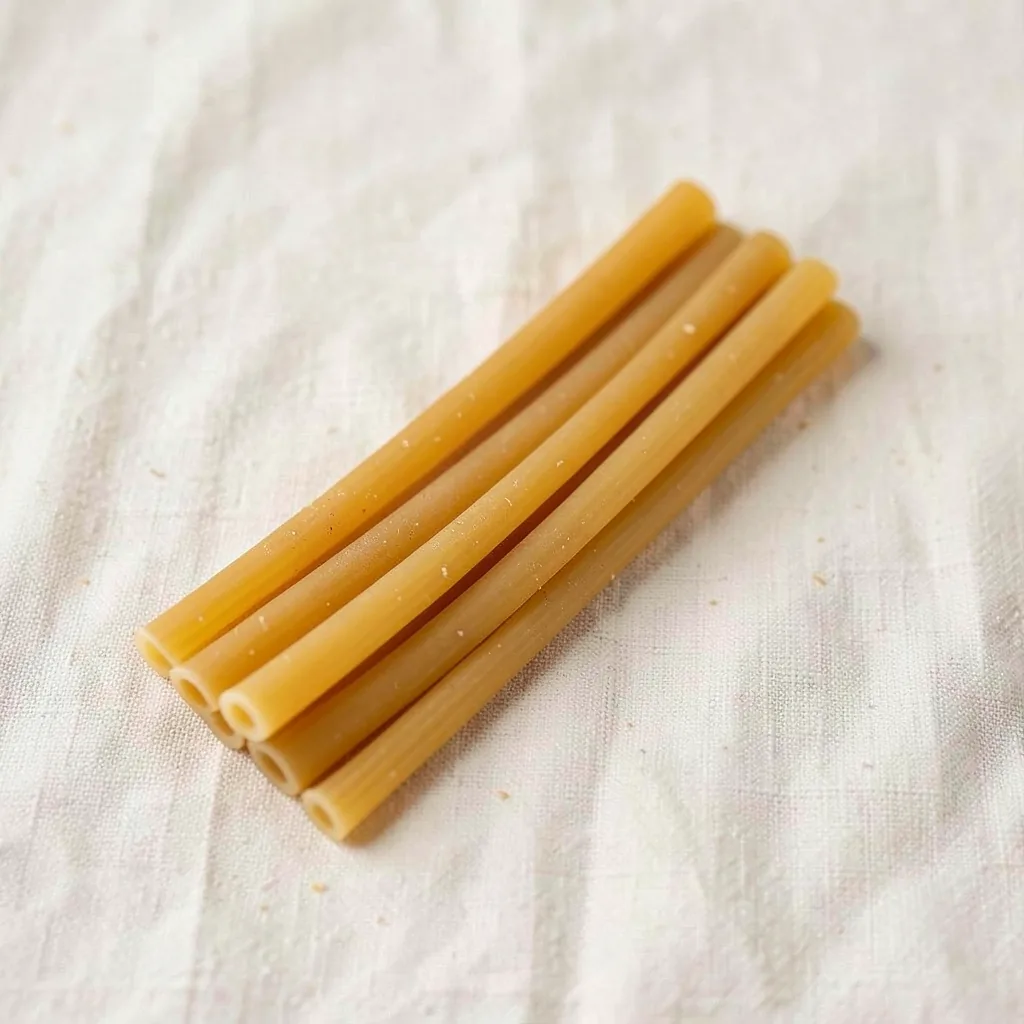
Bucatini
Long strands · Lazio
The bore takes in sauce, so bucatini wants a sauce with more body than a strand normally takes: amatriciana, a gricia, a tomato with guanciale, a loose ragu.
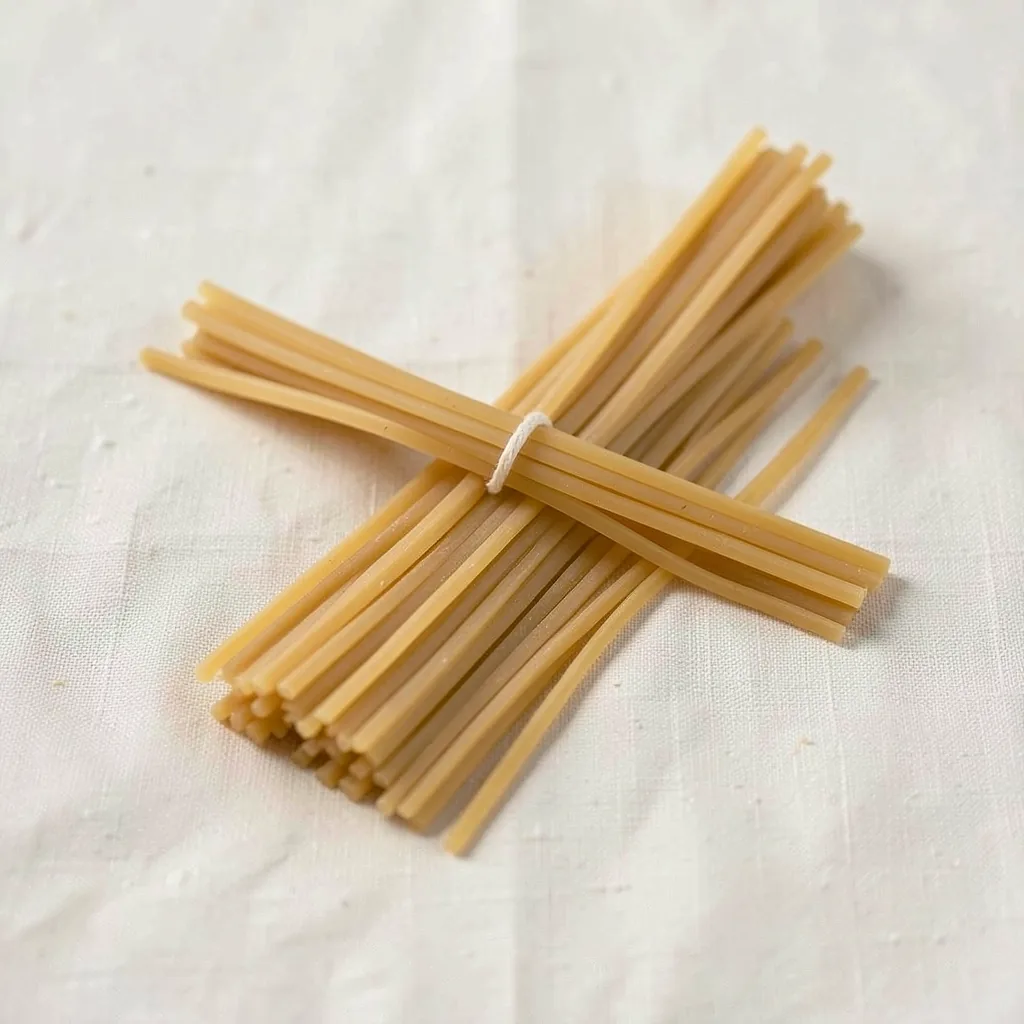
Spaghetti
Long strands · Campania
A strand has no cavity and no ridges, so a sauce must coat it.
Classic plates with cacio e pepe
Every dish in the shape profiles that names this sauce, with the shape it is made on.
- Pici cacio e pepePici
- Spaghettoni cacio e pepeSpaghettoni
- Tonnarelli cacio e pepeTonnarelli
Sources
- The ranking and the sauce notes are our editorial judgement, from the traits in each shape record. See the method.
- Cacio e pepe, Wikipedia (summary, ingredients, origin), CC BY-SA 4.0. Wikidata Q5016033.