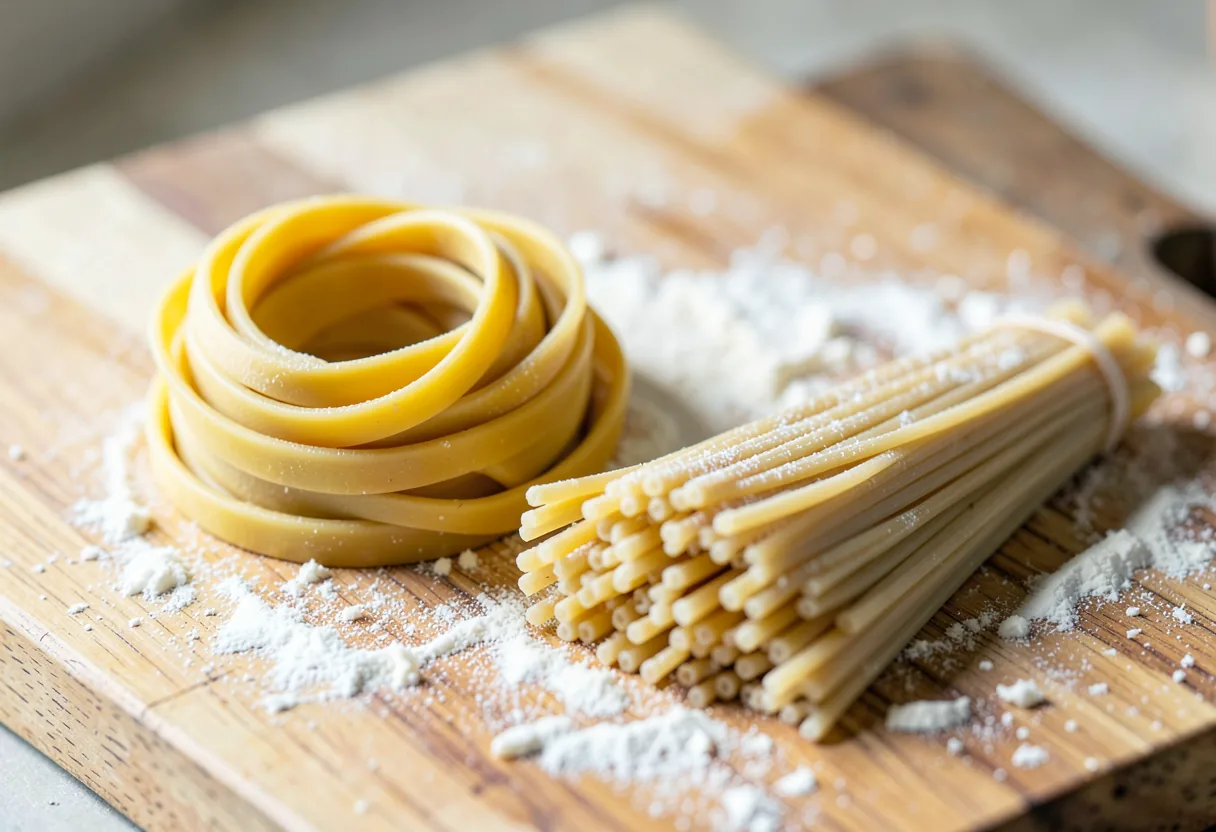
Fresh versus dried pasta: neither is better, they are different foods
The difference between fresh and dried pasta: dough, texture, cook time, storage, and which shapes and sauces belong to each.
Fresh pasta is not a better version of dried pasta. It is a different food. Dried pasta is a semolina dough extruded and dried hard, and it keeps for years. Fresh pasta is usually an egg dough, rolled and cut, and it keeps for a day or two. Each one belongs to its own shapes and its own sauces.
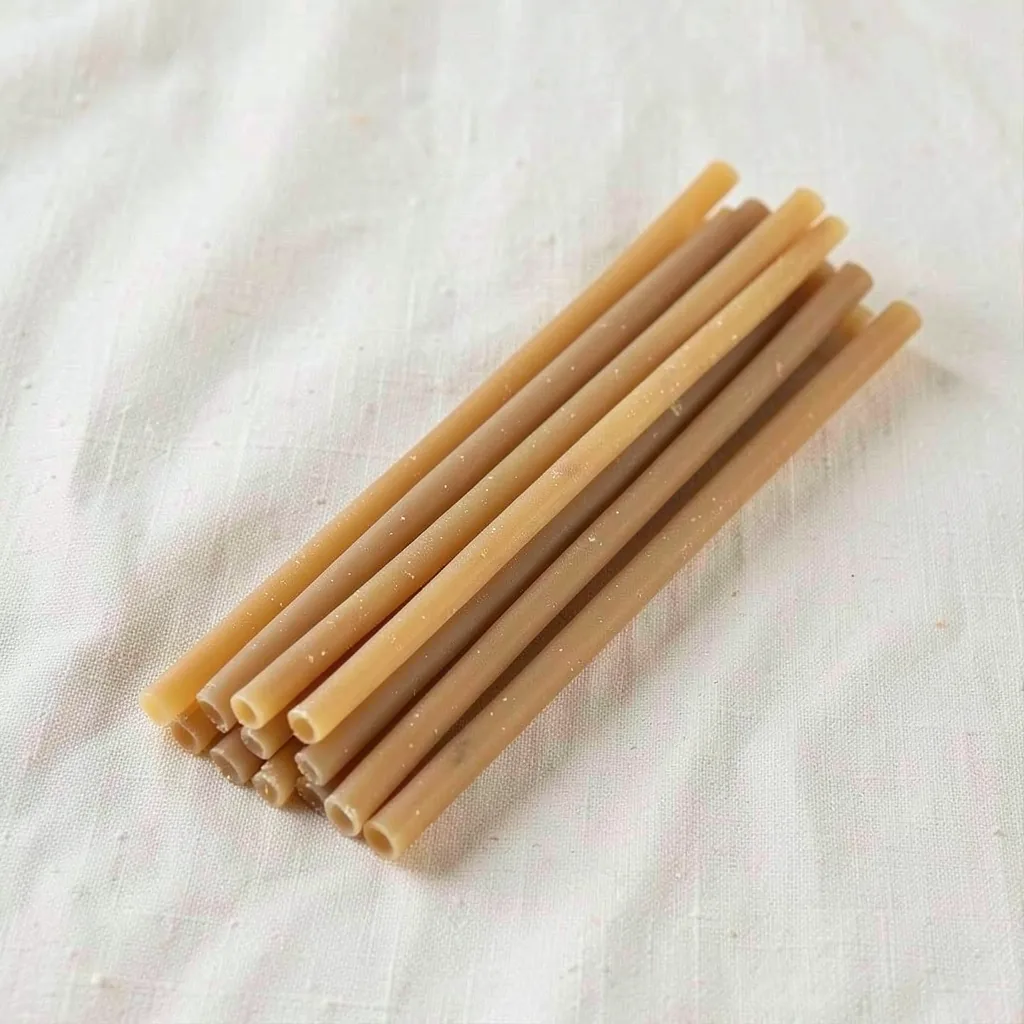
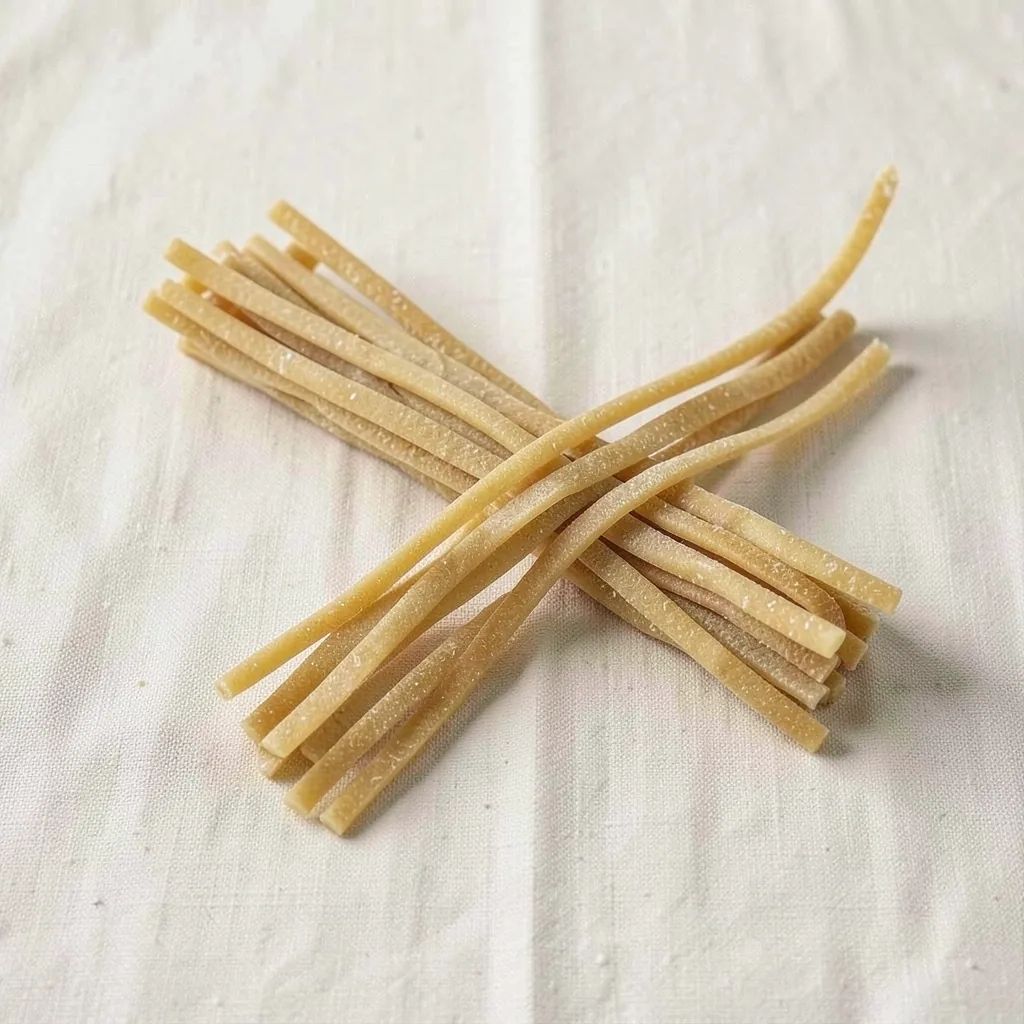
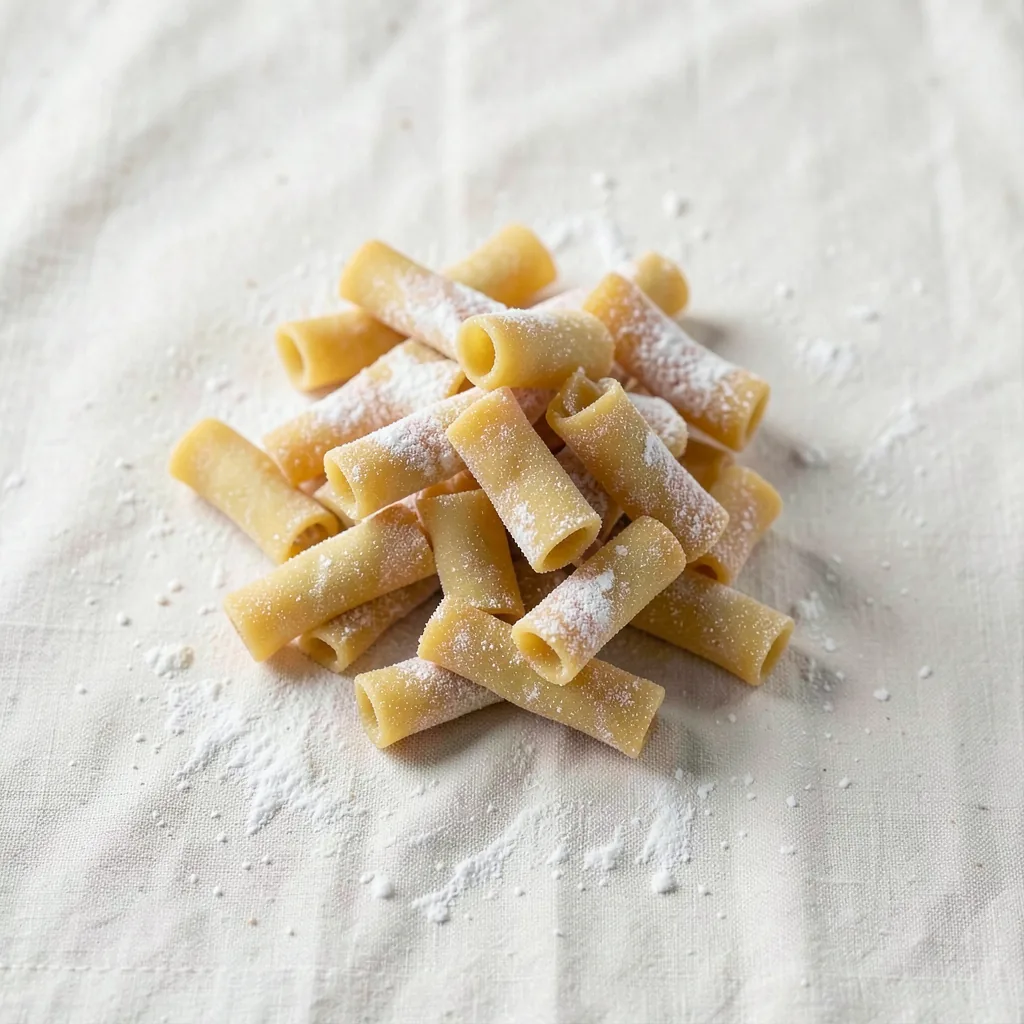
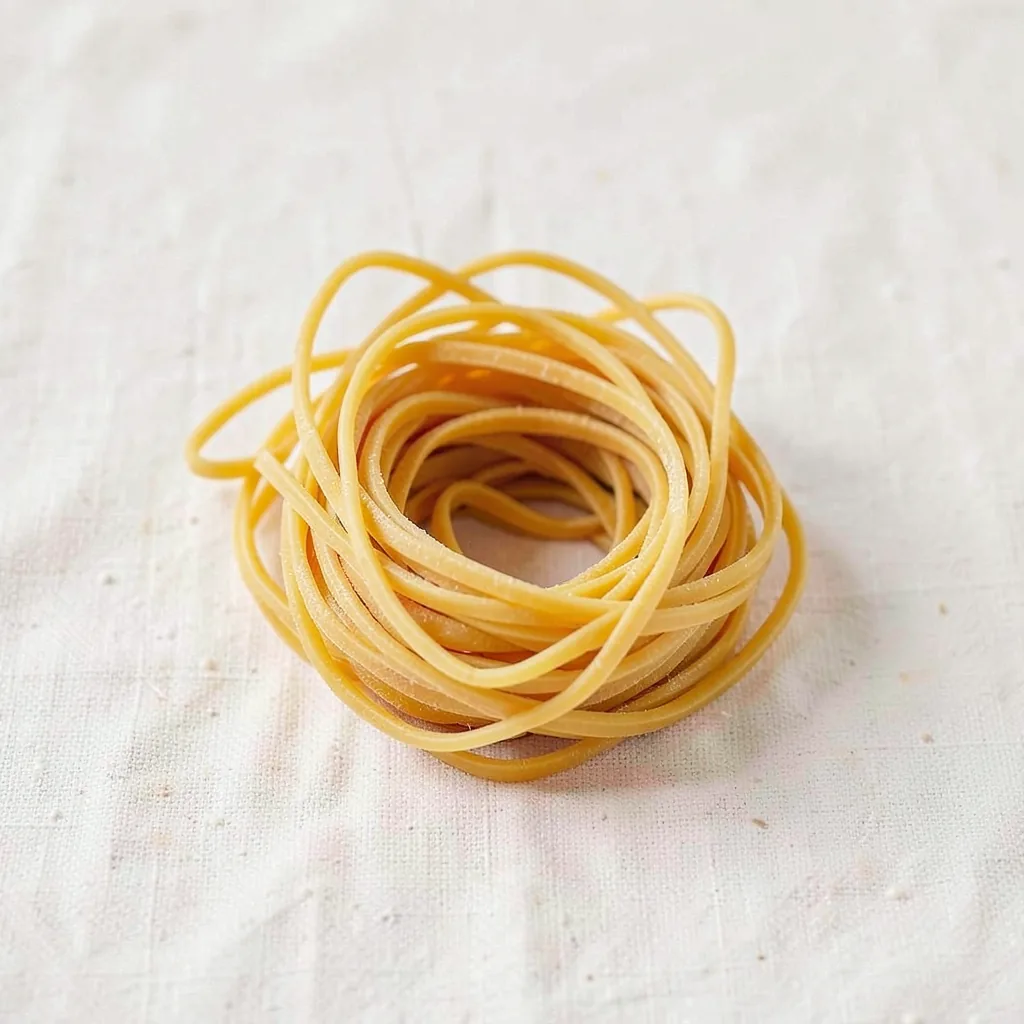
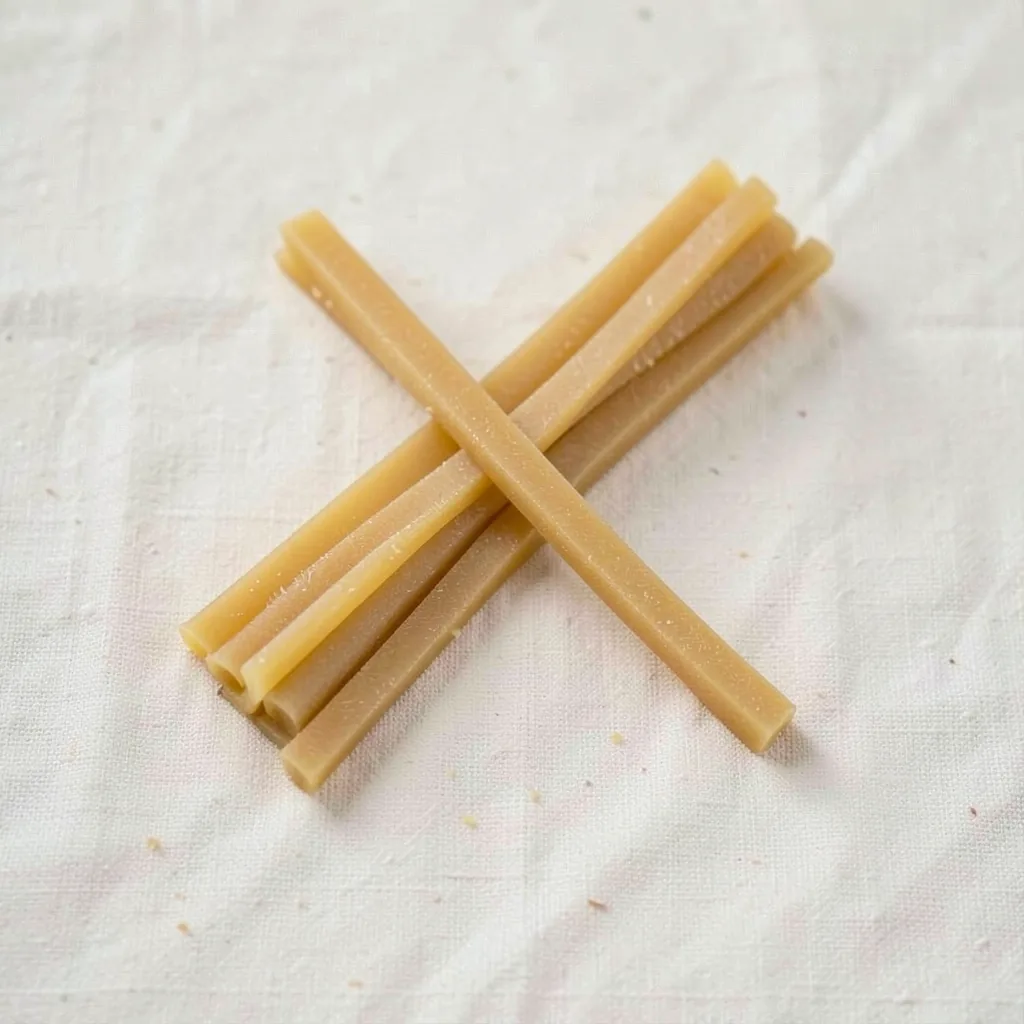
Dried pasta is firm. It cooks in eight to fourteen minutes and comes out with a bite that stands up to a thick ragu, a bake, and a salad. Spaghetti, penne, rigatoni, and every extruded shape is dried. A good dried pasta from a bronze die is a serious product, not a fallback.
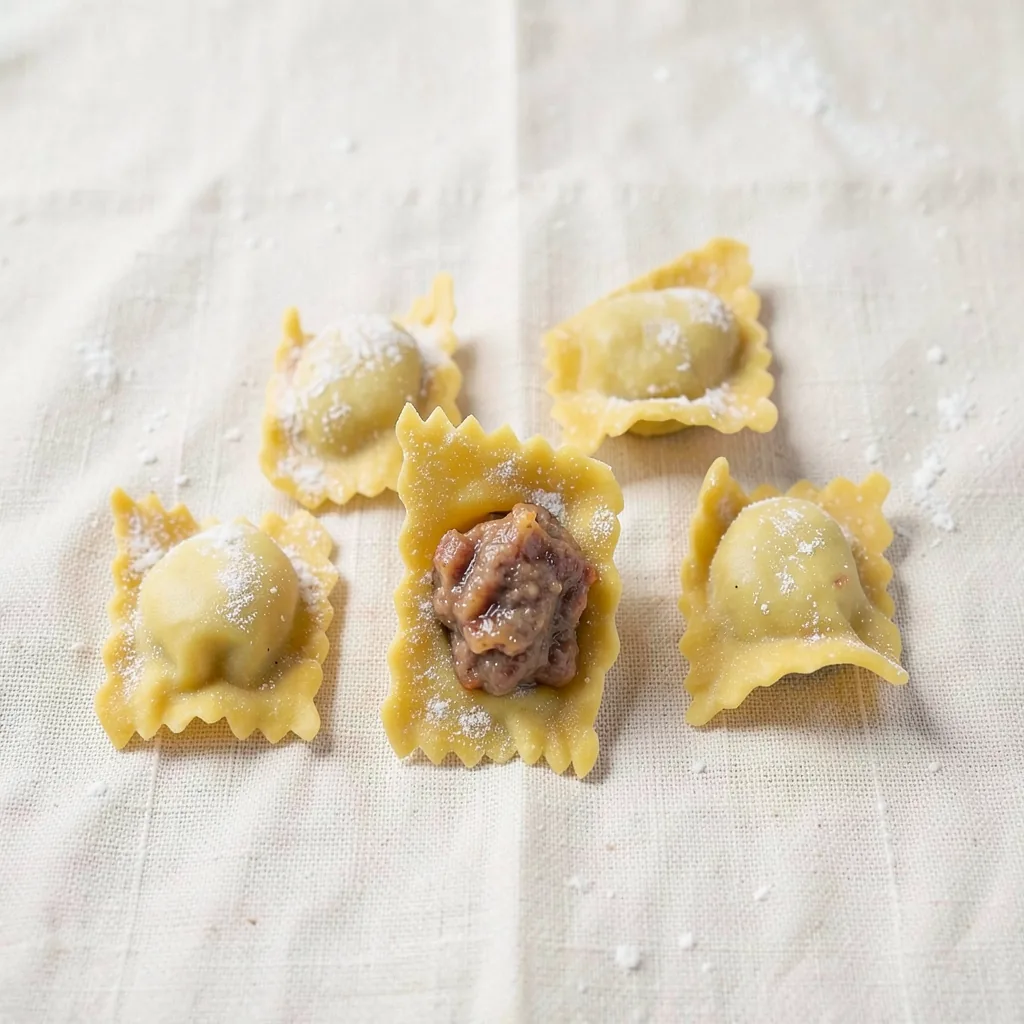
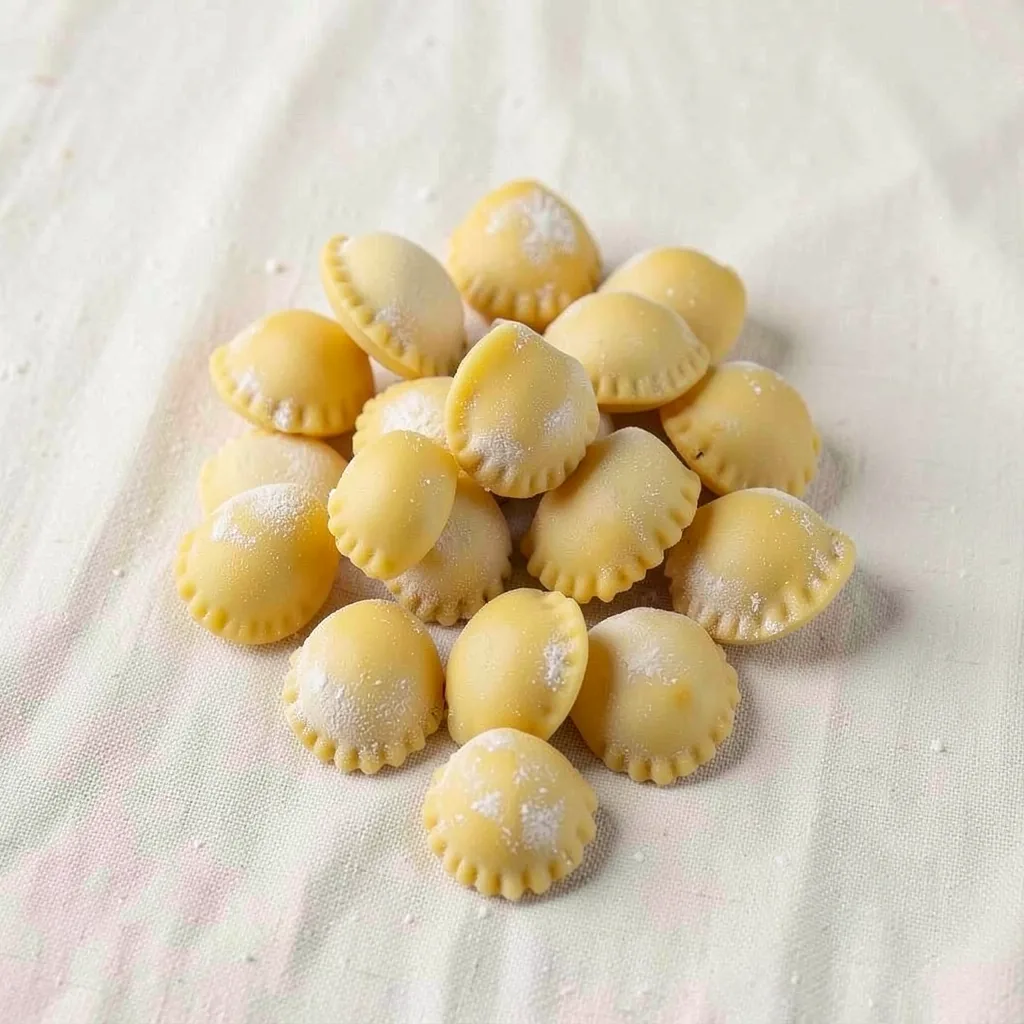
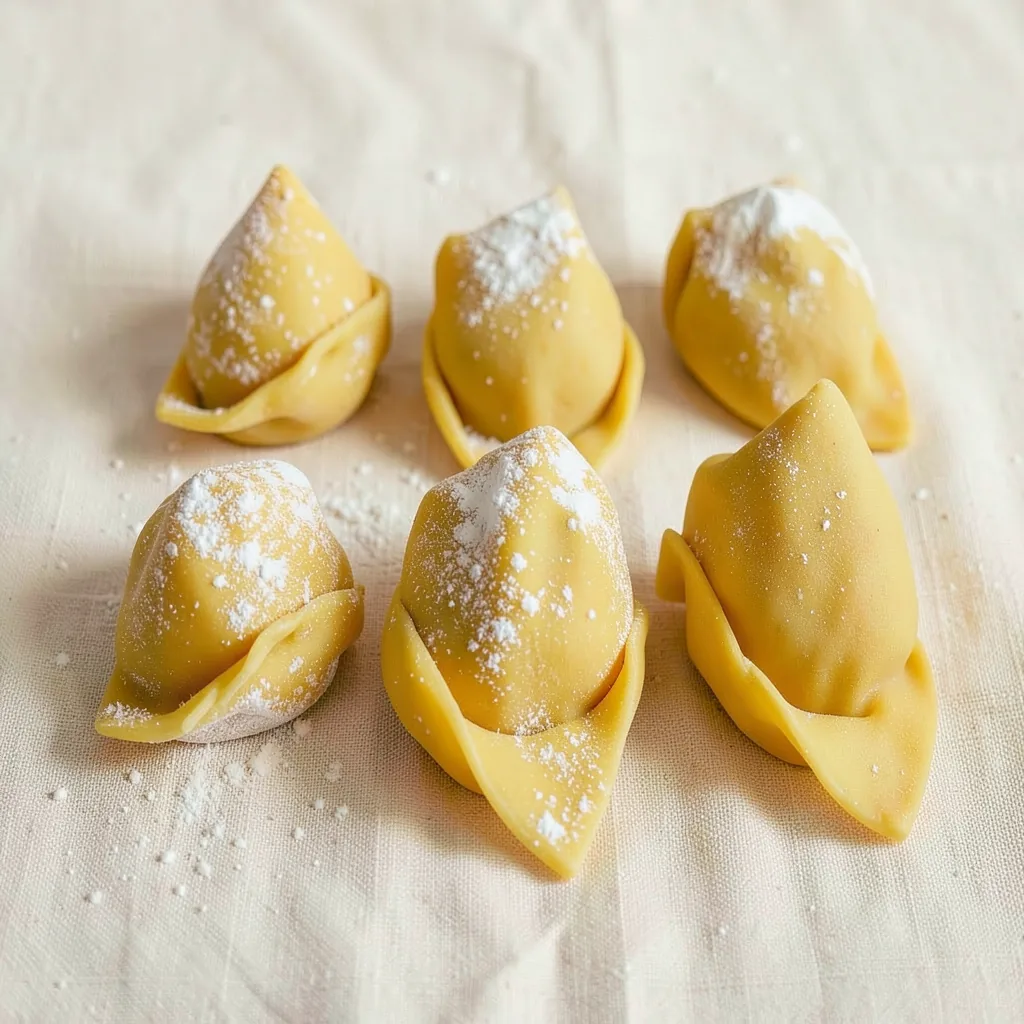
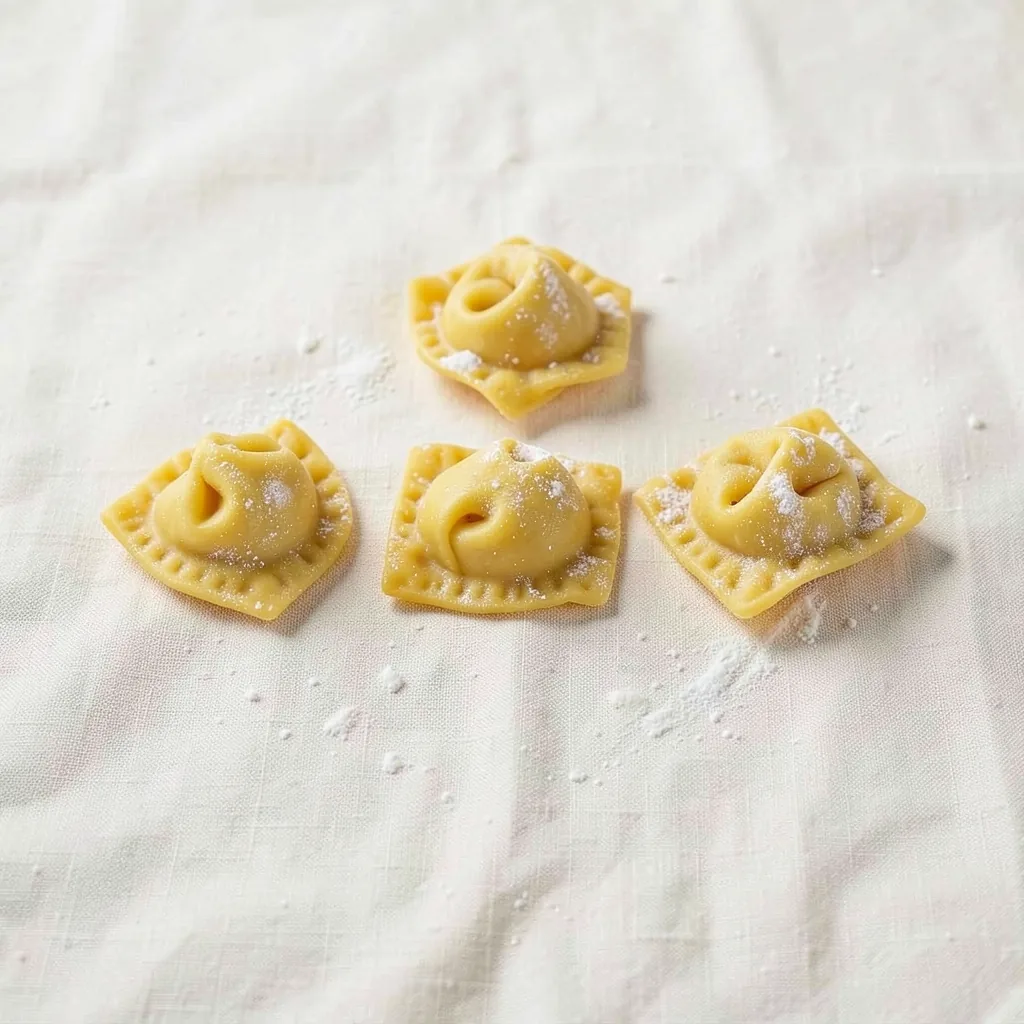
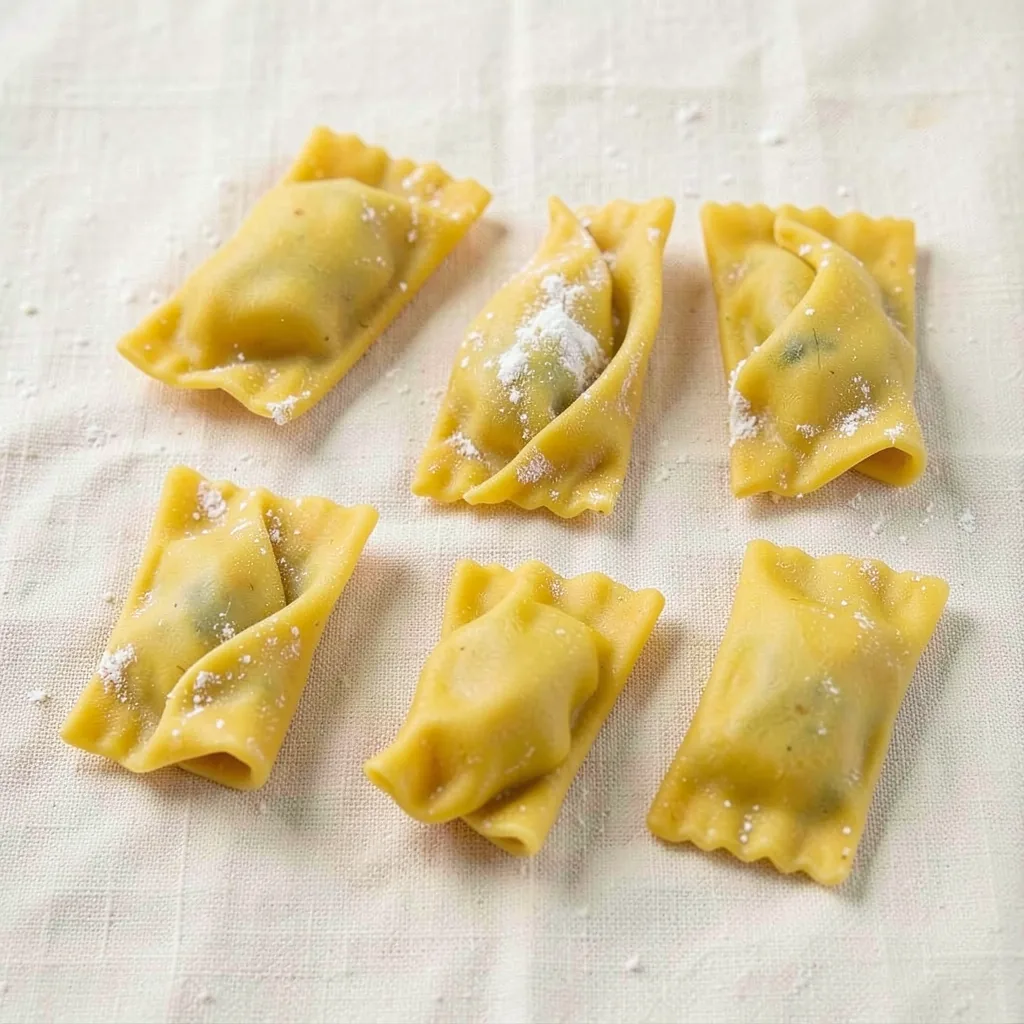
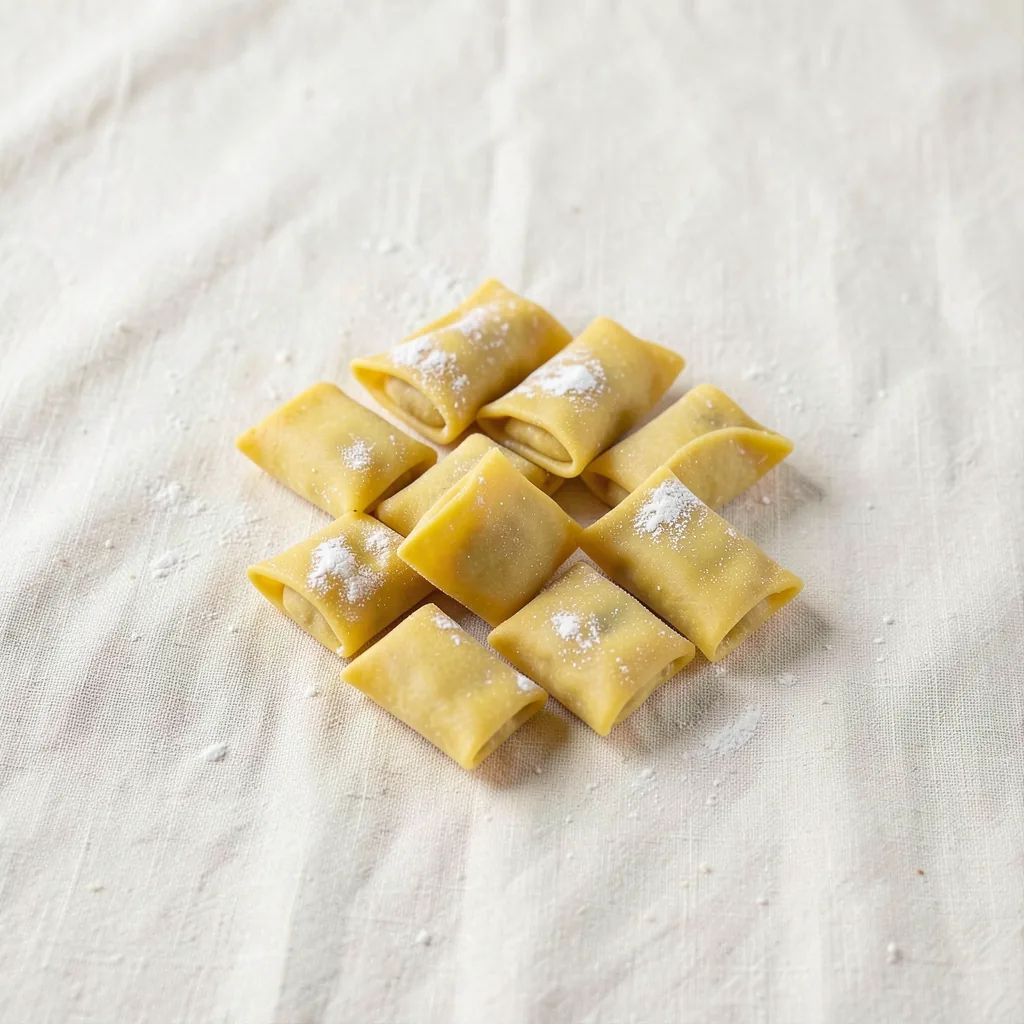
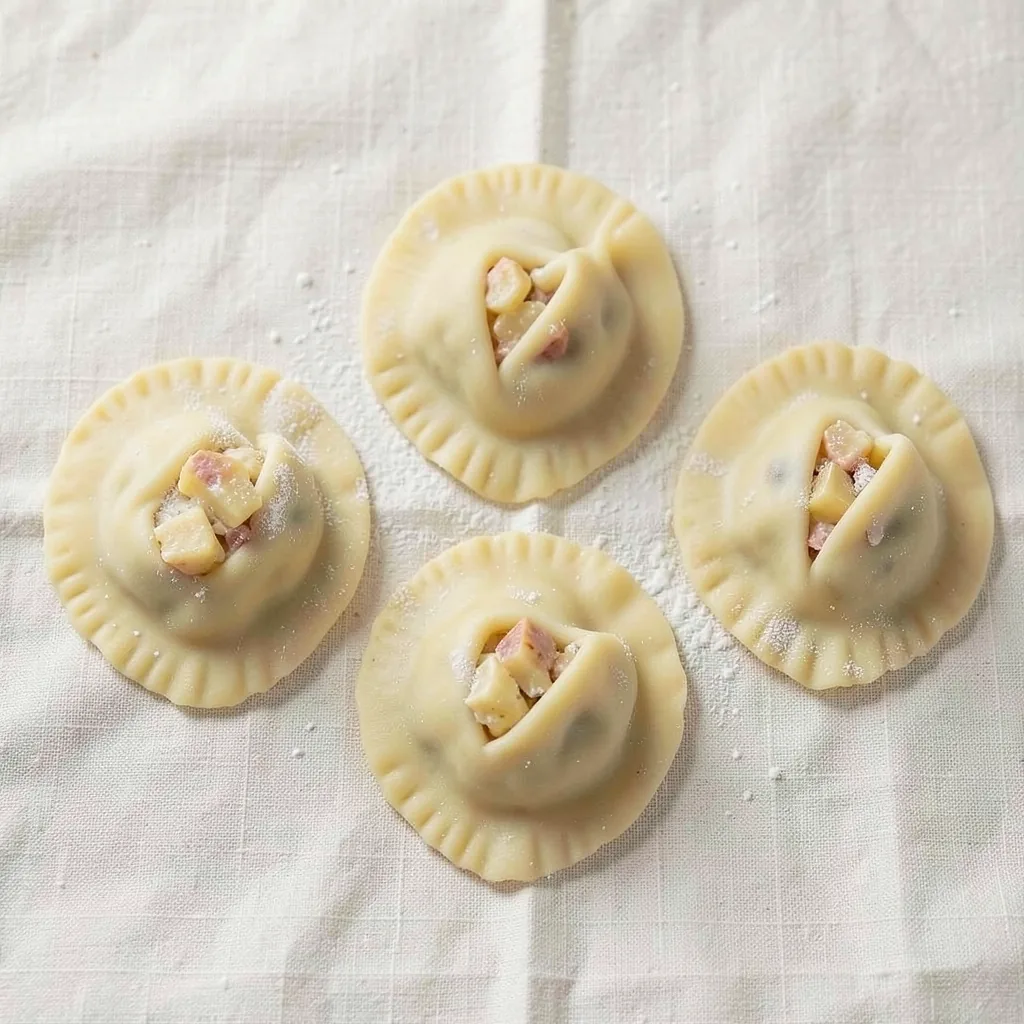
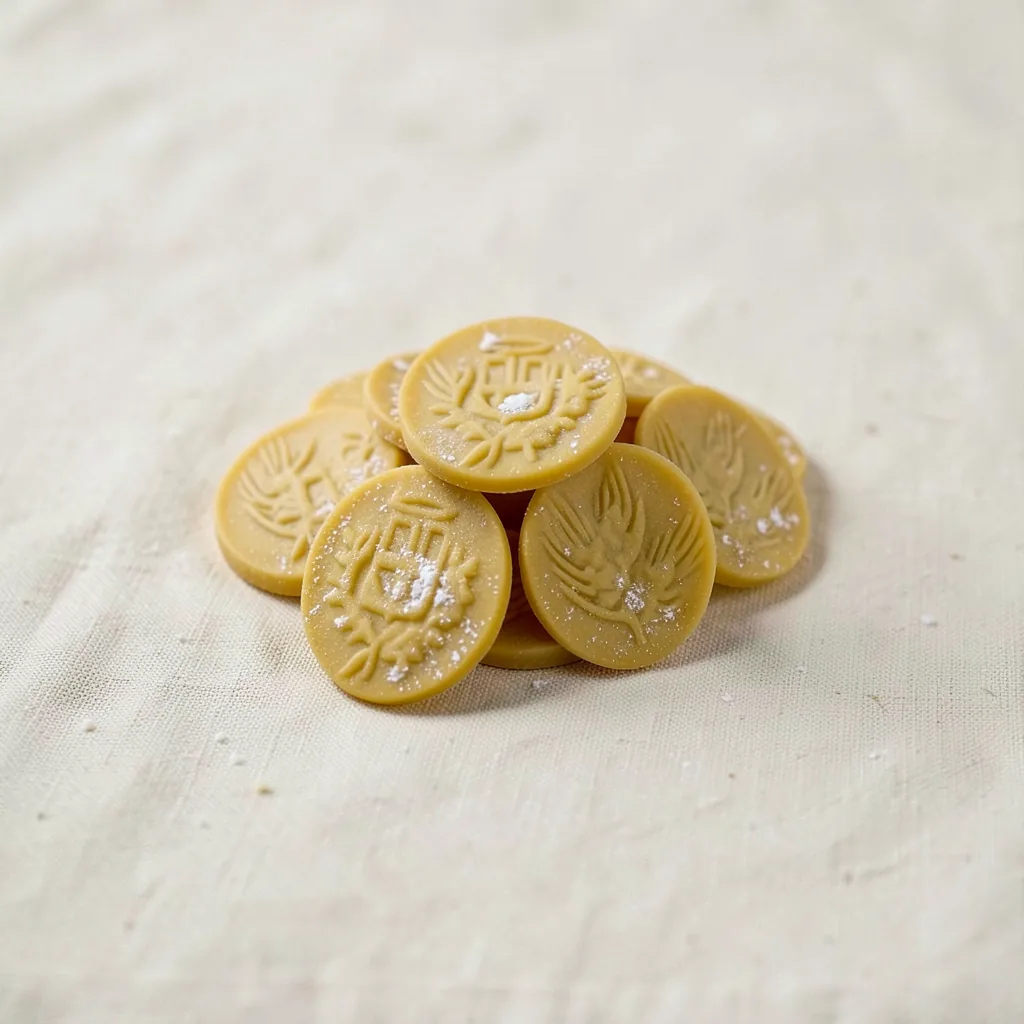
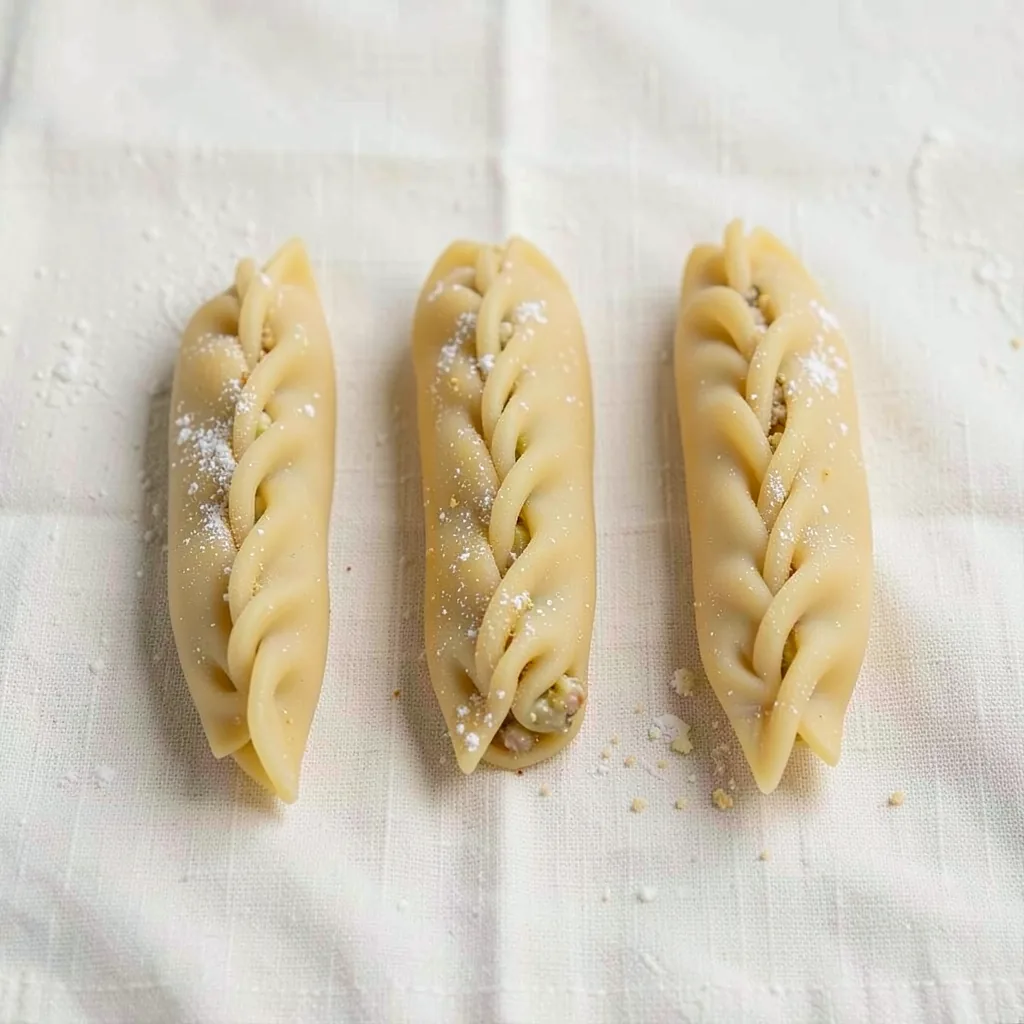
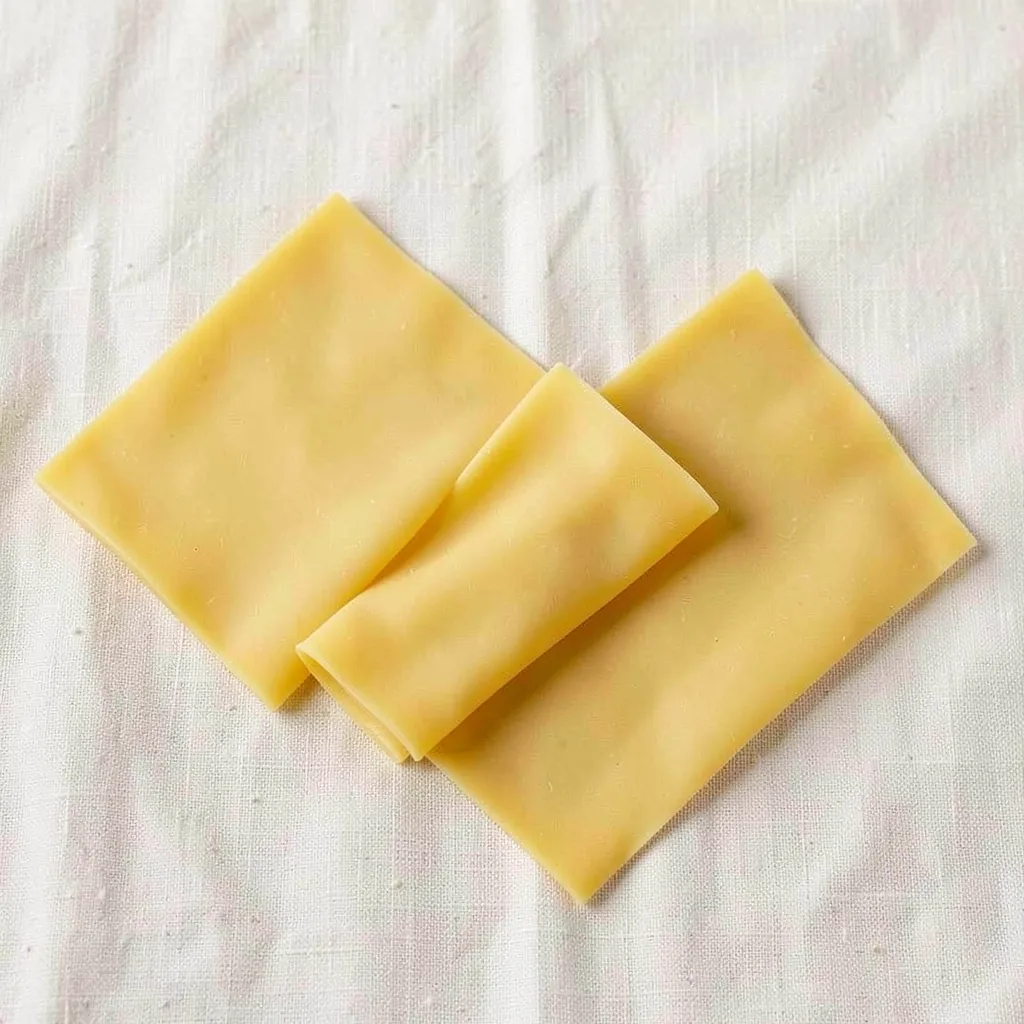
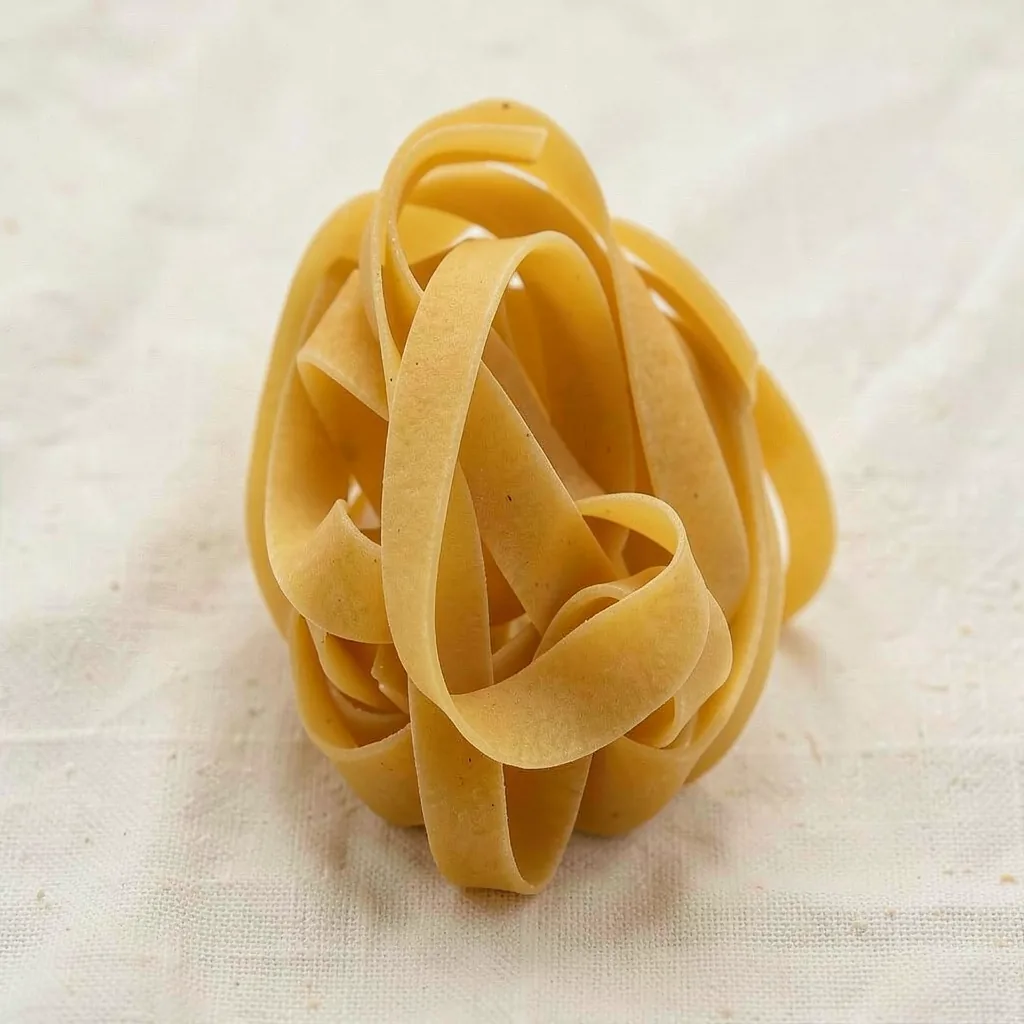
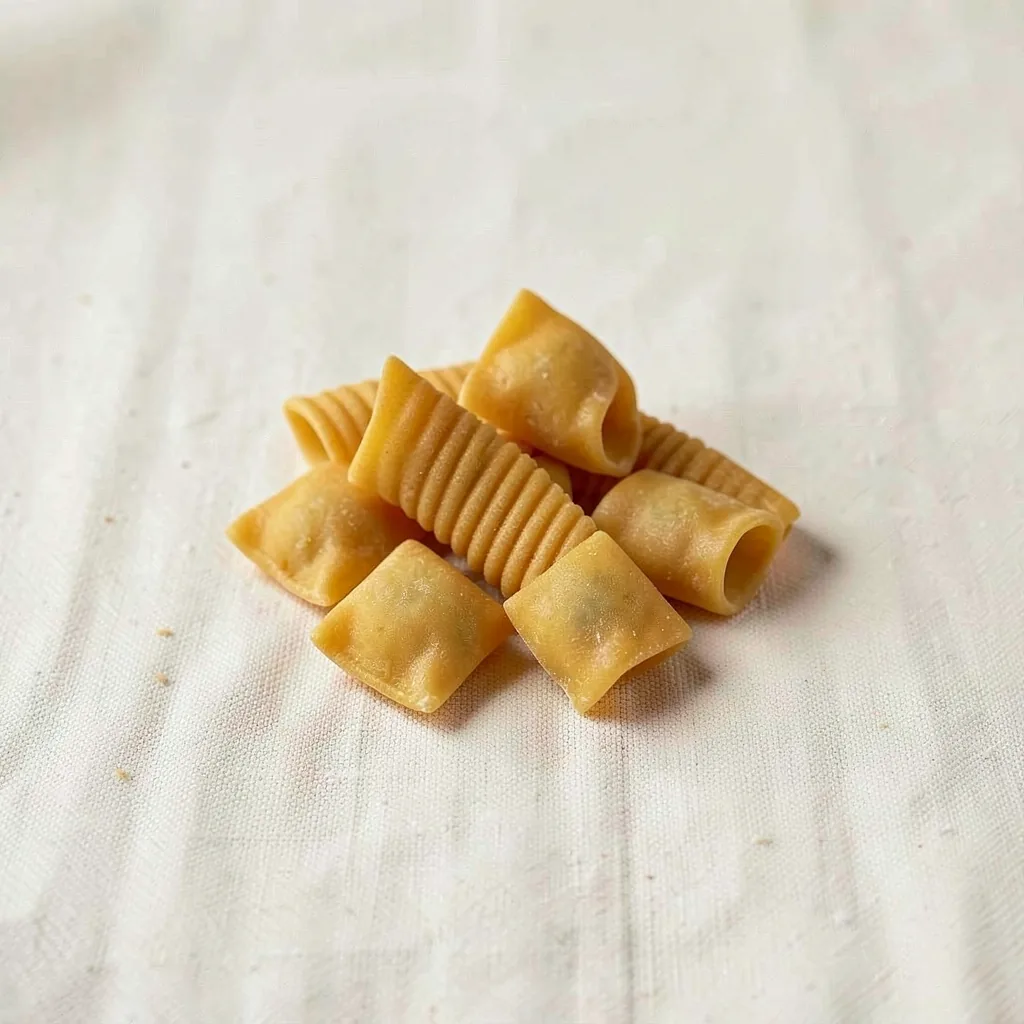
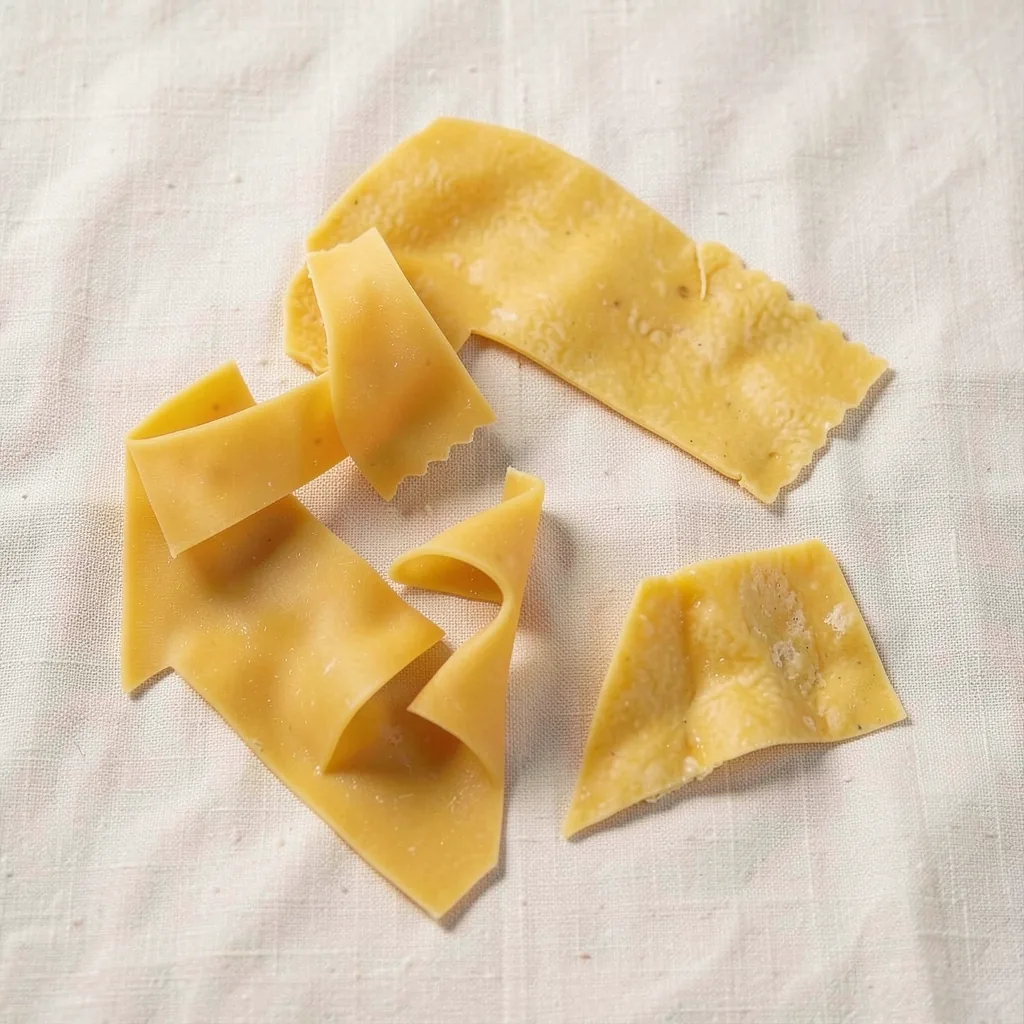
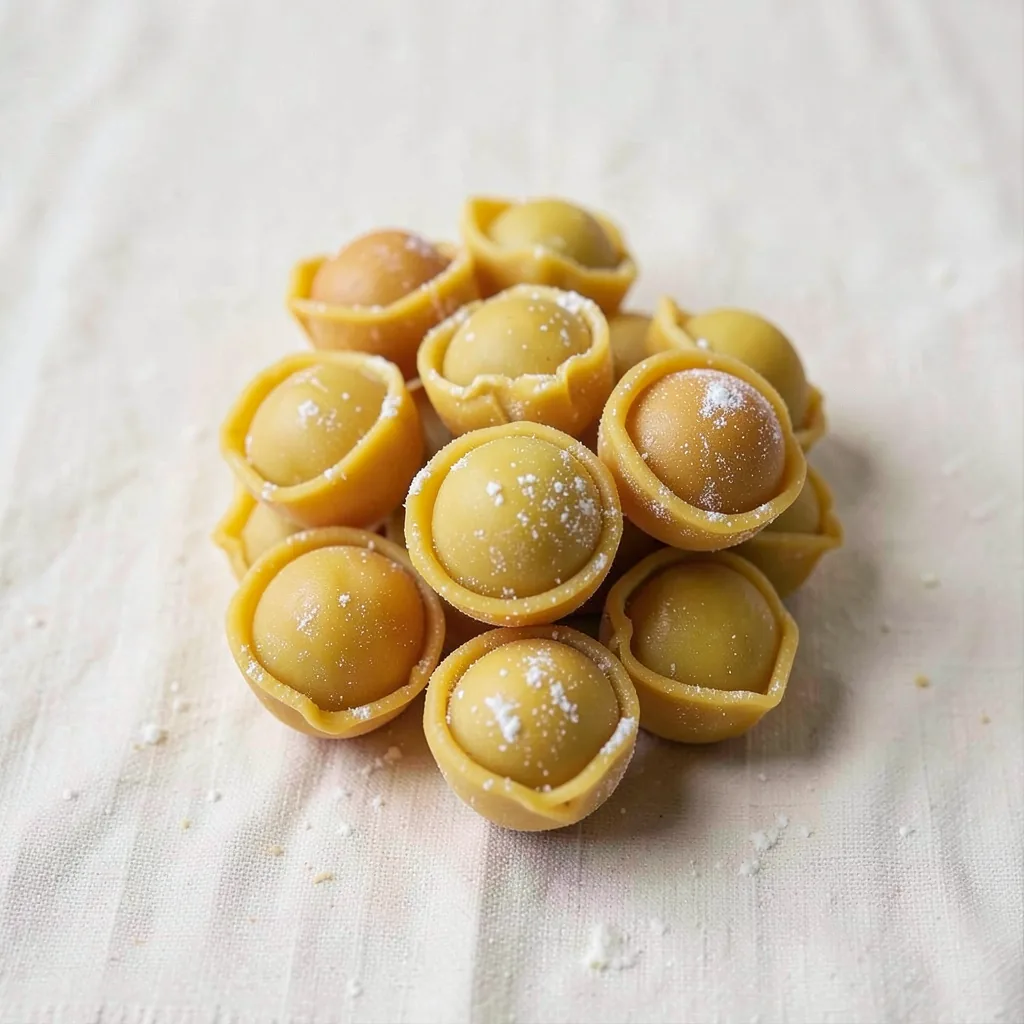
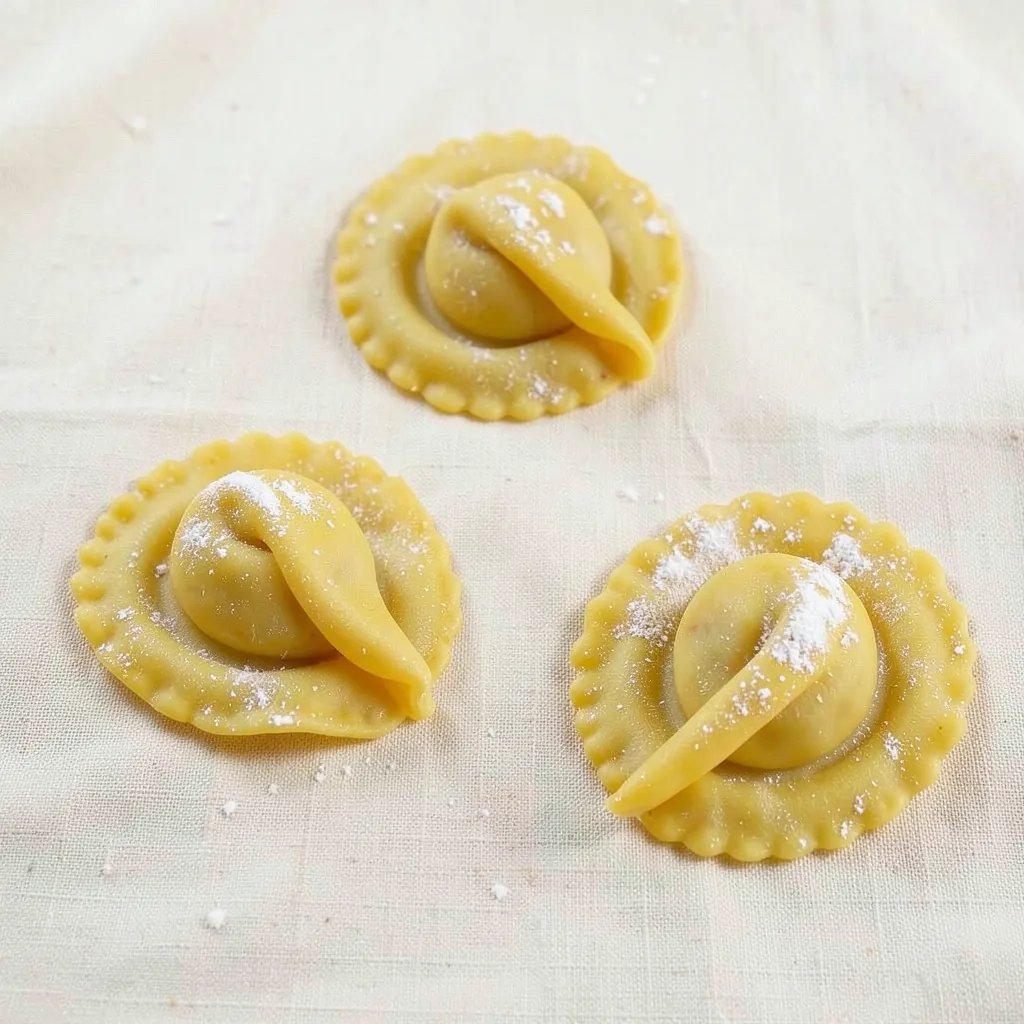
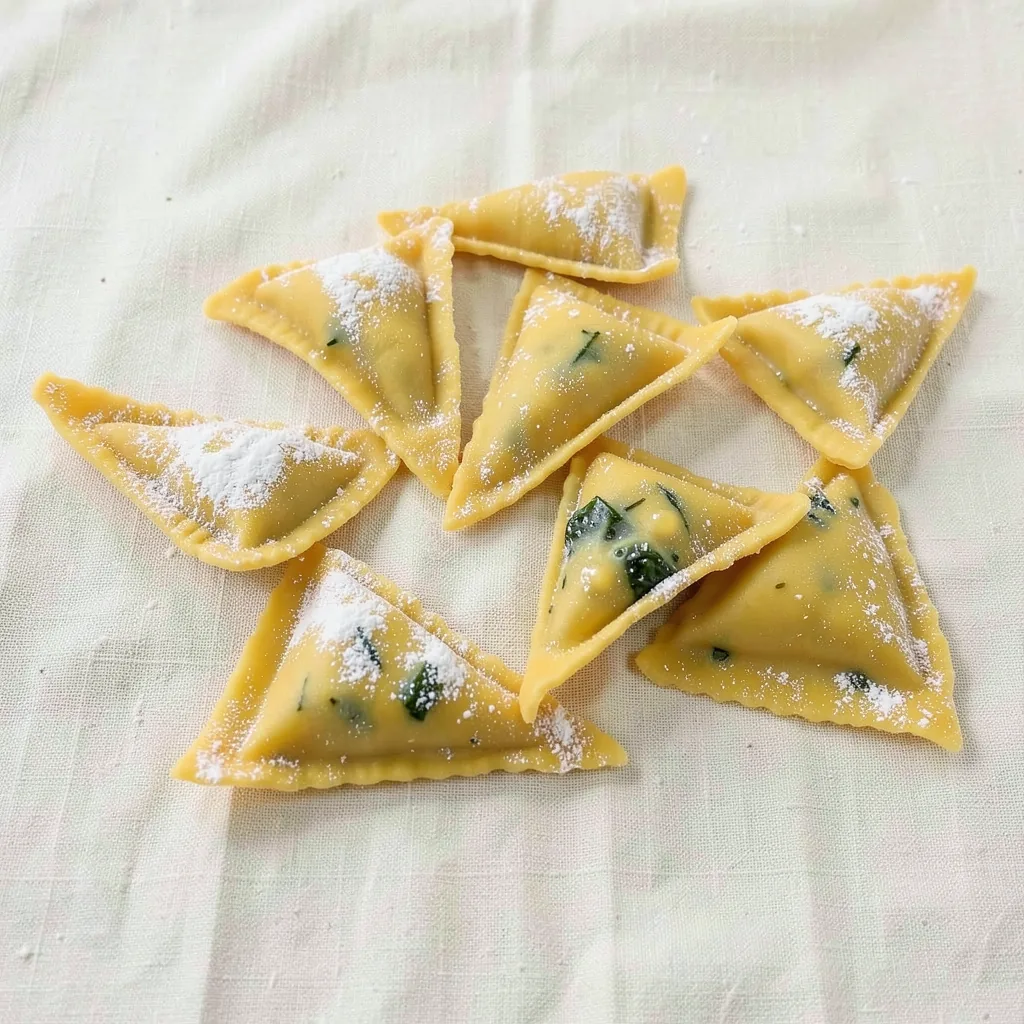
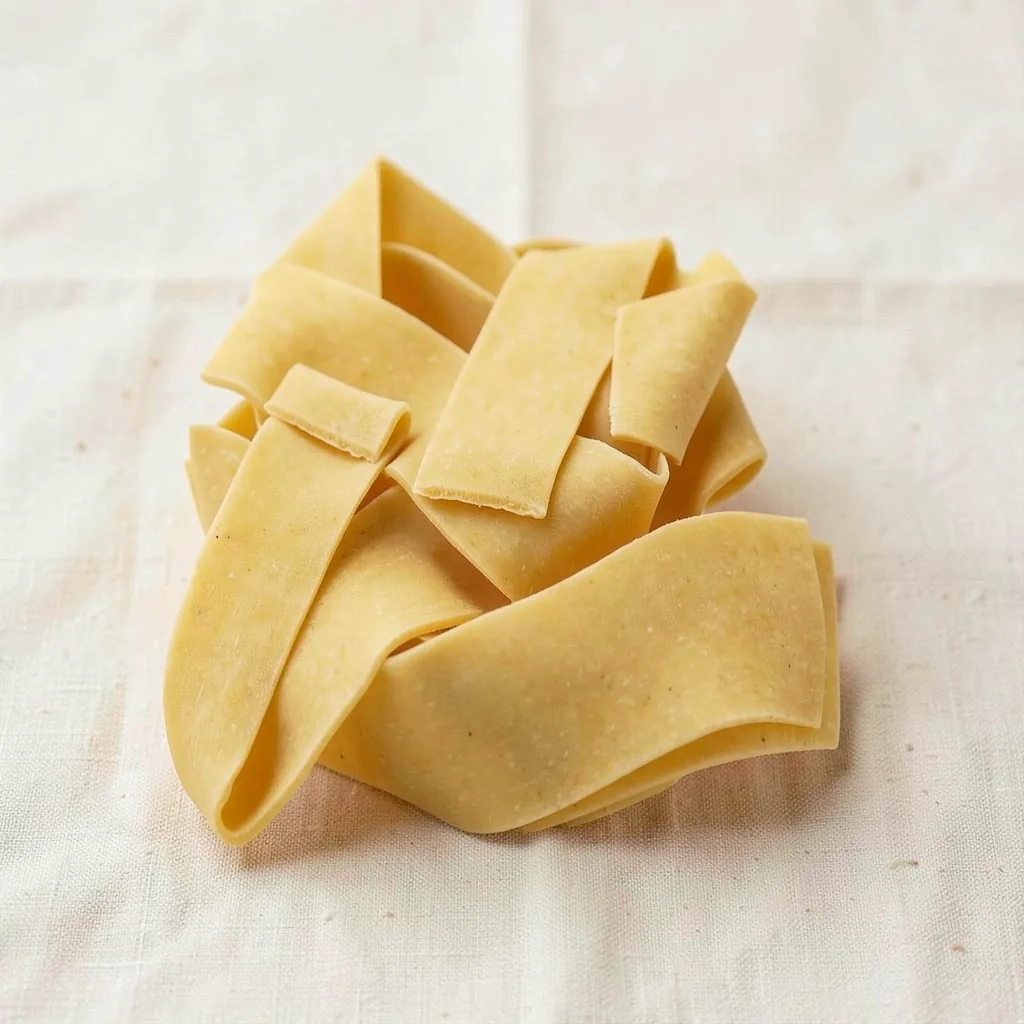
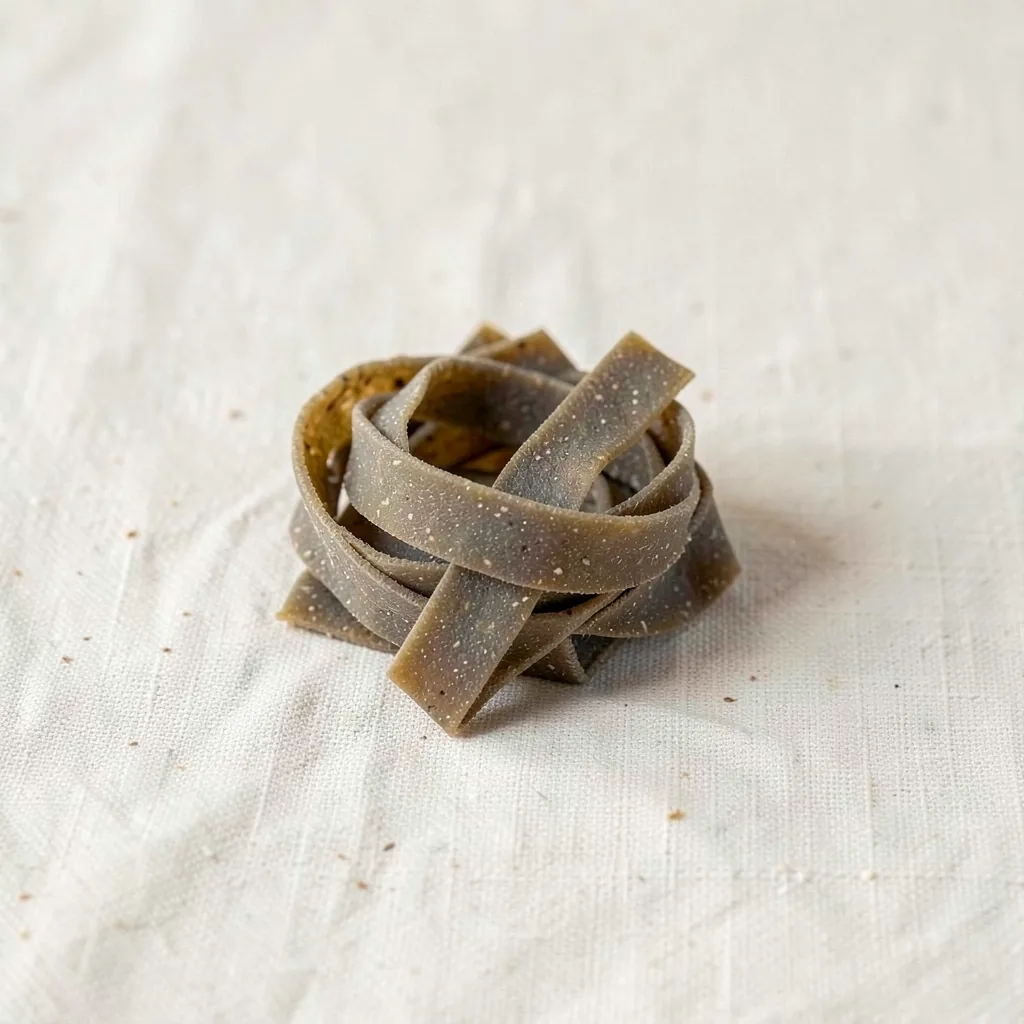
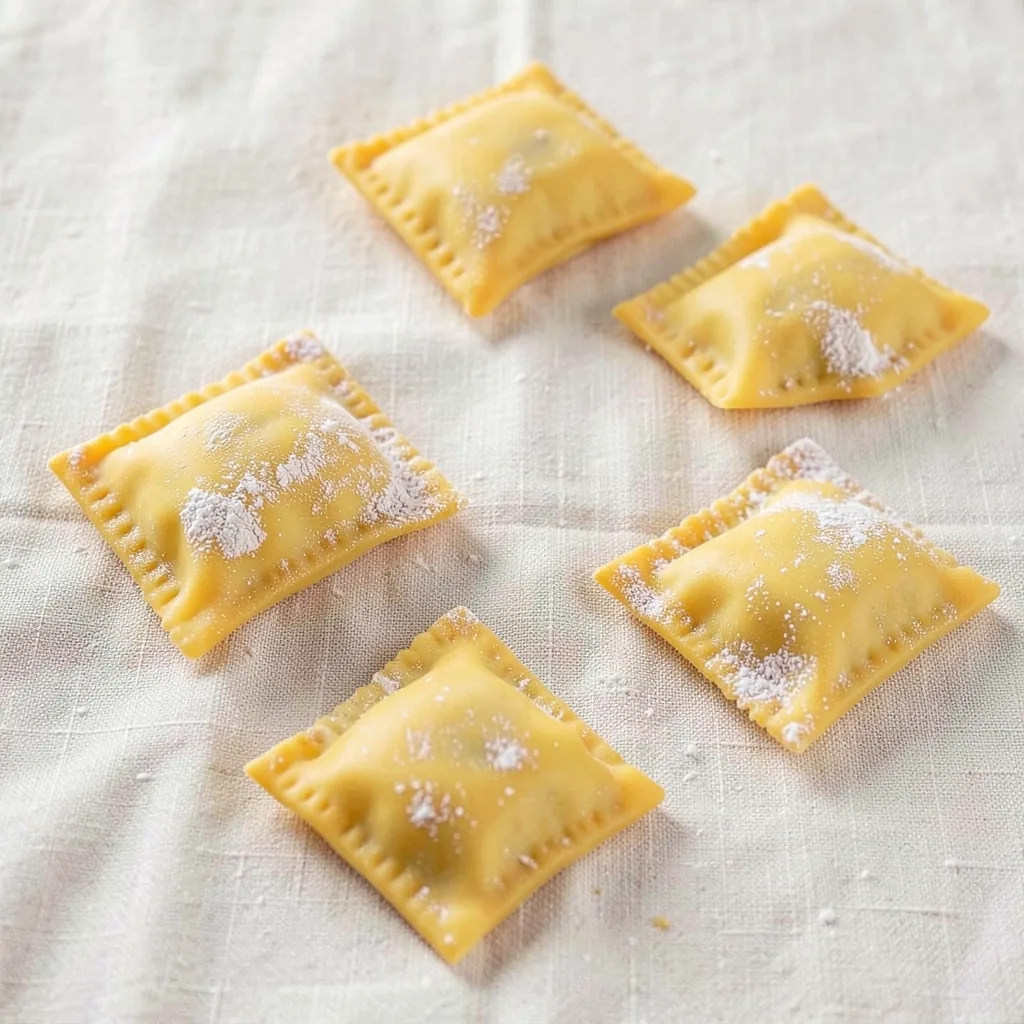
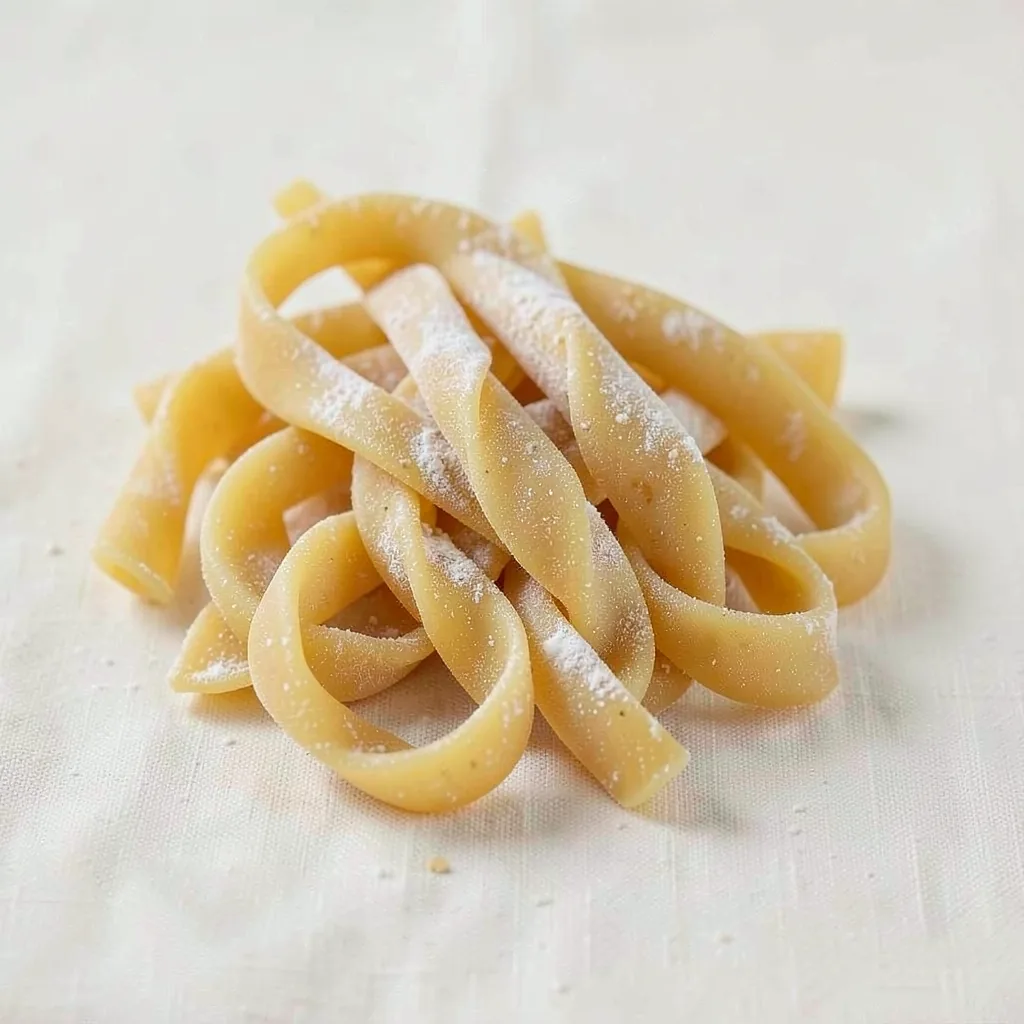
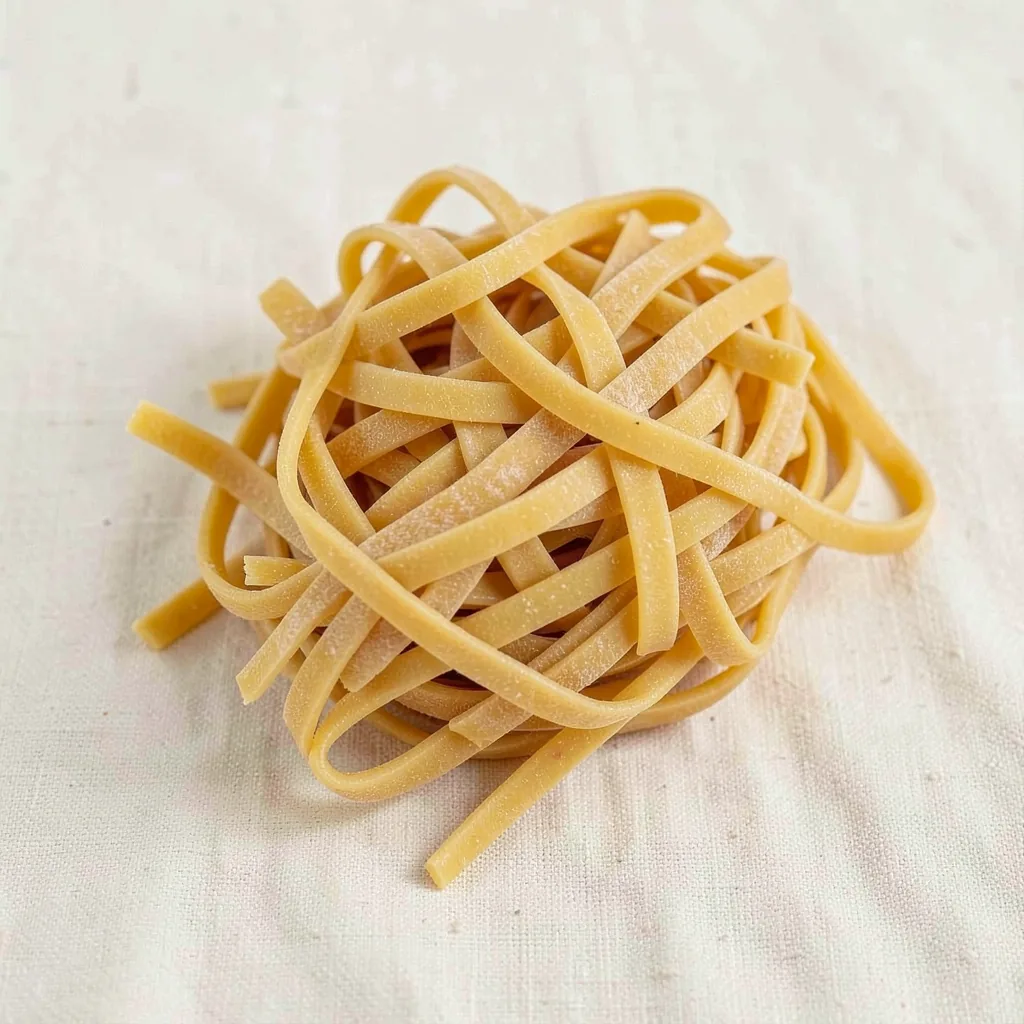
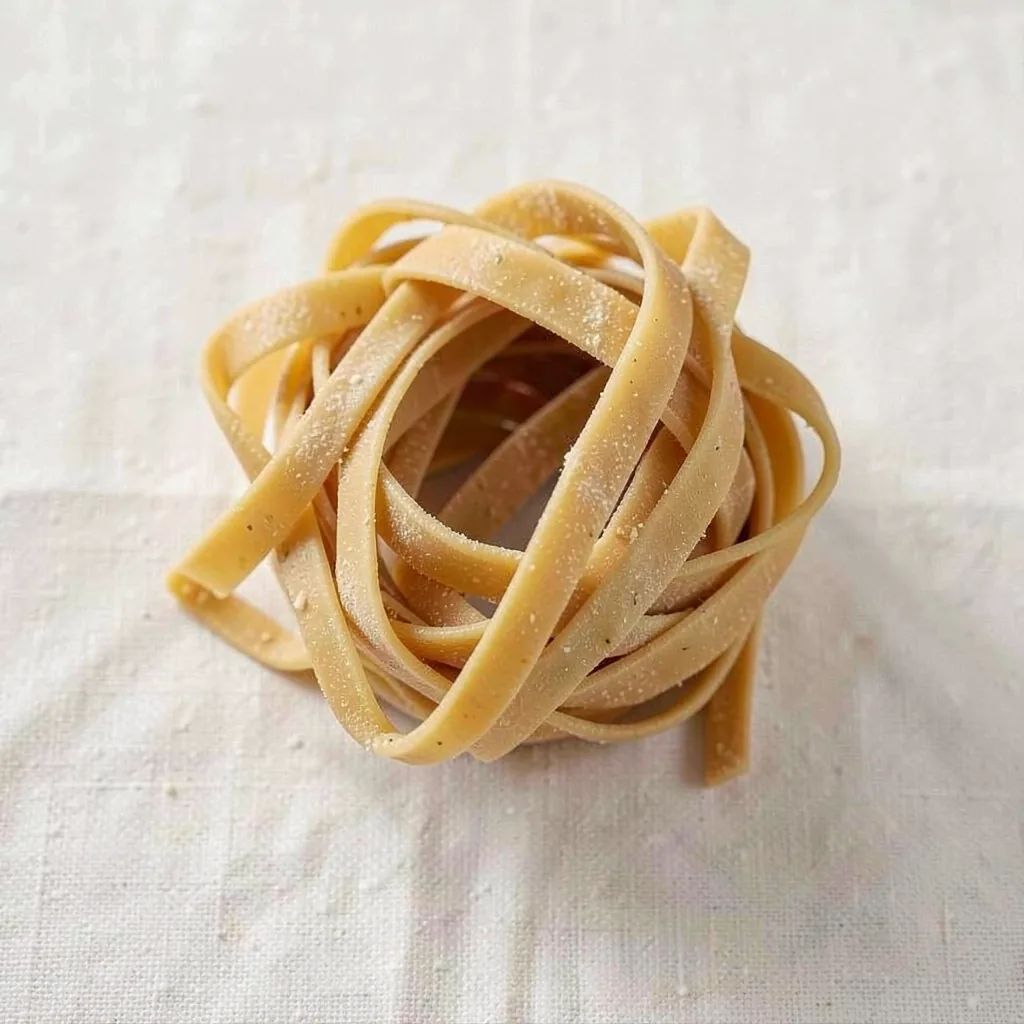
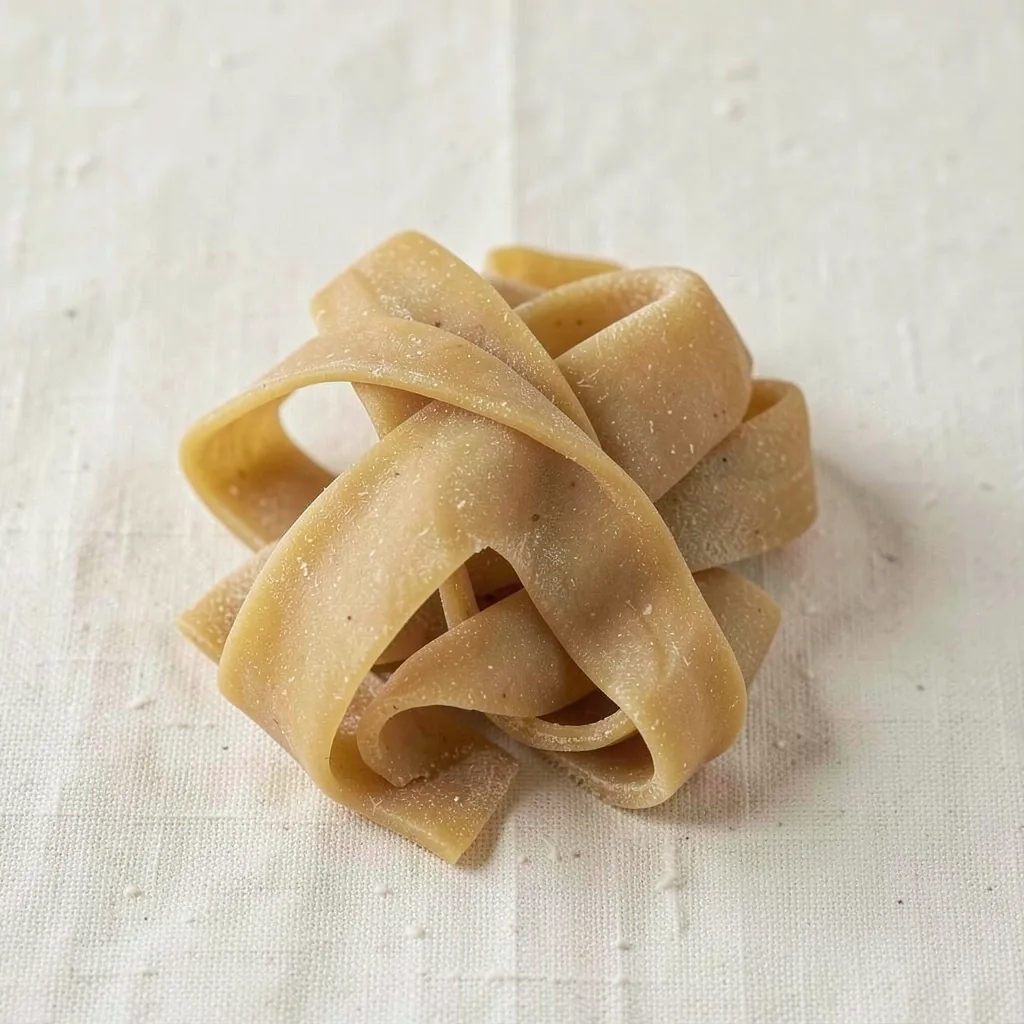
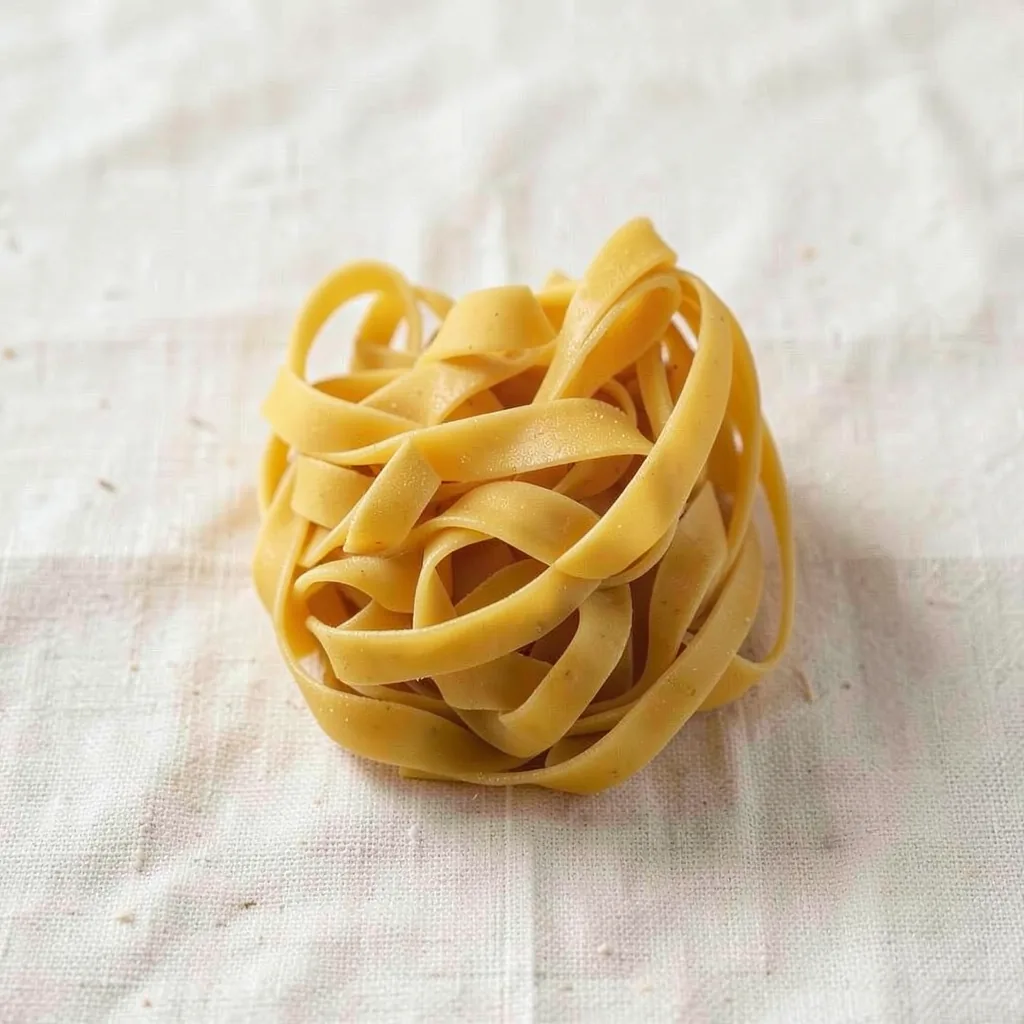
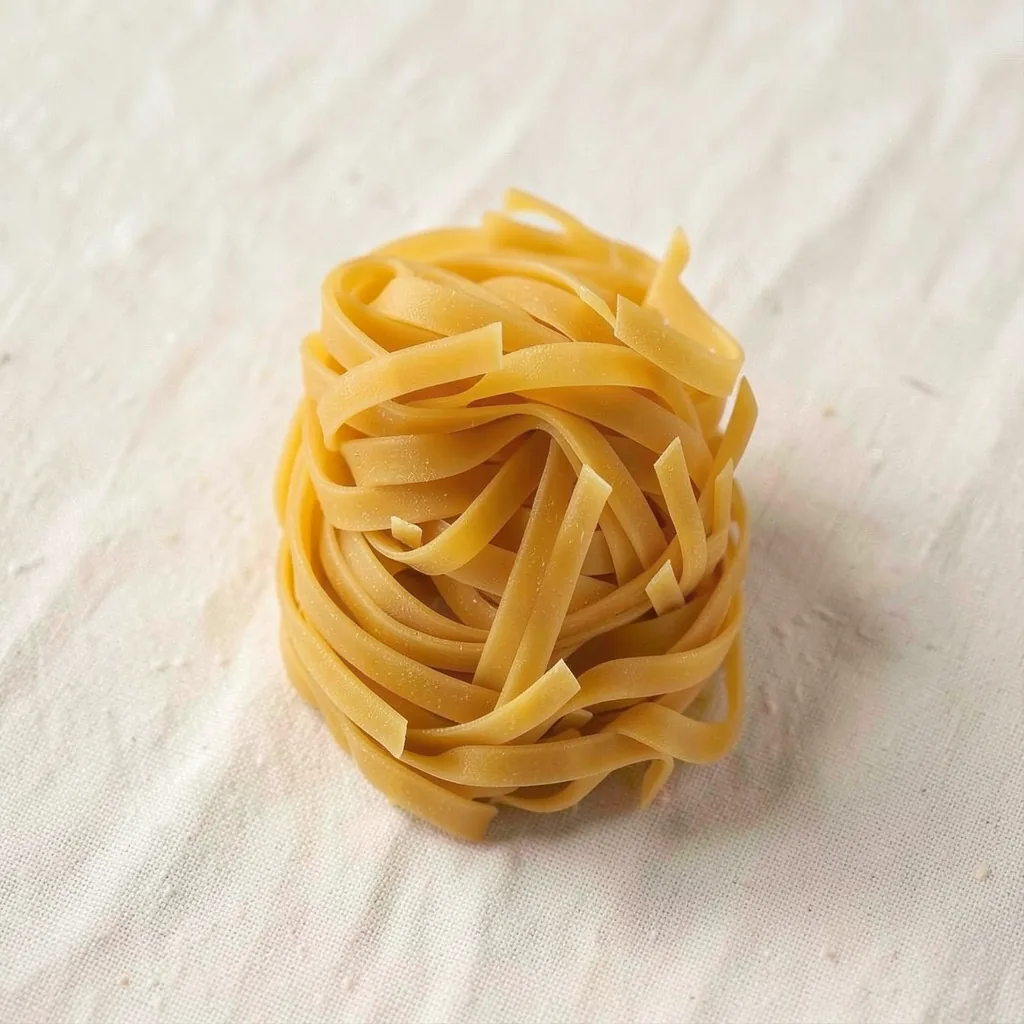
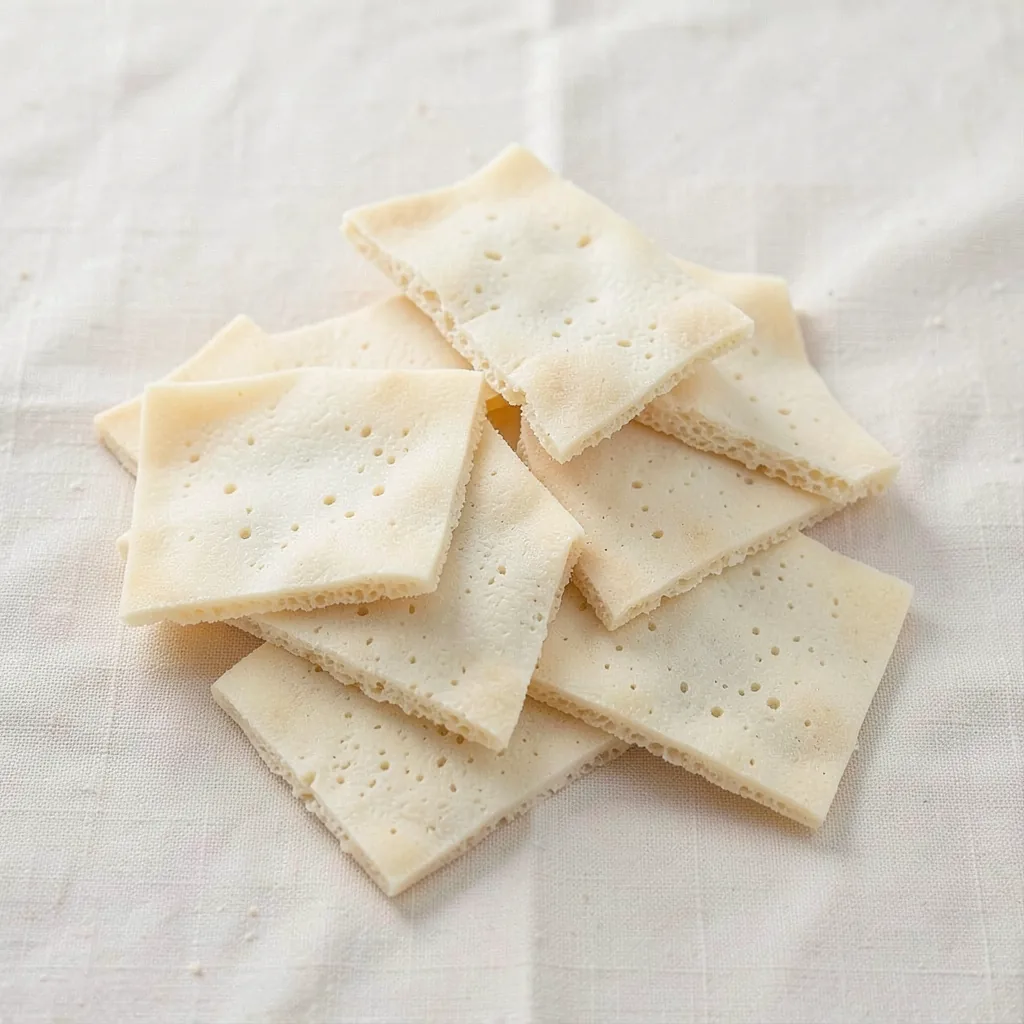
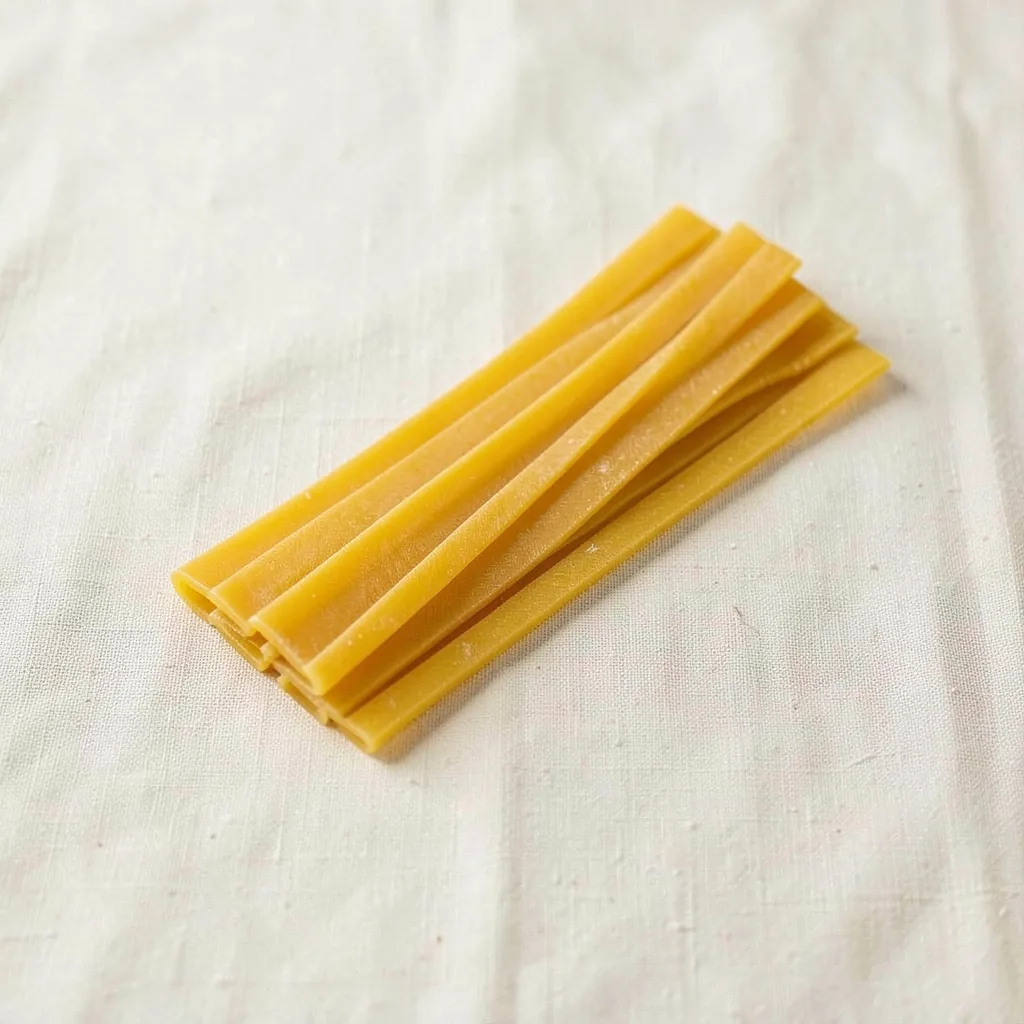
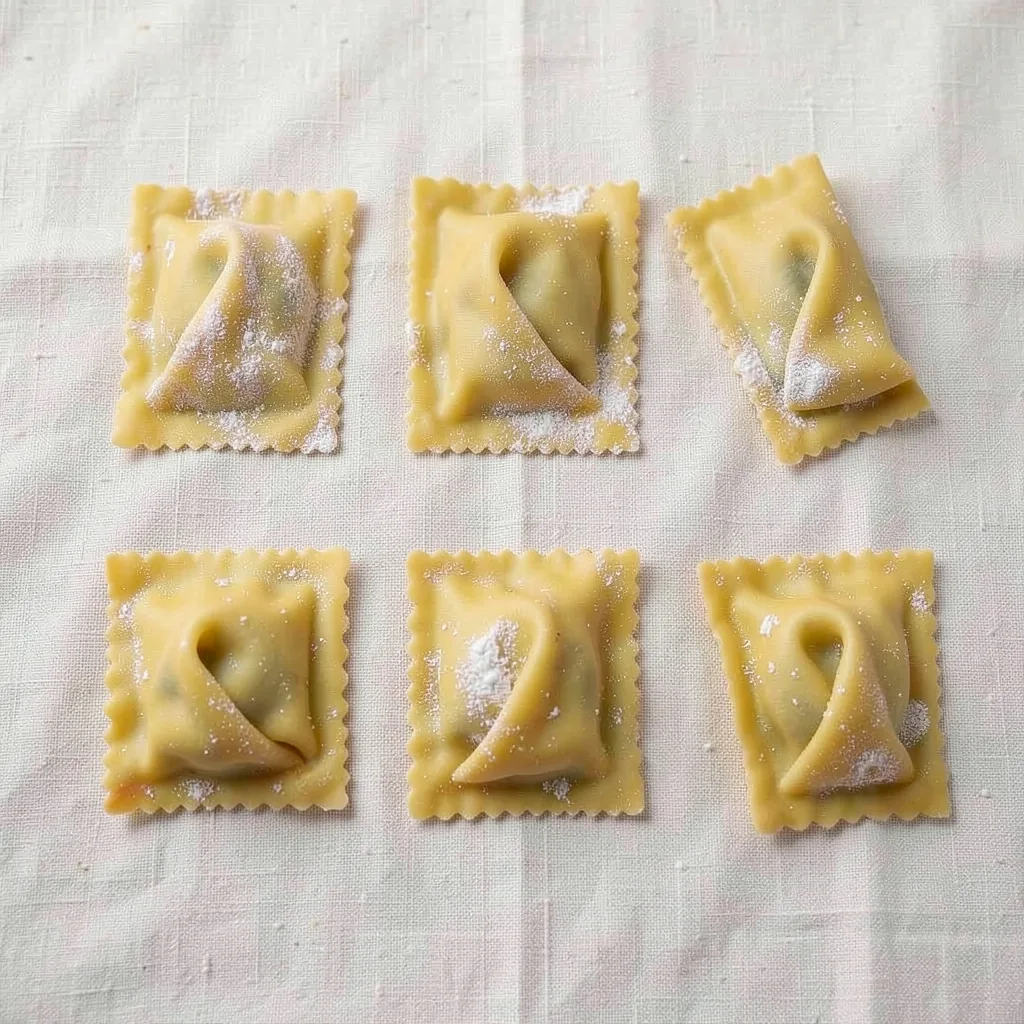
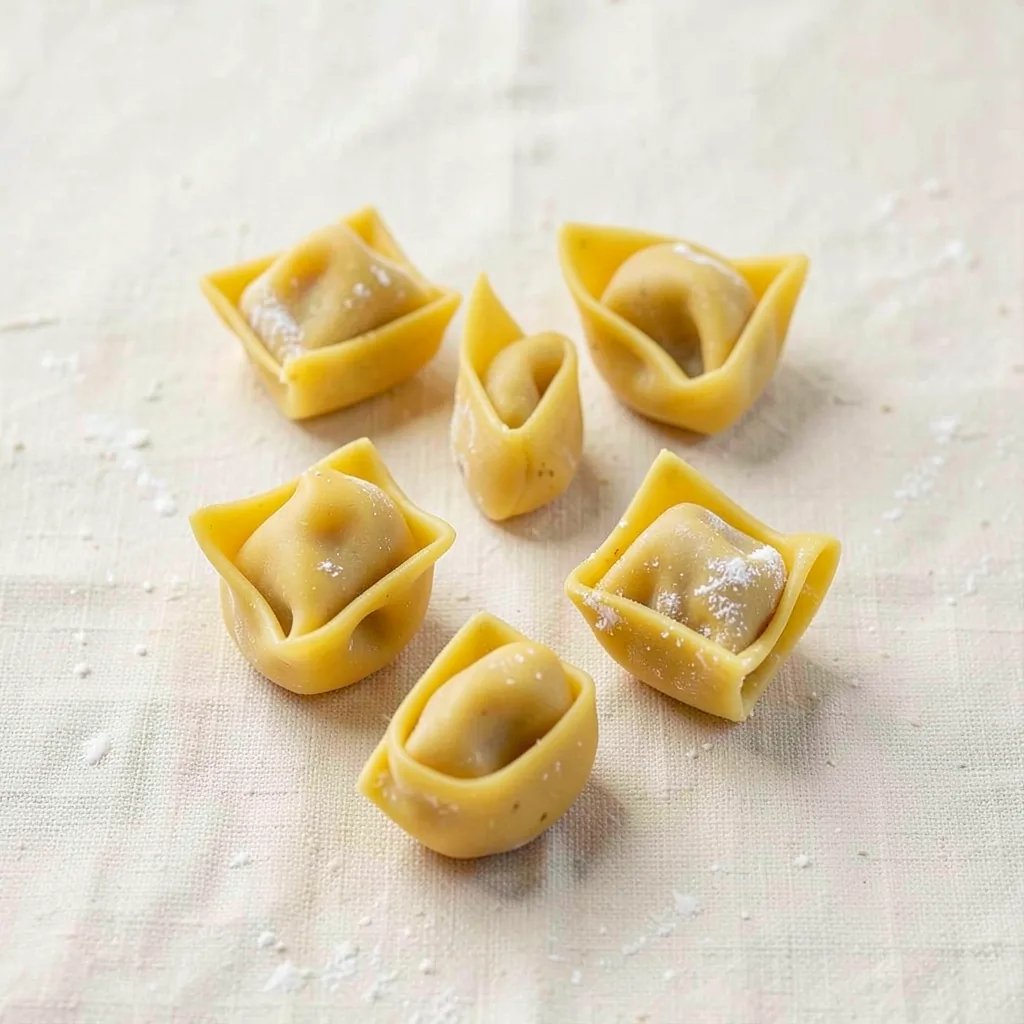
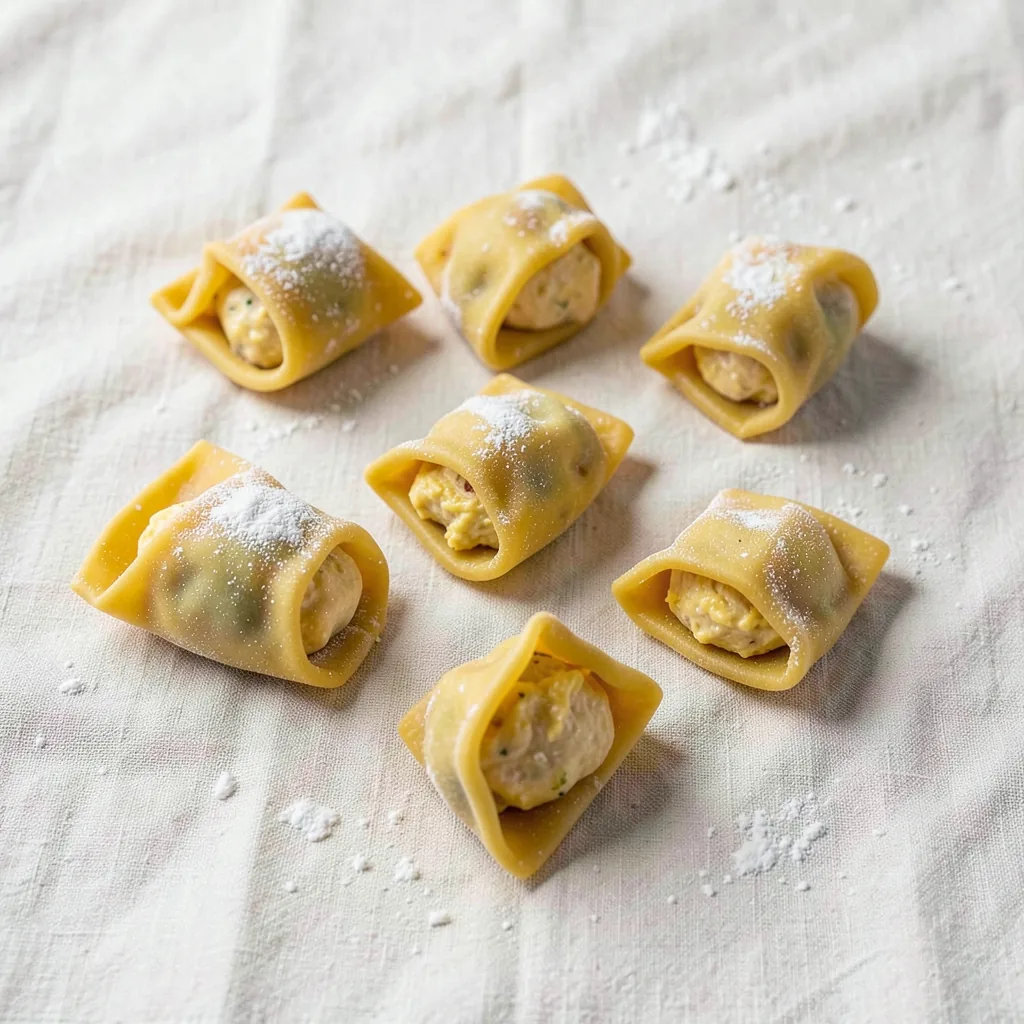
Fresh pasta is tender. It cooks in two to four minutes and it comes out soft, rich with egg, and yellow. Tagliatelle, pappardelle, the stuffed shapes, and the sheets of a Bolognese lasagne are fresh. It wants butter, cream, a light ragu, or a sauce that lets the dough show.
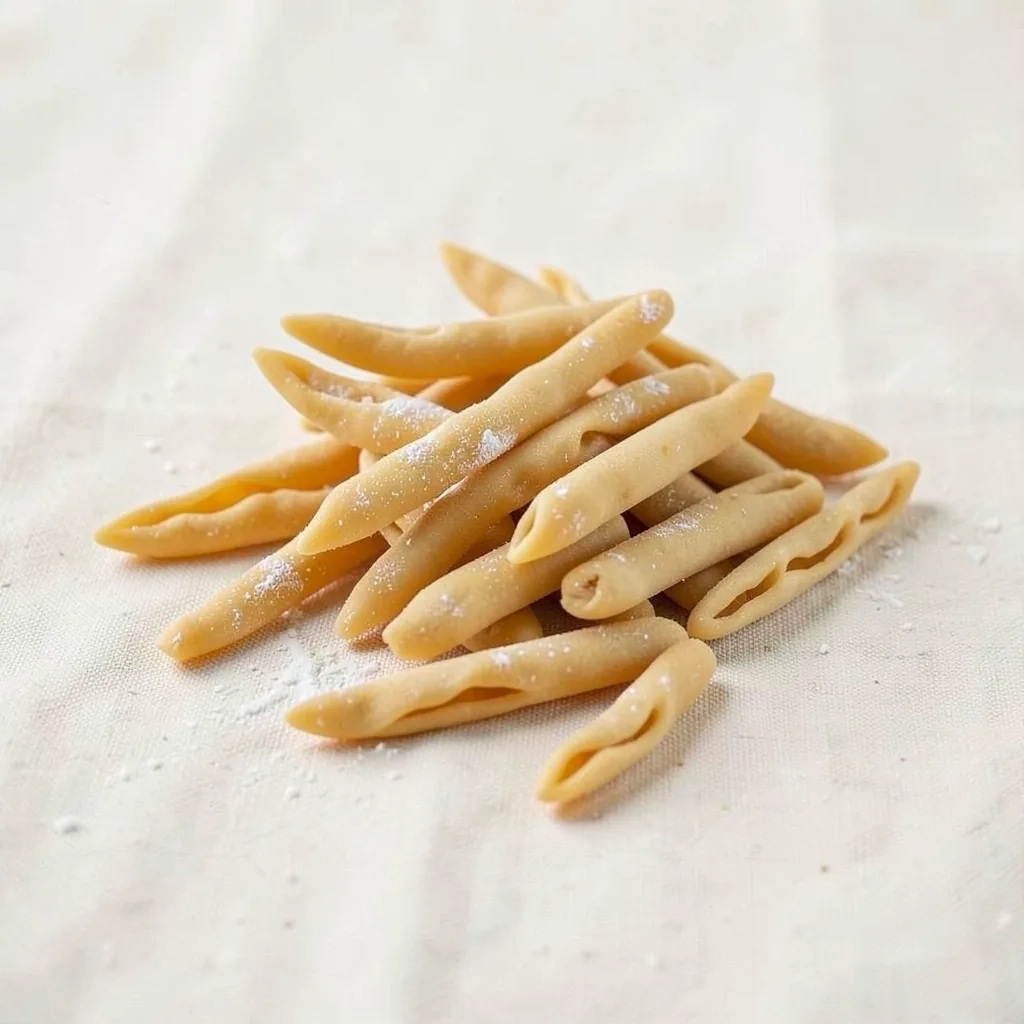
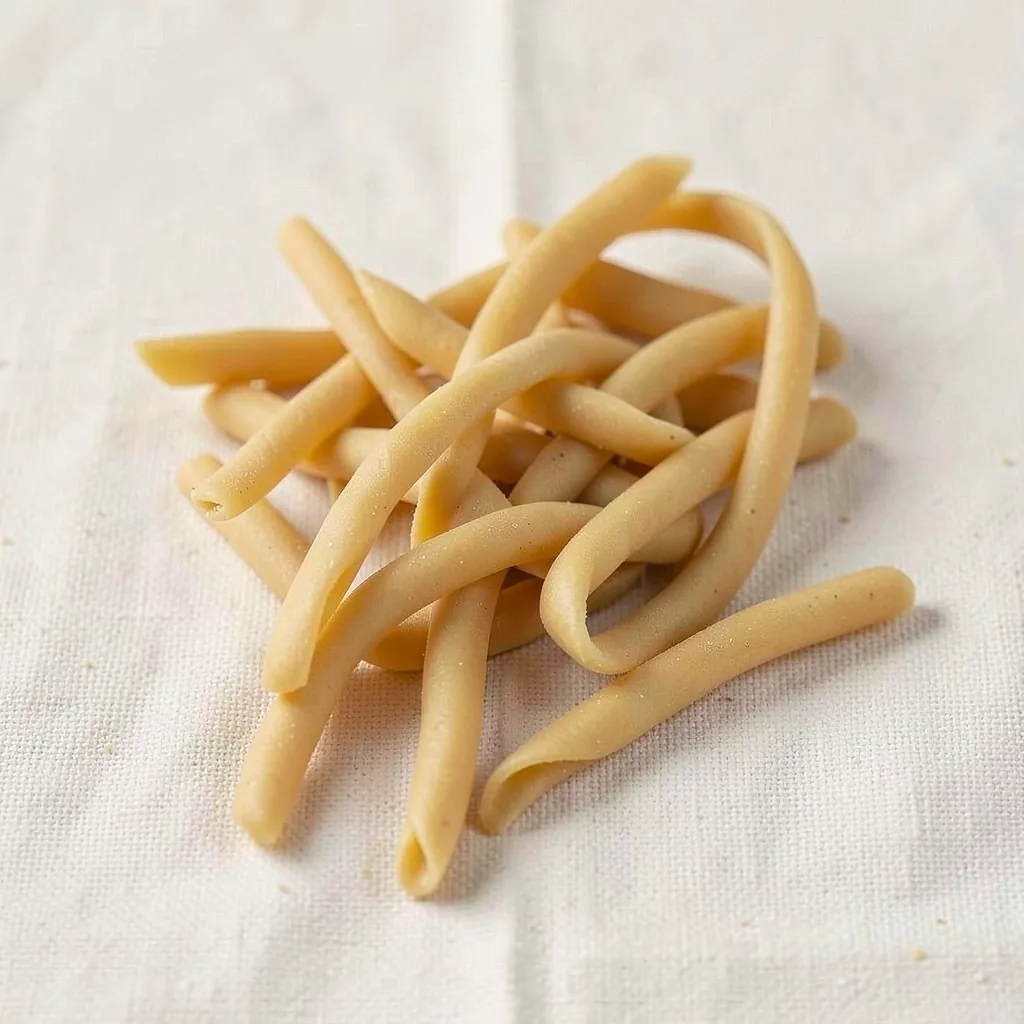
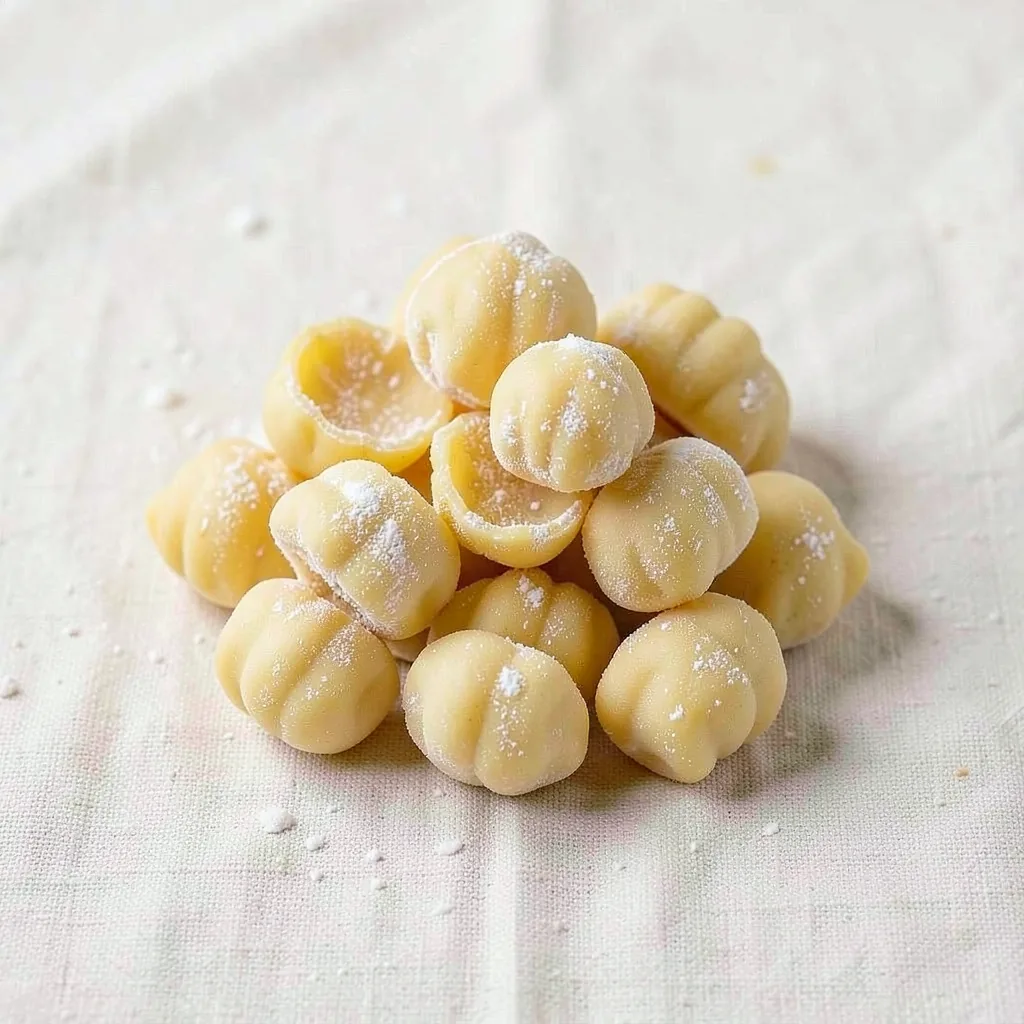
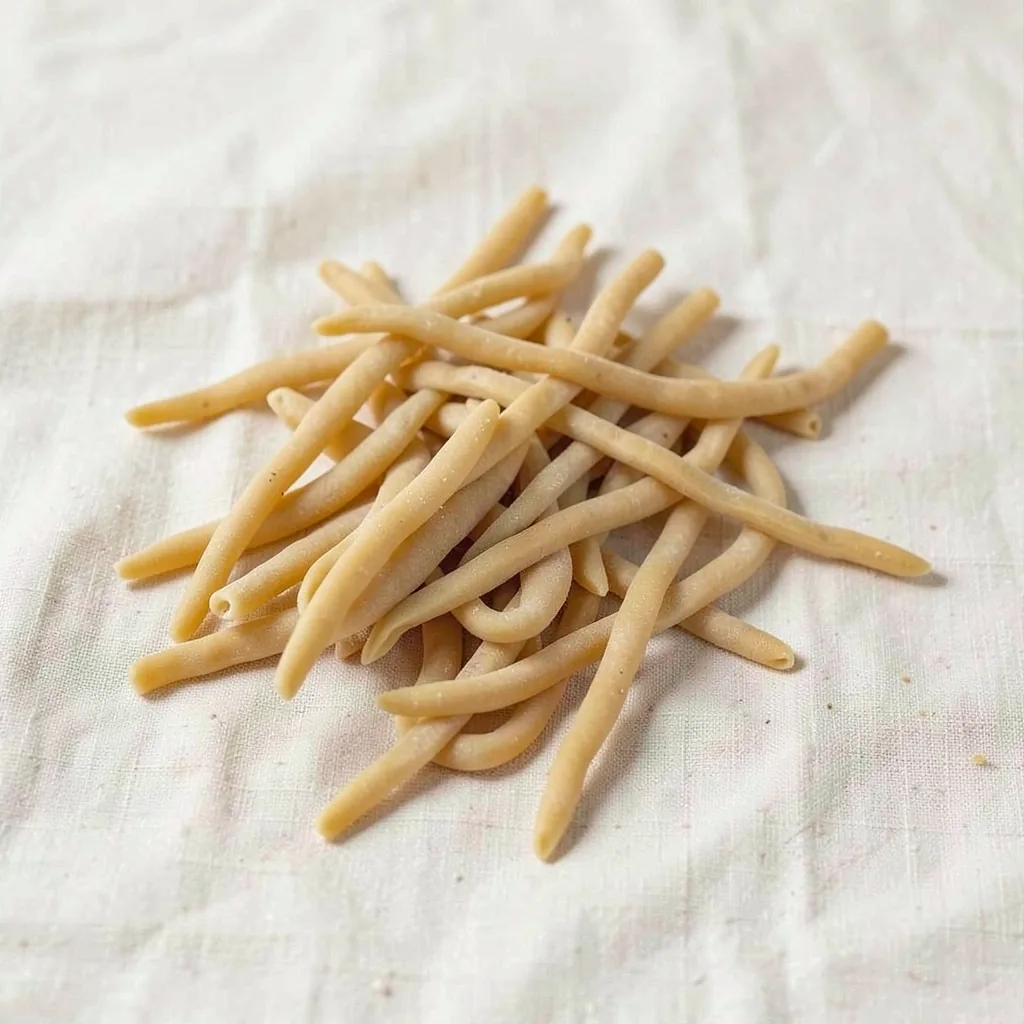
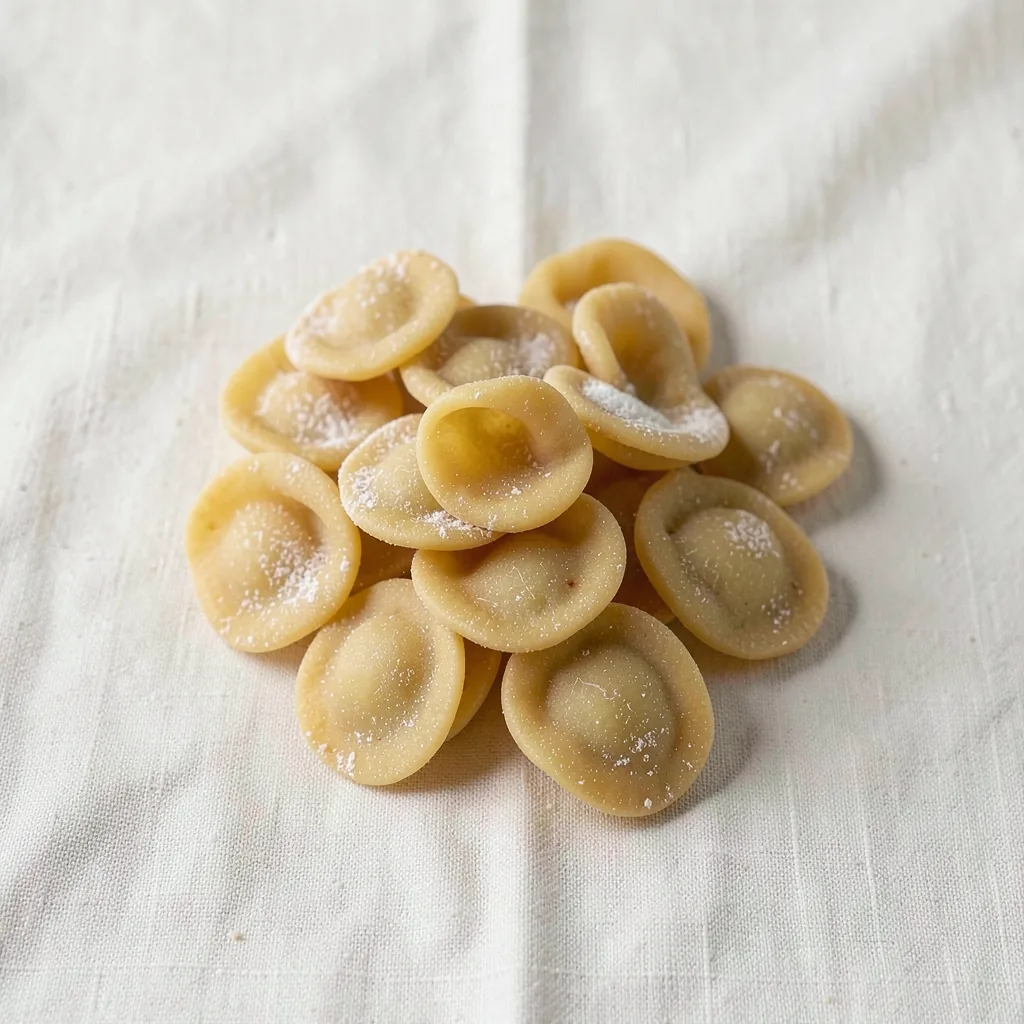
Some fresh pasta has no egg. The hand-formed shapes of the south, orecchiette, cavatelli, trofie, and pici, are semolina and water made fresh on a board and eaten the same day. They have the firmness of dried pasta with the tenderness of fresh.
Supermarket fresh pasta in a chilled pack is a third thing. It is pasteurised and often thick, and it cooks softer than either homemade fresh or good dried. It is convenient. It is not the pasta the north makes at home.
The rule for the cook: match the sauce to the dough. A Bolognese ragu on fresh tagliatelle. A tomato sauce on dried spaghetti. Butter and sage on fresh ravioli. A baked dish with dried rigatoni. Swap them and the plate is still edible, but it is not the dish.
Sources