Pici vs Stringozzi
Pici is fat irregular hand-rolled strand. Stringozzi is thick square-cut water-and-flour strip.
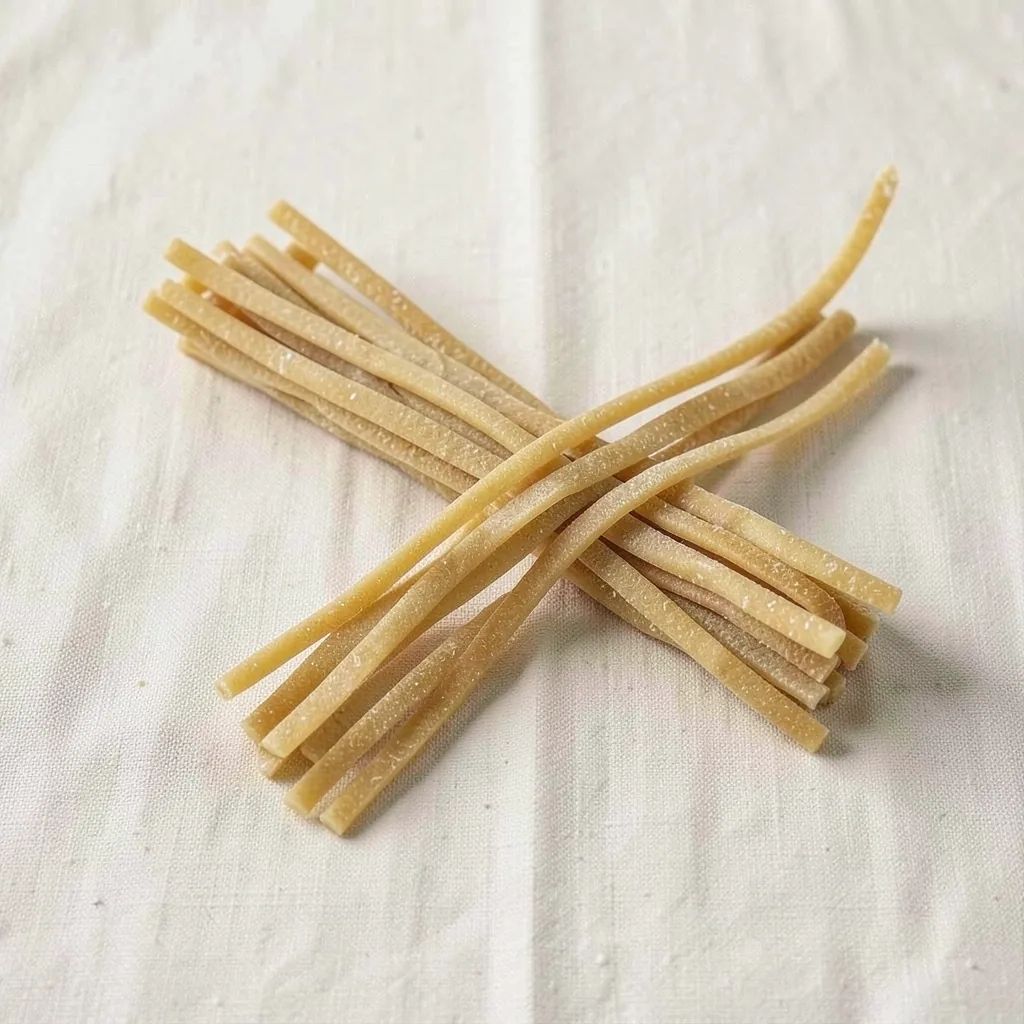
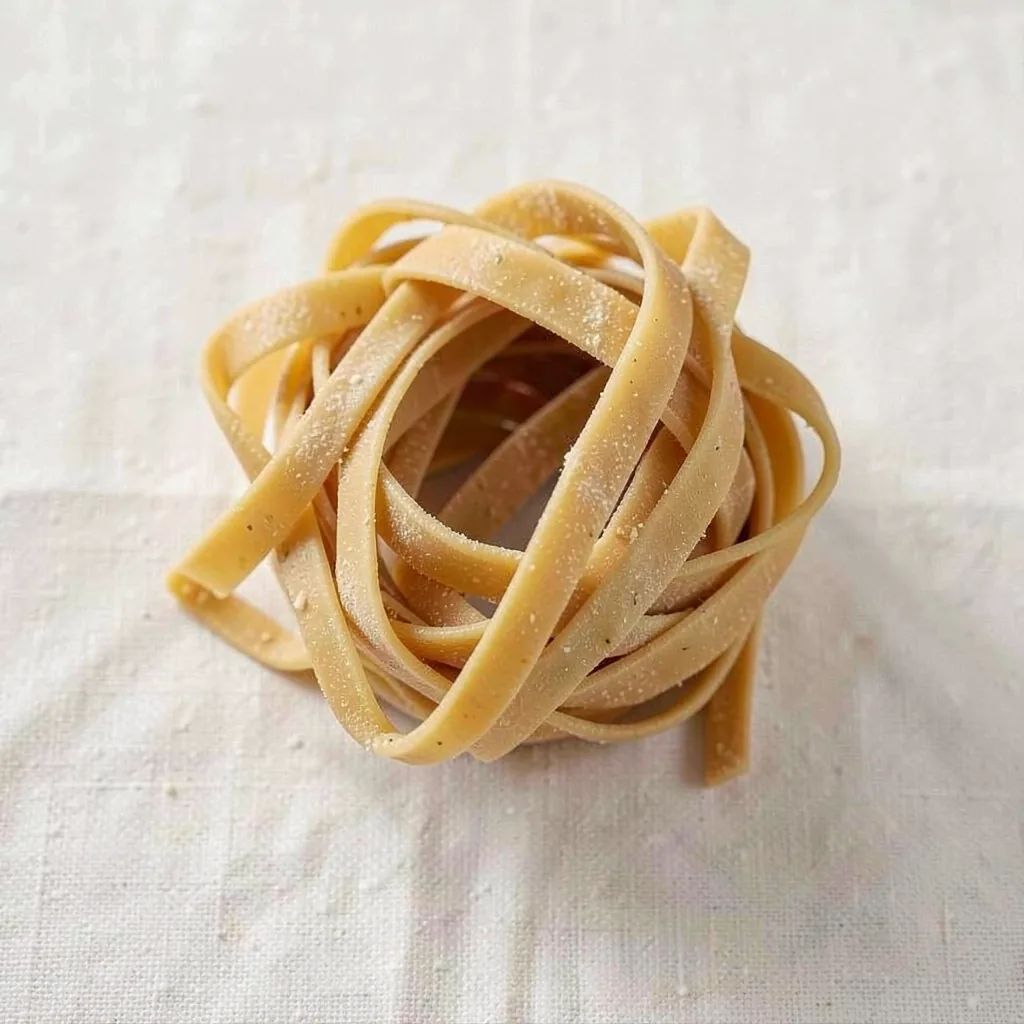
Side by side, to scale
10 mmPici: 200 to 350 mm by 3 to 5 mm
Stringozzi: 200 to 300 mm by 3 to 5 mm
Footprints from the length and width in each record, one scale for both. See every shape on the chart.
| Family | Long strands | Ribbons |
|---|---|---|
| Region | Tuscany | Umbria |
| Section | Fat irregular hand-rolled strand | Thick square-cut water-and-flour strip |
| Length | 200 to 350 mm | 200 to 300 mm |
| Width or diameter | 3 to 5 mm | 3 to 5 mm |
| Wall or thickness | not measured | 3 to 5 mm |
| Surface | Rough | Rough |
| Hollow | No | No |
| Dough | Semolina and water | Semolina and water |
| Cook time | 4 to 8 min | 4 to 8 min |
| Energy, dry, per 100 g | 371 kcal (dry semolina pasta) | 371 kcal (dry semolina pasta) |
| Protein, dry, per 100 g | 13.0 g | 13.0 g |
| Pairs with | Wild boar ragu, Pomodoro, Aglio e olio, Meat ragu | Aglio e olio, Pomodoro, Sausage ragu, Porcini |
Pici
Thick, rough, and chewy, pici needs a sauce with force: garlic and tomato, breadcrumbs fried in oil, a game ragu. A delicate sauce disappears against the mass of the pasta.
Stringozzi
Rough and thick, so it holds an oily truffle paste or a garlic and tomato sauce without help. Heavy enough for a sausage ragu.
Can you swap them?
Pici for stringozzi: yes, the Tuscan hand-rolled equivalent.
Both take Pomodoro, Aglio e olio.
Only pici: Wild boar ragu, Meat ragu.
Only stringozzi: Sausage ragu, Porcini.
Sources
- Dimensions, surface, dough, and cook time: each shape page names the brand page, spec sheet, or measured box behind every figure.
- Energy and protein: USDA FoodData Central, per 100 g of the dough, public domain.