Picchiarelli
Slightly longer than cavatelli.
What it is
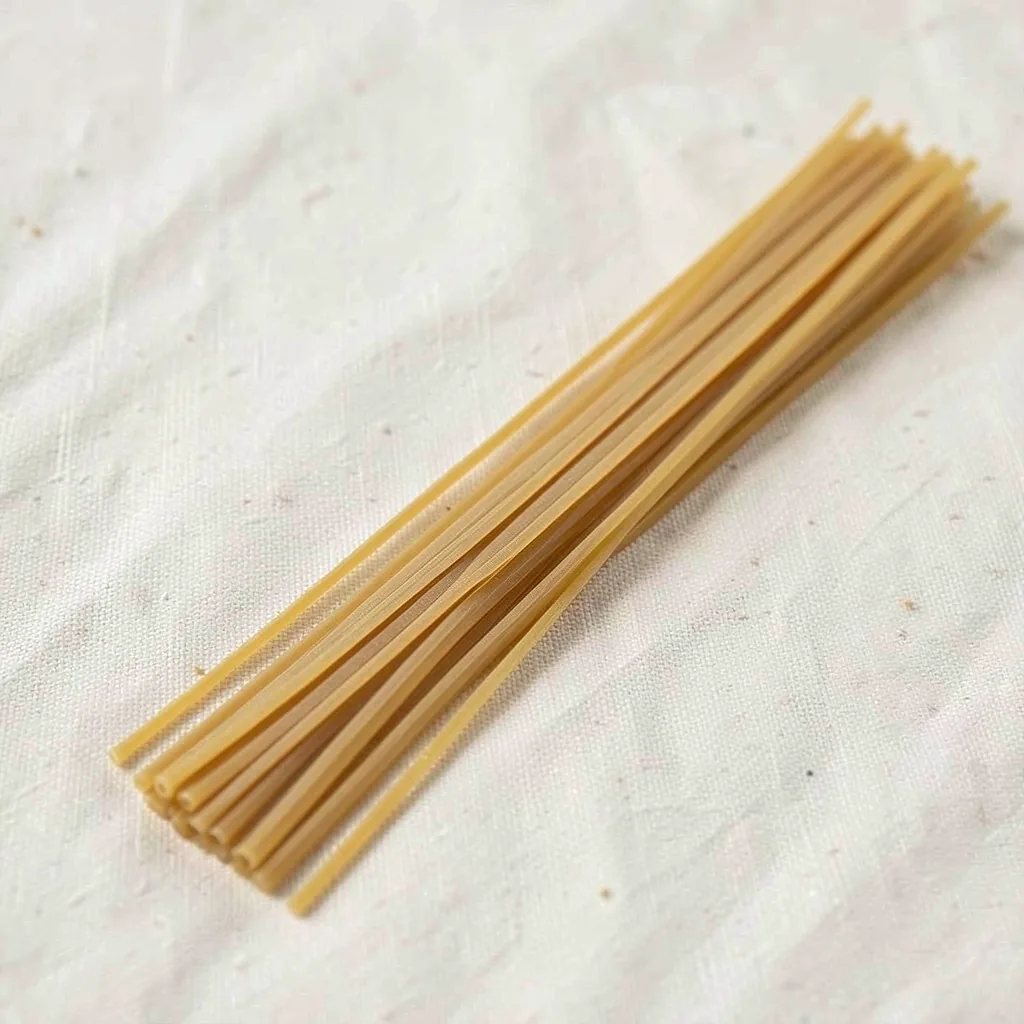
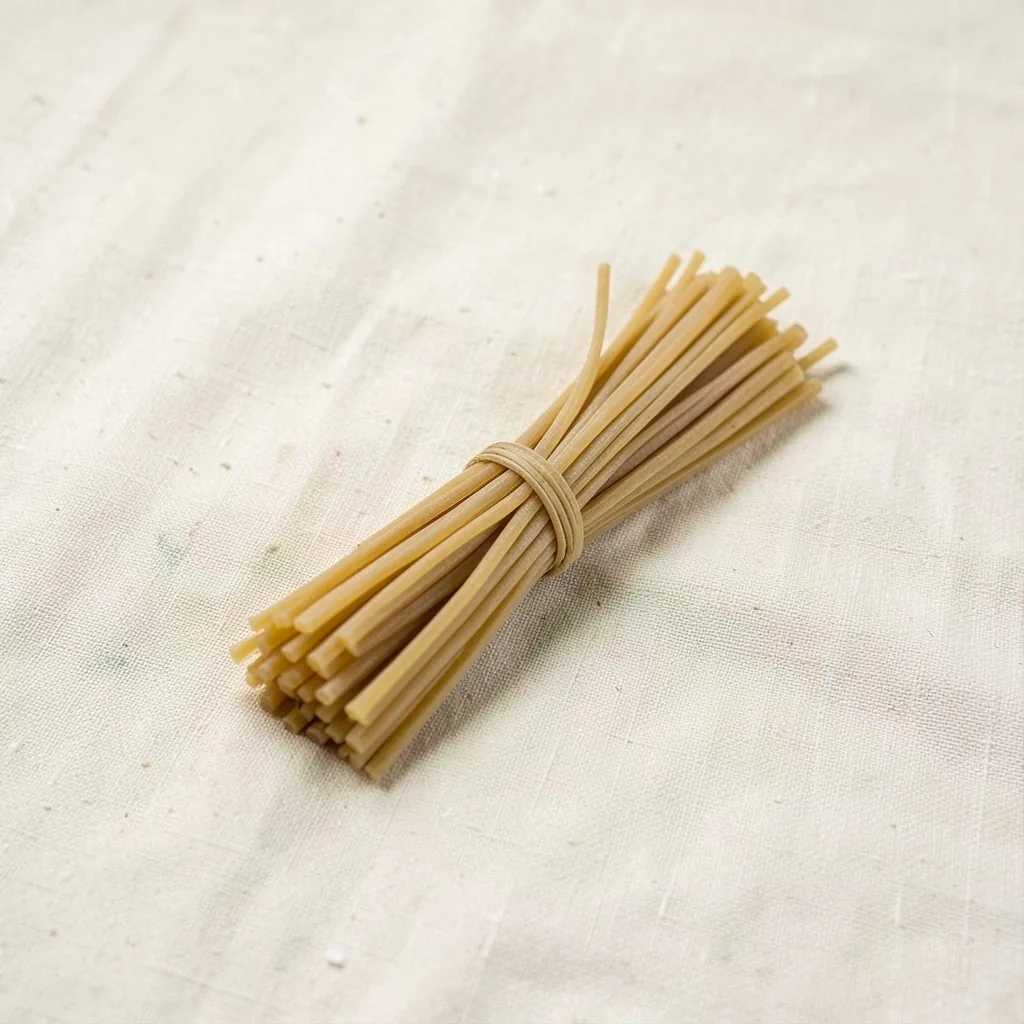
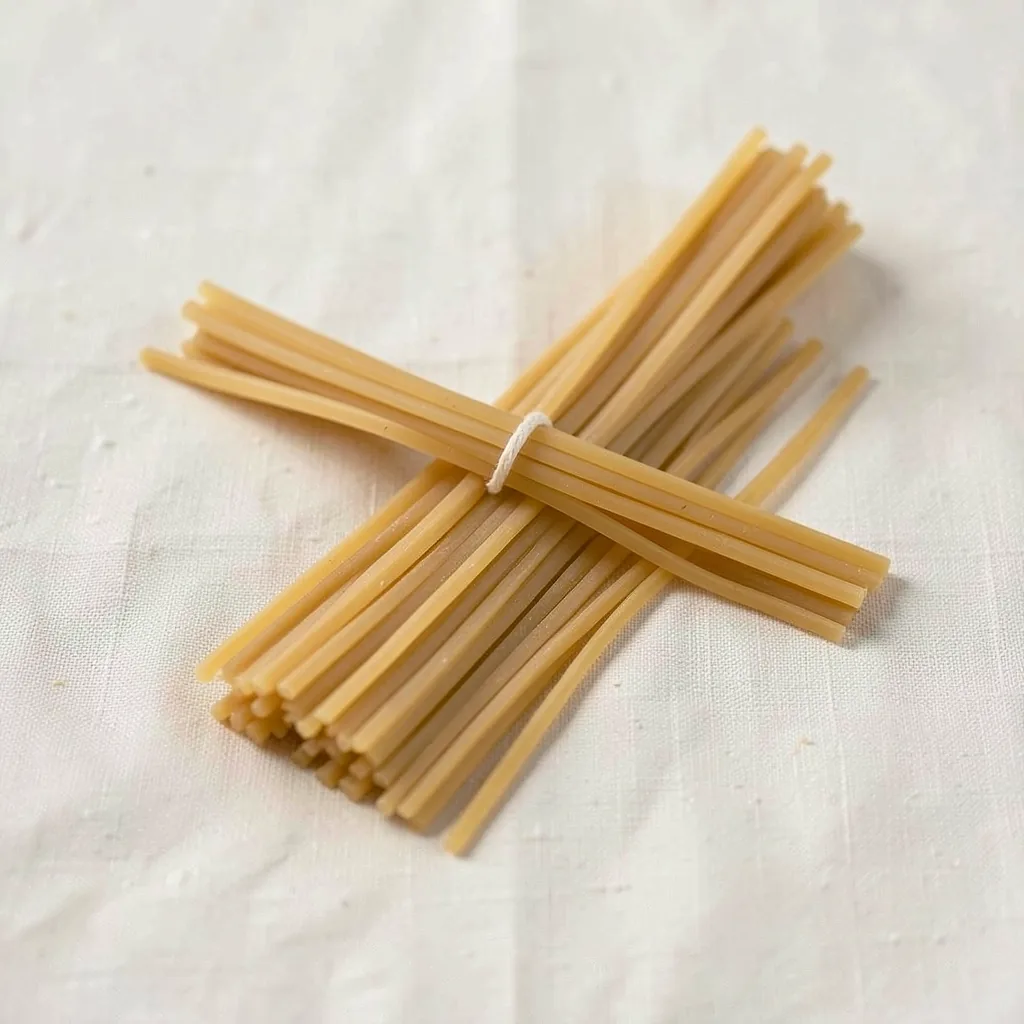
Picchiarelli are a thick hand-rolled strand from southern Umbria. The cook pinches off a small piece of dough and rolls it on the board with the fingers until it becomes a long strand. One source gives a thickness of about 4 millimetres. The traditional dough is flour and water without eggs. Some family recipes in Acquasparta and San Gemini add one egg. The Wikipedia list places the name in Apulia as a longer cavatello. Altapasta of Altamura sells a flattened dried version as picchiarelli di Puglia.
The documented tradition belongs to San Gemini and Acquasparta in Umbria. The same water and flour strand carries other names nearby: manfricoli in Narni and ciriole in Terni. San Gemini serves them at the Giostra dell'Arme festival in autumn. The usual dressings are a simple tomato sauce with garlic and parsley, a spicy sauce with pecorino, or ragù. A version with pecorino, pepper and guanciale also appears.
What it is served with
Pairs with: Pomodoro · Meat ragu · Gricia · Arrabbiata
Classic plates: picchiarelli al sugo, picchiarelli pecorino, pepe e guanciale.
By brand: numbers, cook times, spec sheets
1 brand, 1 product page.
| Brand | Product | Cook |
|---|---|---|
| Altapasta | Picchiarelli di Puglia 400 g |
Nutrition
Per 100 g of dry semolina pasta. The shape does not change these numbers. The dough does, so a whole wheat or egg version of this shape reads differently. See every dough.
| Per 100 g | Energy | Protein | Carbohydrate | Fibre | Fat | Sodium | Iron |
|---|---|---|---|---|---|---|---|
| Dry | 371 kcal | 13.0 g | 74.7 g | 3.2 g | 1.5 g | 6 mg | 3.3 mg |
| Cooked | 158 kcal | 5.8 g | 30.9 g | 1.8 g | 0.9 g | 1 mg | 1.3 mg |
One portion. 100 g dry becomes about 235 g cooked, 371 kcal and 13 g of protein. Pasta takes on 2.3 times its weight in the pot.
No picchiarelli? Use these
Ranked by how they behave with sauce, not how they look.
Sources
- Picchiarelli di Puglia 400 g, Altapasta (product page, from the brand's own product page)
- Umbria In: La ricetta dei picchiarelli (profile: origin, form, use)
- Il Giornale del Cibo: pasta fresca umbra (profile: origin, form, use)
- Tuttoggi: i picchiarelli di San Gemini (profile: origin, form, use)
- Cicalia: Altapasta picchiarelli (profile: origin, form, use)
- Photograph: Picchiarelli.jpg, Popo le Chien, CC0.
- USDA FoodData Central (nutrition per 100 g, by dough: FDC 169736, Pasta, dry, enriched; FDC 169737, Pasta, cooked, enriched, without added salt), public domain. The cooked yield is derived from the two energy figures.
- Picchiarelli, Wikipedia (names, origin), CC BY-SA 4.0
- Dimensions: brand spec sheets and measured boxes. Blank fields are unmeasured, never guessed.