Pillus
Very thin ribbons.
What it is
Pillus are thin strips of fresh pasta from Sardinia. The dough is finely ground durum wheat flour with eggs, or semolina with water in some Sulcis recipes. The distinctive step is long, vigorous kneading, followed by a long rest. The sheet is rolled thin and cut into ribbons about 2 centimetres wide, or into small diamonds. The lisanzedas variant instead cuts discs of 18 to 20 centimetres. The discs are boiled, then layered with meat stew and pecorino, then baked.
Wikipedia places pillus around Oristano. Other sources describe them in the Sulcis, in the south west of the island. They are usually cooked in beef or sheep broth and finished with grated pecorino sardo. In Busachi the dough carries toasted saffron. A ragù of beef, goat or rabbit also dresses them. Lisanzedas from Cagliari use saffron, and the Giba version adds fennel.
What it is served with
Pairs with: In brodo · Meat ragu · Baked (al forno)
Classic plates: pillus in brodo, lisanzedas.
Nutrition
Per 100 g of dry semolina pasta. The shape does not change these numbers. The dough does, so a whole wheat or egg version of this shape reads differently. See every dough.
| Per 100 g | Energy | Protein | Carbohydrate | Fibre | Fat | Sodium | Iron |
|---|---|---|---|---|---|---|---|
| Dry | 371 kcal | 13.0 g | 74.7 g | 3.2 g | 1.5 g | 6 mg | 3.3 mg |
| Cooked | 158 kcal | 5.8 g | 30.9 g | 1.8 g | 0.9 g | 1 mg | 1.3 mg |
One portion. 100 g dry becomes about 235 g cooked, 371 kcal and 13 g of protein. Pasta takes on 2.3 times its weight in the pot.
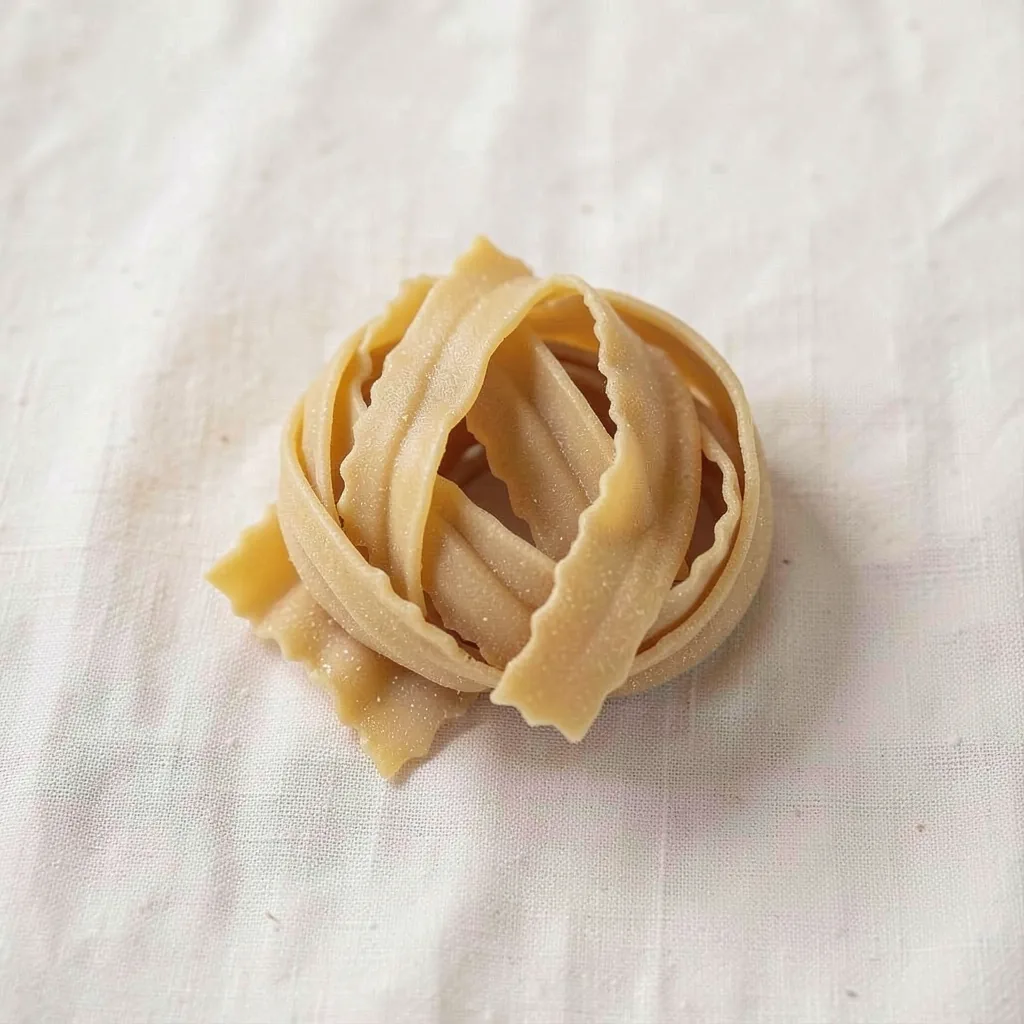
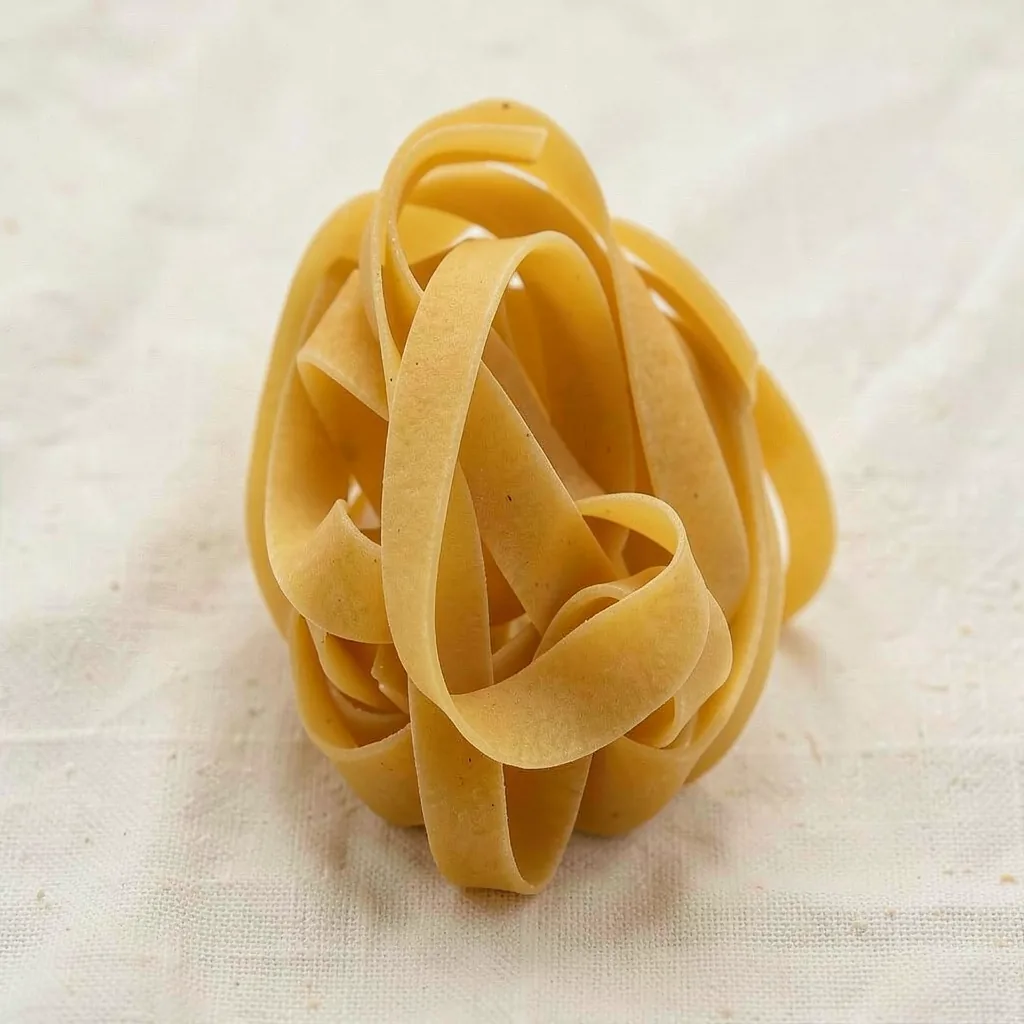
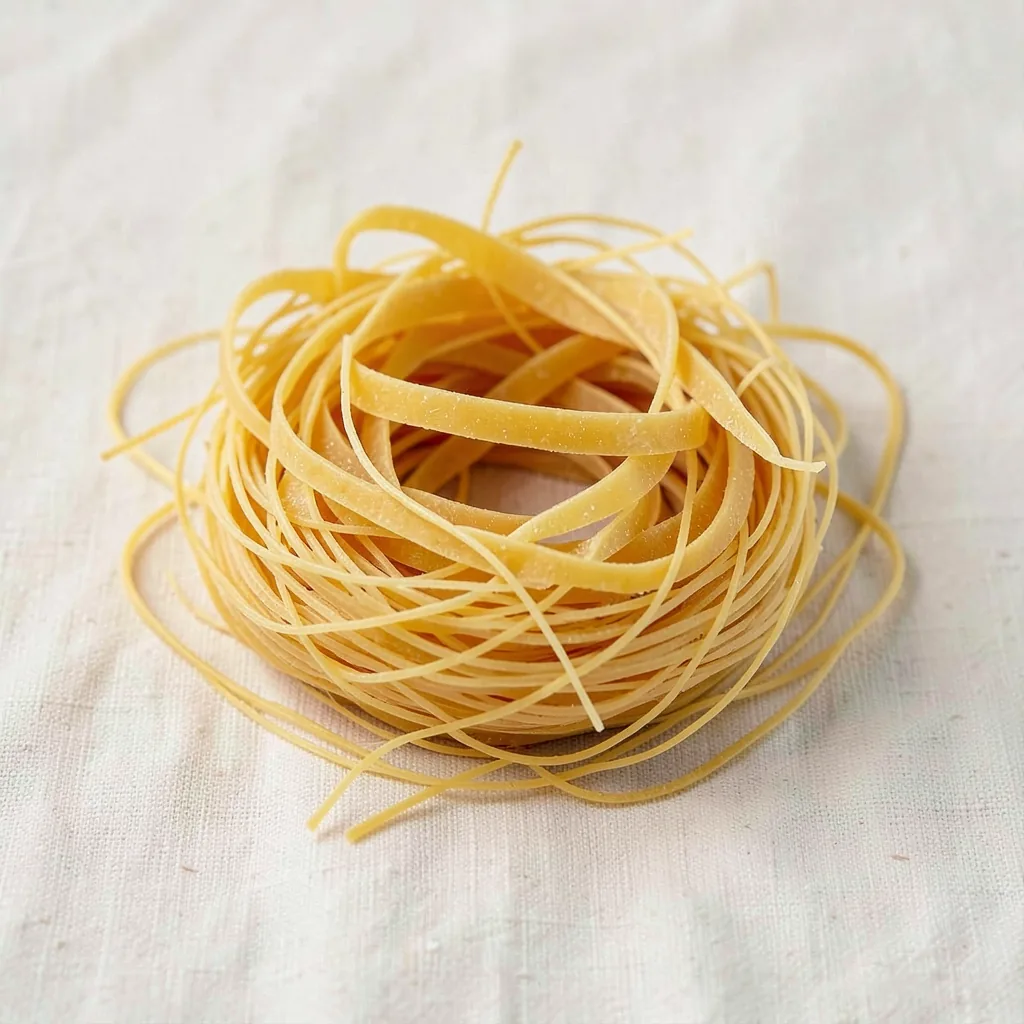
No pillus? Use these
Ranked by how they behave with sauce, not how they look.
Other names
Lisanzedas, a variation, large discs in lasagne-like layers, lisanzedas, tagliatelle sarde.
Sources
- Wikipedia (EN): Pillus (profile: origin, form, use)
- Zanini De Vita, Encyclopedia of Pasta: Pillus (ckbk) (profile: origin, form, use)
- Porto Pino Sardegna: Pillus, la ricetta (profile: origin, form, use)
- Arborea: Pillus (profile: origin, form, use)
- USDA FoodData Central (nutrition per 100 g, by dough: FDC 169736, Pasta, dry, enriched; FDC 169737, Pasta, cooked, enriched, without added salt), public domain. The cooked yield is derived from the two energy figures.
- Pillus, Wikipedia (names, origin), CC BY-SA 4.0
- Q7194233, Wikidata
- Dimensions: brand spec sheets and measured boxes. Blank fields are unmeasured, never guessed.