Busiate vs Maccheroni al ferretto
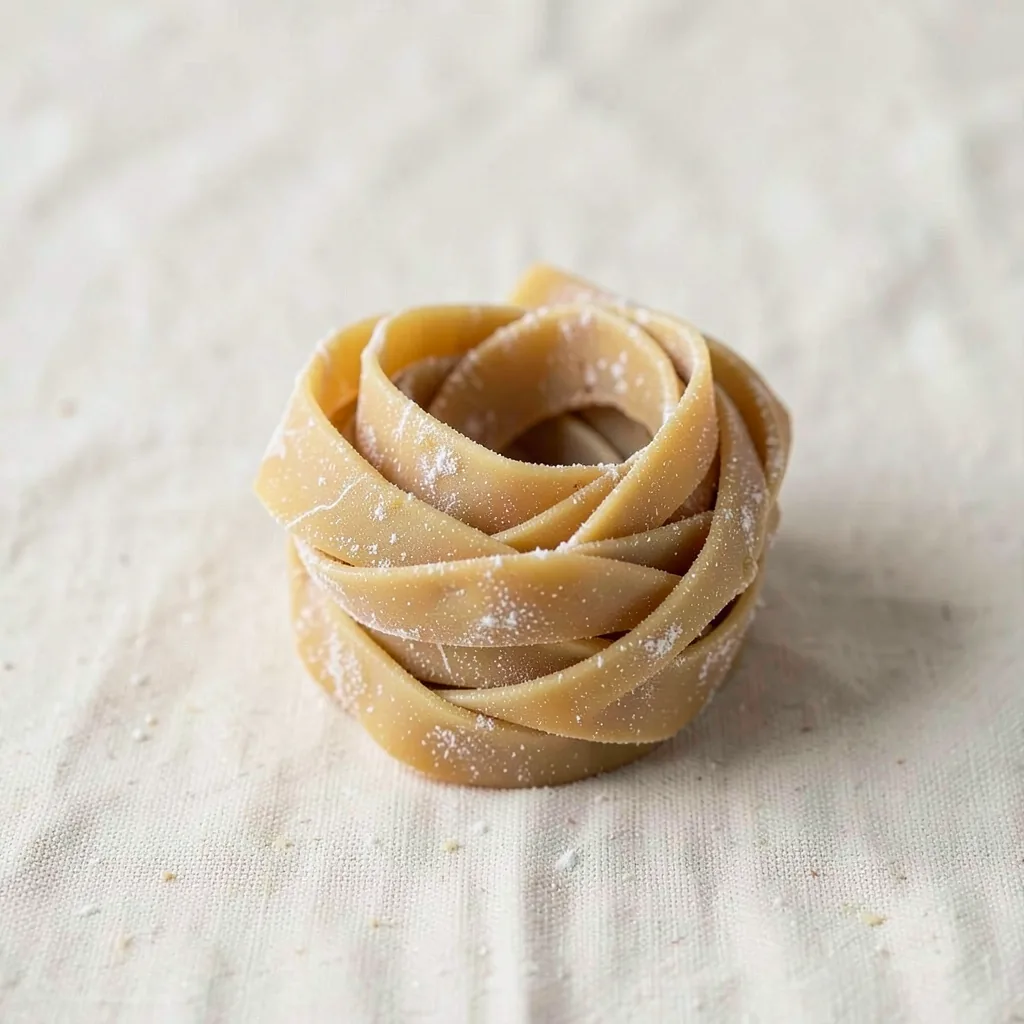
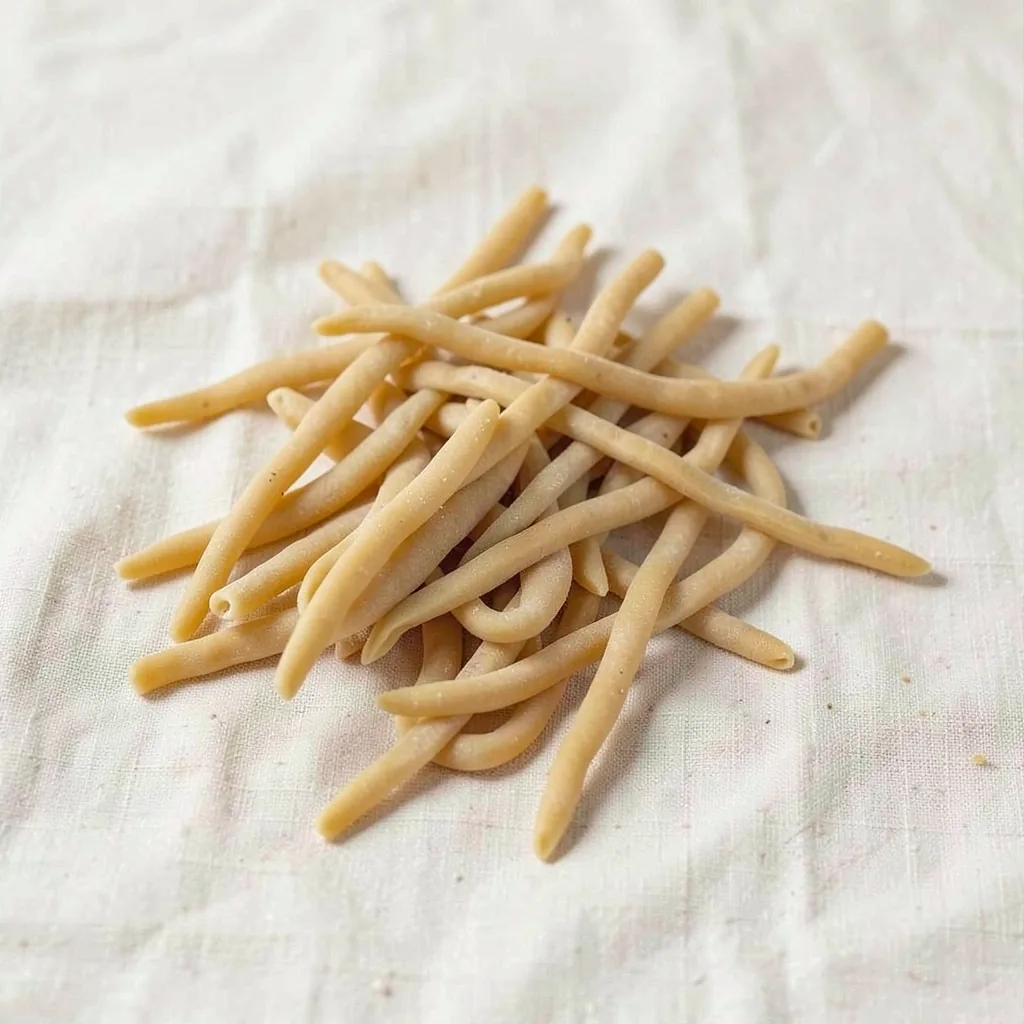
Busiate is long strip wound around a reed into a loose coil. Maccheroni al ferretto is strip of dough rolled around a thin iron rod into a long hollow tube.
Side by side, to scale
10 mmBusiate: 60 to 100 mm by 5 to 8 mm
Maccheroni al ferretto: 60 to 120 mm by 5 to 8 mm
Footprints from the length and width in each record, one scale for both. See every shape on the chart.
| Family | Hand-formed | Hand-formed |
|---|---|---|
| Region | Sicily | Calabria |
| Section | Long strip wound around a reed into a loose coil | Strip of dough rolled around a thin iron rod into a long hollow tube |
| Length | 60 to 100 mm | 60 to 120 mm |
| Width or diameter | 5 to 8 mm | 5 to 8 mm |
| Surface | Rough | Rough |
| Hollow | Yes | Yes |
| Dough | Semolina and water | Semolina and water |
| Cook time | 8 to 12 min | 8 to 12 min |
| Energy, dry, per 100 g | 371 kcal (dry semolina pasta) | 371 kcal (dry semolina pasta) |
| Protein, dry, per 100 g | 13.0 g | 13.0 g |
| Pairs with | Pesto alla trapanese, Norma, Pomodoro, Frutti di mare | Meat ragu, Sausage ragu, Pomodoro, Ragu napoletano |
Busiate
A long loose coil with a bore, so it holds a thick pesto in every turn: trapanese, pistachio, or a Norma-style eggplant sauce. It also takes seafood.
Maccheroni al ferretto
Rough, chewy, and hollow, so they carry the heaviest southern sauces: pork ragu, goat ragu, 'nduja, a slow tomato with pecorino.
Can you swap them?
Not a natural swap. They share 1 sauce: Pomodoro.
Only busiate: Pesto alla trapanese, Norma, Frutti di mare.
Only maccheroni al ferretto: Meat ragu, Sausage ragu, Ragu napoletano.
Sources
- Dimensions, surface, dough, and cook time: each shape page names the brand page, spec sheet, or measured box behind every figure.
- Energy and protein: USDA FoodData Central, per 100 g of the dough, public domain.